
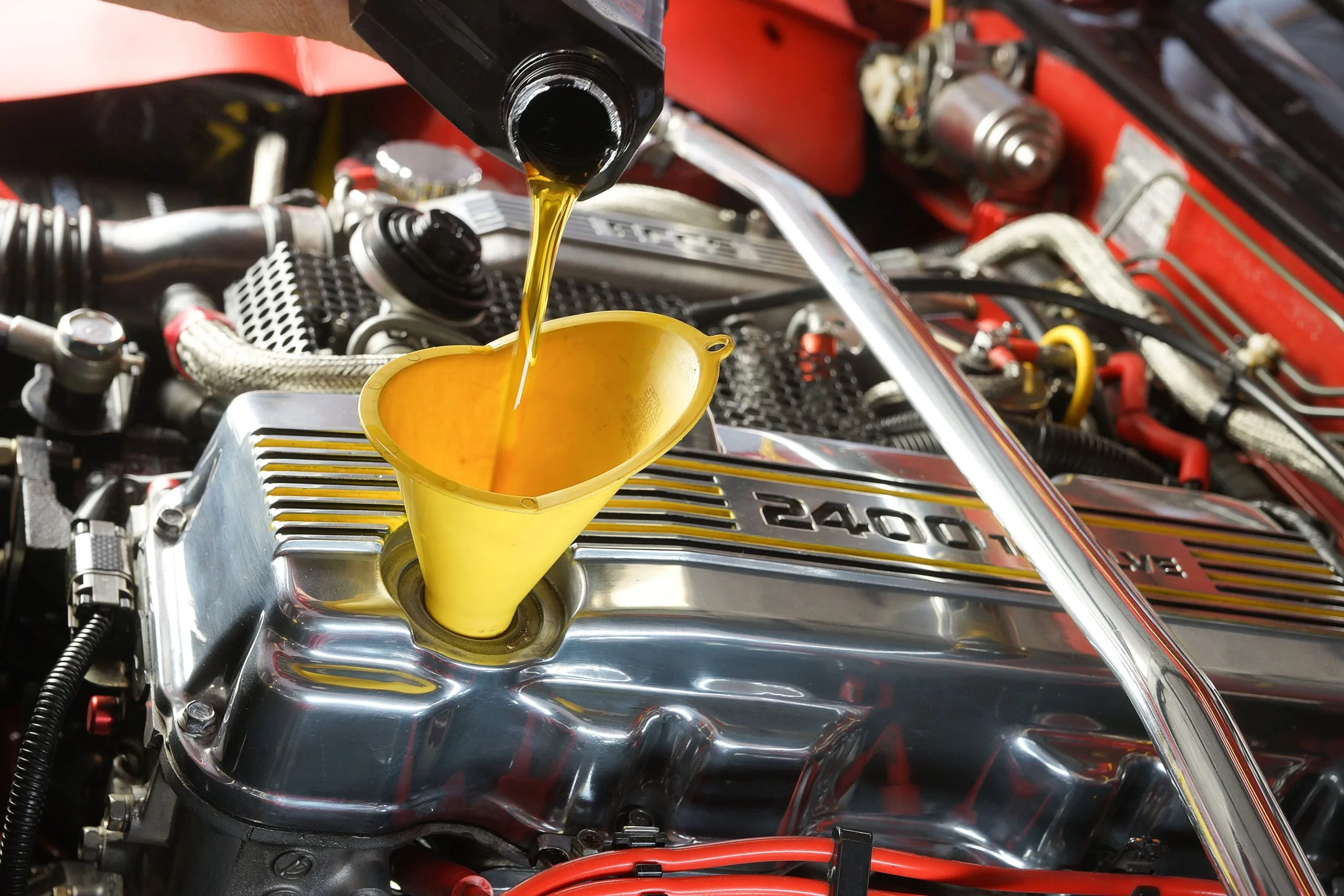
The USA transmission fluids market continues to evolve alongside changes in vehicle technology, driving habits, and aftermarket servicing trends. Transmission fluid was once treated as a routine maintenance product with little differentiation, but that view has shifted over the last decade. Modern automatic transmissions, CVTs, and dual-clutch systems require highly specialized lubricants that can handle heat, friction, and longer service intervals without compromising performance. By 2025, automatic transmission vehicles accounted for the overwhelming majority of cars sold in the United States, which naturally keeps demand for transmission fluids strong across both OEM and aftermarket channels. One noticeable shift in the market is consumer behavior. Vehicle owners are holding onto cars longer than before, partly because newer vehicles cost more and financing rates remain high. In practice, this creates a larger pool of aging vehicles that need regular transmission servicing.
What’s Driving the Transmission Fluids Market in the USA?
Aging Vehicle Fleet Keeps Aftermarket Demand Active
The average age of vehicles on American roads has crossed 12 years in recent studies, and that has real consequences for the lubricants industry. Older vehicles require more frequent servicing, particularly transmission maintenance, which many drivers ignored in the past. Independent garages often report that delayed fluid replacement remains one of the leading causes of transmission wear. For fluid manufacturers, this aging car parc creates dependable repeat demand rather than short-term spikes.
Shift Toward Advanced Transmission Systems
Traditional automatic gearboxes are no longer the only focus. CVTs and dual-clutch transmissions are becoming more common in passenger cars because they improve fuel economy and driving smoothness. The trade-off is that these systems are far less forgiving when incorrect fluids are used. A standard automatic transmission fluid may not perform well in a CVT-equipped vehicle, and repair costs can quickly escalate. This has pushed both consumers and service centers toward premium synthetic formulations with OEM approvals rather than cheaper universal products.
Online Retail and Quick-Service Chains Expand Reach
The way transmission fluids are sold has changed quite a bit. Large e-commerce platforms and automotive retail chains now offer vehicle-specific lubricant recommendations, making product selection easier for everyday drivers. On the ground, quick-lube centers and franchise workshops continue gaining market share because many consumers prefer faster servicing over dealership visits. That convenience factor matters more than many manufacturers expected a few years ago. Smaller lubricant brands are also finding room to compete online, particularly in price-sensitive regions.
Government Regulations and Sustainability Trends
Fuel economy regulations continue shaping lubricant development in the United States. Automakers are demanding lower-viscosity fluids that reduce friction losses and support tighter efficiency targets. While synthetic transmission fluids cost more upfront, they often last longer and improve thermal stability, making them attractive for both workshops and fleet operators. There is also pressure around waste oil disposal and recycling standards. Some lubricant producers have started promoting formulations with extended drain intervals, partly to reduce environmental impact and partly to appeal to cost-conscious commercial vehicle operators. Hybrid vehicles are adding another layer of complexity since many require dedicated transmission fluid technologies that differ from conventional passenger cars.
Market Competition
Competition remains intense across the USA transmission fluids industry. Large multinational brands such as ExxonMobil, Valvoline, Shell plc, Castrol, and Chevron Corporation dominate shelf space through dealership partnerships, retail distribution, and aggressive marketing campaigns. Yet regional manufacturers still hold a meaningful share of the independent workshop market, especially where pricing plays a bigger role than brand loyalty. One interesting trend is the rise of private-label automotive fluids sold through retail chains. These products are often manufactured to meet industry specifications at lower price points, making them attractive during periods of inflation and rising maintenance costs.
Electric Vehicle Adoption Reduces Long-Term Fluid Volumes
A common challenge for transmission fluid manufacturers is the steady rise of electric vehicles. Fully electric models use far simpler drivetrains and require significantly lower transmission fluid volumes than internal combustion vehicles. The shift will not eliminate demand overnight because gasoline-powered vehicles will remain dominant for years, particularly in the used car market. Still, lubricant suppliers are already preparing for slower long-term volume growth in traditional transmission products.
Latest Industry Development
The transmission fluids market has recently seen stronger momentum around EV-compatible lubricant technologies. In early 2026, several lubricant manufacturers expanded investments in low-viscosity and dielectric transmission fluids designed specifically for electric drivetrains. Shell introduced its EV-Plus Thermal Fluid platform aimed at combining battery, motor, and transmission cooling into a single system, reducing vehicle weight and improving charging efficiency. Around the same time, Castrol continued expanding its EV transmission fluid portfolio for wet e-motor applications, reflecting how lubricant suppliers are adapting product strategies as hybrid and electric vehicle production rises globally.
Future Outlook
The USA transmission fluids market is likely to remain stable through 2035, though the product mix will look very different from today. Synthetic and vehicle-specific fluids will continue taking share from conventional mineral-based products as transmission systems become more complex. Demand from aging vehicles and independent workshops should keep the aftermarket healthy, even as EV adoption gradually reshapes the automotive sector.
Consultants at Nexdigm, in their latest publication “USA Transmission Fluids Market Outlook to 2035,” analyzed the market by Product Type (Automatic Transmission Fluid, Manual Transmission Fluid, CVT Fluid, DCT Fluid), By Base Oil (Mineral, Semi-Synthetic, Synthetic), By Vehicle Type (Passenger Vehicles, Commercial Vehicles, Off-Highway Vehicles), and By Distribution Channel (OEM Workshops, Independent Service Centers, Retail Stores, Online Platforms). Nexdigm believes companies should focus on OEM-certified synthetic fluids, stronger aftermarket partnerships, and EV-compatible lubricant technologies to remain competitive as transmission systems continue evolving.
To take the next step, simply visit our Request a Consultation page and share your requirements with us.
Harsh Mittal
+91-8422857704