
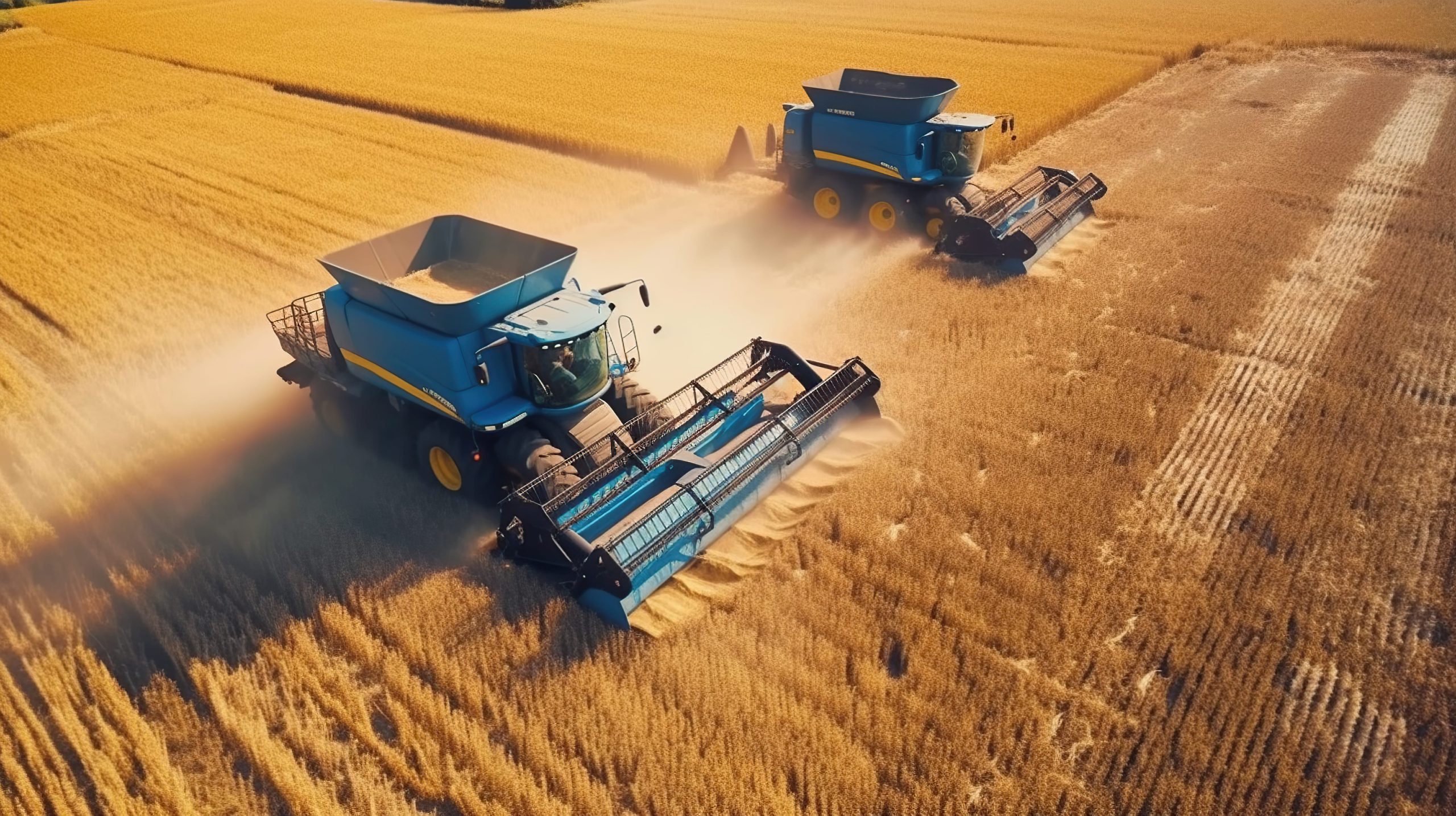
The USA agricultural machinery market is experiencing a structural shift as farmers balance rising input costs, labor shortages, and the need for higher productivity. Combine harvesters remain central to large-scale grain harvesting across corn, wheat, soybean, and barley belts. However, the high capital cost of new combines, coupled with volatile farm incomes, is pushing growers toward the secondary equipment market. As of 2026, a significant share of combine harvesters operating across Midwestern and Plains states are pre-owned units sourced from domestic dealer networks and farm fleet replacements. The used combine segment is gaining momentum as farmers prioritize cost efficiency, faster replacement cycles, and access to reliable equipment without long lead times.
What’s Driving the Used Combine Harvester Market in the USA?
Rising Equipment Costs and Farm Income Volatility
New combine harvesters have witnessed steady price inflation driven by advanced precision agriculture technologies, emission-compliant engines, and rising manufacturing costs. For mid-sized farms, capital expenditure on new equipment often competes with spending on seeds, fertilizers, and labor. Used combine harvesters provide a practical alternative, enabling farmers to access high-capacity machines at 30–50% lower upfront costs. This affordability is particularly attractive during periods of commodity price volatility, allowing farms to preserve liquidity while maintaining harvesting efficiency.
Technology Adoption and Faster Replacement Cycles
Large commercial farms in the USA are increasingly upgrading to combines equipped with GPS-guided steering, yield mapping, and telematics for real-time performance monitoring. As newer models enter fleets, mid-life combines are released into the resale market within 4–7 years of use. This replacement cycle is improving the availability of relatively modern used machines with digital capabilities. Smaller farms and custom harvesting contractors benefit from this trend, as they gain access to advanced technology without paying full OEM prices.
Growth in Custom Harvesting and Rental Demand
Custom harvesting contractors play a vital role in peak-season operations across the Corn Belt and Great Plains. Many contractors rely on used combines to expand fleet size and manage seasonal demand efficiently. Similarly, short-term rentals and lease-to-own models are becoming more common, particularly among farmers who prefer not to lock capital into depreciating assets. This shift is strengthening demand for well-maintained pre-owned combines with verified service histories.
Market Competition and Distribution Landscape
The USA used combine harvester market is moderately concentrated, with authorized dealerships of global OEMs such as John Deere, CNH Industrial (Case IH and New Holland), and AGCO (Fendt, Gleaner, Massey Ferguson) dominating the organized resale segment. Dealer-certified used programs, refurbishment standards, and extended warranties are improving buyer confidence. At the same time, independent traders, farm auctions, and digital equipment marketplaces are expanding market access and price transparency. Online platforms are enabling interstate transactions, increasing liquidity in the secondary market and shortening resale cycles.
High Import Dependence for Advanced Harvesting Technology
While the USA has a strong domestic manufacturing base for agricultural equipment, critical components such as sensors, precision modules, and specialized electronics are globally sourced. Supply chain disruptions and component shortages in recent years have led to longer delivery timelines for new combines, indirectly supporting demand for used machines available for immediate deployment. Additionally, high-spec models with automation features command premium prices in the new equipment market, pushing cost-conscious buyers toward the secondary segment.
Maintenance Costs and Technology Obsolescence
Used combine harvesters require higher maintenance and parts replacement as machine hours accumulate. For older models, compatibility with newer software updates and precision agriculture systems can be limited, reducing long-term efficiency gains. Financing institutions and insurers also impose stricter conditions on older equipment, which may restrict adoption among smaller farms without strong credit profiles.
Future Outlook
The USA used combine harvester market is expected to witness steady growth through 2035, supported by ongoing mechanization, replacement cycles among large farms, and the expansion of custom harvesting services. By 2035, the market is likely to become more structured, with wider adoption of certified refurbishment programs, transparent pricing benchmarks, and digital inspection reports. Sustainability goals and the transition toward low-emission machinery will further accelerate fleet upgrades, ensuring a consistent supply of mid-life combines in the secondary market. The USA is also expected to strengthen its role as a regional redistribution hub for used combine harvesters to Latin America and select emerging agricultural markets.
Consultants at Nexdigm, in their latest publication “USA Used Combine Harvester Market Outlook to 2035”, analyzed the market by Horsepower (Below 250 HP, 250–400 HP, Above 400 HP), By Application (Grain Farming, Custom Harvesting, Contract Farming, Equipment Rental), and By Sales Channel (Authorized Dealers, Independent Traders, Auctions, Online Platforms). Nexdigm believes that businesses should prioritize certified refurbishment, digital sales channels, transparent machine history reports, and financing partnerships as key growth levers in the USA used combine harvester market.
To take the next step, simply visit our Request a Consultation page and share your requirements with us.
Harsh Mittal
+91-8422857704