
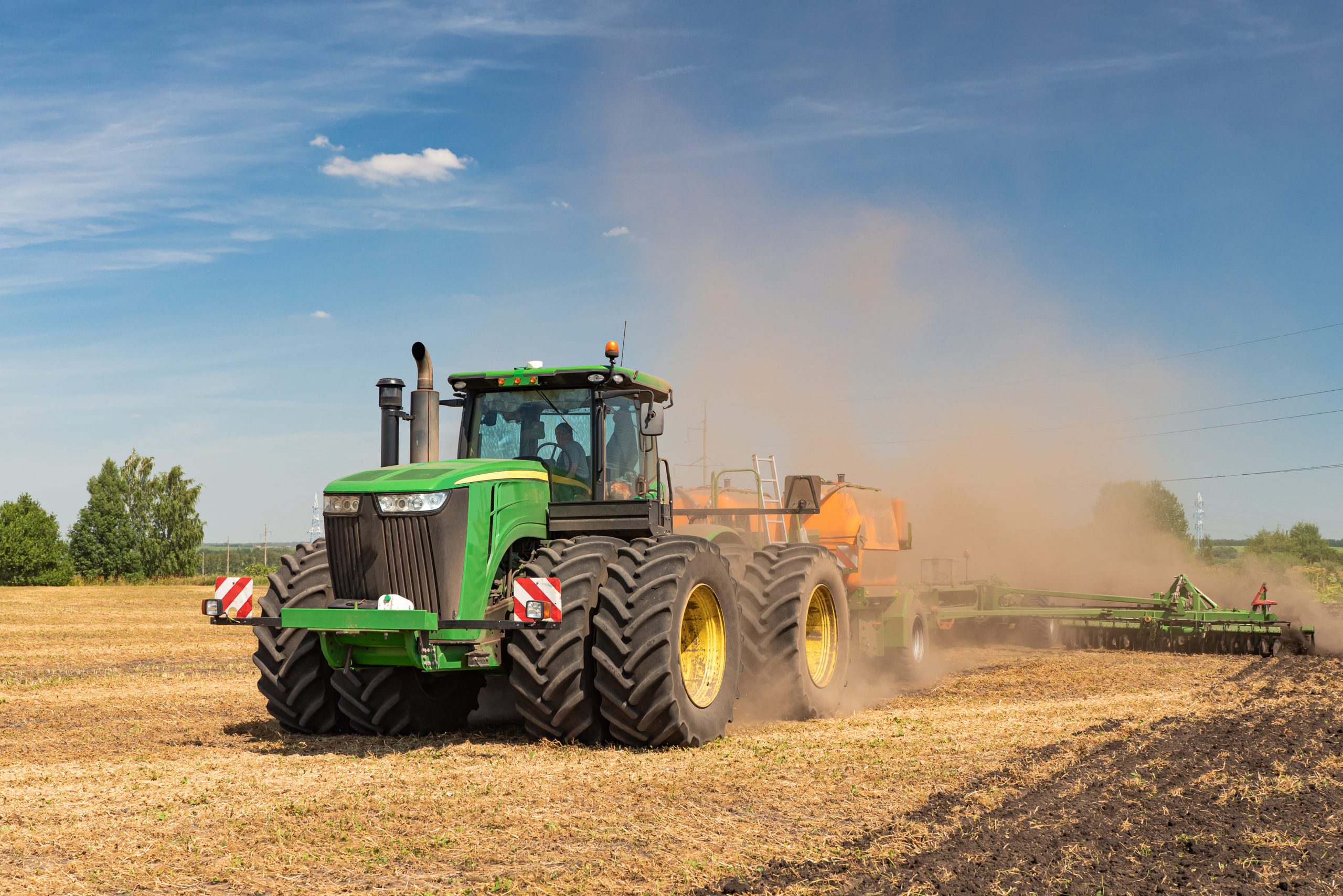
The USA agricultural equipment market is undergoing steady transformation as farmers balance rising input costs, labor shortages, and the need for operational efficiency. The United States remains one of the largest tractor markets globally, with high mechanization levels across row crops, dairy, and livestock farming. As of 2026, a significant share of tractors operating in the country were purchased more than five years ago, creating a steady pipeline of equipment entering the secondary market. The used tractor segment is gaining momentum as small and mid-sized farms seek cost-effective alternatives to new machinery, while large commercial farms continue to upgrade fleets to newer, technology-enabled models. This replacement cycle is strengthening supply in the used market and improving availability across horsepower segments.
What’s Driving the Used Tractor Market in the USA?
Rising Equipment Costs and Farm Profitability Pressures
New tractor prices in the US have increased steadily due to higher manufacturing costs, advanced electronics, and supply chain constraints. Precision agriculture features such as GPS guidance, telematics, and automated steering systems have improved productivity but also raised upfront costs. As a result, many farmers—particularly small and mid-sized operators—are turning to used tractors to manage capital expenditure. Pre-owned equipment allows farmers to maintain mechanization levels without overleveraging balance sheets, making used tractors a practical choice during periods of margin pressure driven by volatile crop prices and input costs.
Farm Consolidation and Fleet Replacement Cycles
Farm consolidation is reshaping demand patterns in the US agricultural sector. Larger farms and agribusinesses regularly upgrade fleets to improve fuel efficiency, uptime, and compatibility with precision farming tools. This leads to a consistent flow of 3–8-year-old tractors into the resale market. These mid-life tractors are well-suited for smaller farms, contract farming operations, and diversified growers that do not require the latest technology stack. The replacement cycle is expected to remain a structural driver of inventory in the secondary market through 2035.
Growth in Specialty Crops and Utility Applications
Beyond large-scale row crop farming, growth in specialty crops, orchards, vineyards, and mixed-use farms is supporting demand for compact and utility tractors. Used low- to mid-horsepower tractors are particularly attractive for these segments due to affordability and versatility across tasks such as material handling, mowing, and light tillage. Additionally, tractors are widely used for non-agricultural purposes, including landscaping, snow removal, and municipal maintenance, further expanding the addressable market for used equipment.
Government and Financing Support for Farm Mechanization
Federal and state-level programs aimed at improving farm productivity, rural development, and sustainability are indirectly supporting mechanization. Access to low-interest loans, equipment financing through agricultural lenders, and support for conservation practices are encouraging farmers to upgrade machinery. As farms replace older units with more fuel-efficient or low-emission models, the outgoing equipment feeds the used tractor market. Equipment leasing models and buy-back programs offered by major dealers are also improving liquidity and formalization in the resale ecosystem.
Market Competition and Distribution Landscape
The USA used tractor market is moderately consolidated, with authorized dealer networks of major OEMs such as John Deere, CNH Industrial (Case IH and New Holland), AGCO (Massey Ferguson, Fendt), and Kubota playing a dominant role in certified pre-owned sales. Independent dealers, auctions, and online equipment marketplaces continue to serve price-sensitive buyers and remote geographies. The increasing use of digital platforms is improving price discovery, expanding buyer reach across states, and enabling faster inventory turnover. Over time, warranty-backed certified programs and refurbishment standards are expected to gain higher trust among institutional buyers and larger farms.
Aging Equipment and Maintenance Risks
While used tractors offer affordability, older equipment comes with higher maintenance and downtime risks. Limited availability of spare parts for discontinued models and the growing complexity of electronics can increase ownership costs for farmers with limited technical support. Additionally, inconsistent refurbishment quality in the unorganized segment creates variability in equipment reliability and resale value.
Future Outlook
The USA used tractor market is expected to witness stable growth through 2035, supported by ongoing farm consolidation, mechanization needs, and fleet replacement cycles. By 2035, the market is likely to become more structured, with greater penetration of certified pre-owned programs, wider adoption of digital sales platforms, and stronger financing and leasing options. Demand for fuel-efficient and precision-ready used tractors will rise as sustainability and productivity goals gain prominence. The US is also expected to strengthen its position as a sourcing hub for used tractors exported to Latin America and Africa, further supporting secondary market volumes.
Consultants at Nexdigm, in their latest publication “USA Used Tractor Market Outlook to 2035”, analyzed the market by Horsepower (Below 50 HP, 50–100 HP, Above 100 HP), By Application (Agriculture, Landscaping, Municipal Services, Construction Support), and By Sales Channel (Authorized Dealers, Independent Traders, Online Platforms, Auctions). Nexdigm believes that businesses should prioritize certified refurbishment, transparent equipment histories, strong after-sales service networks, and digital marketplaces, while leveraging export opportunities as a key growth lever in the US used tractor ecosystem.
To take the next step, simply visit our Request a Consultation page and share your requirements with us.
Harsh Mittal
+91-8422857704