
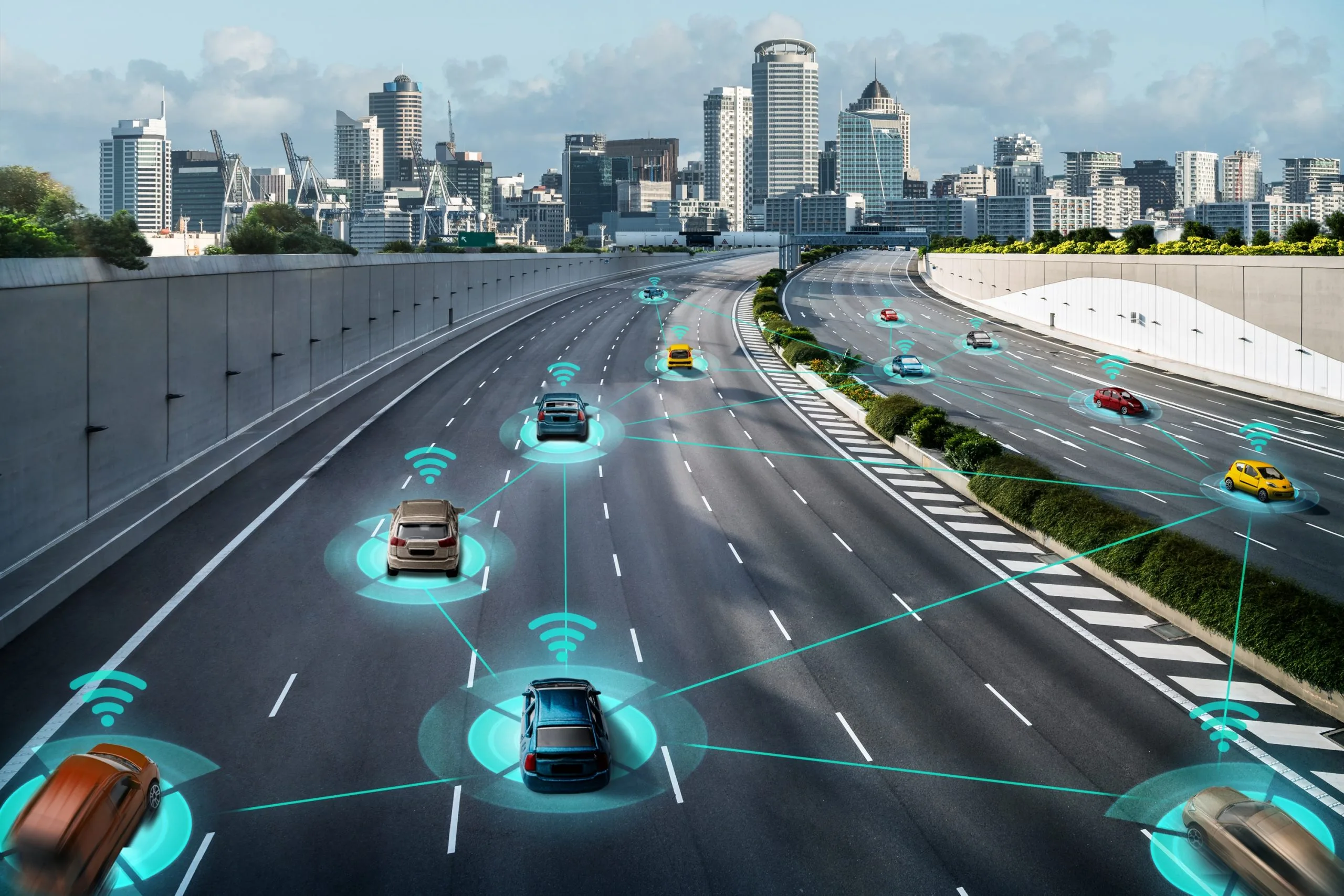
The vehicle connectivity solutions market in the United States is evolving as a key component of the broader automotive technology landscape. Driven by increasing consumer demand for connected features such as telematics, real‑time navigation, and remote diagnostics, the market has seen rapid adoption of embedded connectivity solutions in both passenger and commercial vehicles. In 2024, the connected vehicle segment in the U.S. generated several billion USD in revenue, and projections suggest continued expansion through 2035 as automakers and technology providers integrate advanced communication and data services into vehicle platforms.
Key Factors Fueling Growth in the Vehicle Connectivity Solutions Market
Technological Advancements
Vehicle connectivity is underpinned by advancements in digital communication technologies. The deployment of 5G networks and expansion of cellular infrastructure are enabling faster data transfer, lower latency, and more robust vehicle‑to‑everything (V2X) interactions. These capabilities support features such as over‑the‑air (OTA) updates, cloud‑based services, and predictive maintenance, enhancing both driver experience and operational efficiency. Increasing integration of Internet of Things (IoT) platforms and artificial intelligence further propels the development of connected solutions.
Consumer Demand and Safety
Modern drivers expect seamless connectivity for infotainment, navigation, and safety services. Connectivity features such as advanced driver‑assistance systems (ADAS), emergency telematics, and real‑time traffic data have become differentiators in vehicle purchasing decisions. Growth in demand for in‑car Wi‑Fi and smartphone integration also reflects shifting consumer preferences toward digital experiences while on the move. Automotive stakeholders, including manufacturers and service providers, are responding with enhanced connectivity offerings that prioritize both convenience and safety.
Government Policies and Initiatives Driving Vehicle Connectivity Adoption
Federal and state regulatory frameworks in the United States are encouraging adoption of connected vehicle technologies through standards for telematics and safety communications. Agencies such as the National Highway Traffic Safety Administration (NHTSA) have supported initiatives that integrate connectivity into broader vehicle safety strategies, promoting technologies that improve crash response and traffic management. These initiatives help align market growth with national road safety and mobility objectives.
Key Players and Competitive Dynamics in the Vehicle Connectivity Market
The U.S. vehicle connectivity market is competitive, with traditional automakers, Tier‑1 suppliers, and technology firms all investing in connected solutions. Leading automotive manufacturers such as General Motors and Ford are integrating embedded telematics and connectivity platforms across their model ranges, while tech companies provide core communication modules and cloud services. This competitive environment fosters innovation as companies seek to differentiate through connectivity features and services.
Key Challenges Hindering the Growth of the Vehicle Connectivity Market
Infrastructure and Integration
Widespread adoption of advanced connectivity depends on reliable network and communication infrastructure. Variability in 5G coverage and integration costs for hardware and software systems present challenges for both OEMs and consumers. Ensuring seamless connectivity across geographic regions remains a technical and financial hurdle for stakeholders.
Cybersecurity and Data Privacy
With increased connectivity comes heightened exposure to cybersecurity risks. Protecting vehicle systems from unauthorized access and safeguarding user data are critical concerns that require significant investment in security protocols and compliance with emerging standards. These challenges can slow down deployment rates and increase development costs.
Future Outlook
Looking toward 2035, the U.S. vehicle connectivity solutions market is expected to continue steady growth, supported by ongoing digital transformation within the automotive industry. Embedded connectivity platforms, V2X communications, and advanced telematics will play central roles in next‑generation mobility services. Market forecasts anticipate broad adoption of connected vehicle features across both new and existing fleets, driven by consumer expectations for safety, convenience, and data‑rich experiences. As automation and electrification trends intensify, connectivity will become integral to intelligent transport systems and mobility ecosystems, shaping the future of automotive innovation in the United States.
Consultants at Nexdigm, in their latest publication “USA Vehicle Connectivity Solutions Market Outlook 2035,” analyze the sector by System Type (Telematics Control Units, Infotainment Connectivity Systems, Vehicle-to-Everything Communication Systems, Remote Diagnostics and Monitoring Systems), By Platform Type (Passenger Vehicles, Commercial Vehicles, Electric Vehicles), and By Fitment Type (OEM Integrated Solutions, Aftermarket Plug-in Devices, Embedded Connectivity Modules). Nexdigm suggests that businesses should focus on understanding the evolving landscape of technological advancements, regulatory changes, and consumer expectations to stay ahead in the competitive vehicle connectivity market. By adapting to emerging trends such as 5G deployment, data privacy regulations, and increasing demand for in-car digital experiences, companies can create tailored solutions that enhance connectivity, improve safety, and drive customer loyalty.
To take the next step, simply visit our Request a Consultation page and share your requirements with us.
Harsh Mittal
+91-8422857704