
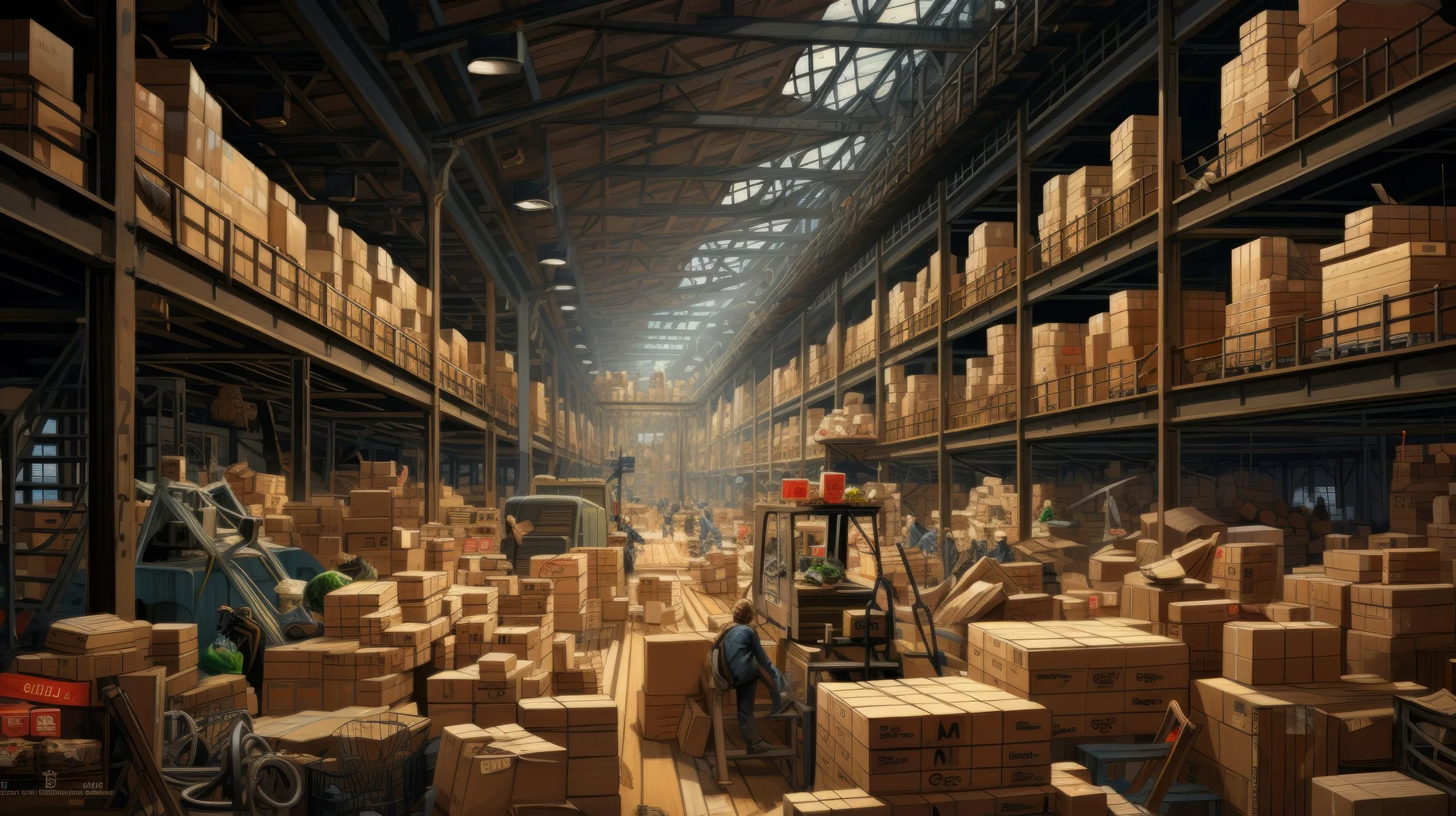
The warehousing market in the USA is expected to experience significant growth, projected to reach $70 billion in the coming years. This surge is largely driven by the rapid expansion of e-commerce, advancements in automation, and the increasing demand for faster, more efficient logistics. As consumers increasingly expect quick deliveries, businesses are relying on modernized warehouses equipped with the latest technologies to fulfill orders quickly and efficiently. The industry is evolving, and the warehousing sector is now at the heart of this transformation, providing essential services for managing inventory, processing orders, and meeting the demands of today’s supply chains. The shift toward faster, more accurate deliveries is reshaping how warehouses operate across the country.
Key Drivers of Growth in the US Warehousing Market
E-Commerce Growth Fueling the Demand for Warehousing Solutions
The explosive growth of e-commerce has dramatically increased the demand for warehousing services in the USA. The U.S. e-commerce sales were expected to exceed $1 trillion, with projections showing continued growth in the coming years. As more consumers shop online, the need for reliable, scalable warehousing systems that can efficiently handle increased product volumes and fast shipping times is greater than ever. Businesses, particularly in retail, are investing in larger distribution centers and expanding their warehousing capacities to meet the growing demand for fast deliveries. This demand is driving logistics providers to adopt automated systems and innovative technologies to keep pace with e-commerce growth.
Automation and Robotics Transforming Warehousing Operations
Automation and robotics are reshaping the warehousing landscape, enhancing operational efficiency and reducing costs. The integration of robotics, automated guided vehicles (AGVs), and AI-powered warehouse management systems (WMS) is enabling warehouses to operate at higher speeds and with greater precision. According to industry forecasts, the warehouse automation market is expected to grow at a 13% CAGR in the coming years, demonstrating the significant role automation plays in transforming operations. These technologies allow warehouses to handle larger volumes of products, streamline inventory management, and reduce human error, improving the overall speed and accuracy of order fulfillment.
Sustainability and Green Warehousing Solutions
Sustainability is becoming increasingly important in the warehousing industry, with both businesses and consumers prioritizing eco-friendly practices. To meet these demands, many warehousing companies are adopting green building certifications, investing in solar energy solutions, and utilizing electric-powered forklifts. As regulations tighten around carbon emissions, companies are transitioning to more energy-efficient practices to reduce their environmental footprint. With the global warehouse market moving toward greater environmental responsibility, companies that adopt sustainable practices not only meet regulatory requirements but also appeal to environmentally-conscious consumers. As sustainability becomes a key focus, we can expect green logistics solutions to be a major part of the warehousing sector’s future.
Government Initiatives boosting the USA Warehousing Market
The U.S. government has been instrumental in supporting the growth of the warehousing market by funding infrastructure projects and offering incentives for sustainable development. The Infrastructure Investment and Jobs Act is contributing billions of dollars to improve transportation networks, such as roads and railways, which benefit warehousing operations by reducing congestion and improving connectivity. Additionally, government incentives for energy-efficient technologies, such as electric vehicle adoption and solar-powered warehouse facilities, are driving the sector toward greener practices. These initiatives are making it easier for warehousing providers to adopt sustainable technologies while simultaneously reducing costs and improving operational efficiency.
Competitive Landscape of the USA Warehousing Market
The USA warehousing market is highly competitive, with both large global logistics companies and specialized regional players competing for market share. Industry giants such as Prologis, DHL Supply Chain, and XPO Logistics dominate the market, leveraging large distribution networks and investing heavily in automation technologies to stay ahead. Meanwhile, regional players are focusing on niche services such as same-day delivery, micro-fulfillment centers, and customized warehousing solutions to differentiate themselves. As e-commerce continues to expand, competition in the warehousing sector is intensifying, and logistics providers are increasingly focused on adopting new technologies, expanding their service offerings, and building efficient delivery networks to meet the rising demand for faster and more accurate order fulfillment.
Challenges Facing the USA Warehousing Market
High Operational Costs and Space Limitations
While the warehousing market is growing, it also faces significant challenges, including the high cost of land, labor, and the maintenance of automation technologies. In urban areas, land prices are rising, making it difficult for operators to expand their storage capacity.
Workforce and Skill Gaps
As automation and robotics continue to take center stage in the warehousing sector, there is an increasing demand for a skilled workforce capable of managing and maintaining these systems. The warehousing industry faces challenges in attracting and retaining workers with the technical skills necessary to operate automated systems and sophisticated warehouse management tools. Companies must invest in training programs and workforce development to bridge this skills gap and ensure that operations remain efficient and productive.
Future Outlook
The future of the USA warehousing market looks bright, with continued growth expected to reach heights. The market is projected to reach $70 billion, driven by e-commerce expansion, technological advancements in automation, and a shift toward sustainable warehousing practices. As robotics, AI-powered systems, and green logistics continue to evolve, warehouses will become smarter, more efficient, and more eco-friendly. In the coming years, warehouses will be increasingly automated and capable of managing complex supply chains, meeting the demand for faster deliveries while reducing operational costs. Sustainable solutions will play a key role in the future, as businesses prioritize eco-friendly practices alongside operational efficiency. The warehousing sector is set to play a central role in the evolving logistics landscape, meeting the needs of a rapidly changing global economy.
Consultants at Nexdigm, in their latest publication USA Warehousing Market Outlook to 2035 analyzed the market by System Type (General Storage, Temperature Controlled Warehousing, Bonded Warehousing Facilities) and By End User Segment (E-commerce, Manufacturing, Retail Companies, Agriculture and Food Processes Companies).
Nexdigm believes that businesses should collaborate with government initiatives to tap into infrastructure development and benefit from regulatory incentives. Investing in modern warehousing facilities, focusing on sustainability, and optimizing supply chains will enable businesses to meet the rising demand for efficient storage solutions, while also ensuring scalability and adaptability in a rapidly evolving market.
To take the next step, simply visit our Request a Consultation page and share your requirements with us.
Harsh Mittal
+91-8422857704