
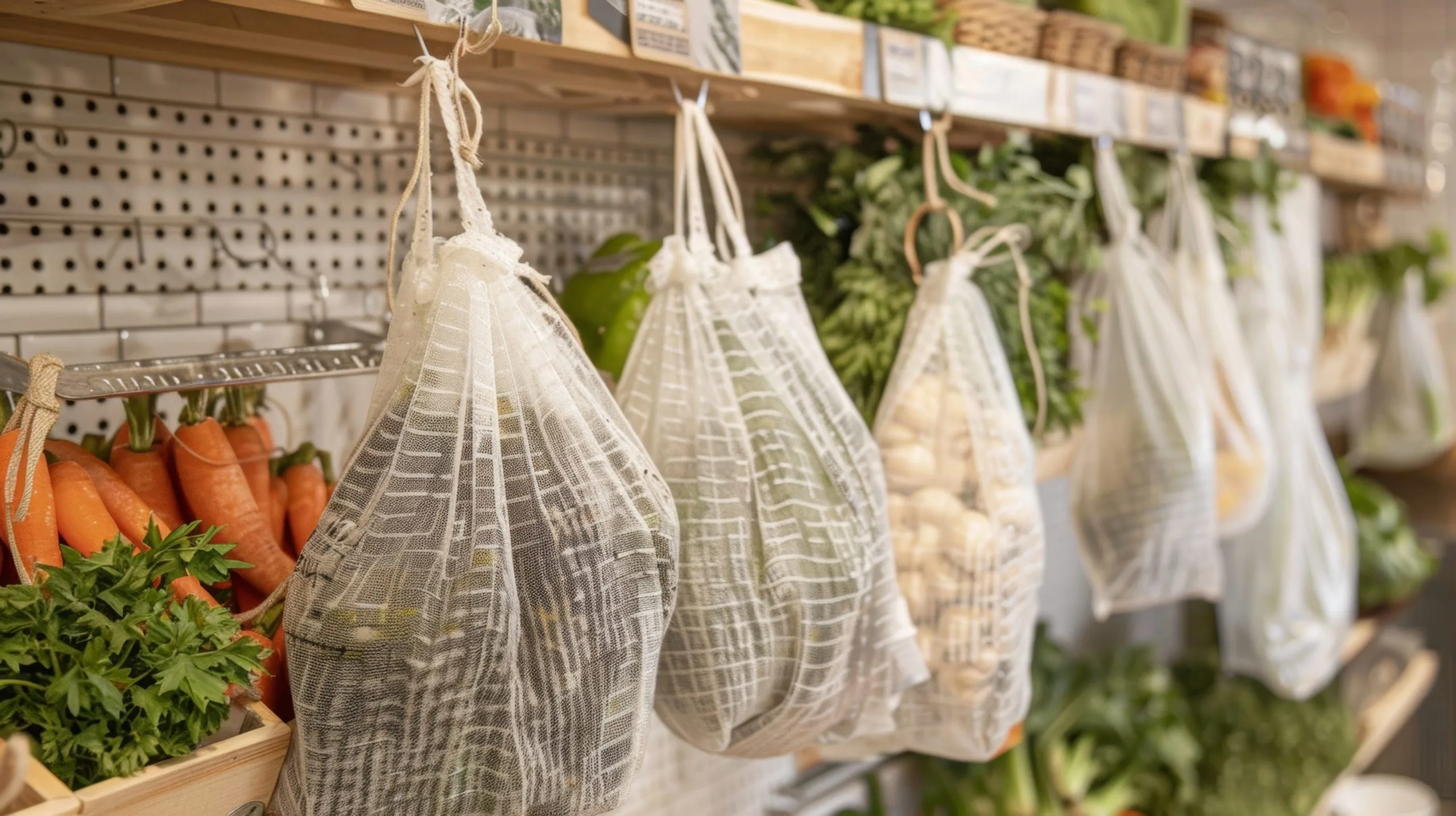
The USA zero waste grocery stores market is gaining momentum as consumers, retailers, and policymakers place stronger focus on reducing packaging waste, food waste, and single-use plastic consumption. Zero waste grocery stores encourage shoppers to buy products in bulk, bring reusable containers, choose refillable formats, and reduce unnecessary packaging. The global zero waste grocery stores market is estimated at around USD 290.90 billion in 2025 and is projected to reach USD 424.87 billion by 2030. In the USA, rising sustainability awareness, urban refill stores, local sourcing, and demand for low-waste lifestyles are supporting market growth.
Key market drivers are strengthening zero waste grocery store adoption in the USA
Consumer demand for sustainable shopping is reshaping grocery choices
American consumers are becoming more aware of the environmental impact of plastic packaging, food waste, and overconsumption. Many shoppers now look for grocery options that align with values such as sustainability, health, local sourcing, and ethical consumption. Zero waste grocery stores meet this demand by offering bulk grains, spices, personal care products, household cleaners, fresh produce, refill stations, and reusable packaging options. These stores also appeal to consumers who want more control over purchase quantities, helping reduce both packaging waste and household food waste. As sustainability becomes part of everyday shopping behavior, low-waste grocery formats are becoming more relevant.
Bulk buying and refill models are improving value and convenience
Bulk and refill-based retail formats are helping zero waste grocery stores attract practical, value-conscious shoppers. Customers can buy only the quantity they need, refill everyday products, and reduce reliance on single-use packaging. This model is especially useful for pantry staples, detergents, dry foods, oils, soaps, and personal care products. The broader zero waste packaging market was valued at around USD 231.95 billion in 2024 and is projected to reach USD 777.27 billion by 2035, showing strong momentum behind reusable, recyclable, and minimal-packaging solutions. Grocery retailers that make refill shopping simple and affordable can improve repeat purchases.
Digital engagement is helping niche stores reach wider audiences
Many zero waste grocery stores use social media, subscription models, online ordering, loyalty programs, and community workshops to educate consumers and build local customer bases. Digital visibility helps these stores explain refill systems, promote sustainable products, and reduce consumer hesitation.
Government initiatives and waste reduction policies are supporting market development
Government policies and local initiatives focused on plastic reduction, recycling, composting, food waste prevention, and circular economy practices are supporting the USA zero waste grocery stores market. Several states and cities have introduced restrictions on single-use plastic bags, packaging waste, and landfill disposal, encouraging retailers and consumers to adopt lower-waste alternatives. Broader sustainability goals, municipal composting programs, and food recovery initiatives also strengthen demand for responsible grocery models. These measures create a more supportive environment for refill stores, bulk retailers, and packaging-light grocery formats.
Competitive landscape is becoming more community led and sustainability focused
The USA zero waste grocery stores market includes independent refill shops, bulk food stores, organic grocers, co-ops, local markets, specialty sustainability retailers, and larger grocery chains testing low-waste formats. Competition is shaped by product assortment, affordability, store location, supplier partnerships, customer education, and trust in sustainability claims. Independent stores often compete through community engagement, local sourcing, and personalized service, while larger retailers benefit from scale and distribution reach. Refill stations, package-free aisles, compostable packaging, and reusable container programs are becoming key differentiators.
Market challenges continue to affect scalability and consumer adoption
Higher operating costs can limit price competitiveness
Zero waste grocery stores may face higher costs for sourcing, cleaning systems, refill infrastructure, staff training, and sustainable packaging alternatives. These costs can make pricing less competitive than conventional grocery formats.
Consumer habits require ongoing education
Many shoppers are still unfamiliar with tare weighing, reusable containers, refill systems, and bulk purchasing. Stores must invest in clear communication, simple layouts, and convenient processes to encourage repeat visits.
Future outlook
The future outlook for the USA zero waste grocery stores market remains positive, supported by sustainability awareness, refill retail innovation, packaging regulations, and consumer demand for responsible grocery options. Opportunities are expected across bulk foods, household refill products, personal care refills, compostable packaging, local sourcing, and hybrid online-offline shopping models. As the USA market is expected to grow at around 8.7% CAGR between 2025 and 2035, businesses that combine affordability, convenience, transparency, and strong community engagement will be better positioned for long-term growth.
Consultants at Nexdigm, in their latest publication “USA zero waste grocery stores market outlook to 2035,” analyze the sector By Store Format (Standalone Zero Waste Grocery Stores, Bulk and Refill Stores, Cooperative and Community-based Stores), By Product Category (Food and Beverages, Household Cleaning Products, Reusable Packaging and Storage Products)
Nexdigm suggests that businesses in the USA zero waste grocery stores market should focus on refill formats, bulk purchasing, reusable packaging, and local sourcing to align with sustainability-conscious consumers.
To take the next step, simply visit our Request a Consultation page and share your requirements with us.
Harsh Mittal
+91-8422857704