
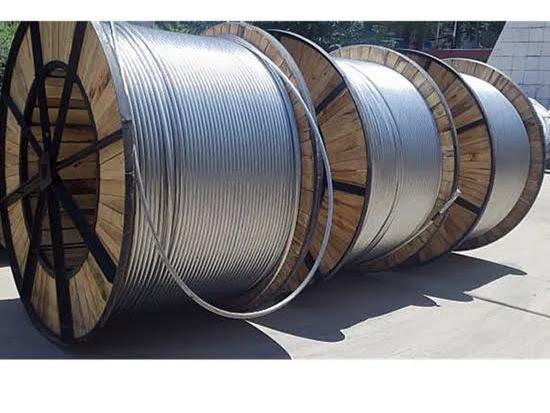
Vietnam’s aluminum alloy conductors industry is becoming increasingly important as the nation strengthens its power infrastructure to support rapid economic growth. Rising electricity consumption, expanding industrial zones, and growing renewable energy installations are creating strong demand for efficient transmission solutions. According to national energy projections, Vietnam’s electricity demand is expected to grow by approximately 8-10% annually, while Power Development Plan VIII targets significant expansion of the country’s transmission network. In this environment, aluminum alloy conductors are emerging as a preferred choice due to their durability, lightweight properties, and cost-effective performance.
Market Drivers Advancing the Vietnam’s Aluminum Alloy Conductors Industry
Power Grid Expansion Creating Strong Demand
Vietnam continues to invest heavily in transmission and distribution infrastructure to meet surging electricity needs. The country’s peak power demand has been increasing steadily, driven by urbanization and industrial development. To support this growth, utilities are expanding high-voltage transmission lines across key economic regions. Aluminum alloy conductors are increasingly selected for these projects because they offer high tensile strength, lower line losses, and improved corrosion resistance, making them ideal for long-distance power transmission.
Renewable Energy Integration Driving Conductor Adoption
Vietnam has established itself as one of Southeast Asia’s fastest-growing renewable energy markets. Large-scale solar and wind projects, particularly across central and southern provinces, require extensive transmission connectivity. As renewable capacity increases, grid operators are turning to aluminum alloy conductors to handle higher power loads efficiently. Their ability to withstand environmental stresses while maintaining performance makes them well suited for connecting renewable energy assets to the national grid.
Industrial Growth and Foreign Investment Supporting Market Expansion
Vietnam remains a major manufacturing destination for global companies in electronics, machinery, and automotive sectors. The country attracted billions of dollars in foreign direct investment, leading to continued expansion of industrial parks and production facilities. Every new factory, logistics hub, and industrial cluster increases the need for reliable electricity infrastructure. This sustained industrial development is generating long-term demand for aluminum alloy conductors across both transmission and distribution networks.
Government Initiatives Supporting the Vietnam’s Aluminum Alloy Conductors Industry
The Vietnamese government is actively modernizing its energy sector through Power Development Plan VIII, which prioritizes grid upgrades, transmission expansion, and renewable energy integration. The strategy includes major investments in high-voltage power networks and aims to ensure energy security while supporting economic growth. Government-backed infrastructure programs and private sector participation in energy projects are expected to create substantial opportunities for aluminum alloy conductor manufacturers and suppliers.
Competitive Landscape of Vietnam’s Aluminum Alloy Conductors Markets
The market features a combination of international cable leaders and regional manufacturers competing to supply utilities and infrastructure developers. Prominent participants include Prysmian Group, Nexans, LS Cable & System, and Southwire Company. Companies are focusing on product reliability, technological innovation, and compliance with international transmission standards. Strategic partnerships with utilities and participation in large infrastructure projects remain critical for strengthening market position.
Challenges Impacting Vietnam’s Aluminum Alloy Conductors Industry
Raw Material Price Volatility Impacting Manufacturers
Fluctuations in global aluminum prices continue to affect production costs and procurement planning. Manufacturers often face margin pressures when commodity prices rise sharply, making cost management a key challenge.
Capital-Intensive Transmission Projects Creating Delays
Large transmission infrastructure projects require significant financial investment and lengthy approval processes. Delays in project financing, land acquisition, and construction schedules can temporarily slow conductor demand and deployment activities.
Future Outlook
The long-term outlook for Vietnam’s aluminum alloy conductors industry remains highly positive. Continued growth in electricity demand, renewable energy integration, and industrial expansion will require substantial investments in transmission infrastructure. With power consumption projected to rise steadily and grid modernization remaining a national priority, demand for advanced conductor technologies is expected to strengthen. As Vietnam builds a more resilient and efficient electricity network, aluminum alloy conductors will play a central role in enabling reliable power delivery and supporting the country’s broader economic development ambitions.
Consultants at Nexdigm, in their latest publication “Vietnam Aluminum Alloy Conductors Market Outlook to 2035” analyze the sector By Utility End User Application (Urban Distribution Network Expansion and Rural Electrification Programs), By Installation Environment (Coastal Corrosion Resistant Areas and High-Altitude Mountainous Terrains) and By Manufacturer Presence (Privately Held Domestic Firms and Foreign Joint Venture Entities).
Nexdigm suggests that businesses in “Vietnam Aluminum Alloy Conductors Industry” focusses on oilfield, desalination, construction, and industrial applications, strengthen local warehousing, develop application-specific grades, improve technical support, and build resilient sourcing networks to serve expanding energy, water, and manufacturing demand.
To take the next step, simply visit our Request a Consultation page and share your requirements with us.
Harsh Mittal
+91-8422857704