
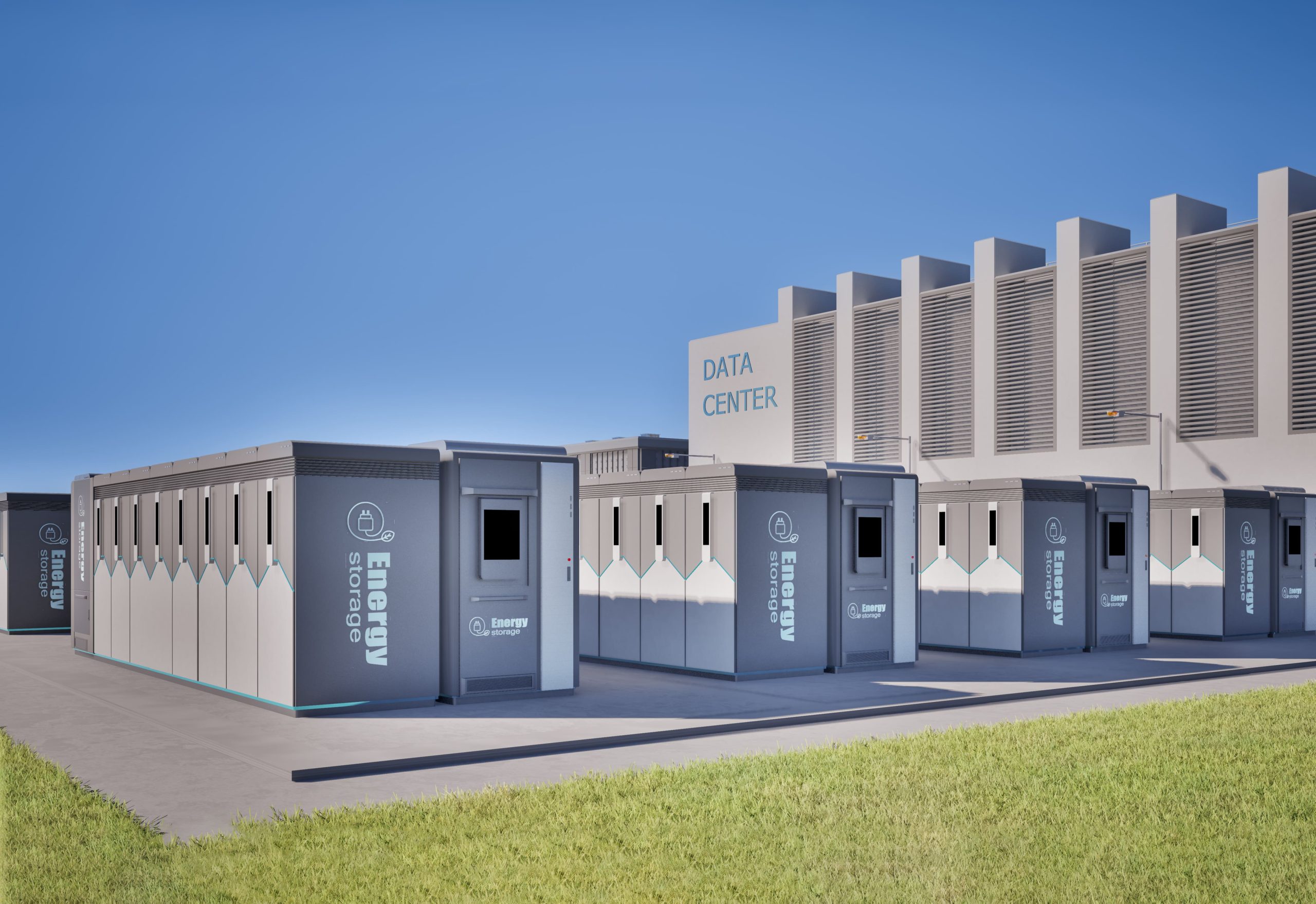
Vietnam’s electricity market is entering a more demanding phase. Over the last few years, the country moved quickly to add solar and wind, but the grid has not always been ready to absorb that power efficiently. That gap has pushed battery energy storage systems, or BESS, from a niche technology into a practical necessity. By 2026, storage in Vietnam is no longer just a pilot conversation among utilities and renewable developers. It is becoming part of a wider discussion around grid reliability, industrial power quality, and long-term energy planning. The opportunity is real, but so are the bottlenecks. Through 2035, the market is likely to reward players who understand both the technical side and the policy reality on the ground.
What’s Driving the Battery Energy Storage System Market in Vietnam?
Renewable Capacity Has Moved Faster Than Transmission Readiness
Vietnam’s solar buildout happened at remarkable speed, especially in high-radiation provinces where project development surged once feed-in tariffs created a clear incentive. The result looked impressive on paper, but the grid paid the price. In several areas, transmission capacity lagged behind generation additions, leaving operators with no easy option except curtailment during periods of oversupply. Battery storage offers a more practical fix than simply slowing renewable deployment. It allows excess daytime generation to be stored and dispatched later, when demand rises and the grid is under more pressure. In a market like Vietnam, where renewable ambitions remain high but transmission upgrades take time, storage fills an uncomfortable but necessary gap. It is not a perfect substitute for network investment, but it buys the system breathing room.
Factories Need Reliable Power, Not Just More Power
Vietnam’s manufacturing engine has become too important to run on unstable electricity. Electronics assembly, industrial processing, garment production, and export-focused operations all depend on steady power quality. Even short interruptions can translate into lost output, damaged equipment, or missed shipping schedules. For industrial users, that is not a technical inconvenience. It is a financial problem. This is one reason BESS is attracting attention beyond utility-scale projects. Industrial parks and large factories are looking at behind-the-meter storage paired with rooftop solar or grid-connected backup systems. In practice, these installations can help reduce peak demand charges, improve resilience, and support internal sustainability targets. There is also a commercial angle many buyers now care about: global supply chain partners increasingly want cleaner and more reliable production footprints from their vendors.
Battery Costs Are Improving While Domestic Supply Builds Up
The economics of storage are no longer as difficult as they were five or six years ago. Falling battery prices have made project economics easier to justify, especially for applications where energy reliability or peak management already carries a measurable cost. Vietnam is also gaining relevance as part of the broader battery manufacturing supply chain, which could make local procurement more viable over time. That said, lower hardware prices do not automatically create a healthy market. Developers still need confidence around financing, warranties, thermal performance, and long-term maintenance. On the ground, many investors remain cautious for good reason. A battery system may look attractive in a presentation, but if revenue streams are uncertain or replacement assumptions are unrealistic, the project can quickly lose its appeal.
Government-Led Initiatives Supporting Storage Deployment
Vietnam’s policy framework has started to reflect the realities of a modernizing power market. The revised Power Development Plan VIII has given battery storage a clearer place in future grid planning, which matters more than headline announcements alone. Once storage appears in official capacity planning, developers and lenders begin to take it more seriously. Recent progress around direct power purchase agreements and storage pricing frameworks has also helped move the conversation forward. These changes suggest that policymakers understand storage cannot scale without clearer commercial pathways. Still, regulation in Vietnam often looks cleaner on paper than in implementation. Investors will be watching execution closely.
Market Competition and Industry Landscape
The competitive landscape remains open, and that is usually a sign of an early-stage market. International battery suppliers, EPC contractors, renewable developers, and local industrial firms are all trying to secure a foothold. Utility-scale projects will likely favor larger, technically experienced players, while the commercial and industrial segment could become more fragmented. There is also a subtle shift happening in buyer behavior. Customers are becoming less interested in just buying equipment and more interested in performance-backed solutions. That distinction will matter as the market matures.
Project Monetization Still Needs More Clarity
The biggest challenge for Vietnam’s BESS market is not awareness or even technical capability. It is revenue certainty. Developers need clearer answers on how storage projects will consistently earn money, whether through peak shaving, ancillary services, renewable smoothing, or capacity support. A common challenge is that batteries create value in several ways at once, but power markets often fail to compensate all of them properly. Until that gap narrows, deployment may continue, but not as quickly as the country’s power transition would ideally require.
Future Outlook
Vietnam’s battery energy storage market has a solid long-term case, particularly as renewable penetration deepens and industrial electricity demand becomes more sophisticated. By 2035, storage is likely to become a normal part of utility planning, factory-level energy management, and hybrid renewable project design rather than a specialized add-on.
Consultants at Nexdigm, in their latest publication “Vietnam Battery Energy Storage System Market Outlook to 2035”, analyzed the market by Battery Type (Lithium-ion, Sodium-ion, Flow Batteries, Others), By Application (Utility-Scale, Commercial & Industrial, Renewable Integration, Backup Power, Grid Services), and By End User (Utilities, Industrial Facilities, Commercial Establishments, Renewable Energy Developers). Nexdigm believes businesses should focus on utility-linked projects, behind-the-meter industrial use cases, and local battery supply opportunities as Vietnam’s storage market takes shape.
To take the next step, simply visit our Request a Consultation page and share your requirements with us.
Harsh Mittal
+91-8422857704