
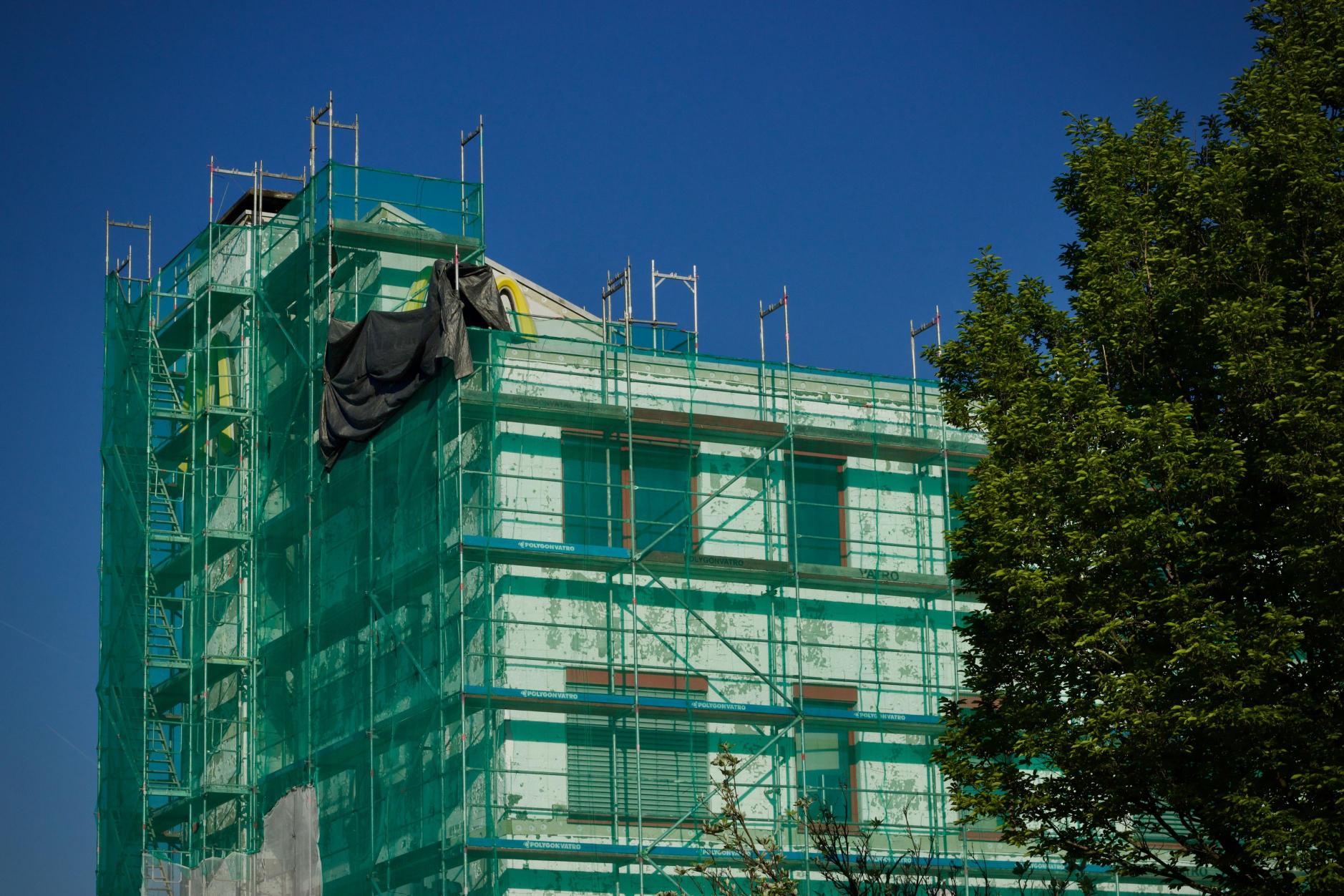
Vietnam’s building thermal insulation industry is experiencing steady expansion as developers increasingly prioritize energy-efficient and sustainable construction practices. Valued at approximately USD 1.24 billion, the industry is projected to grow at a 6.8% CAGR through 2035. Rapid urban development, rising commercial construction, and the adoption of green building standards are accelerating demand for thermal insulation materials. Products such as stone wool, glass wool, extruded polystyrene (XPS), and aerated concrete are becoming essential components in modern building envelopes designed to reduce cooling loads and improve energy performance.
Market Drivers Advancing Vietnam Building Thermal Insulation Growth
Rising Adoption of Green Building Standards
Vietnam is witnessing growing implementation of green building certifications, including the EDGE (Excellence in Design for Greater Efficiencies) standard promoted by the International Finance Corporation (IFC). Developers are increasingly incorporating thermal insulation solutions to meet energy-efficiency requirements and reduce operational costs. Improved building envelope performance can reduce cooling energy consumption by 20-30%, making insulation an attractive investment for commercial property developers and residential projects alike.
Expansion of Commercial and Urban Infrastructure
Rapid urbanization across Hanoi, Ho Chi Minh City, Da Nang, and emerging industrial centers continues to drive demand for modern construction materials. Office towers, mixed-use developments, industrial parks, and residential complexes require advanced thermal management solutions to enhance indoor comfort and energy savings. The country’s growing construction pipeline is creating significant opportunities for insulation manufacturers and suppliers.
Localization of Manufacturing Operations
Domestic manufacturers are increasing investments in local production facilities to reduce reliance on imported insulation materials. Industrial hubs such as Bac Ninh and Dong Nai have become critical centers for manufacturing and distribution. Localized production improves supply chain resilience, lowers transportation expenses, and enables manufacturers to respond more effectively to rising demand from construction and infrastructure projects across Vietnam.
Government Initiatives Supporting Vietnam Building Thermal Insulation Sector
The Vietnamese government is strengthening energy-efficiency regulations within the construction sector. The Ministry of Construction’s Vietnam Building Code QCVN 09:2023 has introduced stricter requirements for thermal performance in commercial and residential buildings. These standards encourage the adoption of advanced insulation technologies that reduce energy consumption and support Vietnam’s objective of achieving carbon neutrality by 2050. Such regulatory measures are creating favorable conditions for long-term industry growth.
Competitive Landscape of Vietnam Building Thermal Insulation Industry
The industry consists of both domestic and international participants competing through product innovation, manufacturing expansion, and distribution of network development. Key companies include Viglacera Corporation, Rockwool, Saint-Gobain, Kingspan Group, and Knauf Insulation. Market participants are focusing on sustainable and high-performance insulation materials that offer superior thermal resistance, durability, and fire safety. Strategic investments in local production capabilities remain a key competitive differentiator.
Challenges Impacting Vietnam Building Thermal Insulation Industry
Dependence on Imported Raw Materials
Despite increasing local production, some insulation manufacturers continue to depend on imported raw materials and specialized products. Price volatility and supply chain disruptions can affect production costs and profitability across the sector.
Limited Awareness Among Smaller Developers
While large commercial projects increasingly adopt thermal insulation solutions, awareness remains relatively lower among smaller contractors and residential developers. This can slow adoption rates, particularly outside major urban centers where energy-efficiency standards may be less rigorously implemented.
Future Outlook
Strong Demand from Sustainable Construction Projects
Vietnam’s transition toward green buildings and energy-efficient infrastructure is expected to generate substantial opportunities for insulation manufacturers. Increasing adoption of environmentally responsible building practices will continue to strengthen demand across commercial, industrial, and residential projects.
Regulatory Support Driving Industry Expansion
Enhanced building efficiency regulations, carbon reduction commitments, and investments in modern construction technologies are expected to support long-term industry growth. As local manufacturing capacity expands and awareness of energy-efficient construction increases, Vietnam’s building thermal insulation sector is well-positioned for sustained development over the coming decade.
Consultants at Nexdigm, in their latest publication “Vietnam Building Thermal Insulation Market Outlook to 2035 ,” analyze the sector By (Defining Vietnamese Construction Parameters, Bottom-Up Market Sizing Approach, Top-Down Macro-Economic Data Validation, Primary Stakeholder Interview Cycles,).
Nexdigm suggests that businesses in the Vietnam Building Thermal Insulation Industry focus on supplying high-performance and sustainable insulation solutions that align with green building standards, energy-efficiency regulations, and growing demand from commercial, industrial, and cold storage construction projects.
To take the next step, simply visit our Request a Consultation page and share your requirements with us.
Harsh Mittal
+91-8422857704