
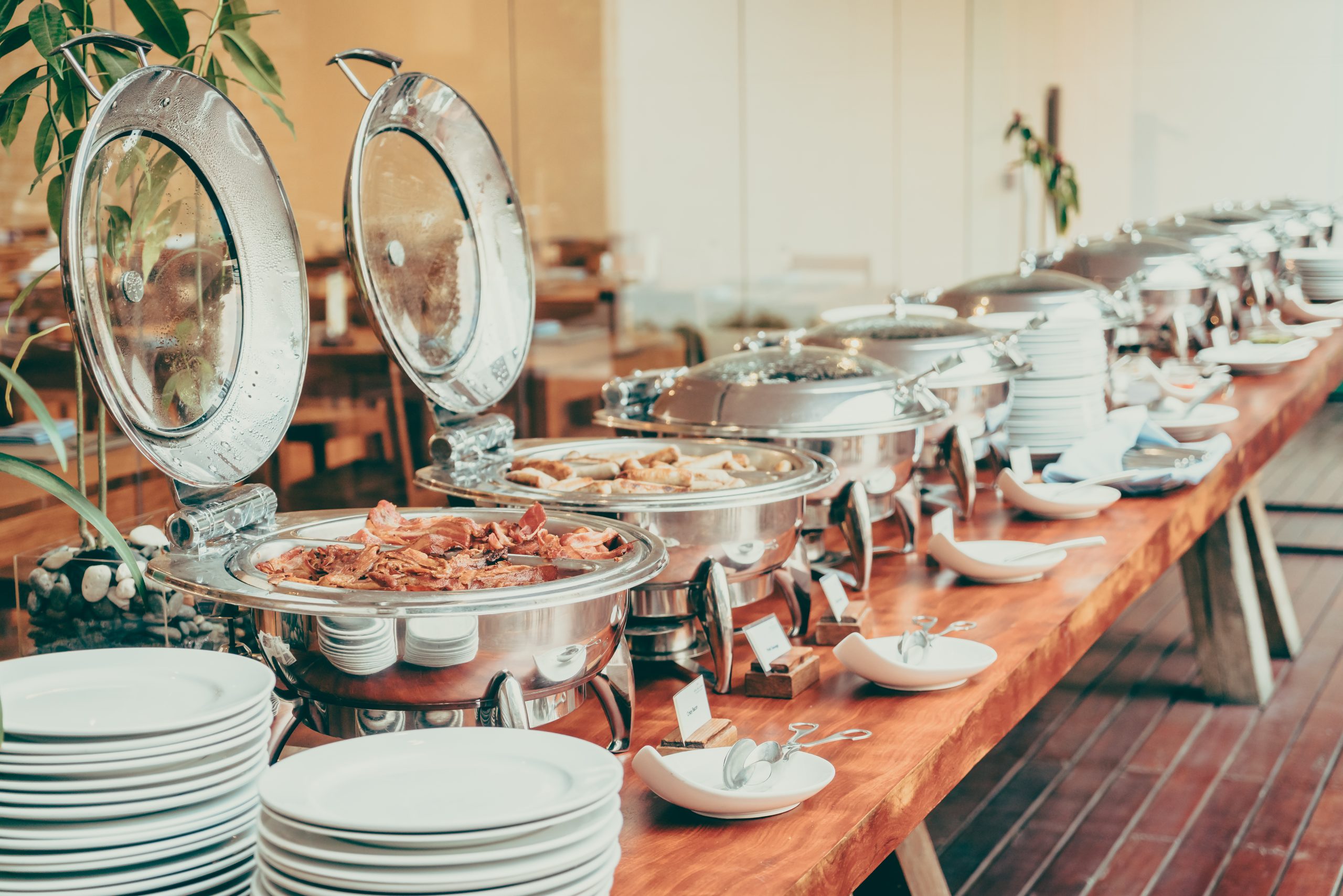
Vietnam’s catering market is entering a new growth phase, supported by rising urban consumption, recovery in international tourism, and expanding corporate foodservice demand. As of 2024, Vietnam’s foodservice market revenue crossed USD 24 billion, reflecting strong recovery in dine-out, institutional catering, and event-based food services after pandemic-related disruptions. The return of foreign tourists and growth in domestic travel further strengthened catering volumes in 2025, with tourism receipts rebounding by over 35% compared to 2022 levels. By 2026, catering operators are seeing steady contract wins from industrial parks, offices, schools, hospitals, and large-scale events across major cities such as Ho Chi Minh City, Hanoi, Da Nang, and Binh Duong.
What’s Driving the Catering Market in Vietnam?
Urbanization and Changing Food Habits
Vietnam’s urban population crossed 39% in 2024, up from around 30% in 2010. This structural shift is reshaping food consumption patterns, with more working professionals relying on office catering, ready-to-eat meals, and organized foodservice providers. Growth in business districts and industrial clusters has led to rising demand for daily meal contracts for factory workers and corporate employees. Catering firms are increasingly offering standardized menus, calorie-counted meals, and flexible pricing to serve both blue-collar and white-collar segments.
Tourism Recovery and Hospitality Expansion
International tourist arrivals to Vietnam exceeded 12.6 million in 2023 and continued to recover through 2025, supported by relaxed visa policies and expanded air connectivity. Hotels, resorts, convention centers, and event venues are scaling up outsourced catering to manage variable demand during peak travel seasons. The growth of destination weddings, MICE events, and beach tourism in Da Nang, Nha Trang, and Phu Quoc is translating into higher volumes for premium catering services, particularly for large-format banquets and outdoor events.
Industrial Parks and Workforce Catering
Vietnam hosts over 400 industrial parks and export processing zones, employing millions of workers. Multinational manufacturers in electronics, textiles, and automotive components increasingly outsource employee meals to specialized catering providers to meet food safety standards and ESG commitments. Demand is rising for central kitchen models that can serve 5,000–50,000 meals per day, creating scale advantages for large caterers.
Government-Led Initiatives and Food Safety Regulations
Vietnam’s tightening food safety and hygiene regulations are pushing institutions to formalize catering contracts. The Ministry of Health has strengthened inspections under the Law on Food Safety, with higher penalties for non-compliance in industrial kitchens and school canteens. At the same time, provincial governments are promoting centralized kitchens for schools and hospitals to improve nutritional standards and traceability. These regulatory upgrades are accelerating the shift from informal meal providers to organized catering companies with certified kitchens and standardized procurement processes.
Market Competition and Operating Landscape
The Vietnam catering market remains fragmented, with a mix of local operators, hospitality-linked caterers, and multinational foodservice companies serving corporate and institutional clients. Large players benefit from central kitchens, long-term contracts with factories and schools, and cold-chain partnerships. Smaller regional caterers compete on pricing and localized menus. Digital ordering platforms and B2B foodtech solutions are gradually improving route planning, demand forecasting, and procurement efficiency, especially in urban clusters.
Cost Volatility and Supply Chain Pressure
Catering operators face margin pressure from fluctuating food prices and rising labor costs. Vietnam’s food inflation has moderated since 2023 but remains sensitive to global commodity movements. Maintaining stable pricing for long-term contracts while ensuring food quality remains a core operational challenge, particularly for workforce catering in price-sensitive industrial zones.
Future Outlook
Vietnam’s catering market is expected to grow steadily through 2035, supported by urban workforce expansion, hospitality growth, and institutional outsourcing. By 2035, organized catering is likely to account for a significantly larger share of meals served in factories, schools, and hospitals, driven by food safety compliance and economies of scale. Central kitchens, nutrition-focused menus, and tech-enabled operations will shape competitive advantage.
Consultants at Nexdigm, in their latest publication “Vietnam Catering Market Outlook to 2035”, analyzed the market by Service Type (Corporate Catering, Institutional Catering, Event Catering, Airline & Travel Catering), By End User (Factories, Offices, Schools, Hospitals, Hospitality), and By Delivery Model (On-site Kitchens, Central Kitchens, Hybrid Models). Nexdigm believes that businesses should prioritize central kitchen scale-up, long-term institutional contracts, and digital procurement systems, while building strong compliance and food safety capabilities to capture sustainable growth in Vietnam’s catering sector.
To take the next step, simply visit our Request a Consultation page and share your requirements with us.
Harsh Mittal
+91-8422857704