
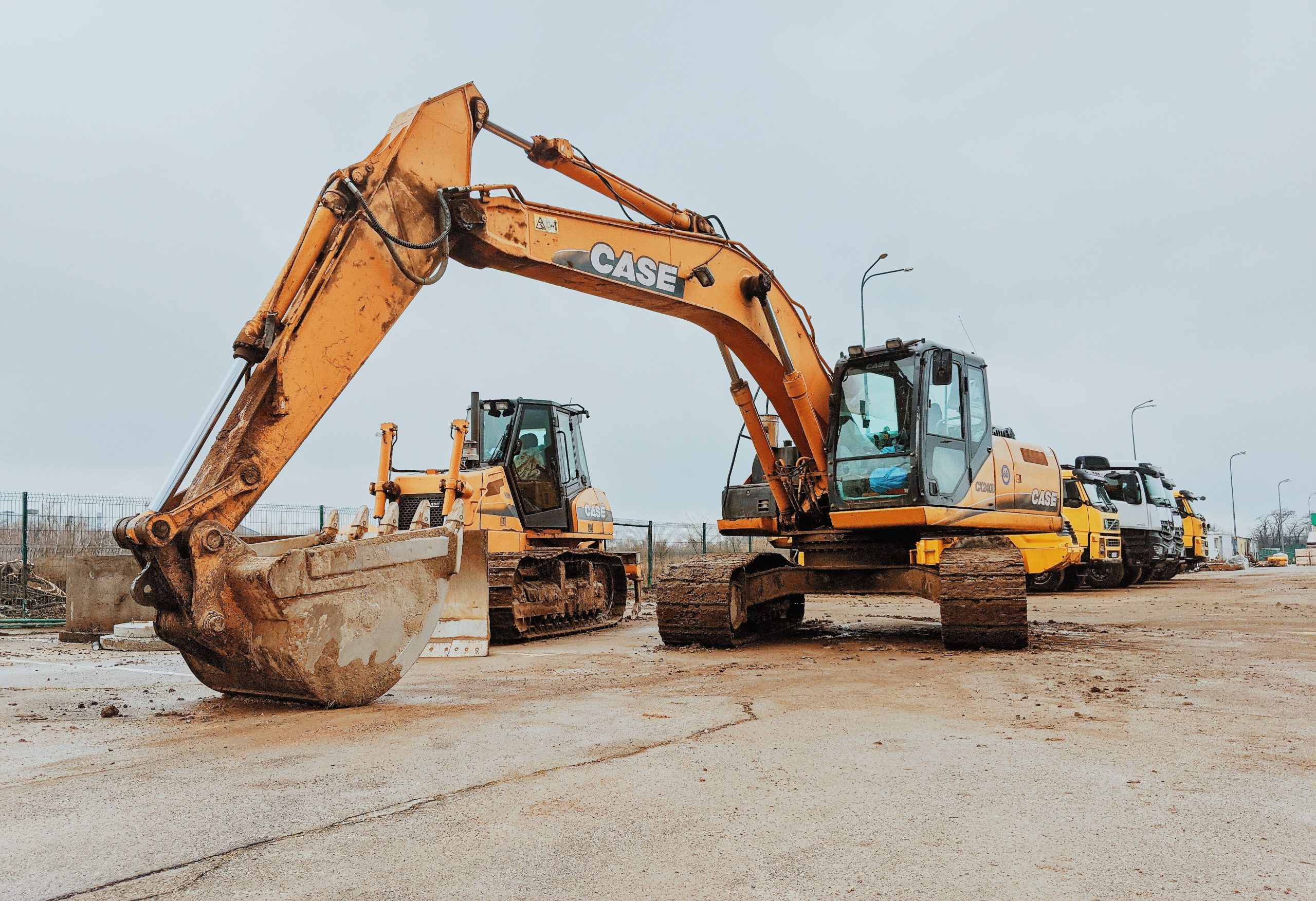
Vietnam construction equipment market is experiencing steady growth, supported by large-scale infrastructure development, rapid urbanization, and expanding industrial investments. The market is valued at USD 2.45 billion and is projected to reach approximately USD 4.75 billion, growing at a CAGR of around 6.8%. Rising demand for excavators, loaders, cranes, and material-handling equipment is being driven by transportation projects, industrial parks, and commercial developments. As contractors increasingly prioritize efficiency, sustainability, and regulatory compliance, modern construction equipment is becoming essential to supporting Vietnam’s long-term economic and infrastructure ambitions.
Market Drivers Advancing the Vietnam Construction Equipment Growth
Infrastructure Megaprojects Fuel Equipment Demand
Vietnam’s ongoing investment in roads, airports, bridges, and ports is generating substantial demand for construction machinery. Projects such as the Long Thanh International Airport development and nationwide expressway expansion require extensive excavation, earthmoving, and lifting activities. As a result, contractors are increasing purchases and rentals of heavy equipment to meet project timelines. The continuous expansion of logistics hubs and transportation networks is expected to remain a major demand catalyst throughout the forecast period.
Urbanization and Industrial Growth Strengthen Construction Activity
Rapid urban population growth is increasing the need for residential complexes, commercial buildings, and public infrastructure. Major cities including Ho Chi Minh City, Hanoi, and Hai Phong are witnessing ongoing construction activity to accommodate growing populations and business expansion. Simultaneously, the rise of industrial parks and manufacturing facilities is creating additional demand for heavy machinery. Vietnam’s position as a manufacturing destination continues to attract investments that support warehouse, factory, and logistics infrastructure development.
Adoption of Advanced and Sustainable Equipment
Contractors are increasingly investing in technologically advanced equipment featuring GPS tracking, telematics, automation capabilities, and fuel-efficient engines. The growing focus on operational efficiency and reduced downtime is encouraging fleet modernization across the industry. Additionally, stricter environmental regulations are promoting the adoption of lower-emission machinery, helping companies align with sustainability goals while improving project productivity.
Government Initiatives Supporting Vietnam Construction Equipment Industry
The Vietnamese government continues to prioritize infrastructure development through public investment programs and national development strategies. Funding for transportation corridors, airports, industrial zones, and urban infrastructure has created favorable conditions for construction activity. Additionally, initiatives supporting green growth and stricter emission standards encourage contractors to replace older equipment with modern, fuel-efficient machinery. These measures contribute to long-term market expansion and technological advancement within the sector.
Competitive Landscape of India Construction Equipment Sector
The market includes a mix of international and regional equipment manufacturers competing through product innovation, service quality, and dealer network expansion. Leading companies such as Komatsu, Caterpillar, Doosan, Hitachi Construction Machinery, Volvo Construction Equipment, and Hyundai Construction Equipment maintain a strong presence. Many players are strengthening local partnerships, expanding after-sales support, and increasing localization efforts to better serve Vietnam’s growing customer base.
Challenges Impacting Vietnam Construction Equipment Industry
High Equipment Acquisition Costs
Advanced construction equipment requires significant upfront investment, creating affordability challenges for small and medium-sized contractors. Rising financing costs may further impact purchasing decisions and slow fleet expansion efforts.
Regulatory and Operational Constraints
Manufacturers and contractors must adapt to stricter environmental regulations and evolving emission standards. Additionally, skilled operator shortages, maintenance requirements, and supply chain disruptions can affect project efficiency and increase operating costs across the industry.
Future Outlook
The future of Vietnam’s construction equipment market is expected to maintain strong momentum as infrastructure spending, urban development, and industrial expansion continue to accelerate. Growing adoption of connected machinery, automation technologies, and fuel-efficient equipment will shape the industry’s future. The market’s projected growth from USD 2.45 billion to nearly USD 4.75 billion highlights substantial opportunities for manufacturers, distributors, and rental service providers. Companies focusing on innovation, localization, sustainability, and customer Vietnam Construction Equipment Market Outlook to 2035 support will be well-positioned to capitalize on evolving market demands and strengthen their competitive advantage.
Consultants at Nexdigm, in their latest publication “Vietnam Construction Equipment Market Outlook to 2035 ,” analyze the sector By (Defining Market Equipment Taxonomy, Top-down Macroeconomic Correlation Analysis, Bottom-up Dealer Sales Aggregation, Government Infrastructure Expenditure Audit, Supply Chain Constraint Assessment, Primary Field Interviews with Contractors,).
Nexdigm suggests that businesses in the Vietnam Construction Equipment Industry focus on opportunities arising from expanding transportation infrastructure, industrial corridor development, and rising construction activity. Increasing demand for modern, fuel-efficient equipment is expected to support long-term market growth and investment potential.
To take the next step, simply visit our Request a Consultation page and share your requirements with us.
Harsh Mittal
+91-8422857704