
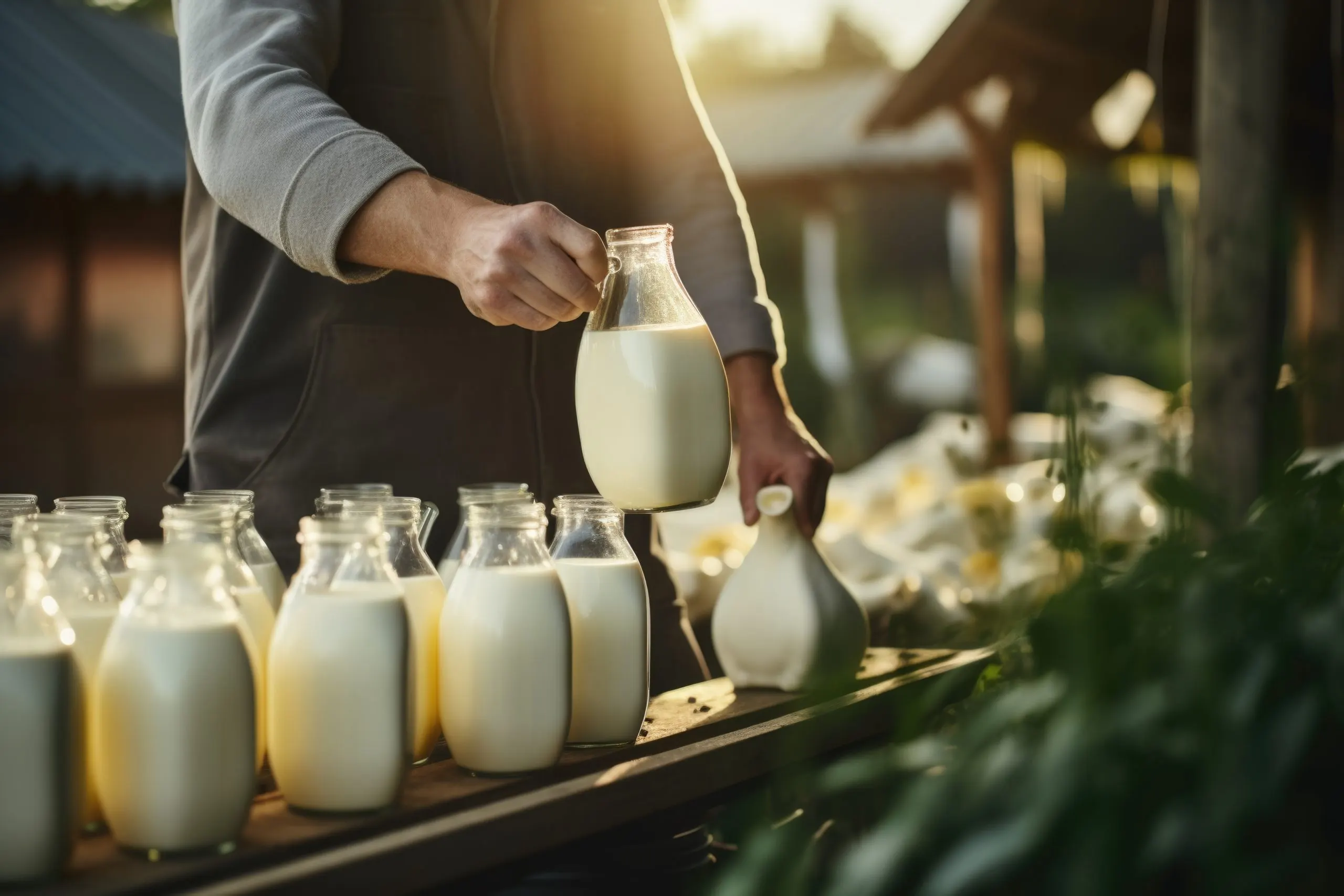
The Vietnam dairy alternatives market is gaining momentum as consumers become more interested in plant-based, lactose-free, vegan, and clean-label food choices. The market is estimated at around USD 148.7 million and is projected to reach USD 311.8 million, supported by health awareness, rising disposable incomes, and wider modern retail access. Products such as soy milk, coconut milk, oat drinks, almond beverages, dairy-free desserts, and plant-based yogurts are becoming more visible. While traditional dairy remains important, alternatives are increasingly finding space in urban households, cafés, supermarkets, and online platforms.
Key Drivers Accelerating the Vietnam dairy alternatives market
Consumers Are Looking for Healthier and Digestive-Friendly Options
Health-conscious consumers in Vietnam are increasingly exploring dairy alternatives due to lactose sensitivity, digestive comfort, vegan preferences, and interest in lighter nutrition. Soy milk is already familiar to many Vietnamese consumers, while oat, almond, and coconut-based drinks are gaining attention among younger urban buyers. Plant-based beverages are also being used in smoothies, coffee, breakfast meals, and convenient on-the-go consumption. Fortified products with calcium, vitamins, and protein can help improve consumer confidence and support wider adoption.
Urban Retail and Café Culture Are Increasing Product Visibility
Modern retail expansion is helping dairy alternatives reach more consumers across supermarkets, convenience stores, cafés, and e-commerce platforms. Vietnam’s milk alternatives market is projected to reach around USD 255.1 million, indicating strong demand potential. Café chains and specialty beverage outlets are also helping normalize plant-based options, especially oat and almond milk used in coffee and tea-based drinks. Online grocery platforms are making niche and imported dairy alternative brands more accessible.
Product Innovation Is Expanding Beyond Soy-Based Choices
The market is moving beyond traditional soy products as brands introduce oat milk, almond milk, coconut-based drinks, dairy-free yogurts, plant-based desserts, and clean-label beverages. Oat milk is expected to grow strongly, with estimates indicating around 18.5% CAGR. Better taste, smoother texture, convenient packaging, and local flavor adaptation will be important for building repeat purchases.
Government Support Is Strengthening Food Safety and Sustainable Food Innovation
Government support is mainly linked to food safety, nutrition labelling, sustainable agriculture, and food processing development. Vietnam’s regulatory environment encourages clearer product information, quality compliance, and safer packaged food supply chains. Broader support for agri-food modernization, domestic processing, and healthier food choices can indirectly benefit dairy alternative brands. As sustainability and nutrition become more important for consumers and policymakers, plant-based food innovation may find stronger support across retail and food manufacturing.
Brands Are Competing Through Taste, Nutrition, and Retail Access
The Vietnam dairy alternatives market includes local soy beverage producers, international plant-based brands, food and beverage companies, private-label players, and emerging health-focused start-ups. Competition is shaped by taste, price, nutrition claims, packaging, distribution reach, and product familiarity. Soy remains widely accepted, while oat, almond, and coconut-based products are building premium appeal. Brands that offer affordable pricing, familiar flavors, strong shelf visibility, and clear health positioning are better placed to capture mainstream consumers.
Pricing and Product Familiarity Remain Key Barriers
Higher Prices Can Limit Wider Adoption
Premium dairy alternatives, especially imported oat and almond products, often cost more than conventional dairy and traditional soy drinks. This can restrict adoption among price-sensitive consumers and limit repeat purchases outside major urban centres.
Taste and Nutrition Expectations Need Stronger Communication
Some consumers remain unsure about taste, texture, protein content, sugar levels, and product performance in coffee, tea, and cooking. Clear nutrition messaging, better formulations, and sampling-led marketing can help reduce hesitation.
Future Outlook
The Vietnam dairy alternatives market is expected to grow steadily as plant-based products become more affordable, better tasting, and easier to find. Future opportunities will likely emerge in oat drinks, fortified soy beverages, coconut-based products, dairy-free yogurts, plant-based desserts, and ready-to-drink formats. Modern retail, cafés, online grocery platforms, and health-focused brands will remain important demand channels. Companies that combine local taste preferences, nutritional value, competitive pricing, and convenient packaging are likely to capture stronger long-term growth in Vietnam’s dairy alternatives market.
Consultants at Nexdigm, in their latest publication “Vietnam dairy alternatives market Outlook 2035,” analyze the sector By Product Type (Shelf Presence, SKU Penetration, Household Adoption Rate), By Source Type (Protein Content, Processing Efficiency, Nutritional Profile)
Nexdigm suggests that businesses should prioritize affordable plant-based formulations, localized flavors, strong nutrition positioning, and wider retail and café partnerships to capture growth in Vietnam’s dairy alternatives market.
To take the next step, simply visit our Request a Consultation page and share your requirements with us.
Harsh Mittal
+91-8422857704