
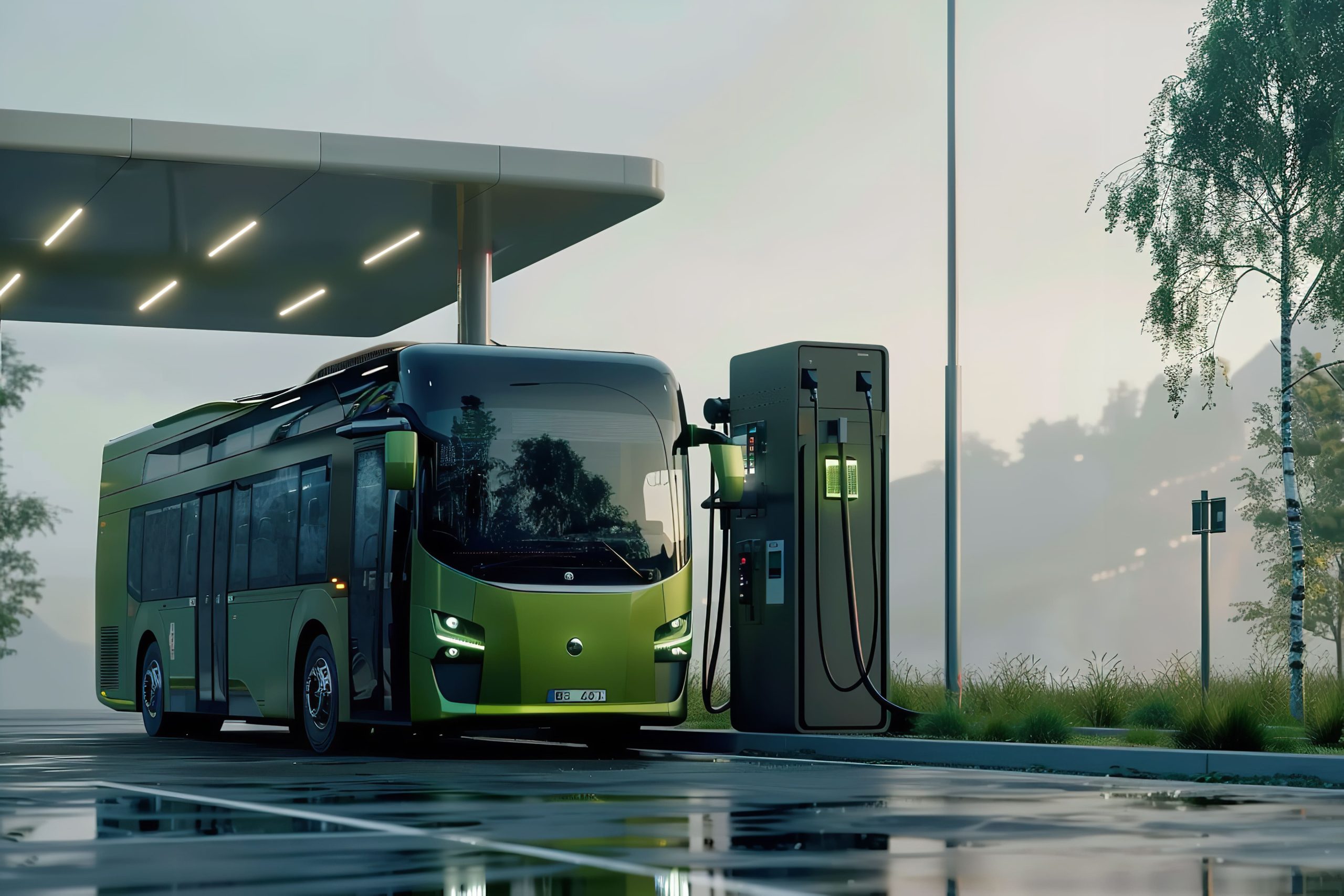
Vietnam’s urban mobility sector has moved into a more serious phase of electrification. What looked like a pilot-led experiment just a few years ago has started turning into a visible part of public transport planning, especially in Hanoi and Ho Chi Minh City. By 2026, electric buses are no longer being treated as a symbolic green initiative. They are increasingly seen as a practical answer to pollution, noise, and the poor commuter experience associated with older diesel fleets. The bigger story here is not just about replacing buses. It is about how Vietnamese cities are rethinking public transport at a time when private vehicle dependence remains high and congestion is getting harder to manage.
What’s Driving the Electric Bus Market in Vietnam?
Pressure to Clean Up Urban Transport
For most commuters in Vietnam’s large cities, traffic and air pollution are part of everyday life. Electric buses offer a visible improvement on both fronts. They are quieter, cleaner at the tailpipe, and noticeably more comfortable than many conventional buses still operating today. This matters more than it sounds. Public transport adoption often depends on user perception as much as infrastructure. A commuter switching from a motorbike to a bus is more likely to stay if the ride feels modern, predictable, and less exhausting. In that sense, electric buses are helping cities improve not only emissions profiles but also the image of public transport itself.
Charging Networks Are Catching Up
One reason electric bus deployment often stalls in emerging markets is simple – charging infrastructure arrives too late. Vietnam has managed this transition more effectively than many expected. Depot charging facilities are being rolled out alongside fleet additions, and operators are learning how to schedule routes around battery cycles rather than trying to retrofit the system later. That said, infrastructure is still uneven. Core urban corridors are getting the most attention, while outer districts and secondary cities remain underprepared. In practice, this means the market may grow in clusters rather than evenly nationwide. Still, compared with where the market stood in 2022 or 2023, the progress is meaningful.
Local Manufacturing Gives Vietnam an Edge
Vietnam is not entering the electric bus space as a pure importer. That makes a real difference. Local manufacturing capability has allowed bus deployment to move faster, while maintenance and replacement parts are easier to manage than in markets dependent on overseas suppliers. This also gives operators more confidence when making fleet transition decisions. There is another advantage here that often gets overlooked: localization helps keep policy and industrial goals aligned. When governments support cleaner buses and local firms benefit from procurement, the incentives become more practical and politically sustainable. It is a stronger setup than relying entirely on imported units.
Government-Led Initiatives Supporting Adoption
The public sector has played a decisive role in shaping demand. In Vietnam, electric bus adoption is closely tied to city transport planning rather than just private fleet experimentation. Hanoi has already outlined plans to expand the use of electric and green-energy buses across its network, while Ho Chi Minh City has gradually added cleaner vehicles to selected routes. This matters because public transport markets rarely scale on enthusiasm alone. They need tenders, route approvals, depot planning, and budget alignment. Vietnam’s city-led approach may look slower from the outside, but it is more durable than short-lived pilot programs that never move beyond the press release stage.
Market Competition
At this stage, the competitive landscape remains fairly concentrated. Early movers have gained a meaningful lead by doing more than just supplying buses. They have also built charging support, operational know-how, and relationships with city authorities. That combination creates a high entry barrier for new participants. Still, this concentration may not last forever. As route electrification expands and procurement volumes rise, international manufacturers and regional bus suppliers could begin testing the market more aggressively. If that happens, pricing, financing, and after-sales support will become just as important as vehicle specifications.
High Upfront Cost and Fleet Transition Complexity
The biggest obstacle is financial, not conceptual. Electric buses cost more upfront than diesel alternatives, and that remains a difficult equation for many operators. While lower fuel and maintenance expenses can improve long-term economics, transport operators still need capital at the start – and that is often where projects slow down. A common challenge is that fleet transition also demands operational changes. Drivers need training, depots need upgrades, and route scheduling has to account for charging windows. None of these issues are impossible to solve, but they do make the transition more demanding than simply replacing one diesel bus with another.
Future Outlook
Vietnam’s electric bus market has room to develop into one of Southeast Asia’s more credible urban transport electrification stories. By 2035, the share of electric buses in major city fleets should be materially higher, especially in routes where commuter density and air quality concerns are most acute. The more interesting shift may happen behind the scenes. Financing models are likely to mature, fleet operations will become more standardized, and charging deployment should gradually extend beyond flagship corridors. The market will still face practical constraints, but the direction is fairly clear. Vietnam may not move fastest in every category of electric mobility, yet in public buses, it has a realistic chance to build a model that other emerging urban markets will pay attention to.
Consultants at Nexdigm, in their latest publication “Vietnam Electric Bus Market Outlook to 2035”, analyzed the market by Bus Type (Battery Electric Bus, Plug-in Hybrid Bus), By Battery Capacity (Below 250 kWh, 250–400 kWh, Above 400 kWh), By Application (Urban Public Transport, Airport Shuttle, Institutional Transport), and By Charging Infrastructure (Depot Charging, Opportunity Charging). Nexdigm believes that businesses should prioritize long-term service contracts, reliable charging infrastructure, and strong partnerships with municipal transport authorities, while leveraging integrated fleet management and battery optimization as key growth levers in the electric bus market.
To take the next step, simply visit our Request a Consultation page and share your requirements with us.
Harsh Mittal
+91-8422857704