
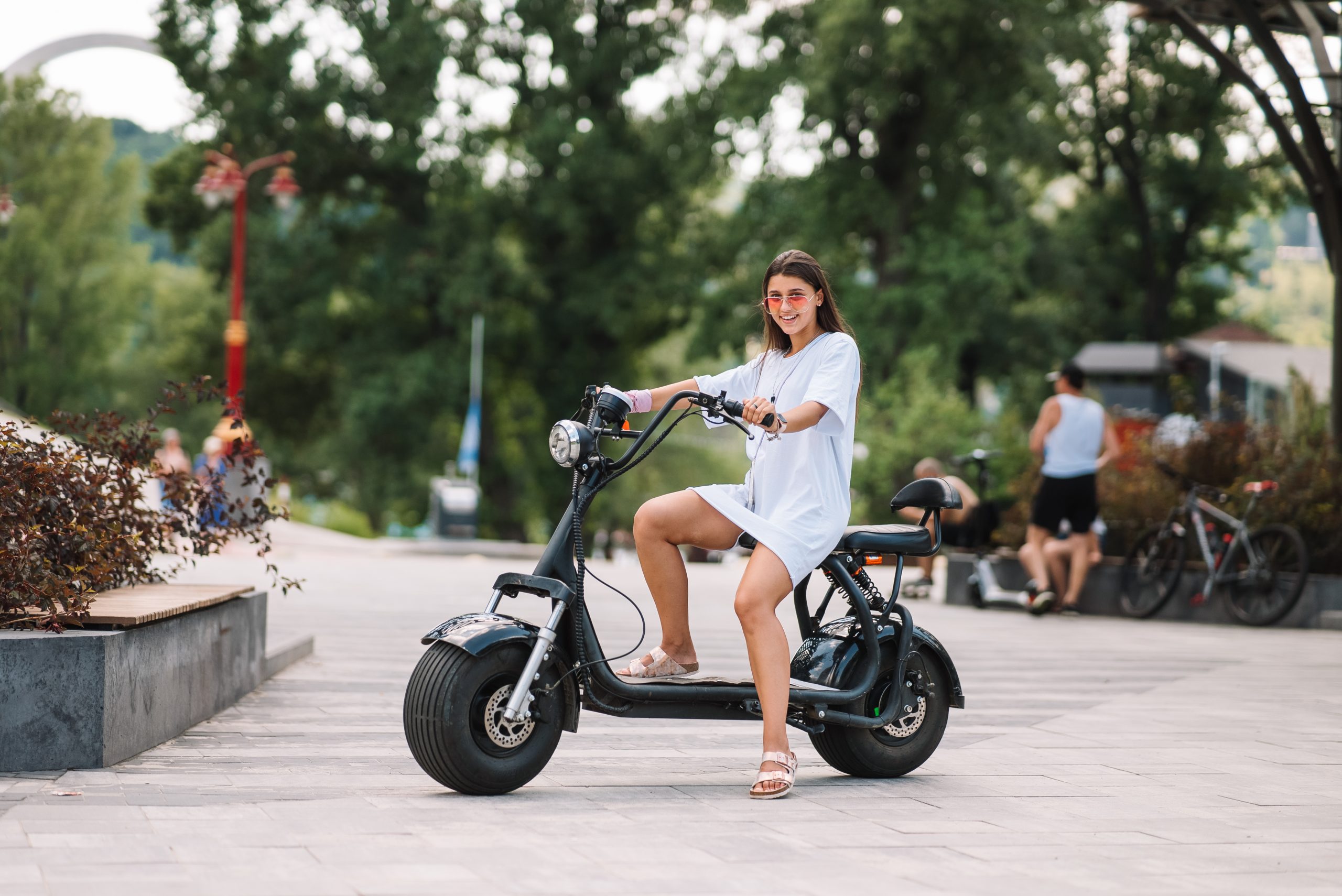
Vietnam’s electric two-wheeler battery market is gaining momentum as the country accelerates its transition towards sustainable transportation. Rising electric scooter adoption, increasing urbanization, environmental concerns and supportive government policies are creating demand for efficient and reliable battery solutions. Batteries play a crucial role in determining vehicle affordability, driving range, charging time and overall performance. While lead-acid batteries have historically dominated the market, lithium-ion technologies are gaining traction due to their higher energy density, lighter weight and longer lifespan. Growing domestic EV manufacturing is further strengthening the market’s long-term potential.
Key Market Drivers Affecting Vietnam Electric Two-Wheeler Battery Industry
Rising Electric Two-Wheeler Sales Accelerate Battery Demand Across Vietnam
Vietnam represents one of the most promising electric two-wheeler markets in Southeast Asia, supported by its extensive motorcycle ownership base and growing preference for affordable urban mobility. According to the World Bank, electric two-wheelers accounted for approximately 12% of annual two-wheeler sales in 2022, with around 408,000 units sold. The country’s electric two-wheeler market could capture 42–56% of total two-wheeler sales by 2035, depending on policy implementation. This transition is expected to generate substantial demand for battery packs, replacement batteries and battery management systems.
Lithium-Ion Battery Advancements Improve Energy Efficiency and Vehicle Performance
The transition from conventional lead-acid batteries towards lithium-ion solutions is creating new growth opportunities. Lithium-ion batteries offer higher energy density, reduced weight, improved charging efficiency and longer operational life. LFP batteries are gaining attention because of their thermal stability, safety and durability, while NMC batteries offer higher energy density for performance-oriented electric motorcycles. Battery manufacturers are also investing in advanced battery management systems, thermal management technologies and improved cell designs to enhance battery reliability and vehicle performance.
Commercial EV Expansion and Battery Swapping Create New Market Opportunities
The expansion of e-commerce, food delivery and ride-hailing services is increasing demand for electric two-wheelers in commercial applications. Fleet operators are adopting electric motorcycles to reduce fuel expenditure and operating costs. Battery swapping is also emerging as an attractive solution, enabling commercial users to replace depleted batteries quickly rather than waiting for conventional charging. Companies such as Selex Motors are developing battery-swapping ecosystems, creating additional opportunities for battery manufacturers, pack suppliers and charging infrastructure providers.
Government Support Towards Vietnam Electric Two-Wheeler Battery Industry
Vietnam is promoting electric mobility through Decision No. 876/QD-TTg (2022), which establishes a roadmap for transitioning towards green energy in transportation. The policy encourages electric vehicle manufacturing, adoption and charging infrastructure development. It also aims to gradually phase out the production and import of fossil-fuel-powered motorcycles and mopeds for domestic use by 2040, with a broader target of transitioning all road motor vehicles towards electricity and green energy by 2050. These measures are expected to encourage battery manufacturing and investment.
Competitive Landscape of Vietnam Electric Two-Wheeler Battery Industry
Vietnam’s electric two-wheeler battery market features domestic manufacturers, international battery suppliers and emerging mobility technology companies. Key participants include VinFast, Selex Motors, Dat Bike, Pega, YADEA, CATL and Gotion High-Tech. Competition is centred on battery efficiency, affordability, driving range, safety and charging convenience. Companies are increasingly focusing on lithium-ion battery integration, local assembly, battery-swapping networks and strategic technology partnerships to strengthen their market presence.
Market Challenges Faced Within Vietnam Electric Two-Wheeler Battery Industry
Imported Battery Components Increase Supply Chain Risks and Manufacturing Costs
Vietnam continues to depend on international suppliers for several battery cells and raw materials, including lithium, nickel and cobalt. This exposes manufacturers to global price fluctuations, supply chain disruptions and higher production costs. Limited domestic cell manufacturing capabilities also create challenges for large-scale localization.
Battery Safety Concerns and Infrastructure Gaps Restrict Market Expansion
Battery degradation, thermal safety concerns and inconsistent battery standards can affect consumer confidence. Additionally, limited charging facilities in certain regions and fragmented battery-swapping systems create operational difficulties. Investment in recycling infrastructure and standardized battery technologies remains important for sustainable market development.
Future Outlook
Vietnam’s electric two-wheeler battery market is expected to witness considerable expansion through 2035, supported by rising EV penetration, urban electrification policies and investments in domestic manufacturing. The World Bank estimates that electric two-wheeler sales could cumulatively reach 12–16 million units between 2024 and 2035, depending on the pace of policy implementation. This transition will create opportunities for lithium-ion battery manufacturers, battery-swapping providers and recycling companies. Advancements in LFP technology, localized battery production and improved charging infrastructure are expected to shape the market’s long-term growth.
Consultants at Nexdigm, in their latest publication “Vietnam Electric Two Wheeler Battery Market Outlook to 2035,” analyze the sector by By Battery Chemistry Type (Lithium Iron Phosphate (LFP), Nickel Manganese Cobalt (NMC), Sodium-Ion Battery Technology, Solid-State Prototype Batteries), By End User Segmentation (Individual Commuter Segment, Last-Mile Delivery Logistics, Food Delivery Service Operators, E-commerce Courier Fleets), and By Regional Geography (Hanoi Metropolitan Area, Ho Chi Minh City Corridor, Da Nang Industrial Zone, Can Tho Delta Region).
Nexdigm suggests that businesses in Vietnam Electric Two-Wheeler Battery Market should invest in domestic battery manufacturing, strengthen partnerships with international technology providers, and expand lithium-ion battery production. Companies should also focus on battery-swapping infrastructure, localized supply chains, recycling capabilities and safety improvements to capitalize on Vietnam’s growing electric two-wheeler market.
To take the next step, simply visit our Request a Consultation page and share your requirements with us.
Harsh Mittal
+91-8422857704