
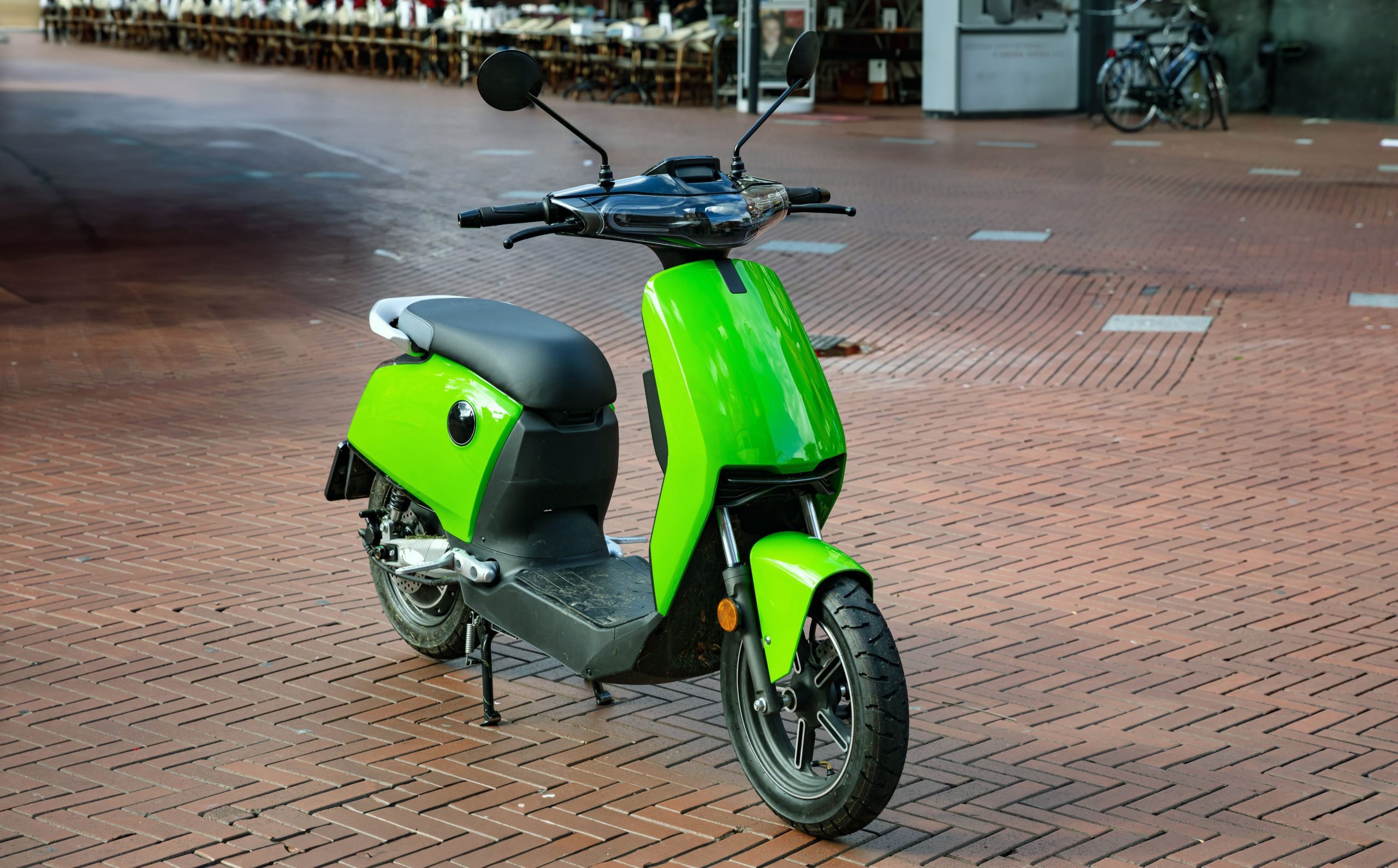
Vietnam’s electric two-wheeler market is entering a far more serious phase than it was just a few years ago. In a country where scooters are central to daily mobility, the transition to electric is starting to look less aspirational and more practical. Urban congestion, fuel price volatility, and pressure to improve air quality are all pushing consumers toward alternatives. At the same time, local manufacturers have done something important that many markets struggle with – they have made electric scooters feel familiar, affordable, and usable in everyday Vietnamese conditions. By 2026, the conversation is no longer about awareness. It is about scale, trust, and whether the supporting infrastructure can keep pace with demand over the next decade.
What’s Driving the Electric Two-Wheeler Market in Vietnam?
Urban Commuters Are Looking for Lower Ownership Costs
For a large share of buyers in Vietnam, the appeal of electric two-wheelers is not primarily environmental. It is financial. Daily riders in cities such as Hanoi and Ho Chi Minh City often use scooters for commuting, errands, and food delivery, which means fuel and maintenance costs are felt almost immediately. Electric scooters make a strong case on that front. Charging costs are typically much lower than petrol expenses, and the maintenance profile is simpler. In practice, this matters more than marketing slogans. When a vehicle saves money every month and still handles crowded city traffic well, it becomes a very rational purchase.
Charging and Battery Swapping Are Becoming More Practical
Convenience remains one of the biggest make-or-break factors in this market, and Vietnam has started to make noticeable progress here. Charging points are becoming more visible in urban areas, while battery-swapping services are gaining relevance for delivery riders and heavy users who cannot afford long charging windows. That matters because consumers rarely adopt mobility technology based on policy alone. They adopt what fits into their routine. A scooter that can be charged easily at home or swapped quickly during work hours has a far better chance of winning over skeptical users than one that simply looks modern on paper.
Domestic Players Understand the Market Better Than Most
One reason Vietnam has moved relatively quickly in this space is that local manufacturers understand the rider far better than many imported brands do. Vietnamese consumers are highly value-conscious, but they are also practical and design-aware. A vehicle needs to be affordable, easy to maneuver, and suitable for dense urban roads. Brands such as VinFast, Dat Bike, and Selex Motors have responded with models that feel locally relevant rather than adapted from foreign templates. That distinction matters. It is often easier to build trust when the product clearly reflects local commuting habits, weather conditions, and service expectations.
Government-Led Initiatives
Policy support is beginning to carry more weight, particularly in major urban centers where pollution and congestion are now difficult to ignore. Hanoi’s proposed restrictions on gasoline-powered motorcycles in central districts have shifted the conversation from optional adoption to future necessity for many commuters. Ho Chi Minh City has also explored low-emission zones and urban transport reforms that could gradually favor electric mobility. These measures may not transform the market overnight, but they do create a clearer long-term signal. Once consumers and fleet operators believe that internal combustion two-wheelers will face tighter restrictions, purchase behavior tends to change faster than expected.
Market Competition
The competitive landscape remains moderately concentrated, with domestic brands holding a strong early lead. VinFast has emerged as the most visible player due to its wide model range, distribution network, and battery support infrastructure. Still, the market is far from locked in. Smaller manufacturers are trying to differentiate through design, swapping technology, or commercial fleet partnerships. Over time, the real competition may move beyond the scooter itself. Financing plans, after-sales service, battery reliability, and resale confidence are likely to become just as important as speed or range. That is usually when a market starts maturing.
Adoption Outside Major Cities Remains Uneven
A common challenge is that momentum still looks much stronger in Vietnam’s largest cities than in smaller towns or semi-urban areas. Outside Hanoi and Ho Chi Minh City, charging access is less consistent and consumer awareness is often weaker. Price remains another hurdle. Even when electric scooters offer lower lifetime operating costs, many households still make decisions based on upfront affordability rather than total cost of ownership. That gap is not trivial. Unless manufacturers and financiers solve for entry-level pricing and wider service support, adoption could remain concentrated in urban pockets rather than becoming truly national.
Future Outlook
Vietnam’s electric two-wheeler market has real long-term potential, but growth will depend less on excitement and more on execution. If manufacturers continue to lower costs, improve battery confidence, and expand charging access beyond top-tier cities, adoption could deepen meaningfully over the next decade. Commercial use cases such as delivery and shared mobility may move even faster than personal ownership because the economics are easier to justify. By 2035, electric scooters are likely to account for a much larger portion of new two-wheeler sales in Vietnam, especially in urban transport. The bigger opportunity will belong to the companies that solve everyday user friction rather than simply selling electric mobility as an idea.
Consultants at Nexdigm, in their latest publication “Vietnam Electric Two-Wheeler Market Outlook to 2035”, analyzed the market by Vehicle Type (Electric Scooters, Electric Motorcycles, Electric Mopeds), By Battery Type (Fixed Battery, Swappable Battery), By End User (Personal Use, Fleet & Commercial Use), and By Distribution Channel (OEM Dealerships, Multi-Brand Retailers, Online Platforms). Nexdigm believes businesses should focus on affordability, charging convenience, and reliable after-sales service, particularly in urban and fleet-led segments where adoption is likely to take shape first.
To take the next step, simply visit our Request a Consultation page and share your requirements with us.
Harsh Mittal
+91-8422857704