
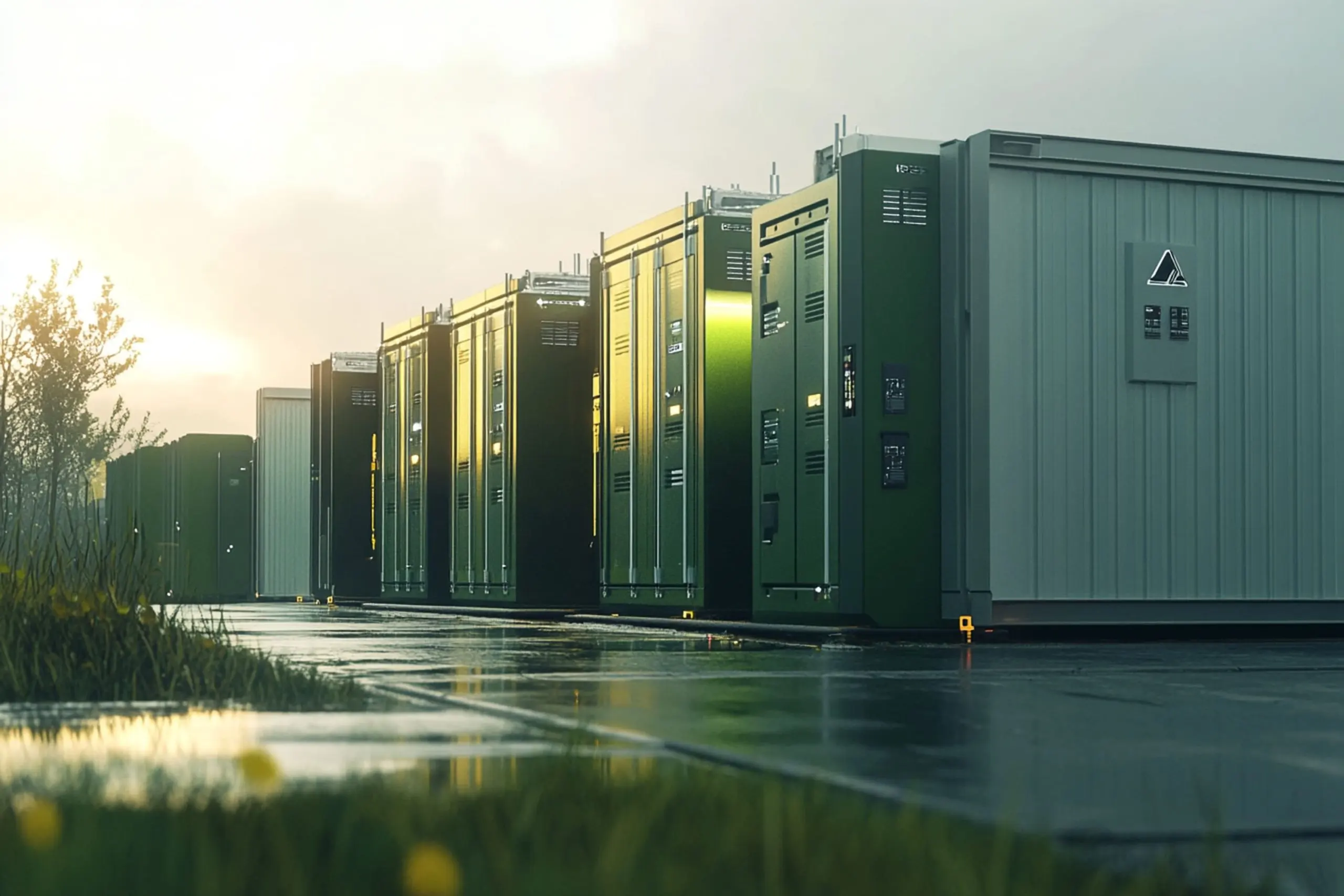
Vietnam’s electricity market has changed rapidly over the last few years. Solar farms that barely existed a decade ago now stretch across provinces such as Ninh Thuan and Binh Thuan, while offshore wind projects continue to attract foreign investment. The challenge is that renewable power does not always arrive when the grid needs it most. During sunny afternoons, excess electricity often goes unused, yet factories in industrial hubs still face power shortages during peak demand periods. This imbalance has brought energy storage into the spotlight. As of 2026, Vietnam stands out as one of Southeast Asia’s most active clean energy markets. The government’s Power Development Plan VIII (PDP8) has pushed utilities and developers to think beyond generation capacity alone. In practice, the conversation has shifted toward transmission efficiency, grid stability, and battery storage integration. Energy storage is no longer treated as an experimental add-on. It is slowly becoming part of the country’s long-term electricity planning.
What’s Driving the Energy Storage Market in Vietnam?
Renewable Energy Capacity Is Expanding Faster Than the Grid
Vietnam moved aggressively into solar energy between 2019 and 2023, partly because of favorable feed-in tariffs. That rapid rollout created an unintended problem. Several renewable-rich provinces generated more electricity than local transmission infrastructure could handle, leading to curtailment losses for developers. Battery energy storage offers a practical workaround. Instead of wasting surplus power during low-demand periods, operators can store electricity and release it later when consumption rises. This matters even more for offshore wind projects now entering the pipeline. Wind generation patterns are unpredictable, and storage systems help smooth those fluctuations before electricity reaches the national grid.
Manufacturing Hubs Need Stable Power Supply
Vietnam’s industrial sector has become a major pillar of the economy, particularly in electronics, automotive components, and textile manufacturing. Global companies relocating supply chains into Vietnam are placing fresh pressure on the country’s electricity infrastructure. A temporary outage in an export-heavy industrial park can disrupt production schedules and create costly delays. For that reason, commercial and industrial battery systems are attracting attention from factory operators. Some businesses are exploring behind-the-meter storage paired with rooftop solar to reduce dependence on the grid during peak hours. While upfront costs remain relatively high, many manufacturers now see backup power and energy management as operational necessities rather than optional upgrades.
Falling Battery Prices Are Changing Investment Decisions
A few years ago, large-scale battery storage projects were difficult to justify economically in Vietnam. The economics look different today. Lithium-ion battery prices have declined considerably due to global manufacturing scale, especially from Chinese and South Korean suppliers. At the same time, battery technology has improved in areas such as charging efficiency, thermal management, and lifespan. This reduces operational risks for developers and utilities. On the ground, investors are becoming more comfortable financing hybrid renewable projects that include integrated storage rather than standalone solar or wind farms.
Government-Led Initiatives Supporting Energy Transition
Vietnamese authorities have started treating energy storage as a necessary component of grid modernization rather than a secondary clean energy technology. PDP8 outlines ambitious renewable energy targets while also recognizing the strain placed on transmission systems. The government has encouraged pilot battery storage projects connected to renewable plants, particularly in regions where grid congestion remains a recurring issue. International development agencies, including Asian infrastructure lenders, have also stepped in with technical support and financing programs. That external backing matters because large-scale storage projects still require substantial capital commitments, something local developers occasionally struggle to secure independently.
Market Competition and Industry Landscape
The Vietnam energy storage market remains relatively young, though competition is becoming more visible. Global companies such as Tesla, BYD, LG Energy Solution, and Samsung SDI are actively pursuing opportunities across Southeast Asia, including Vietnam. Local renewable developers are increasingly partnering with battery suppliers and engineering firms to strengthen technical expertise. One noticeable trend is the preference for integrated energy solutions rather than standalone battery installations. Developers want systems that can support solar farms, industrial facilities, and grid balancing simultaneously.
Grid Infrastructure and Regulatory Gaps Remain a Challenge
Despite strong market interest, Vietnam still faces structural hurdles. Transmission bottlenecks continue to affect renewable-heavy regions, limiting the efficiency of power distribution. A common challenge is the lack of fully defined regulations for standalone battery storage projects, particularly around electricity pricing mechanisms and grid participation rules. There is also the issue of financing. Battery projects demand significant upfront investment, and returns are not always easy to predict in a developing regulatory environment. Smaller industrial users often hesitate because payback periods can stretch longer than expected, especially when electricity tariffs remain relatively controlled.
Future Outlook
Vietnam’s energy storage market will likely expand steadily over the next decade as renewable installations grow and electricity demand from manufacturing centers keeps climbing. Utility-scale battery systems connected to solar and offshore wind projects are likely to account for the majority of deployments in the near term. By 2035, storage technology may become standard infrastructure for large renewable projects rather than a specialized addition. Commercial users are also likely to adopt battery systems more widely as concerns around power reliability and energy costs become harder to ignore. Vietnam may not dominate the global storage industry, but within Southeast Asia, it is gradually becoming one of the more closely watched markets for battery deployment and clean power integration.
Consultants at Nexdigm, in their latest publication “Vietnam Energy Storage Market Outlook to 2035,” analyzed the market by Technology Type (Lithium-Ion Batteries, Flow Batteries, Lead-Acid Batteries, Sodium-Ion Batteries), By Application (Utility-Scale Storage, Commercial & Industrial, Residential, Renewable Energy Integration), and By End User (Power Utilities, Industrial Facilities, Commercial Buildings, Renewable Energy Developers). Nexdigm believes that businesses should prioritize partnerships with renewable developers, investment in advanced battery technologies, and localized energy management solutions while leveraging Vietnam’s rapidly expanding clean energy infrastructure as a long-term growth opportunity.
To take the next step, simply visit our Request a Consultation page and share your requirements with us.
Harsh Mittal
+91-8422857704