
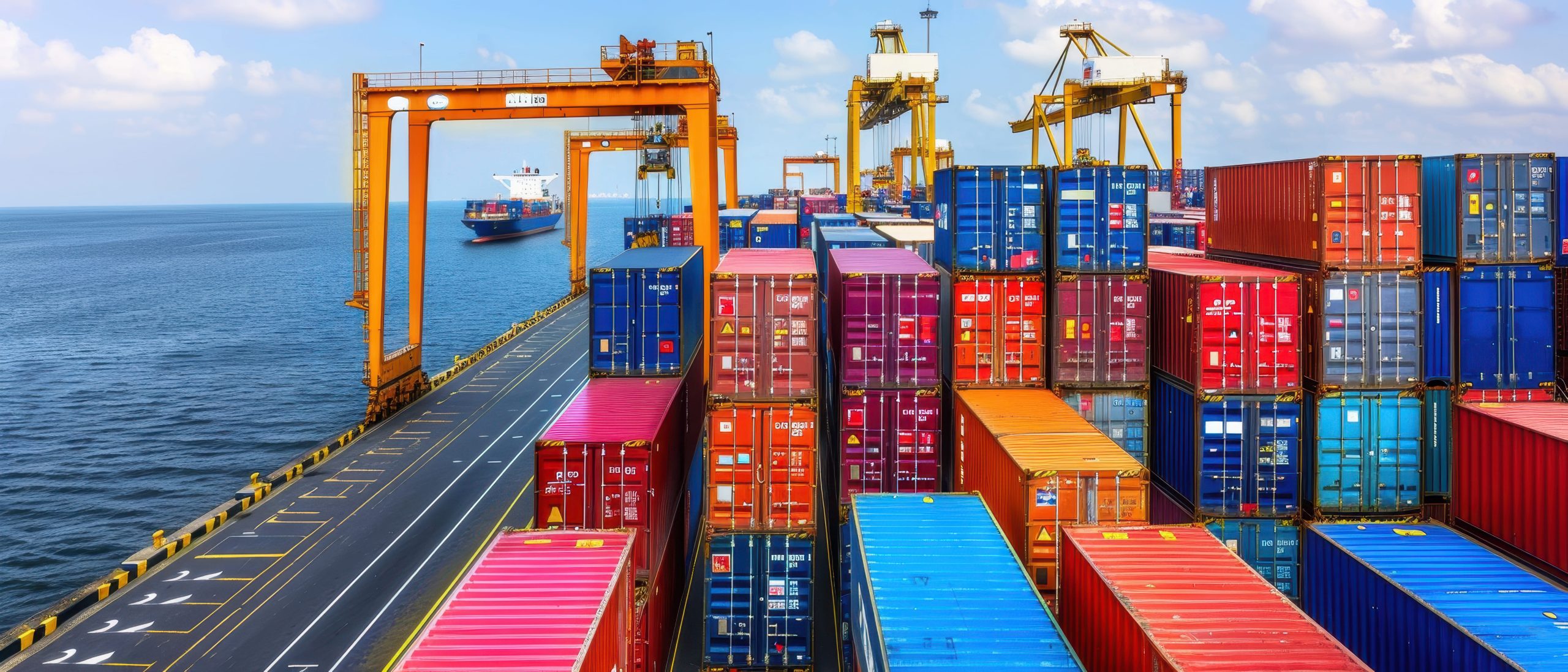
Vietnam’s freight forwarding market has moved well beyond its old role as a back-end support function for trade. It now sits much closer to the center of the country’s industrial and export story. As Vietnam continues to attract manufacturers in electronics, apparel, furniture, machinery, and consumer goods, freight forwarders are handling a more demanding mix of cargo, tighter delivery timelines, and more complex international routing. In 2026, that matters more than ever. Vietnam is not just shipping larger volumes – it is managing faster, more fragmented, and more compliance-heavy trade flows. That shift is opening up long-term opportunities for forwarding companies that can offer more than just transport bookings.
What’s Driving the Freight Forwarding Market in Vietnam?
Manufacturing Expansion and Export Diversification
A large part of the momentum comes from Vietnam’s role in global supply chain diversification. Over the last few years, companies looking to reduce overdependence on China have expanded sourcing and assembly operations in northern and southern Vietnam. This has had a very direct effect on freight demand. Factories producing smartphones, semiconductors, footwear, garments, and industrial components all rely on predictable cargo movement. A delayed container or customs issue can disrupt an entire production cycle. That is why freight forwarders are becoming more embedded in planning, not just execution. In practice, exporters increasingly want partners who can handle customs, inland trucking, and ocean or air bookings under one roof.
E-commerce and Faster Cargo Turnaround
Vietnam’s e-commerce boom has also changed the profile of logistics demand. Freight is no longer only about large B2B shipments moving on fixed schedules. Cross-border parcels, time-sensitive retail inventory, and fulfillment-linked imports are becoming part of the mix. That creates pressure on forwarding companies to be faster and more responsive. A fashion seller importing seasonal inventory, for example, cannot afford to lose two weeks at port because of paperwork delays. The same applies to consumer electronics distributors trying to replenish stock ahead of promotional sales periods. This shift favors players that can combine freight movement with warehousing, visibility tools, and better coordination across touchpoints.
Infrastructure Upgrades and Better Connectivity
Physical infrastructure is another important tailwind, though not without caveats. Vietnam has been investing heavily in expressways, logistics parks, airport expansion, and port modernization, particularly around Hai Phong, Ho Chi Minh City, and Ba Ria-Vung Tau. For freight operators, these upgrades improve cargo flow and reduce avoidable inefficiencies. Better road connectivity between industrial parks and seaports can save meaningful time and cost over the course of a year. Still, infrastructure progress on paper does not always translate immediately on the ground. Some bottlenecks remain stubborn, especially in urban access corridors and during peak shipping cycles.
Government-Led Initiatives
The Vietnamese government has taken a more active role in strengthening the logistics sector, and that matters for freight forwarders. Policy support has focused on customs modernization, digital trade documentation, logistics planning, and transport connectivity. These changes may sound administrative, but they have real commercial impact. A forwarding company handling dozens of shipments a week benefits significantly when customs clearance becomes more transparent or less paper-intensive. The bigger picture is clear: Vietnam wants logistics costs to come down and trade efficiency to improve. That does not happen overnight, but the direction of travel is favorable for organized freight service providers.
Market Competition
The market remains moderately fragmented. Global names such as DHL Global Forwarding, Kuehne + Nagel, DSV, DB Schenker, and Expeditors operate alongside domestic firms that often have stronger local relationships and better agility in specific corridors. That mix makes the market competitive in a very practical way. Multinational clients often prefer international operators for compliance and network reach, while many local exporters still lean toward domestic partners who can solve problems quickly and navigate local complexities. Over time, the real differentiator may not be size alone, but service reliability, customs expertise, and digital shipment visibility.
High Operational Volatility
One challenge continues to stand out: operational instability across the logistics chain. Freight forwarders in Vietnam still deal with port congestion, fluctuating ocean rates, container shortages, fuel cost swings, and occasional customs slowdowns. This is where the market becomes less straightforward than headline growth suggests. Strong trade volumes are good for business, but they also expose weak points in capacity and coordination. A common challenge is that clients expect certainty in a supply chain that still carries a fair amount of unpredictability. Forwarders that can manage disruption well will likely win more trust than those competing only on price.
Future Outlook
The outlook through 2035 remains favorable, but the market will likely reward capability more than scale. Freight forwarding in Vietnam is gradually moving from a transactional service into a more integrated logistics function tied to manufacturing, sourcing, and inventory planning. By 2035, the sector is likely to look more technology-enabled, more compliance-focused, and more specialized by industry. Freight companies serving electronics, perishables, industrial inputs, or retail distribution will need very different operating strengths. That is where the next phase of competition will unfold.
Consultants at Nexdigm, in their latest publication “Vietnam Freight Forwarding Market Outlook to 2035”, analyzed the market by Mode of Transport (Air Freight, Ocean Freight, Road Freight, Rail Freight, Multimodal Transport), By End User Industry (Electronics, Textiles & Apparel, Automotive, Retail & E-commerce, Industrial Manufacturing, Agriculture & Food Products), and By Service Type (International Freight Forwarding, Customs Brokerage, Warehousing & Distribution, Last-Mile Delivery, Value-Added Logistics Services). Nexdigm believes that businesses should focus on digital freight visibility, customs efficiency, and multimodal service capability to stay competitive in Vietnam’s evolving trade landscape.
To take the next step, simply visit our Request a Consultation page and share your requirements with us.
Harsh Mittal
+91-8422857704