
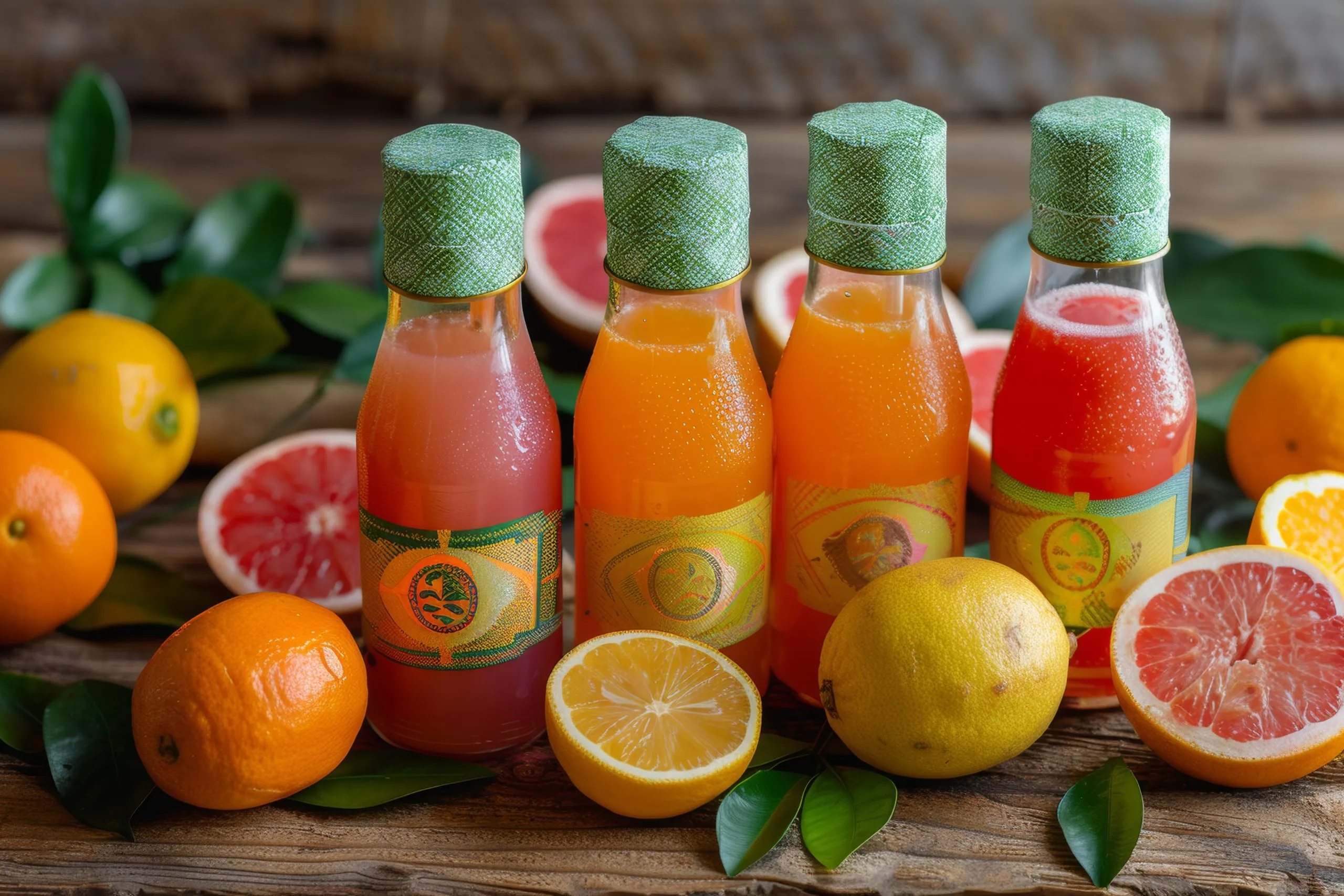
The Vietnam health drinks market is expanding as consumers look for beverages that support hydration, energy, digestion, immunity, fitness, and everyday nutrition. Products such as functional beverages, sports drinks, energy drinks, probiotic beverages, fortified waters, herbal drinks, plant-based beverages, protein drinks, and low-sugar juices are becoming more visible across retail and foodservice channels. Vietnam’s functional beverages market reached USD 607.6 million in 2025 and is projected to reach USD 989.1 million by 2034, growing at 5.56% CAGR. Demand is being shaped by urban lifestyles, wellness awareness, fitness culture, and convenient ready-to-drink consumption.
Key market drivers are strengthening demand for health drinks in Vietnam
Wellness awareness is changing everyday beverage preferences
Vietnamese consumers are becoming more attentive to hydration, digestion, immunity, energy, weight management, and balanced nutrition. This is supporting demand for beverages with vitamins, minerals, probiotics, electrolytes, antioxidants, herbal extracts, fiber, and natural ingredients. Health drinks are increasingly consumed by students, office workers, families, fitness users, and younger consumers who want convenient wellness support during busy routines. Brands are responding with reduced-sugar recipes, fruit-based flavors, herbal positioning, vitamin-enhanced products, and clearer nutrition communication. This shift is helping health drinks move beyond niche wellness shelves and become part of regular consumption.
Sports and energy beverages are widening consumption occasions
Vietnam’s young population, gym culture, urban commuting patterns, and active lifestyle trends are supporting demand for energy drinks, sports drinks, electrolyte beverages, and recovery-focused products. Vietnam’s sports and energy drinks market was estimated at USD 1.66 billion in 2025 and is projected to reach USD 3.82 billion by 2033, growing at 10.9% CAGR. These beverages are consumed before workouts, during long workdays, while travelling, after exercise, and as quick alternatives to traditional soft drinks. Convenience and affordable pack sizes remain important for regular usage.
Probiotic and digestive wellness products are gaining attention
Vietnam’s probiotic drinks market recorded USD 575 million in 2025 and is expected to reach USD 1.00 billion by 2033, growing at 7.15% CAGR. This creates opportunities for gut-health drinks, fermented dairy beverages, and functional ready-to-drink formats.
Government health priorities and food safety standards are supporting market development
Government priorities around public health, food safety, nutrition awareness, product quality, and transparent labeling are influencing Vietnam’s health drinks market. Regulations covering ingredients, hygiene, packaging, claims, and imported beverage standards help improve consumer confidence in packaged functional drinks. Public interest in healthier diets and safer food choices is also encouraging beverage companies to reformulate with lower sugar and clearer nutrition information. Companies that maintain compliant claims, reliable quality systems, and responsible marketing can build stronger relationships with retailers and health-conscious consumers.
Competitive landscape is becoming more functional and locally adapted
The Vietnam health drinks market includes multinational beverage companies, local soft drink manufacturers, dairy brands, energy drink players, probiotic beverage companies, herbal drink brands, sports nutrition firms, private labels, and emerging wellness startups. Competition is shaped by taste, price, functionality, sugar content, pack size, retail reach, and brand trust. Local flavors, affordable pricing, and mass-market availability remain important, while premium brands compete through clean-label ingredients, probiotic claims, imported positioning, and lifestyle-led marketing. Companies that combine functional benefits with familiar taste profiles can improve repeat purchases.
Market challenges continue to affect trust and adoption
Price sensitivity can limit premium health drink purchases
Many functional, probiotic, and clean-label health drinks carry higher prices due to specialized ingredients, packaging, and processing costs. This can restrict frequent purchases among value-conscious consumers.
Sugar content and claim credibility remain key concerns
Consumers are increasingly cautious about sugar intake and artificial ingredients. Overstated or unclear health claims can also reduce trust if benefits are not supported by simple and credible communication.
Future outlook
The future outlook for the Vietnam health drinks market remains positive, supported by urbanization, rising incomes, fitness culture, modern retail growth, and greater awareness of preventive wellness. Opportunities are expected across energy drinks, sports drinks, probiotic beverages, functional waters, herbal drinks, low-sugar juices, fortified beverages, plant-based formats, and digestive wellness drinks. As Vietnam’s functional beverages market moves toward USD 989.1 million by 2034, businesses that combine affordability, taste, credible benefits, localized flavors, convenient packaging, and strong distribution will be better positioned to capture long-term growth.
Consultants at Nexdigm, in their latest publication “Vietnam health drinks market outlook to 2035,” analyze the sector By Product Category (Energy Drinks, Sports and Hydration Drinks, Functional and Enhanced Water, Protein RTD and Meal Replacement Drinks), By Ingredient Platform (Caffeine-Based Formulations, Electrolyte-Based Formulations, Probiotic Cultures)
Nexdigm suggests that businesses in the Vietnam health drinks market should focus on affordable, functional, and low-sugar beverages that support demand for hydration, energy, digestive wellness, immunity, fitness, and everyday nutrition.
To take the next step, simply visit our Request a Consultation page and share your requirements with us.
Harsh Mittal
+91-8422857704