
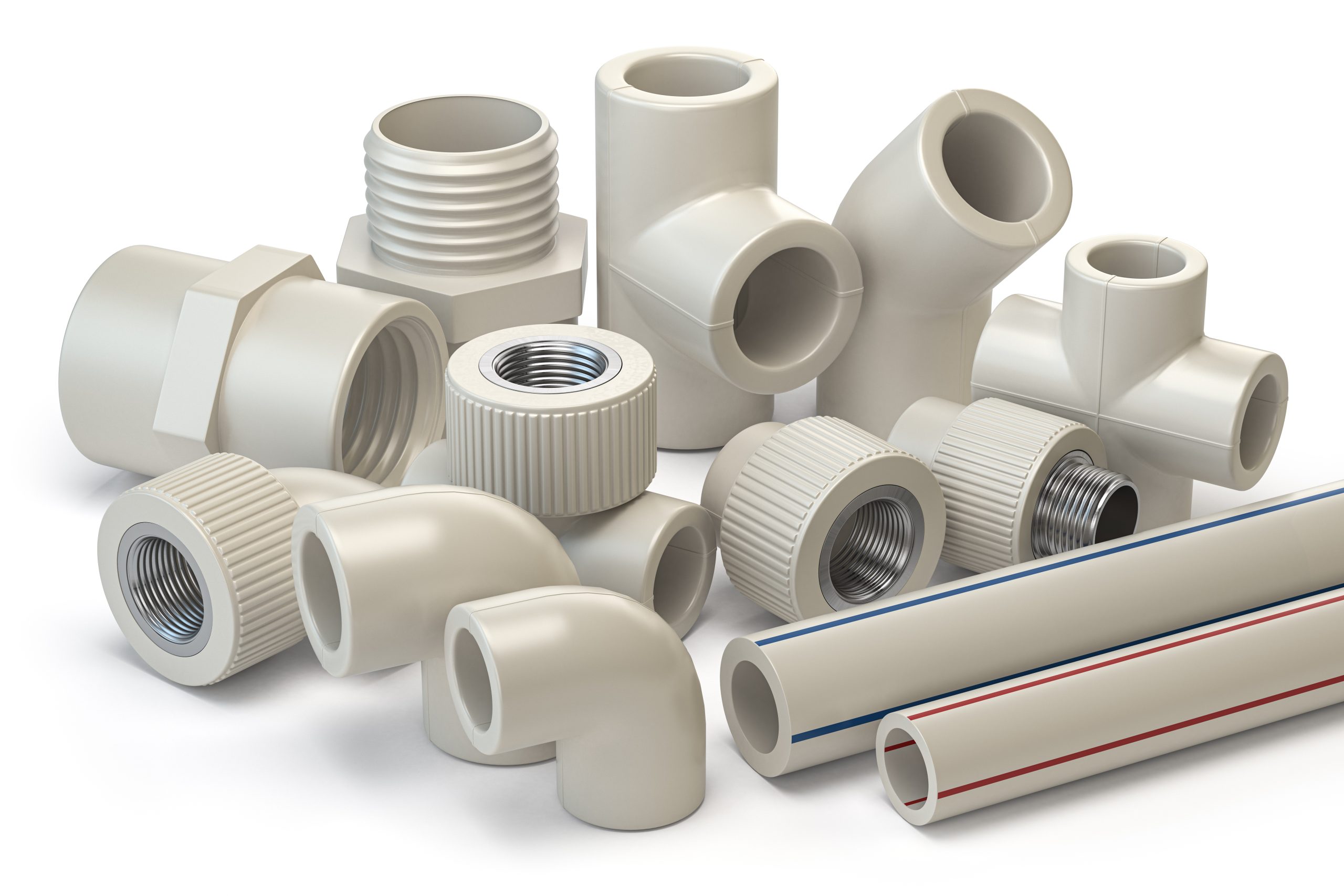
Vietnam’s plastic pipes and fittings market is expanding as urban development, water infrastructure, housing construction, and industrial investment accelerate. PVC, HDPE, PPR, and other plastic piping systems are increasingly used because they are lightweight, corrosion-resistant, durable, and relatively easy to install. Vietnam’s urbanization rate has moved above 45%, creating greater demand for water distribution, drainage, sewerage, and residential plumbing networks. Urban clean-water coverage has also reached about 95%, supporting continued investment in reliable and efficient piping infrastructure.
Major Growth Drivers of Vietnam’s Plastic Pipes and Fittings Industry
Urbanization Is Expanding Water and Drainage Networks
Rapid urbanization is one of the strongest drivers of plastic pipe demand in Vietnam. The country’s urbanization rate has surpassed 45%, while government plans aim for it to exceed 50% by 2030. Growing cities require new water-distribution lines, drainage systems, sewer networks, utility connections, and residential plumbing. Plastic pipes are well suited to these applications because they resist corrosion and are easier to handle than many traditional alternatives. Vietnam already has around 1,000 urban and peri-urban clean-water plants, with combined capacity of approximately 13.2 million cubic metres per day. Expansion and modernization of these systems should continue to create demand for PVC and HDPE pipes and fittings.
Housing Development Supports Plumbing Pipe Demand
Residential development is another important demand source. Vietnam had more than 637,000 social housing units under implementation by early 2026, illustrating the scale of ongoing housing activity. New apartments, homes, commercial buildings, and mixed-use developments require substantial volumes of pipes for potable water, drainage, sewage, and HVAC-related applications. PPR, PVC, and HDPE systems benefit from their low maintenance requirements, installation flexibility, and resistance to scaling.
Water Network Upgrades Create Replacement Opportunities
Vietnam continues to modernize existing water networks to improve reliability and reduce losses. Average urban water losses have declined to around 15%, but further improvement remains a national priority. Replacing aging or inefficient networks with durable plastic piping can help utilities reduce leakage, maintenance requirements, and lifecycle costs.
Government Initiatives Supporting Vietnam’s Plastic Pipes and Fittings Market
Vietnam is prioritizing sustainable urban development, reliable water supply, and wastewater infrastructure. Government plans aim to push urbanization beyond 50% by 2030 while improving housing, transport, water, and municipal services. Water-sector policy also targets safer supply systems and lower losses. Draft objectives call for water losses in centralized systems to fall below 15% by 2030 and 13% by 2035, encouraging network upgrades and replacement activity.
Competitive Insights of Vietnam’s Plastic Pipes and Fittings Industry
Vietnam’s plastic pipes and fittings industry includes domestic manufacturers, regional suppliers, construction-material companies, distributors, and international brands. Competition centers on price, quality, durability, product range, distribution coverage, and compliance with technical standards. Manufacturers are increasingly offering PVC, HDPE, PPR, drainage, sewerage, and industrial piping solutions. Companies with strong dealer networks and the ability to serve municipal infrastructure as well as residential construction are likely to maintain stronger market positions.
Challenges Affecting Vietnam’s Plastic Pipes and Fittings Market
Raw Material Price Volatility Pressures Manufacturers
Plastic pipe production depends heavily on PVC, polyethylene, polypropylene, and other polymer resins. Changes in feedstock, energy, import, and currency costs can affect manufacturing margins and product pricing.
Fragmented Competition Can Limit Pricing Power
The market includes numerous local and regional manufacturers competing heavily on price. Lower-cost products can pressure established suppliers, making quality differentiation, certification, and distribution strength increasingly important.
Future Outlook
In the coming years, Vietnam’s plastic pipes and fittings marlet is likely to get benefit from the country’s ongoing shift toward larger, denser, and better-connected cities. The opportunity extends beyond new construction to water-network rehabilitation, wastewater management, housing, and industrial development. With urbanization already above 45% and clean-water coverage in urban areas around 95%, the next phase of growth will increasingly focus on improving network quality, reducing water losses, and expanding services into fast-growing areas. Suppliers offering durable products, broad distribution, reliable quality, and cost-efficient installation solutions should remain well positioned.
Consultants at Nexdigm, in their latest publication “Vietnam Plastic Pipes and Fittings Market Outlook to 2035,” analyze the sector By Material Type (PVC, CPVC, HDPE, MDPE and PVCO Pipes and Fittings), By Product Type (Pressure, Non-Pressure, Corrugated, DXV Pipes), By Application Type (Municipal Water Distribution System, Residential Plumbing Systems and Electric Conduit Systems).
Nexdigm suggests that businesses in Vietnam’s Plastic Pipes and Fittings Industry should target urban water and housing projects, strengthen distribution networks, improve product quality, develop cost-efficient piping solutions, and invest in durable materials to capture infrastructure-led growth opportunities.
To take the next step, simply visit our Request a Consultation page and share your requirements with us.
Harsh Mittal
+91-8422857704