
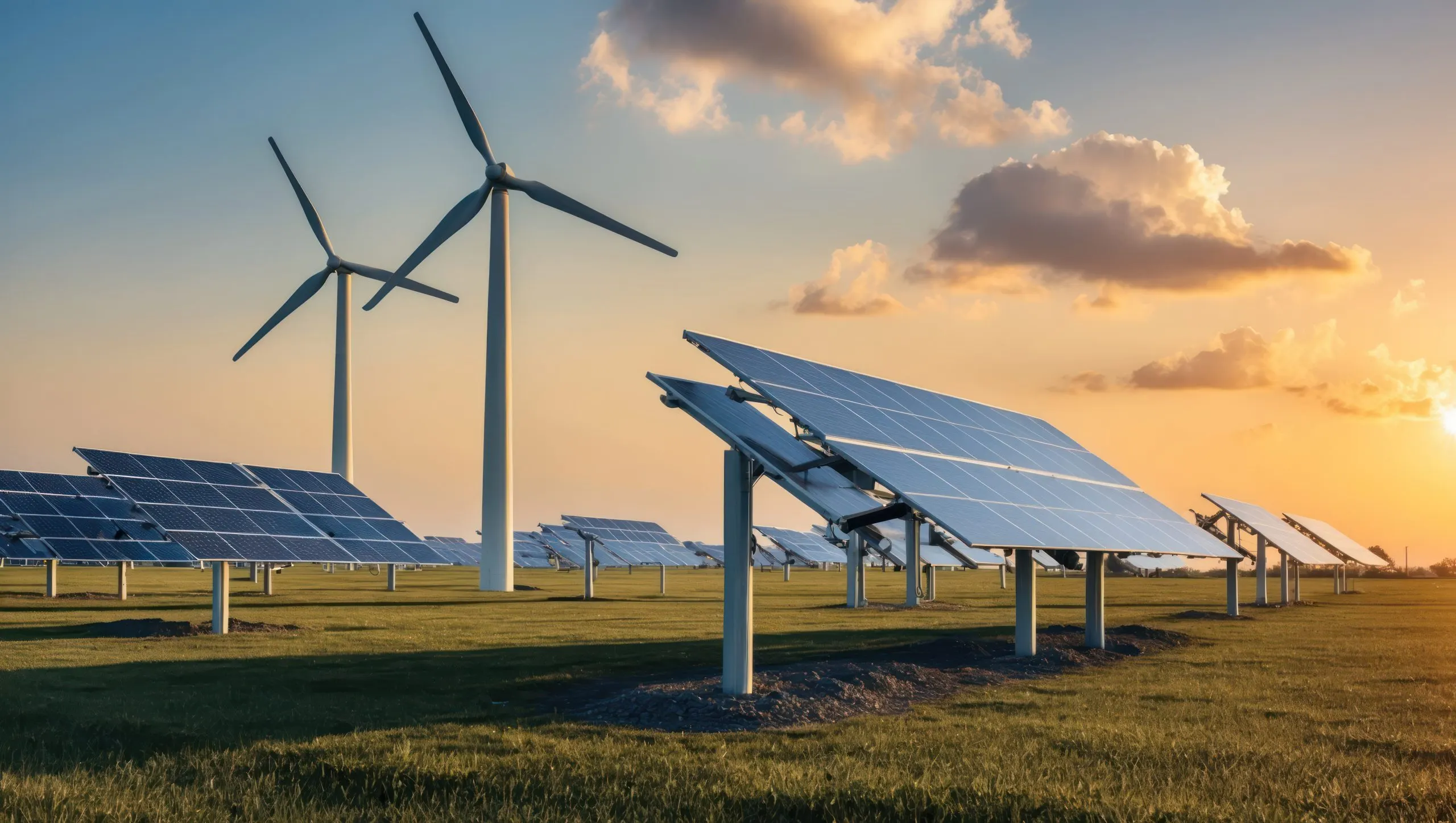
Vietnam renewable energy market has moved well beyond the early experimentation phase. Over the last few years, the country has become one of Southeast Asia’s busiest renewable energy destinations, particularly for solar and wind developers looking for long-term opportunities in Asia. Rising electricity demand from factories, expanding urban centers, and export-led manufacturing has put serious pressure on Vietnam’s power supply system. Coal still holds a major share in the energy mix as of 2026, yet the direction of policy is gradually shifting toward cleaner alternatives. What makes Vietnam interesting is the pace at which projects have emerged. In some provinces, large solar farms appeared within just a few years, changing local land use patterns almost overnight. Still, the transition has not been perfectly smooth. Transmission infrastructure has struggled to keep pace with project approvals, creating congestion issues in renewable-heavy regions. Even so, investors continue to view Vietnam as one of the more promising renewable markets in ASEAN.
What’s Driving the Renewable Energy Market in Vietnam?
Manufacturing Expansion and Rising Power Consumption
Vietnam’s industrial growth remains one of the strongest factors shaping electricity demand. Global manufacturers in electronics, textiles, and consumer goods continue expanding operations across provinces such as Bac Giang, Hai Phong, and Dong Nai. These facilities require uninterrupted power, and many international firms are under pressure from overseas clients to lower carbon emissions tied to production. In practice, renewable energy procurement is becoming part of supply chain compliance rather than just an environmental decision. Several multinational companies operating in Vietnam are actively exploring direct power purchase agreements with renewable producers to secure cleaner electricity at predictable costs.
Offshore Wind Attracting Global Investors
Few countries in Southeast Asia have offshore wind potential comparable to Vietnam. Its long coastline and favorable wind speeds have attracted developers from Europe, Japan, and South Korea. Projects planned along the southern and central coastlines are drawing attention because offshore wind offers scale that onshore installations cannot easily match. That said, offshore projects are expensive and technically demanding. Ports, specialized vessels, and grid connectivity still need considerable upgrades. A common challenge on the ground is balancing ambitious capacity targets with practical execution timelines. Developers remain optimistic, but many projects will likely move slower than initial announcements suggested.
Solar Energy Adoption Beyond Utility Projects
Vietnam’s solar sector grew rapidly after earlier feed-in tariff programs encouraged heavy investment. Utility-scale solar farms expanded quickly, particularly in provinces such as Ninh Thuan and Binh Thuan where sunlight conditions are highly favorable. Rooftop solar has also gained traction among factories and commercial buildings seeking lower electricity expenses. Interestingly, some businesses adopted rooftop systems less for sustainability branding and more as protection against future grid instability or rising tariffs. This practical angle often gets overlooked in market discussions. Smaller industrial operators increasingly see solar panels as a financial hedge rather than a purely environmental initiative.
Government-Led Initiatives Supporting Renewable Energy
Vietnam’s Power Development Plan VIII remains the central policy framework shaping the market. The plan places greater emphasis on renewable capacity additions while gradually reducing long-term dependence on coal-fired generation. Authorities are also prioritizing transmission upgrades and encouraging private sector participation in power infrastructure. The government’s net-zero target for 2050 has added momentum, though implementation remains uneven across regions. Regulatory clarity has improved compared to earlier years, but developers still face approval delays and evolving compliance requirements. Investors generally welcome the direction of policy, even if execution occasionally feels slower than expected.
Market Competition and Industry Landscape
Vietnam renewable energy market includes a mix of domestic firms, state-backed utilities, and foreign developers. Major participants include Vietnam Electricity, Trung Nam Group, BIM Group, and Mainstream Renewable Power. Competition has become particularly intense in solar and offshore wind development. Securing favorable land access, grid connections, and long-term power agreements often matters more than simply announcing project capacity. Some developers with ambitious plans may struggle if financing conditions tighten globally over the next decade.
Grid Infrastructure Constraints
One major issue facing Vietnam renewable energy market is transmission bottlenecks. Several renewable-rich provinces have already experienced periods where solar or wind output could not be fully absorbed into the national grid. In simple terms, projects were generating electricity faster than infrastructure could transport it. This creates financial uncertainty for developers and slows investor confidence in certain regions. Grid modernization requires substantial capital and coordination between public agencies and private investors. Without faster infrastructure expansion, renewable deployment could outpace system reliability.
Future Outlook
Vietnam renewable energy market will likely expand steadily through 2035, supported by industrial electricity demand, foreign investment, and continued policy backing for cleaner power sources. Offshore wind is expected to take a more prominent role over the next decade, while battery storage and grid management technologies may become increasingly important as renewable penetration rises. The country may not eliminate coal dependence quickly, despite ambitious targets. Still, Vietnam has already established itself as one of the region’s most active renewable energy markets.
Consultants at Nexdigm, in their latest publication “Vietnam Renewable Energy Market Outlook to 2035”, analyzed the market by Energy Source (Solar Energy, Wind Energy, Hydropower, Biomass, LNG-Integrated Renewables), By Application (Utility Scale, Commercial & Industrial, Residential), and By Region (Northern Vietnam, Central Vietnam, Southern Vietnam). Nexdigm believes that businesses should prioritize offshore wind development, energy storage integration, and grid modernization partnerships while leveraging corporate renewable power demand and foreign investment inflows as key growth drivers in Vietnam’s renewable energy sector.
To take the next step, simply visit our Request a Consultation page and share your requirements with us.
Harsh Mittal
+91-8422857704