
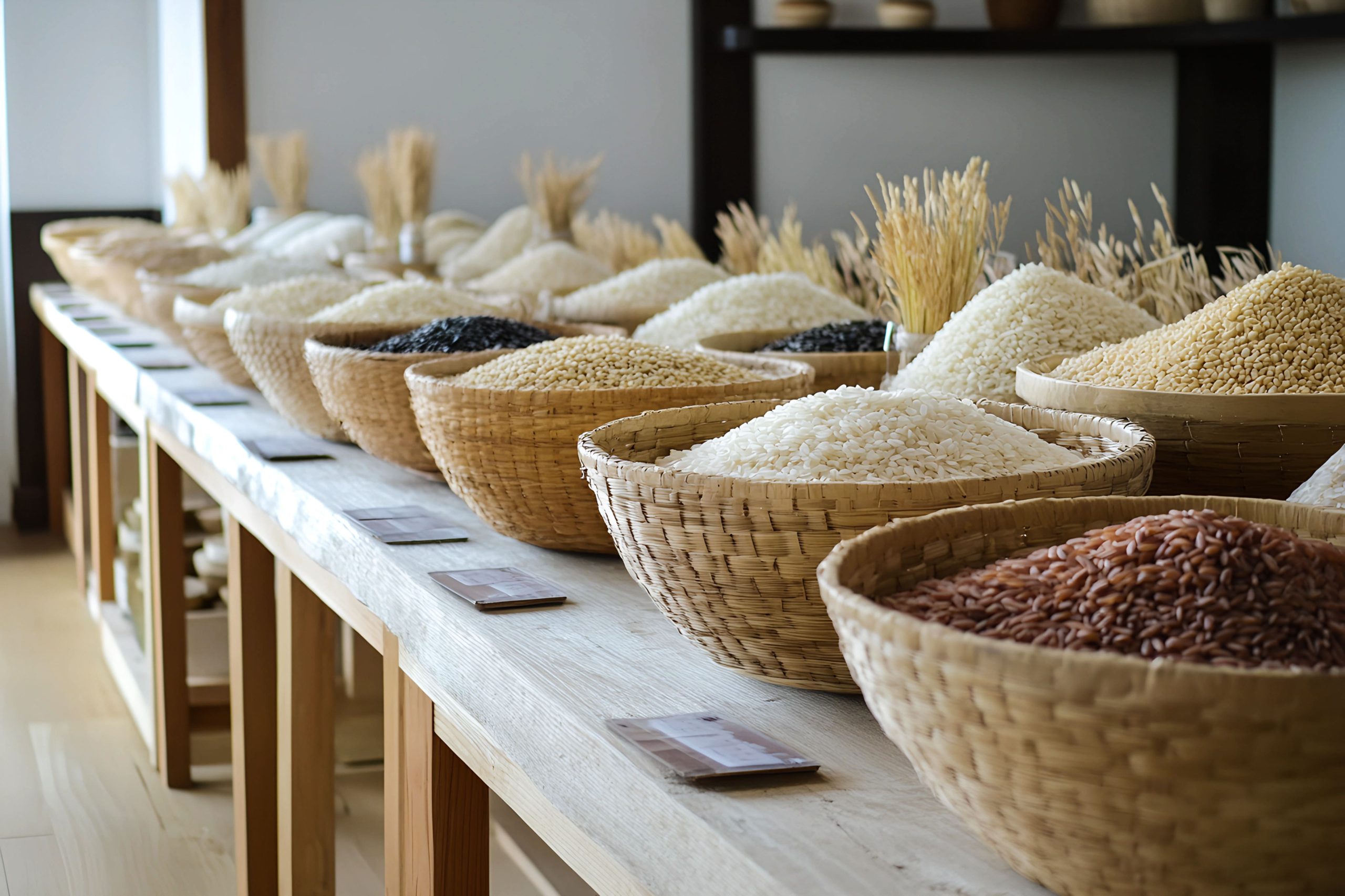
Vietnam’s rice seed market is experiencing structural transformation as the country strengthens its position as one of the world’s leading rice exporters while modernizing domestic agriculture. As of 2026, Vietnam remains among the top three global rice exporters, with rice cultivation covering over 7 million hectares. However, productivity disparities across regions, climate volatility in the Mekong Delta, and rising quality requirements from export markets are pushing farmers toward certified, high-yielding, and climate-resilient seed varieties. The market is witnessing a gradual shift from farm-saved seeds to certified and hybrid rice seeds, supported by government programs, private-sector R&D investments, and export-driven quality standards. Vietnam is not only securing domestic food needs but also strengthening its role as a premium rice supplier in global markets.
What’s Driving the Rice Seed Market in Vietnam?
Shift Toward Hybrid and Certified Seeds
Vietnamese farmers are increasingly adopting hybrid and certified rice seeds to improve yields, grain uniformity, and resistance to pests and diseases. Export-oriented rice varieties such as fragrant and high-quality long-grain rice require standardized seed quality to meet strict import regulations in markets like the EU, Japan, and the Middle East. This shift is gradually reducing dependence on farm-saved seeds, especially in large commercial farms and cooperative farming clusters in the Mekong Delta.
Climate Resilience and Salinity-Tolerant Varieties
Rising salinity intrusion, erratic rainfall, and flooding in the Mekong Delta are accelerating demand for climate-resilient seed varieties. Seed developers are focusing on drought-tolerant, flood-resistant, and salt-tolerant rice strains to stabilize yields amid climate uncertainty. Farmers in coastal provinces are increasingly transitioning to stress-tolerant varieties to mitigate crop losses and ensure consistent output across multiple growing seasons.
Modernization of Farming Practices and Mechanization
The gradual shift toward mechanized planting, contract farming, and large-scale paddy consolidation is driving demand for uniform, high-germination seeds. As rice cultivation becomes more commercialized, especially among agribusiness-backed farmer groups and cooperatives, the preference for branded and certified seed varieties is increasing. This trend is also supported by the growing use of precision farming tools and digital advisory platforms in Vietnam’s rice belts.
Government-Led Initiatives Supporting Seed Quality
The Vietnamese government continues to promote high-quality rice production under its agricultural restructuring and food security programs. Policies encouraging the replacement of low-quality varieties with premium and export-grade rice strains are supporting demand for certified seeds. Public research institutes and seed development centers are working with private players to commercialize improved varieties, while extension services are strengthening farmer awareness around seed purity, varietal performance, and yield optimization. Additionally, export-focused quality standards are incentivizing seed producers to improve traceability and certification practices across the value chain.
Market Competition and Seed Development Landscape
The Vietnam rice seed market is moderately competitive, with a mix of state-linked research institutes, domestic seed companies, and multinational agribusiness firms. Local players dominate distribution through cooperatives and provincial agricultural networks, while international seed companies focus on hybrid and specialty rice varieties. Private-sector investments in breeding programs and seed multiplication facilities are increasing, particularly for premium aromatic and climate-resilient varieties. Strategic partnerships between seed developers and large rice exporters are also emerging to ensure varietal consistency for export contracts.
Fragmented Farm Holdings and Price Sensitivity
Vietnam’s rice cultivation remains highly fragmented, with smallholder farmers accounting for the majority of production. High price sensitivity, especially in lower-income provinces, continues to restrict the rapid adoption of premium hybrid and certified seeds. Many farmers rely on farm-saved seeds due to familiarity, traditional practices, and lower upfront costs. This reliance slows the penetration of formal seed markets and limits the pace at which productivity-enhancing seed technologies are adopted across key rice-growing regions.
Future Outlook
Vietnam’s rice seed market is expected to witness steady growth through 2035, driven by rising adoption of certified and hybrid seeds, export-driven quality requirements, and increasing climate resilience investments. By 2035, certified seeds are expected to account for a significantly larger share of planted area, particularly in export-oriented rice production zones. Continued investments in breeding programs, public–private collaborations, and digital extension services will further strengthen seed quality adoption. Vietnam is likely to position itself not only as a leading rice exporter but also as a regional hub for high-quality rice germplasm and seed innovation in Southeast Asia.
Consultants at Nexdigm, in their latest publication “Vietnam Rice Seed Market Outlook to 2035”, analyzed the market by Seed Type (Hybrid, Inbred/OPV), By Trait (High-Yielding, Aromatic, Salinity-Tolerant, Drought-Tolerant), By Distribution Channel (Cooperatives, Government Agencies, Private Dealers, Direct-to-Farmers), and By End User (Smallholders, Commercial Farms, Contract Farming Clusters). Nexdigm believes that businesses should prioritize climate-resilient seed development, farmer education programs, and partnerships with rice exporters and cooperatives to accelerate certified seed adoption and capture long-term growth opportunities in Vietnam’s rice seed market.
To take the next step, simply visit our Request a Consultation page and share your requirements with us.
Harsh Mittal
+91-8422857704