
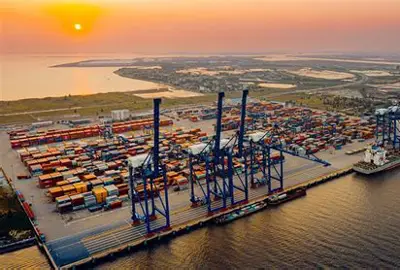
Vietnam’s Shore Power Systems Market is gaining momentum as the country modernizes its port infrastructure, strengthens maritime sustainability initiatives, and expands international trade activities. Shore power systems, also known as cold ironing or onshore power supply (OPS), enable docked vessels to connect to the local electricity grid and shut down onboard diesel generators, reducing emissions, fuel consumption, and noise pollution. With Vietnam handling over 114 million tons of seaborne container cargo annually and operating some of Southeast Asia’s fastest-growing ports, demand for cleaner port operations is increasing. Rising trade volumes, port expansion projects, and environmental commitments are expected to support shore power system adoption through 2035.
Key Market Drivers for Vietnam’s Shore Power Systems Market
Port Expansion and Rising Maritime Trade Fuel Infrastructure Demand
Vietnam has emerged as one of Southeast Asia’s most dynamic maritime economies, supported by strong export growth and international trade. The country operates major ports including Hai Phong, Cai Mep-Thi Vai, Da Nang, and Ho Chi Minh City, handling increasing volumes of containerized cargo each year. The expansion of deep-water ports and logistics infrastructure is creating demand for modern port electrification technologies, including shore power systems that improve operational efficiency and environmental performance.
Maritime Decarbonization Initiatives Accelerate Adoption
Global shipping companies and port operators are under increasing pressure to reduce greenhouse gas emissions and improve environmental sustainability. Shore power systems help eliminate emissions from auxiliary engines while vessels are berthed, supporting compliance with international environmental targets. As shipping operators pursue cleaner operations and ports adopt greener infrastructure, demand for shore-side electricity supply systems is expected to increase significantly.
Growth in Container Shipping and Cruise Activity Creates New Opportunities
Container shipping remains the backbone of Vietnam’s maritime sector, while increasing investment in tourism and cruise infrastructure is creating additional opportunities for shore power deployment. Cruise vessels, container ships, and bulk carriers require substantial onboard power while docked, making shore power an attractive solution for reducing fuel costs and improving air quality around port communities.
Government Initiatives Supporting Vietnam’s Shore Power Systems Market
The Vietnamese government is actively investing in port modernization, logistics infrastructure, and sustainable transportation under national development strategies and maritime growth plans. Through Power Development Plan VIII (PDP8) and long-term green growth objectives, Vietnam is promoting cleaner energy technologies and lower-carbon transportation systems. Additionally, investments in smart ports, logistics corridors, and maritime infrastructure upgrades are creating favorable conditions for shore power system implementation across major commercial ports and industrial harbors.
Competitive Landscape of Vietnam’s Shore Power Systems Market
Vietnam’s Shore Power Systems Market is evolving as port authorities, shipping companies, utilities, and infrastructure developers increase investments in sustainable maritime operations. Competition is centered on power conversion systems, grid integration capabilities, energy efficiency, automation technologies, and compliance with international maritime standards such as IEC/IEEE 80005. Market participants are increasingly focusing on integrated port electrification solutions, digital energy management platforms, and scalable shore connection technologies designed to meet the growing demands of modern ports.
Major Challenges Facing Vietnam’s Shore Power Systems Market
High Infrastructure Investment Requirements
Shore power deployment requires significant investment in substations, transformers, frequency converters, cable management systems, and port electrical infrastructure. These capital requirements can challenge adoption, particularly for smaller ports and regional terminals.
Grid Capacity and Technical Integration Challenges
Reliable shore power operations depend on sufficient grid capacity and compatibility between vessel and port electrical systems. Infrastructure upgrades and standardization efforts may be required to support widespread deployment across Vietnam’s maritime network.
Future Outlook
Vietnam’s Shore Power Systems Market is expected to witness strong growth through 2035, supported by increasing cargo volumes, port infrastructure development, and growing maritime sustainability commitments. With seaborne trade continuing to expand, major ports investing in modernization initiatives, and international shipping companies pursuing decarbonization targets, demand for shore-side electrification solutions is expected to rise steadily. Additional opportunities are likely to emerge from smart port development, LNG and alternative-fuel strategies, and enhanced logistics connectivity. Companies investing in advanced power conversion technologies, digital port energy management solutions, and scalable shore power infrastructure will be well-positioned to capitalize on Vietnam’s evolving maritime ecosystem.
Consultants at Nexdigm, in their latest publication “Vietnam Shore Power Systems Market to 2035,” analyse the sector By Connectivity Technology (6.6kV Voltage Systems, 11kV Voltage Systems and Ship-to-Shore Converter Units), By Vessel Type (Container Vessels and Cruise Ships) and By Port Locations (Haiphong Port, Saigon Port System and Quy Nhon Port).
Nexdigm suggests that businesses in Vietnam’s Shore Power Systems Industry prioritize port electrification technologies, advanced power conversion systems, IEC/IEEE 80005-compliant solutions, and smart energy management platforms to capitalize on the country’s growing cargo throughput, expanding port infrastructure, maritime decarbonization initiatives, and increasing demand for sustainable and energy-efficient port operations across commercial shipping and cruise applications.
To take the next step, simply visit our Request a Consultation page and share your requirements with us.
Harsh Mittal
+91-8422857704