
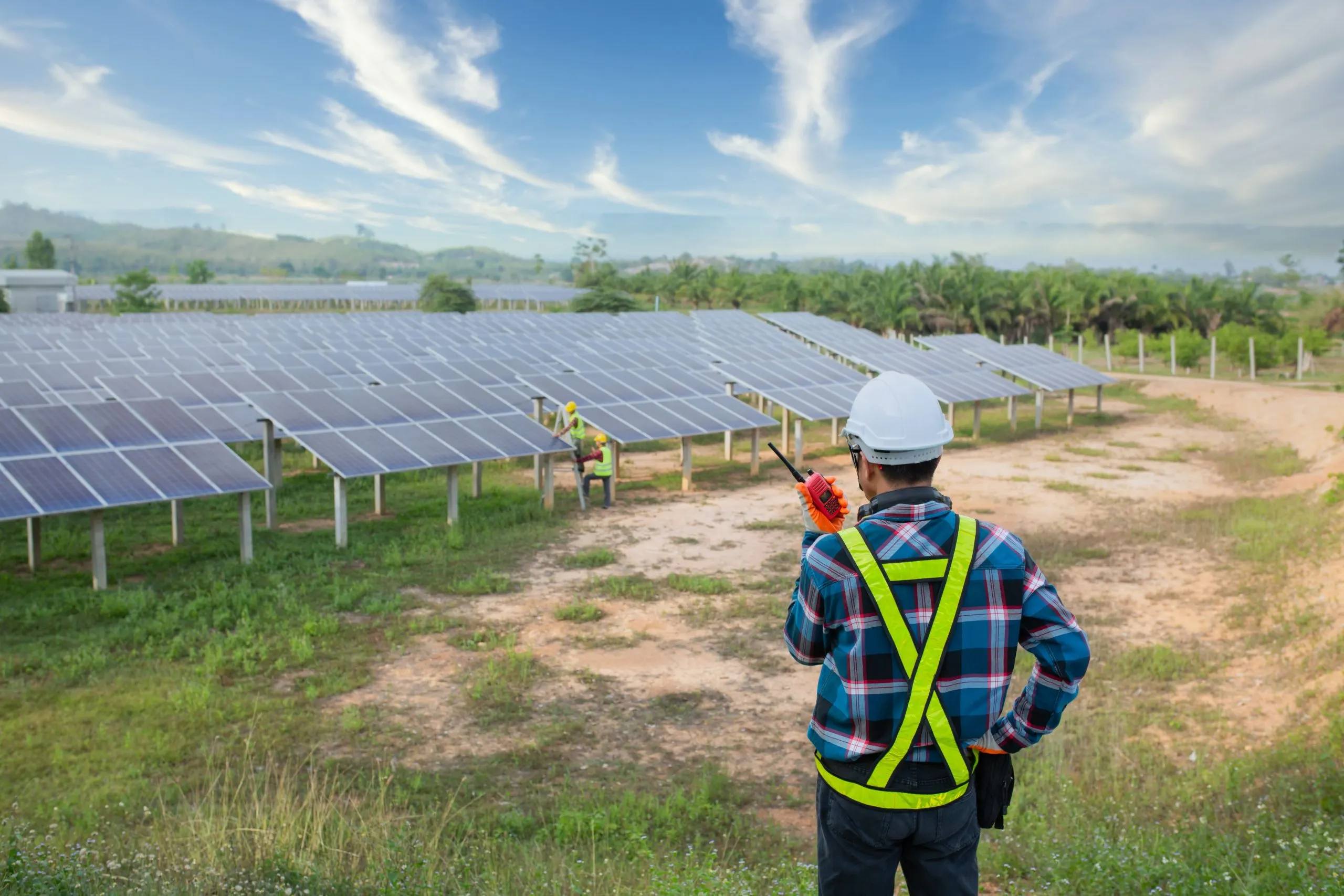
Vietnam’s solar sector has moved well beyond the early experimentation phase and is now becoming a serious part of the country’s long-term energy mix. Over the last few years, pressure on the national grid, rising industrial electricity demand, and concerns around coal dependency have pushed renewable energy into the mainstream conversation. Solar EPC companies are benefiting from this shift as developers race to build utility-scale plants, rooftop systems, and hybrid projects across industrial zones. What makes Vietnam particularly interesting is the speed at which the market evolved. A decade ago, large-scale solar installations were still limited. By 2026, the country has already emerged as one of Southeast Asia’s more active solar markets, supported by policy reforms and foreign investment. Still, on the ground, the market remains uneven. Some provinces have advanced grid connectivity and investor confidence, while others continue to struggle with transmission bottlenecks and project delays.
What’s Driving the Solar EPC Market in Vietnam?
Industrial Power Demand is Reshaping the Market
Vietnam’s manufacturing sector has become one of the biggest factors behind solar adoption. Electronics, textile, and automotive companies operating in industrial parks are under pressure to reduce energy costs while meeting sustainability targets demanded by export markets in Europe and North America. In practice, many factories now view rooftop solar less as an environmental initiative and more as a cost management tool. This trend has opened opportunities for EPC contractors capable of handling fast-track installations without disrupting factory operations. Industrial clients generally prefer turnkey execution, especially when downtime directly affects production schedules.
Rooftop Solar Finds Strong Commercial Interest
Commercial rooftop installations are gaining traction across warehouses, shopping complexes, cold storage facilities, and logistics hubs. Rising retail electricity tariffs have made self-generation financially attractive, particularly for businesses operating during daytime peak hours. There is also a practical advantage. Rooftop systems require less land acquisition compared to utility-scale projects, which matters in densely developed regions around Ho Chi Minh City and Hanoi. Some businesses have started pairing rooftop solar with battery storage systems to stabilize supply during peak consumption periods. While battery economics still remain challenging for smaller firms, larger industrial operators are showing growing interest.
Policy Support and Foreign Investment Activity
Vietnam’s Power Development Plan VIII has created clearer direction for renewable energy development, even though some implementation gaps still exist. International lenders and climate-focused investment funds have become increasingly active in financing solar projects, especially those linked to industrial decarbonization. Foreign manufacturers entering Vietnam are also influencing procurement decisions. Several multinational companies now require renewable electricity sourcing within their supply chains, which indirectly benefits local EPC contractors. A common challenge, though, is that regulatory approvals and tariff structures can shift faster than project timelines, leaving developers exposed to uncertainty midway through execution.
Government-Led Initiatives Supporting Solar Expansion
The Vietnamese government continues to prioritize renewable energy as part of its broader energy security agenda. Investments in transmission infrastructure and smart grid upgrades are gradually improving project integration capacity, particularly in regions that previously experienced heavy curtailment. Authorities are also encouraging direct power purchase agreements between renewable energy producers and large industrial consumers. That said, implementation tends to vary from province to province. Some local authorities move quickly on permits and approvals, while others remain cautious due to land use concerns and grid limitations. This uneven administrative environment often determines how smoothly EPC contractors can deliver projects.
Market Competition and Industry Landscape
The Vietnam solar EPC market remains competitive, with domestic engineering firms competing alongside international renewable energy contractors. Companies such as Trina Solar, First Solar, Sungrow Power Supply, and Sharp Corporation continue expanding their regional presence through partnerships and equipment supply agreements. Price competition has become more aggressive in recent years. EPC margins are tightening, especially for utility-scale projects where developers prioritize cost efficiency over long-term contractor relationships. As a result, firms with strong procurement networks and local execution teams tend to perform better than companies relying solely on imported expertise.
Grid Constraints Continue to Limit Project Execution
One issue that continues to frustrate developers is grid congestion. Several high-solar provinces still face transmission capacity shortages, forcing some projects to operate below planned output levels. For EPC contractors, this creates scheduling complications and financing risks. In reality, building solar capacity is often faster than upgrading transmission infrastructure. Until grid expansion catches up, curtailment risks are likely to remain part of the conversation for large-scale developers.
Future Outlook
Vietnam’s solar EPC market is likely to remain active through 2035 as renewable energy becomes increasingly tied to industrial competitiveness and energy security. Utility-scale solar, floating solar projects, and battery-backed installations are expected to attract the largest investments over the next decade. The market may not grow in a perfectly linear way. Policy adjustments, financing conditions, and grid readiness will continue influencing project pipelines. Even so, Vietnam has already established itself as one of the more important renewable energy destinations in Southeast Asia, particularly for investors looking at long-term industrial power demand and export-driven manufacturing expansion.
Consultants at Nexdigm, in their latest publication “Vietnam Solar EPC Market Outlook to 2035,” analyzed the market by Project Type (Utility-Scale Solar, Rooftop Solar, Floating Solar), By End User (Industrial, Commercial, Residential, Utilities), and By Service Type (Engineering, Procurement, Construction, Operations & Maintenance). Nexdigm believes that businesses should prioritize localized EPC partnerships, grid-integrated storage solutions, and advanced project management capabilities while leveraging Vietnam’s industrial sustainability transition and renewable energy expansion targets as long-term growth drivers.
To take the next step, simply visit our Request a Consultation page and share your requirements with us.
Harsh Mittal
+91-8422857704