
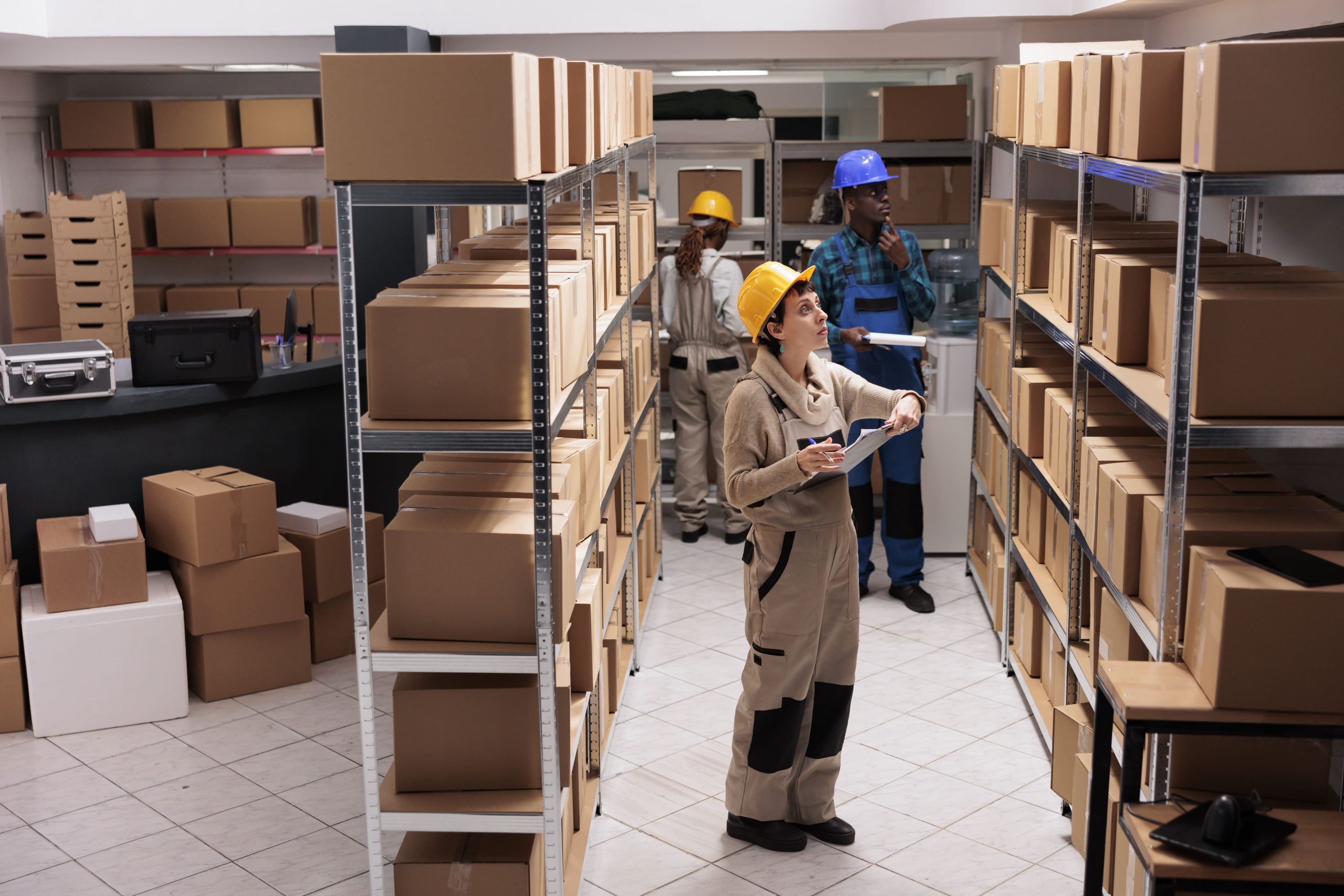
Vietnam’s logistics and warehousing ecosystem is going through rapid transformation as the country strengthens its position as a regional manufacturing and export hub. Rising FDI inflows, diversification of global supply chains under the “China+1” strategy, and booming e-commerce activity are reshaping storage and fulfillment demand across the country. As of 2026, Vietnam’s total modern warehousing capacity remains concentrated around key industrial corridors such as Ho Chi Minh City, Binh Duong, Dong Nai, Bac Ninh, and Hai Phong. However, the market is highly fragmented, with a large base of small, unorganized warehouse owners. This fragmentation has created strong growth potential for warehousing aggregators that consolidate capacity, standardize service quality, and enable digital access to distributed warehouse networks. The warehousing aggregator model is emerging as a critical enabler for SMEs, cross-border sellers, and omnichannel retailers seeking flexible, asset-light logistics solutions through 2035.
What’s Driving the Warehousing Aggregator Market in Vietnam?
Manufacturing Relocation and Industrial Zone Expansion
Vietnam continues to attract electronics, textiles, automotive components, and consumer goods manufacturers relocating supply chains into Southeast Asia. The expansion of industrial parks in Binh Phuoc, Long An, Bac Giang, and Quang Ninh is increasing demand for decentralized storage close to factories and ports. Aggregators benefit from this distributed demand by onboarding multiple small warehouses near industrial clusters and offering standardized inventory management, last-mile coordination, and cross-docking services to manufacturers and exporters.
E-commerce Growth and Omnichannel Fulfillment Needs
Vietnam’s e-commerce market is witnessing double-digit growth, driven by rising smartphone penetration, digital payments, and quick-commerce adoption in urban centers. Sellers on platforms such as Shopee, Lazada, and TikTok Shop increasingly require multi-city fulfillment to ensure faster delivery timelines. Warehousing aggregators enable brands to place inventory closer to end consumers without committing to long-term leases, helping SMEs compete with larger retailers on delivery speed and service reliability.
Digitalization of Logistics and On-Demand Storage Models
The integration of WMS, API-based inventory visibility, and real-time order routing is accelerating the adoption of aggregator platforms. Startups and third-party logistics providers are building tech-enabled networks that allow businesses to scale storage capacity up or down based on seasonality. This flexibility is particularly attractive to exporters in apparel, electronics accessories, and FMCG, where demand volatility is high and working capital optimization is a priority.
Government-Led Initiatives Supporting Logistics Modernization
Vietnam’s National Logistics Development Strategy to 2030 and vision to 2045 aims to reduce logistics costs as a percentage of GDP by improving multimodal connectivity and warehouse infrastructure. Investments in expressways, port expansions in Hai Phong and Cai Mep–Thi Vai, and upgrades to inland container depots are improving access to secondary cities. These improvements indirectly support the warehousing aggregator model by enabling distributed fulfillment networks beyond Tier-1 cities. Additionally, customs modernization and cross-border e-commerce facilitation under ASEAN frameworks are supporting demand for bonded and value-added warehousing services.
Market Competition and Platform Landscape
The Vietnam warehousing aggregator market remains nascent and moderately fragmented, with competition from asset-light logistics startups, traditional 3PLs expanding into network-based warehousing, and real estate-backed logistics players offering shared warehouse models. Digital marketplaces for storage space are improving price transparency and discovery, while established 3PLs are bundling warehousing with transportation and customs brokerage. Over time, differentiation is expected to come from technology integration, service-level guarantees, cold-chain capabilities, and specialized handling for electronics and high-value goods.
Fragmented Supply and Quality Standardization
A large portion of Vietnam’s warehouse stock is owned by small operators with varying service quality, safety standards, and IT readiness. Aggregators face challenges in standardizing processes, ensuring compliance, and maintaining consistent SLAs across a distributed network. In addition, limited availability of Grade A cold storage outside major cities constrains aggregation for pharmaceuticals and perishables.
Future Outlook
The Vietnam warehousing aggregator market is expected to witness strong growth through 2035, driven by manufacturing decentralization, cross-border e-commerce, and demand for flexible storage models. By 2035, aggregator platforms are expected to play a central role in SME logistics, offering integrated warehousing, fulfillment, and data-driven inventory optimization across Tier-2 and Tier-3 cities. The market is likely to mature with greater standardization of warehouse certification, increased penetration of bonded and cold-chain aggregation, and partnerships between real estate developers and tech-enabled logistics platforms. Vietnam is positioned to emerge as a regional aggregation hub supporting intra-ASEAN trade flows and export-oriented supply chains.
Consultants at Nexdigm, in their latest publication “Vietnam Warehousing Aggregator Market Outlook to 2035”, analyzed the market by Warehouse Type (General Storage, Bonded Warehousing, Cold Chain), By End User (E-commerce, Manufacturing, FMCCG, Electronics, Pharmaceuticals), and By Service Model (On-Demand Warehousing, Shared Warehousing, Integrated Fulfillment Platforms). Nexdigm believes that businesses should prioritize technology-led orchestration, standardized partner onboarding, and value-added services such as returns management and cross-border compliance support to build defensible positions in Vietnam’s evolving warehousing aggregator ecosystem.
To take the next step, simply visit our Request a Consultation page and share your requirements with us.
Harsh Mittal
+91-8422857704