
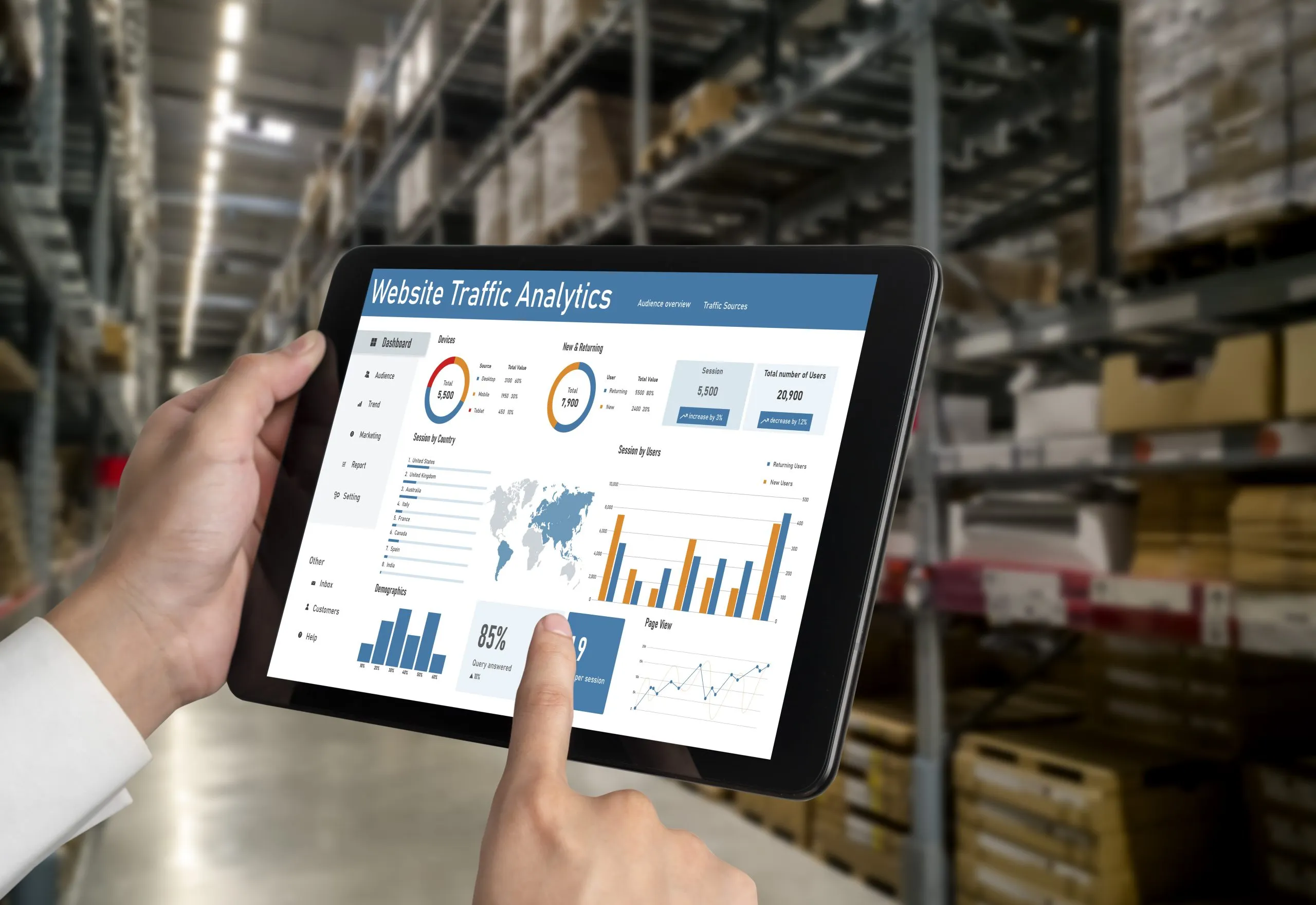
Warehouse automation benchmarking reports are gaining significant importance as organizations invest in digital warehousing technologies to improve operational productivity, fulfillment speed, and logistics efficiency. Increasing e-commerce demand, rising labor costs, inventory complexity, and growing customer expectations are driving adoption of warehouse automation systems including robotics, automated storage and retrieval systems, AI-enabled inventory management, conveyor technologies, and IoT-driven monitoring platforms.
By leveraging competitive intelligence, organizations can evaluate warehouse automation adoption trends, monitor competitor technology investments, and identify productivity improvement opportunities across distribution and fulfillment networks. Research indicates that automated warehouse operations can improve picking accuracy by over 25%, reduce order processing times by nearly 30%, and strengthen inventory visibility across high-volume logistics environments. Growing investment in smart warehousing and AI-driven fulfillment systems continues accelerating adoption of advanced automation technologies across regional and global supply chains.
Warehouse Automation Performance Across Logistics Networks
Understanding warehouse automation performance across logistics networks requires evaluating automation infrastructure, robotics integration, inventory management technologies, fulfillment efficiency, and warehouse operational capabilities. This enables organizations to benchmark productivity, reduce operational bottlenecks, and strengthen long-term logistics efficiency effectively.
Evaluating Warehouse Automation Infrastructure and Robotics Technologies
Assessing robotics systems, automated storage technologies, conveyor networks, AI-driven warehouse management systems, and IoT-enabled monitoring solutions helps organizations understand their effectiveness in improving operational productivity and reducing manual processing inefficiencies significantly.
Benchmarking Warehouse Productivity and Fulfillment Efficiency
Comparing warehouse throughput, order processing speed, picking accuracy, inventory visibility, and fulfillment efficiency enables organizations to benchmark automation performance and identify opportunities for improving logistics operations across distribution networks globally.
Identifying Operational Risks and Automation Gaps
Analyzing equipment downtime, labor dependency, system integration challenges, and operational bottlenecks helps organizations improve automation strategies while strengthening warehouse efficiency and reducing logistics disruptions across supply chains.
Monitoring Logistics Coordination and Inventory Visibility
Evaluating inventory tracking systems, warehouse coordination workflows, automated replenishment capabilities, and fulfillment integration helps organizations optimize warehouse operations, improve shipment readiness, and strengthen logistics responsiveness effectively.
Nexdigm’s Strategic Consulting for Enhancing Warehouse Automation Intelligence
Nexdigm’s strategic consulting helps logistics providers, retailers, manufacturers, and warehouse operators strengthen warehouse automation benchmarking reports and warehouse automation benchmarking reports through competitive intelligence, operational benchmarking, and productivity analytics. This enables organizations to improve automation adoption strategies, optimize fulfillment operations, and enhance long-term logistics competitiveness across warehousing and distribution networks.
Nexdigm’s Services Improving Warehouse Automation Performance
Nexdigm enhances warehouse automation performance by delivering warehouse automation benchmarking reports and actionable insights into competitor automation strategies, robotics adoption, and operational productivity trends, enabling stronger decision-making and improved fulfillment efficiency across logistics operations.
Leveraging Advanced Analytics for Warehouse Productivity Optimization
Nexdigm tracks competitor automation technologies, warehouse management systems, fulfillment workflows, labor productivity trends, and operational efficiency metrics to help organizations strengthen warehouse performance and improve logistics coordination strategies.
Optimizing Fulfillment Operations Through Automation Benchmarking
Nexdigm analyzes warehouse layouts, robotics integration strategies, inventory workflows, picking technologies, and distribution coordination models to improve fulfillment responsiveness and enhance operational efficiency across logistics environments.
Strengthening Warehouse Transformation Through Technology Intelligence
By evaluating digital warehousing trends, AI-enabled automation systems, robotics technologies, evolving operational standards, and logistics innovation frameworks, Nexdigm helps organizations align automation investments with evolving warehousing requirements and supply chain objectives.
Enhancing Productivity Forecasting Across Warehouse Operations
Nexdigm uses operational intelligence, fulfillment analytics, inventory performance trends, and warehouse productivity insights to improve forecasting accuracy for labor planning, inventory coordination, and automated warehouse capacity management across expanding logistics networks.
Nexdigm’s Case:
Nexdigm supported a leading retail and logistics organization through warehouse automation benchmarking reports and operational performance analysis, improving warehouse productivity by 21%, enhancing fulfillment accuracy by 17%, and strengthening operational efficiency through optimized automation strategies and logistics workflow improvements.
To take the next step, simply visit our Request a Consultation page and share your requirements with us.
Harsh Mittal
+91-8422857704