
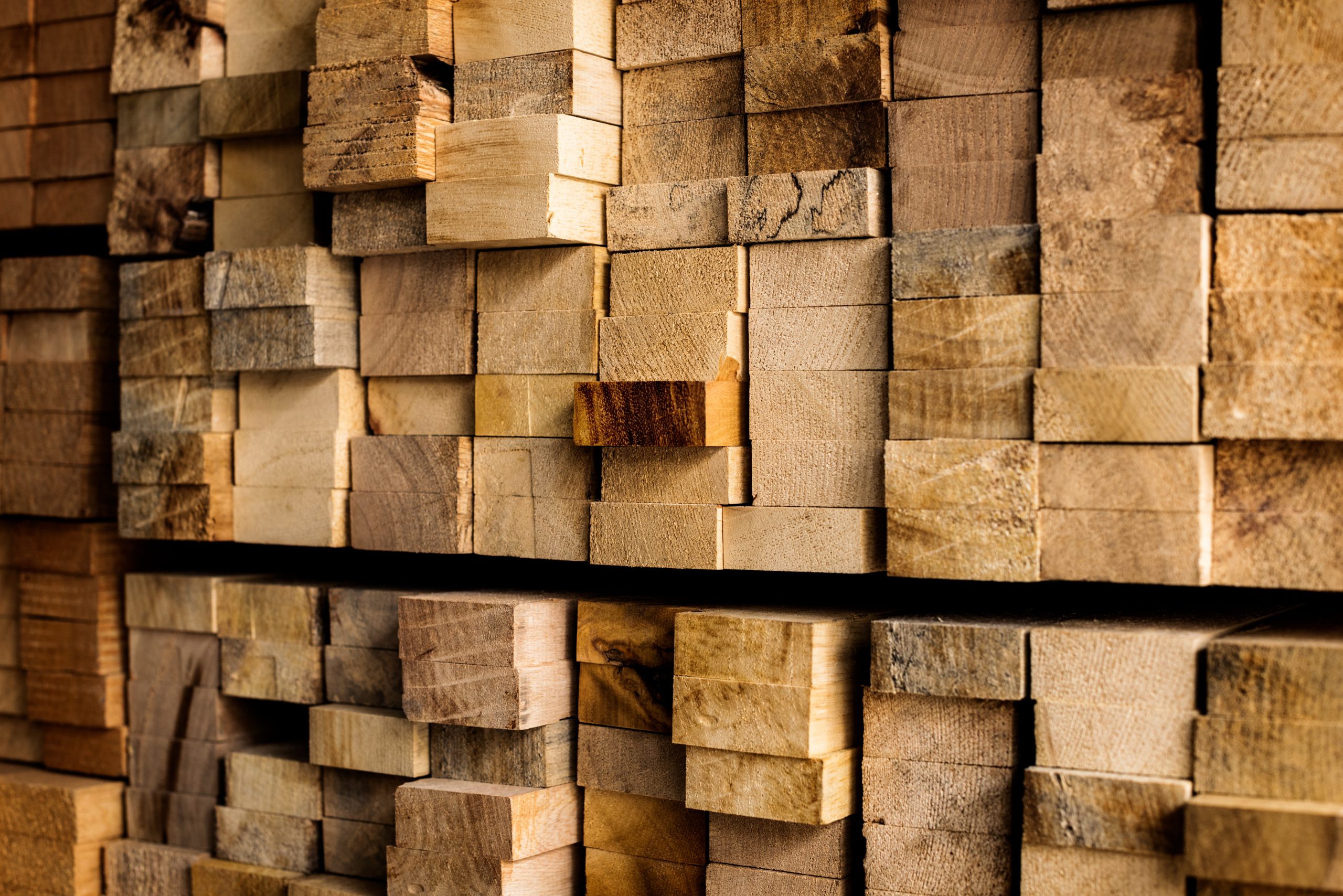
The Indonesia wood based panel market is experiencing steady development, supported by residential construction, furniture manufacturing, export demand, and increasing adoption of engineered wood products. Wood based panels, including plywood, particleboard, medium-density fiberboard, and oriented strand board, are widely used in furniture, cabinetry, flooring, packaging, and interior construction. Indonesia exported approximately USD 1.13 billion worth of tropical-faced plywood in 2024, representing around 1.87 million cubic meters. Growing housing investments, furniture production, sustainable forestry practices, and demand for certified timber products are creating favorable opportunities for wood panel manufacturers across domestic and international markets.
Key Market Drivers of Indonesia Wood Based Panel Market
Furniture Manufacturing and Export Demand Accelerate Market Growth
Indonesia’s established furniture and woodworking industries are creating significant opportunities for wood based panel manufacturers. Plywood, medium-density fiberboard, and particleboard are extensively used in residential furniture, modular kitchens, wardrobes, office furnishings, and decorative interiors. Indonesia exported approximately 1.17 million cubic meters of plywood worth USD 600 million during January–April 2025, reflecting continued international demand. Manufacturers increasingly prefer engineered wood panels because of their dimensional consistency, machining flexibility, smooth finishes, and suitability for decorative applications. Growing demand for customized furniture, laminated panels, and certified wood products is encouraging manufacturers to expand production capabilities and improve product quality.
Residential Construction and Housing Development Support Demand
Indonesia’s expanding residential construction sector is strengthening demand for engineered wood products. The government’s housing development ambitions include a target of 3 million homes annually, creating potential opportunities for interior materials, furniture, doors, and construction-grade panels. Residential communities, commercial buildings, and renovation projects require cost-effective materials offering durability, design flexibility, and efficient installation. Increasing adoption of modular furniture, prefabricated interiors, and decorative wood products is supporting market diversification. Growing urban development and housing accessibility initiatives are expected to strengthen consumption across domestic construction and furnishing applications.
Sustainable Timber Sourcing Creates Additional Opportunities
Growing emphasis on responsible forestry and environmentally compliant wood products is supporting demand for certified panels. Indonesia’s timber legality assurance framework encourages traceable raw material sourcing and compliance with export requirements. Investments in automated manufacturing, low-emission adhesives, and sustainable plantation management are creating opportunities for advanced wood panel technologies.
Government Supporting Indonesia Wood Based Panel Industry Development
Government housing and forestry initiatives are creating favorable conditions for Indonesia’s wood based panel market. The national housing development program targets the construction and renovation of up to 3 million homes annually, potentially supporting demand for interior and building materials. Indonesia’s Timber Legality Assurance System, known as SVLK, promotes legal timber sourcing and export compliance. Continued emphasis on sustainable forest management, manufacturing modernization, and value-added wood processing is expected to strengthen industry competitiveness and encourage responsible production practices.
Competitive Dynamics Across Indonesia Wood Based Panel Industry
The Indonesia wood based panel market includes integrated timber manufacturers, specialized plywood producers, engineered wood companies, and regional distributors. Competition centers on product durability, dimensional stability, moisture resistance, surface quality, pricing, and export compliance. Manufacturers offering plywood, medium-density fiberboard, particleboard, and decorative laminated panels can differentiate through consistent product quality and customized finishes. Investments in automated production, certified timber sourcing, low-emission adhesives, and efficient logistics networks are strengthening competitiveness across furniture manufacturing, construction, packaging, and international export applications.
Challenges Influencing Indonesia Wood Based Panel Industry
Raw Material Costs and Logistics Constraints
Wood based panel manufacturers face challenges related to fluctuating timber prices, adhesive costs, energy expenses, and transportation requirements. Indonesia’s geographically dispersed production facilities and export markets can increase logistics complexity. Competition for sustainably sourced timber may further affect raw material availability and manufacturing costs.
Environmental Compliance and Product Quality Requirements
Manufacturers must address timber legality verification, forest sustainability requirements, and formaldehyde emission standards. Maintaining consistent product quality while meeting international certification requirements can increase operating expenses. Smaller manufacturers may face additional challenges in adopting advanced production technologies and sustainable adhesive formulations.
Future Outlook
The Indonesia wood based panel market is expected to experience steady expansion, supported by furniture manufacturing, residential development, and international demand for engineered wood products. Continued investments in housing, commercial interiors, industrial packaging, and export-oriented manufacturing should generate additional opportunities for panel producers. Growing adoption of moisture-resistant plywood, decorative fiberboard, automated processing technologies, and low-emission adhesive systems is likely to improve product performance. Suppliers offering certified timber products, reliable sourcing networks, customized panel solutions, and efficient distribution capabilities should remain well positioned to capitalize on emerging opportunities through 2035.
Consultants at Nexdigm, in their latest publication “Indonesia Wood Based Panel Market Outlook to 2035,” analyze the sector By Adhesive Bonding Technology (Urea-Formaldehyde UF Systems, Melamine-Urea-Formaldehyde MUF Resin, Phenol-Formaldehyde PF Resin, Bio-based Adhesive Systems), By Geographic Production Hubs (East Kalimantan Cluster, Central Java Processing Zone, Sumatra Regional Facilities, West Java Distribution Centers)
Nexdigm suggests that businesses in the Indonesia Wood Based Panel Industry should strengthen certified timber sourcing, invest in advanced manufacturing technologies, develop low-emission and moisture-resistant products, expand furniture and construction partnerships, and improve logistics efficiency to enhance competitiveness and support long-term market growth.
To take the next step, simply visit our Request a Consultation page and share your requirements with us.
Harsh Mittal
+91-8422857704