
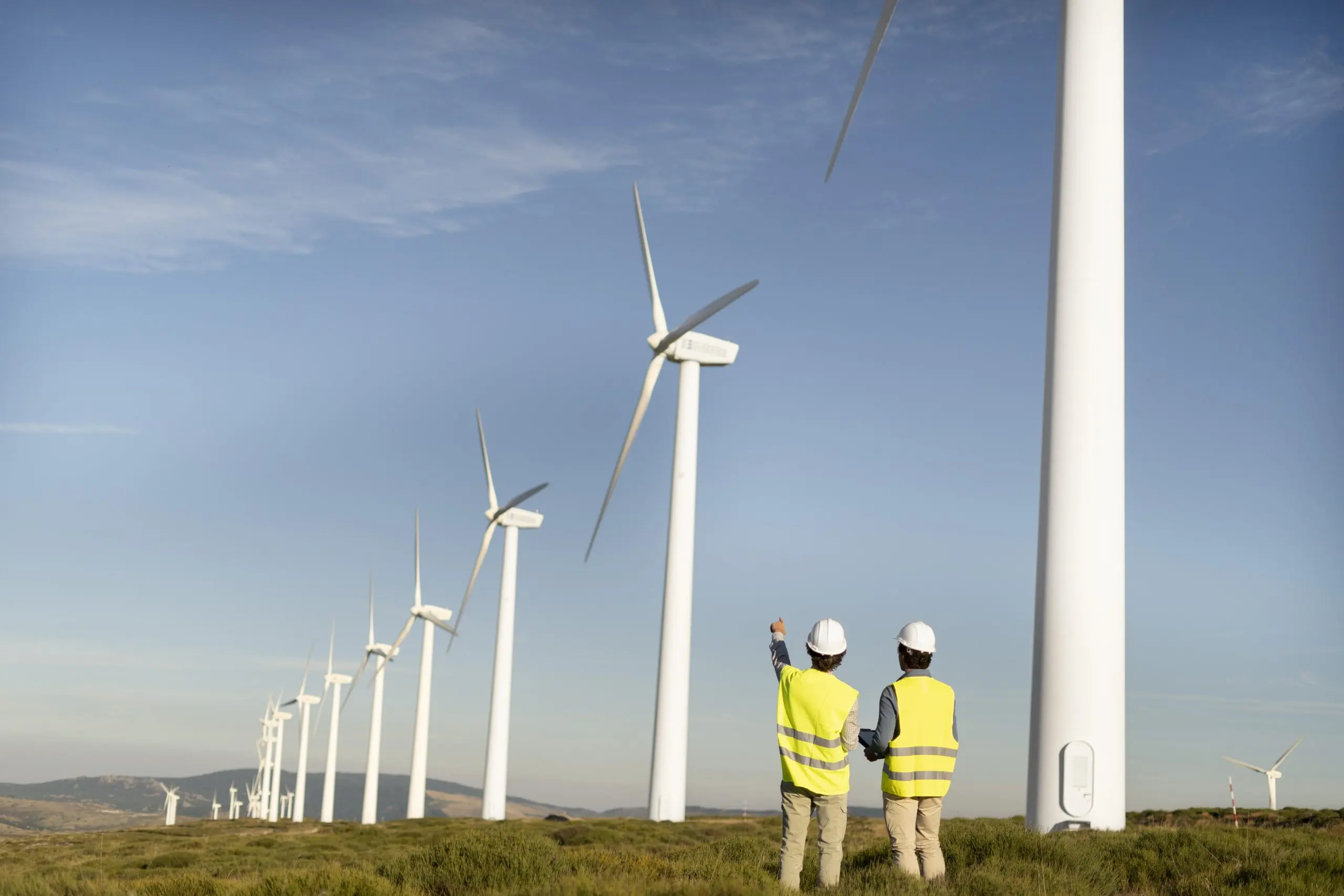
Australia’s wind energy market is on a steady growth trajectory as the country transitions towards renewable energy. With abundant natural resources, including coastal areas ideal for wind farms, Australia is increasingly investing in wind power as part of its efforts to reduce carbon emissions and achieve its renewable energy goals. In the upcoming years, wind energy is expected to be a central pillar in Australia’s energy mix, contributing to the country’s net-zero emissions goal. As technology advances and government support strengthens, the future of Australia’s wind energy market looks promising, with substantial opportunities for growth and innovation.
Factors Driving Growth of Australia’s Wind Energy Market
Abundant Wind Resources and Favorable Geography
Australia’s vast coastal regions and open spaces make it an ideal location for onshore and offshore wind farms. The country benefits from some of the world’s most consistent and high-quality wind resources, particularly in states like South Australia, where wind energy already accounts for a significant portion of the state’s electricity generation. With wind speeds that are ideal for power generation, Australia has the potential to expand its wind energy capacity exponentially. This natural advantage is driving increased interest from both domestic and international investors looking to capitalize on the growing demand for clean energy.
Strong Government Support and Renewable Energy Goals
The Australian government has committed to ambitious renewable energy targets. With incentives like the Renewable Energy Target (RET) and green energy investment funds, the government is encouraging the expansion of wind power. Additionally, state governments, such as Victoria and New South Wales, have also introduced local renewable energy initiatives, providing financial support and a clear regulatory framework for wind energy projects.
Technological Advancements and Cost Reductions
Technological innovations in wind turbine efficiency, energy storage, and grid integration are significantly lowering the cost of wind energy production. Over the past decade, the cost of wind power has dropped by more than 60%, making it increasingly competitive with fossil fuel-based energy. With continued advancements in turbine technology and energy storage solutions, wind energy is becoming more economically viable for large-scale projects, and offshore wind farms are becoming more efficient and cost-effective. These technological developments are driving increased investments and project approvals in Australia’s wind energy market.
Government Strategic initiatives Driving Wind Energy Market Expansion
The Australian government has shown strong commitment to the wind energy market through various policy measures and financial incentives. The Renewable Energy Target (RET), which mandates a specific percentage of electricity generated from renewable sources, supports wind power growth. Additionally, the Clean Energy Finance Corporation (CEFC) funds renewable energy projects, including wind farms, with favorable financial terms. The Emissions Reduction Fund and state-based renewable energy auctions further encourage the growth of wind energy by offering subsidies and financial incentives. These measures are crucial in helping Australia reach its renewable energy goals and accelerate the transition to clean energy.
Competitive Landscape in Australia’s Wind Energy Market
The Australian wind energy market is becoming highly competitive, with a mix of international players and local companies. Major global companies like Vestas, Siemens Gamesa, and GE Renewable Energy are heavily involved in the development and operation of wind farms across Australia. Additionally, local players such as Goldwind Australia and Infigen Energy are also key contributors to the market. The competitive landscape is further shaped by developers, investors, and operators working on both onshore and offshore wind projects. As the market grows, competition is expected to drive innovation, improve efficiency, and reduce the costs of wind energy production.
Challenges Facing the Growth of Australia’s Wind Energy Market
Grid Integration and Energy Storage
As wind energy generation increases, integrating it into Australia’s existing energy grid poses a significant challenge. Wind power is intermittent, meaning it does not generate electricity at a constant rate, which can cause fluctuations in the grid. To manage this, Australia will need to invest heavily in energy storage systems and smart grids to balance supply and demand effectively. Grid integration will be a critical challenge for wind energy, requiring substantial infrastructure development and technology advancements to ensure a stable and reliable energy supply.
Environmental and Social Concerns
While wind energy is considered one of the cleanest energy sources, there are environmental and social concerns related to the construction of wind farms. For example, some communities may oppose wind farms due to concerns about noise, visual impacts, or land use. Additionally, environmental impacts such as effects on local wildlife, particularly bird populations, must be considered during the planning and development phases. Addressing these concerns through community engagement and environmental impact assessments will be essential to ensuring the smooth development of wind projects.
Future Outlook
Australia’s wind energy market is expected to continue growing at a strong pace, with projections. The country’s rich wind resources, coupled with favorable government policies and technological innovations, will drive significant expansion in both onshore and offshore wind capacity. By next decade, wind energy is expected to play a central role in Australia’s clean energy mix, helping the country achieve its renewable energy goals and net-zero emissions target. With ongoing investments, technological advancements, and strong government support, the future of Australia’s wind energy market looks bright.
Consultants at Nexdigm, in their latest publication Australia Wind Energy Market Outlook to 2035, analyze the sector by End User Segment (Residential Customers, Commercial Businesses, Industrial Facilities, Utilities, Government Entities), by Procurement Channel (Direct Procurement, Government Tenders, Private Sector Procurement, Online Procurement Platforms, Third party Distributors).
Nexdigm suggests that businesses should actively explore and invest in wind energy to align with the country’s growing renewable energy goals. By embracing wind power, companies can reduce their energy costs, support sustainability initiatives, and enhance their competitiveness in a green energy market. Furthermore, businesses should take advantage of government incentives and collaborate with local and international energy players to leverage technological advancements in wind energy systems.
To take the next step, simply visit our Request a Consultation page and share your requirements with us.
Harsh Mittal
+91-8422857704