
 Download PDF
 Download PDF
Market Overview
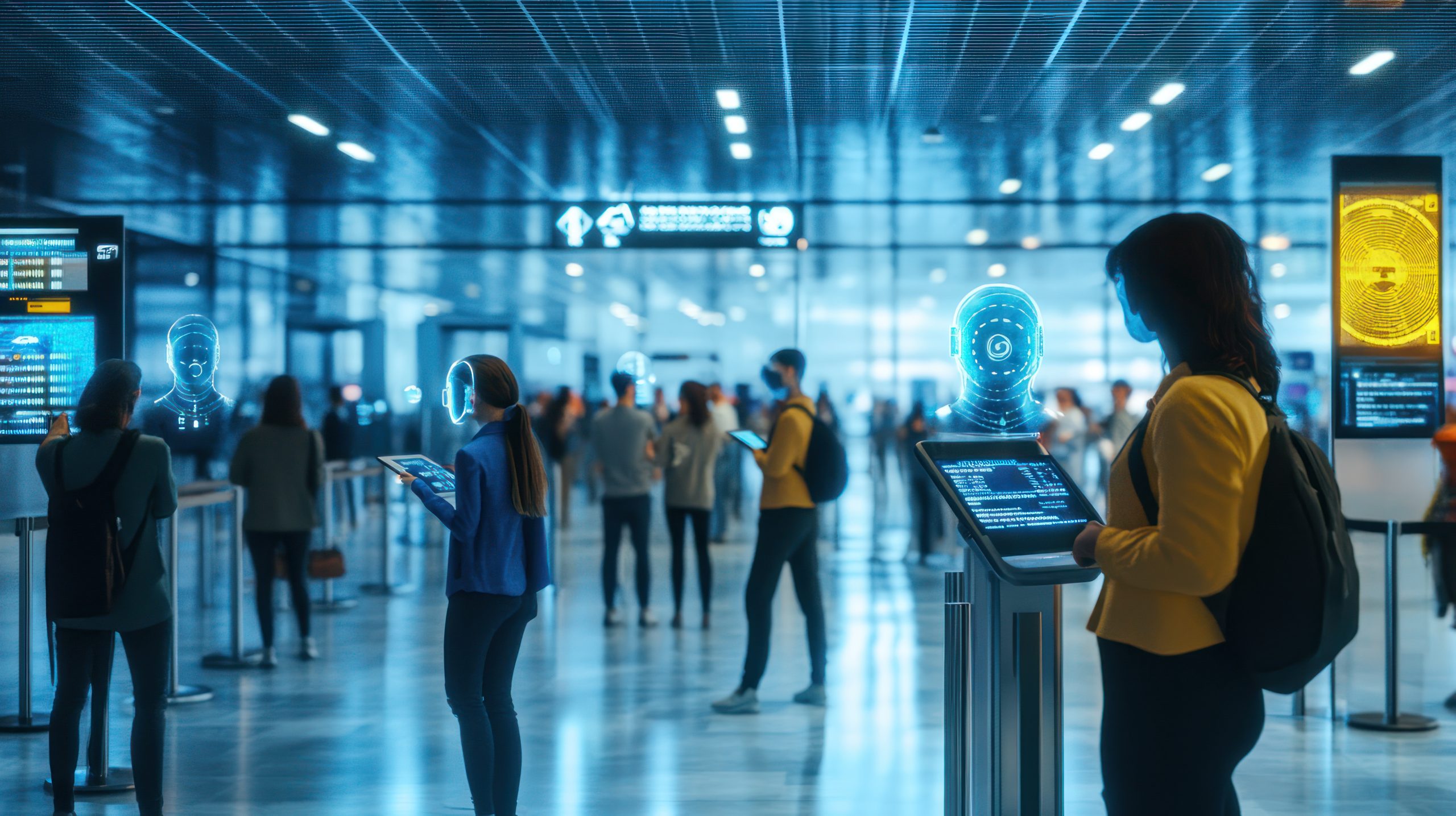
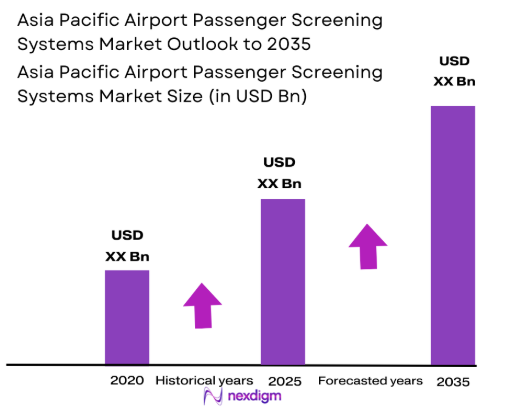
The Asia Pacific Airport Passenger Screening Systems market is estimated to reach USD ~ billion based on a recent historical assessment. The market growth is driven by increasing passenger traffic, strict aviation security measures, and the implementation of advanced screening technologies. These systems help ensure the safety of passengers and goods at airports while maintaining smooth operational flow, especially in the post-pandemic era. In addition, regulatory mandates for higher security standards are contributing to the market’s expansion.
The Asia Pacific region dominates this market, particularly in countries like China, India, Japan, and Australia. These nations have seen substantial investments in airport modernization, expanding their transport infrastructure to accommodate rising passenger volumes. Increasing international air travel, government initiatives to enhance airport security, and the growing trend of smart airports further support the dominance of these regions. Additionally, cities like Singapore, Tokyo, and Hong Kong are major hubs due to their strategic locations, serving as transit points for international flights.
Market Segmentation
By System Type
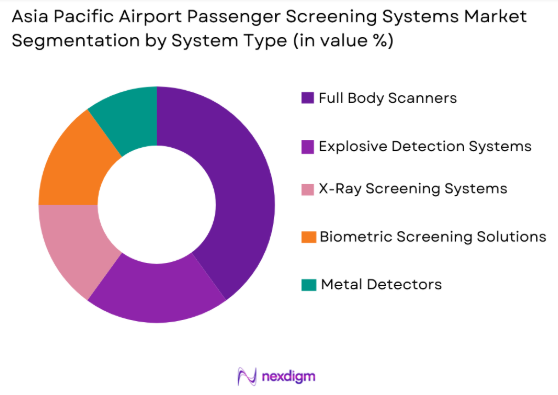
Asia Pacific Airport Passenger Screening Systems market is segmented by product type into Full Body Scanners, Explosive Detection Systems, X-Ray Screening Systems, Biometric Screening Solutions, and Metal Detectors. Recently, X-Ray Screening Systems have a dominant market share due to factors such as demand patterns, brand presence, infrastructure availability, and consumer preference. X-Ray systems are commonly used at airports worldwide for their ability to scan large volumes of luggage quickly while ensuring security. This technology offers a balance between safety and operational efficiency, which is key to handling the increased passenger traffic in busy airports.
By Platform Type
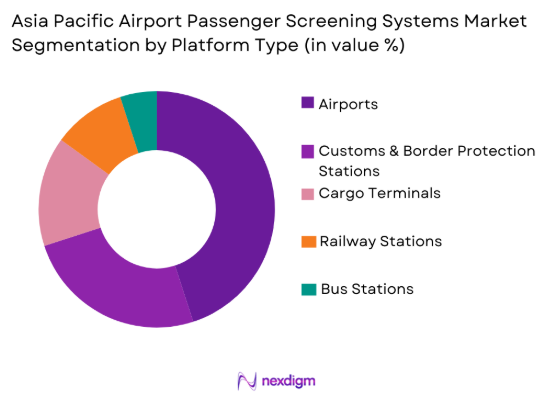
Asia Pacific Airport Passenger Screening Systems market is segmented by platform type into Airports, Customs & Border Protection Stations, Cargo Terminals, Railway Stations, and Bus Stations. Recently, airports have a dominant market share due to factors such as demand patterns, brand presence, infrastructure availability, and consumer preference. The growth of air travel, both domestic and international, has pushed airports to adopt state-of-the-art screening systems to ensure passenger safety. Airports are at the forefront of technological upgrades as they aim to streamline passenger flow while meeting international security standards.
Competitive Landscape
The competitive landscape of the Asia Pacific Airport Passenger Screening Systems market is highly dynamic, with significant consolidation occurring among major players. Leading companies like Smiths Detection and Rapiscan Systems are expanding their market reach through strategic acquisitions and partnerships. As a result, these companies are solidifying their presence, with a focus on continuous innovation in biometric screening and automated detection technologies. These firms also collaborate with government agencies to ensure compliance with stringent regulations and offer advanced solutions tailored to the region’s diverse airport infrastructure.
| Company Name | Establishment Year | Headquarters | Technology Focus | Market Reach | Key Products | Revenue (USD) | Additional Parameter |
| Smiths Detection | 1940 | UK | ~ | ~ | ~ | ~ | ~ |
| Rapiscan Systems | 1993 | USA | ~ | ~ | ~ | ~ | ~ |
| CEIA | 1961 | Italy | ~ | ~ | ~ | ~ | ~ |
| L3Harris Technologies | 2002 | USA | ~ | ~ | ~ | ~ | ~ |
| Leidos | 1969 | USA | ~ | ~ | ~ | ~ | ~ |
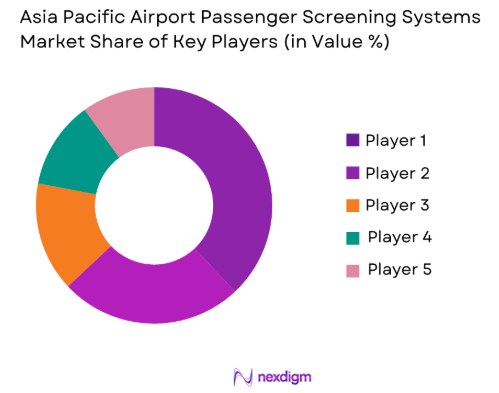
Asia Pacific Airport Passenger Screening Systems Market Analysis
Growth Drivers
Government Investments in Airport Infrastructure
Government investments in airport infrastructure play a significant role in driving the growth of the Asia Pacific Airport Passenger Screening Systems market. With the region’s rapidly increasing passenger volumes and the need to meet stringent security standards, governments are allocating substantial funds to modernize and expand airport facilities. These investments often include upgrading passenger screening systems to enhance security while improving operational efficiency. Governments, particularly in China, India, and Japan, are focusing on developing new airports and upgrading existing ones to accommodate the growing number of travelers, creating an increasing demand for advanced screening technologies. Additionally, the rising adoption of smart airport concepts, which integrate advanced technologies for security and convenience, is pushing the demand for more sophisticated passenger screening systems in the region. Such initiatives further fuel the market growth by supporting the adoption of the latest security systems and providing a more seamless travel experience.
Technological Advancements in Screening Solutions
Technological advancements are transforming airport passenger screening systems, making them faster, more accurate, and efficient. With the growing need for enhanced security measures, innovations such as biometric screening, AI-powered imaging, and automated detection systems are driving the demand for new screening technologies. These advancements offer better accuracy in threat detection, such as identifying hidden explosives or weapons, while minimizing wait times for passengers. The shift toward biometric screening systems is one of the key drivers, as it enables contactless and faster identification, aligning with the global push for hygiene and security. Additionally, the integration of machine learning and AI into screening solutions allows for real-time threat detection and the ability to adapt to new security challenges. These technological improvements provide airports with more efficient and scalable systems, allowing them to handle high passenger volumes while meeting regulatory security standards. As the technology continues to evolve, its application in passenger screening will only increase, contributing to sustained market growth.
Market Challenges
High Costs of Advanced Screening Systems
One of the primary challenges facing the Asia Pacific Airport Passenger Screening Systems market is the high cost of advanced screening technologies. The acquisition and installation of modern security systems, such as full-body scanners, biometric systems, and explosive detection devices, involve significant financial investment. For many airports, especially those in developing countries or smaller regions, these high upfront costs present a major barrier to adopting state-of-the-art screening systems. Moreover, maintaining and upgrading these systems over time adds additional financial strain. The cost of ensuring system compatibility with existing infrastructure, as well as the operational and maintenance expenses, further exacerbates this challenge. Although the return on investment is clear in terms of enhanced security and operational efficiency, smaller airports may find it difficult to justify the initial costs, making it a significant hurdle for widespread adoption across the region.
Integration of New Systems with Existing Infrastructure
Another significant challenge for airports in the Asia Pacific region is the integration of new passenger screening technologies with existing infrastructure. Many airports, particularly those built decades ago, were not designed to accommodate the latest screening systems, which often require substantial space and upgrades to the surrounding infrastructure. Additionally, the integration of new systems into existing security protocols, software, and hardware requires careful planning and extensive testing. Airports must ensure that newly introduced screening technologies can work seamlessly with legacy systems to maintain security standards while improving efficiency. This process is often time-consuming and costly, particularly for airports operating at full capacity. The logistical complexities involved in upgrading and integrating screening systems can delay implementation and lead to extended disruptions, affecting overall airport operations.
Opportunities
Rising Demand for Smart Airport Solutions
The demand for smart airports in the Asia Pacific region presents a significant opportunity for the growth of airport passenger screening systems. Governments and airport operators are increasingly adopting digital and automated solutions to enhance the overall passenger experience while ensuring top-tier security standards. This trend is particularly strong in major aviation hubs like Singapore, Tokyo, and Hong Kong, where there is a focus on integrating biometric authentication, self-service kiosks, and automated screening systems. The transition to smart airports allows for the seamless integration of advanced passenger screening technologies, such as facial recognition and AI-driven threat detection, improving both security and efficiency. As more airports in the region transition toward smart infrastructure, the need for cutting-edge passenger screening systems will continue to rise, providing ample opportunities for technology providers to expand their market share.
Adoption of Contactless Security Systems
The growing demand for contactless solutions, driven by concerns over hygiene and convenience, represents a significant opportunity for the Asia Pacific Airport Passenger Screening Systems market. Contactless security systems, including biometric identification, facial recognition, and mobile-based check-in and boarding processes, are increasingly popular as airports aim to reduce physical contact and streamline operations. With the global trend toward minimizing physical interaction due to health concerns, the adoption of touchless systems is expected to accelerate. In the wake of the COVID-19 pandemic, airports are prioritizing the installation of systems that facilitate faster, safer, and more convenient security checks for passengers. These systems not only enhance the passenger experience but also contribute to faster throughput and increased operational efficiency. As the demand for hygiene-conscious, efficient, and seamless travel experiences grows, contactless security solutions will become a key focus for airports in the Asia Pacific region, offering substantial growth potential for screening system providers.
Future Outlook
The Asia Pacific Airport Passenger Screening Systems market is expected to experience steady growth over the next five years. Advances in biometric and AI-driven technologies will dominate the market, providing opportunities for more efficient and accurate screening processes. With increased government support for infrastructure development, there will be a continued focus on upgrading airports to meet rising security standards and handle higher passenger volumes. These factors, coupled with a growing demand for contactless systems, will significantly contribute to the expansion of the market.
Major Players
- Smiths Detection
- Rapiscan Systems
- CEIA
- L3Harris Technologies
- Leidos
- Nuctech
- VOTI Detection
- OSI Systems
- S2 Global
- American Science and Engineering
- Garrett Metal Detectors
- Demista
- Thermo Fisher Scientific
- Honeywell
- INSCAN
Key Target Audience
- Investments and venture capitalist firms
- Government and regulatory bodies
- Airport authorities and operators
- Airlines and aviation service providers
- Border protection agencies
- Private security firms
- Technology providers for airport solutions
- Military and defense sectors
Research Methodology
Step 1: Identification of Key Variables
In this step, the critical variables that influence the airport passenger screening systems market are identified through industry reports and consultations with stakeholders. These variables include passenger volume, security standards, technological advancements, and government regulations.
Step 2: Market Analysis and Construction
Market analysis is conducted by collecting data from secondary sources, including industry reports, government publications, and news articles. The data is then structured to create a clear market picture, which includes historical trends, competitive analysis, and segmentation.
Step 3: Hypothesis Validation and Expert Consultation
To validate the findings, consultations are conducted with industry experts and stakeholders, such as airport operators and security system providers. These insights help refine the assumptions and further solidify the market analysis.
Step 4: Research Synthesis and Final Output
The final stage involves synthesizing the data collected and expert opinions to develop a comprehensive market report. This includes writing detailed sections, tables, and graphs that provide actionable insights into the Asia Pacific Airport Passenger Screening Systems market.

- Executive Summary
- Research Methodology (Definitions, Scope, Industry Assumptions, Market Sizing Approach, Primary & Secondary Research Framework, Data Collection & Verification Protocol, Analytic Models & Forecast Methodology, Limitations & Research Validity Checks)

- Market Definition and Scope
- Value Chain & Stakeholder Ecosystem
- Regulatory / Certification Landscape
- Sector Dynamics Affecting Demand
- Strategic Initiatives & Infrastructure Growth

- Growth Drivers
Rising Passenger Traffic in the Asia Pacific Region
Increased Focus on Aviation Security
Government Initiatives to Enhance Airport Infrastructure
Technological Advancements in Screening Solutions
Adoption of Biometric Screening Technologies - Market Challenges
High Installation & Maintenance Costs
Privacy Concerns and Public Resistance
Integration Challenges with Existing Infrastructure
Regulatory & Compliance Barriers
Cybersecurity Threats in Screening Systems - Market Opportunities
Expansion of Smart Airports in Asia Pacific
Increasing Demand for Contactless Screening Solutions
Collaboration Between Private & Public Sectors - Trends
Shift Towards Automated Screening Systems
Increasing Role of AI in Screening & Surveillance
Integration of Biometric Authentication for Efficiency
Adoption of Touchless & Contactless Screening Technology
Growth in Airport Modernization Projects - Government Regulations & Defense Policy
Aviation Security and Privacy Regulations
Certification Standards for Screening Systems
Government Funding for Airport Security Upgrades

- By Market Value, 2020-2025
- By Installed Units, 2020-2025
- By Average System Price, 2020-2025
- By System Complexity Tier, 2020-2025

- By System Type (In Value%)
Full Body Scanners
Explosive Detection Systems
X-Ray Screening Systems
Biometric Screening Solutions
Metal Detectors - By Platform Type (In Value%)
Airports
Customs & Border Protection Stations
Cargo Terminals
Railway Stations
Bus Stations - By Fitment Type (In Value%)
Fixed Systems
Portable Systems
Hybrid Systems
Mobile Systems
Integrated Systems - By End User Segment (In Value%)
Airlines
Government & Border Agencies
Airport Operators
Private Security Firms
Military & Defense - By Procurement Channel (In Value%)
Direct Procurement
Government Contracts
Private Sector Procurement
Third-Party Suppliers
Online Bidding Platforms - By Material / Technology (in Value%)
Metal Detectors
Advanced Imaging Technology
Computed Tomography
Electromagnetic Screening
Artificial Intelligence & Machine Learning

- Market structure and competitive positioning
- Market share snapshot of major players
- Cross Comparison Parameters (System Type, Platform Type, Procurement Channel, End User Segment, Fitment Type, Material/Technology, Price, Government & Compliance, Innovation, Customer Support)
- SWOT Analysis of Key Players
- Pricing & Procurement Analysis
- Porter’s Five Forces
- Key Players
Smiths Detection
Rapiscan Systems
CEIA
L3Harris Technologies
Leidos
Vanderlande
Scanna MSC
Nuctech
AS&E
S2 Global
American Science and Engineering
G4S
Honeywell
Metrasens
X-Ray Security Solutions

- Airlines’ Demand for Fast, Secure Passenger Screening
- Government Agencies’ Role in Regulation and Security
- Airports’ Push for Efficiency and Safety
- Private Security Firms’ Investment in Advanced Screening Technologies

- Forecast Market Value, 2026-2035
- Forecast Installed Units, 2026-2035
- Price Forecast by System Tier, 2026-2035
- Future Demand by Platform, 2026-2035


 Request a Sample
 Ask for Customization
 Get a Quote
 Enquire Now