
 Download PDF
 Download PDF
Market Overview
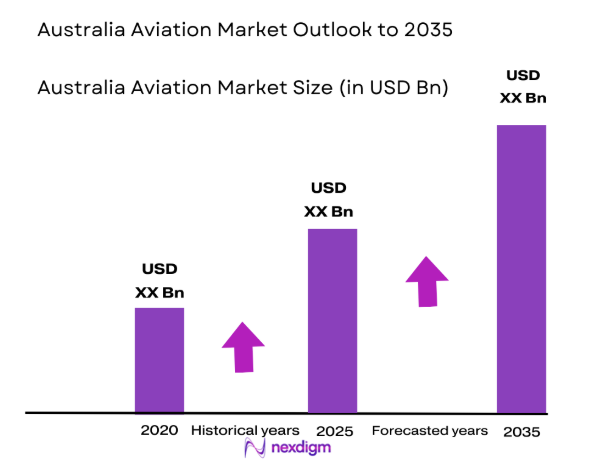
Based on a recent historical assessment, the market size is valued at approximately USD ~ billion, driven by consistent growth in the aviation industry. This growth is supported by the rise in global air travel, increasing airline fleet expansions, and the rapid adoption of advanced technologies like automation and digitalization in the sector. Technological innovations in air traffic management systems, aircraft manufacturing, and airport ground services continue to boost the market. Key drivers such as fuel-efficient aircraft, the expansion of regional airports, and global infrastructure projects have further spurred development across the aviation sector.
The aviation market is heavily dominated by countries such as the United States, China, and major European nations, which have strong aviation infrastructure, high demand for air travel, and established technological advancements. Australia, within the Asia-Pacific region, has also gained prominence due to its strategic location for international air routes, robust regulatory frameworks, and growing investment in airport modernization. Major cities like Sydney, Melbourne, and Brisbane have emerged as central hubs for both domestic and international aviation activities.
Market Segmentation
By Product Type
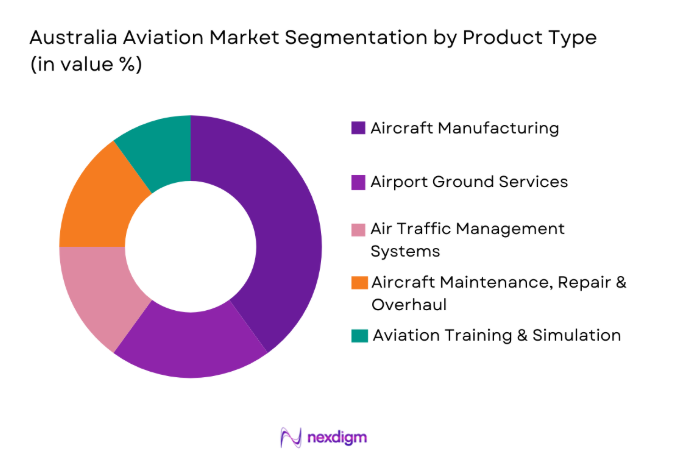
The aviation market is segmented by product type into aircraft manufacturing, airport ground services, air traffic management systems, aircraft maintenance, repair & overhaul, and aviation training & simulation. Recently, aircraft manufacturing has dominated the market share due to high demand for new aircraft, driven by the global increase in air travel. This segment benefits from technological advancements such as fuel-efficient aircraft and the shift towards electric and hybrid-powered airplanes, making it a key player in market dominance. Additionally, growing passenger traffic and the expansion of fleets to meet the demand for regional connectivity have solidified aircraft manufacturing as a market leader.
By Platform Type
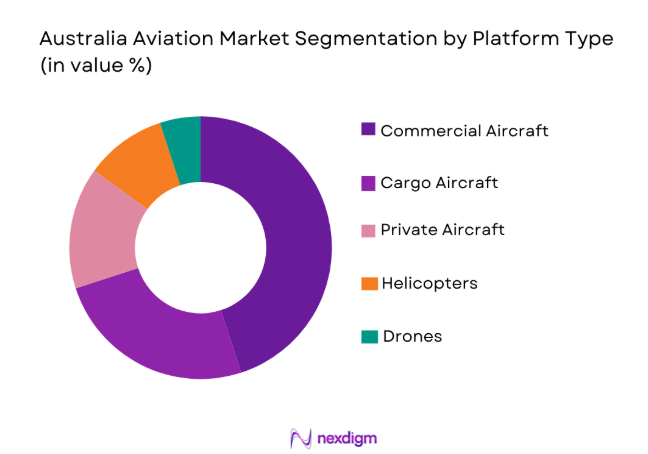
The aviation market is segmented by platform type into commercial aircraft, cargo aircraft, private aircraft, helicopters, and drones. Recently, commercial aircraft has dominated the market share due to the consistent growth in passenger traffic and the increasing number of airline fleets globally. Commercial aircraft are crucial for both international and domestic travel, with airlines expanding their fleets to accommodate growing demand. The rise in low-cost carriers and budget-friendly options has also contributed to the platform’s dominance, making commercial aircraft the central player in the aviation market.
Competitive Landscape
The competitive landscape is defined by a mixture of established global players and emerging regional providers. Major industry players continue to consolidate, focusing on expanding their product portfolios and improving technological advancements. Mergers and acquisitions have become prevalent as companies seek to strengthen their market position, enhance capabilities, and meet the rising demand for new technologies such as electric aviation and AI-powered air traffic control systems. The global influence of players in aircraft manufacturing, aviation services, and related technologies is particularly notable.
| Company Name | Establishment Year | Headquarters | Technology Focus | Market Reach | Key Products | Revenue | Key Market-Specific Parameter |
| Boeing | 1916 | USA | ~ | ~ | ~ | ~ | ~ |
| Airbus | 1970 | France | ~ | ~ | ~ | ~ | ~ |
| Lockheed Martin | 1912 | USA | ~ | ~ | ~ | ~ | ~ |
| Northrop Grumman | 1939 | USA | ~ | ~ | ~ | ~ | ~ |
| Thales Group | 1893 | France | ~ | ~ | ~ | ~ | ~ |
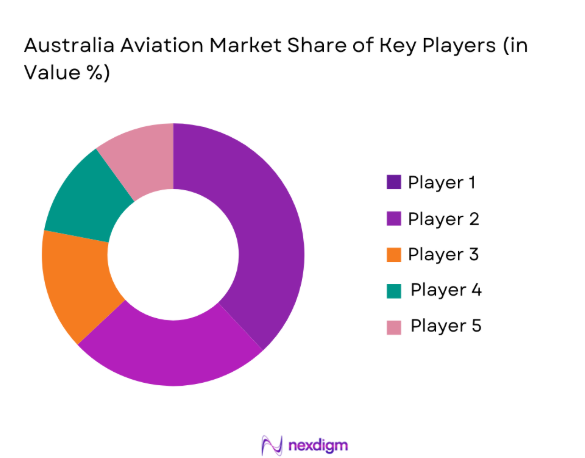
Australia Aviation Market Analysis
Growth Drivers
Increasing Air Traffic:
The rise in global air traffic is one of the primary growth drivers for the aviation market. With more passengers flying globally and the growing preference for air travel, airlines are expanding their fleets to meet the rising demand. The expanding tourism industry in regions such as Australia, along with economic growth in emerging markets, is contributing to the increase in air traffic. More routes are being developed, particularly to remote or underserved destinations, increasing the need for additional aircraft. The introduction of low-cost carriers has further accelerated demand, providing affordable travel options for a broader segment of the population. Airports are also enhancing their capacity to handle this increased traffic, with modernization projects and new infrastructure developments underway. This consistent rise in air traffic and the corresponding need for more aircraft will drive market expansion in the coming years.
Technological Advancements:
Another major growth driver in the aviation market is the continued advancement of technology. Innovations such as more fuel-efficient aircraft, digital air traffic management systems, and autonomous aviation technologies are pushing the industry forward. These advancements aim to improve the efficiency and safety of flight operations while lowering operational costs. The development of electric and hybrid-powered aircraft is also contributing to growth, as airlines and manufacturers strive to meet environmental sustainability goals. Additionally, advancements in aircraft manufacturing processes, such as additive manufacturing and automation, are reducing production costs and improving product quality. These technological innovations will continue to shape the market and provide opportunities for growth.
Market Challenges
Regulatory Constraints:
One of the major challenges for the aviation market is navigating the complex regulatory landscape. Stringent aviation regulations set by national and international authorities govern everything from safety standards to environmental practices. While these regulations are vital for maintaining safety and operational integrity, they can also stifle innovation and increase operational costs for airlines and aircraft manufacturers. Compliance with environmental standards, such as reducing carbon emissions, is particularly challenging for the industry. Regulations surrounding noise pollution and aircraft design also add another layer of complexity, making it difficult for companies to bring new aircraft or technologies to market. Stricter regulations and policies can slow the pace of growth in the aviation sector, particularly for smaller players trying to compete with established industry giants.
Labor Shortages:
The aviation market is currently grappling with a significant shortage of skilled labor. Qualified pilots, engineers, and ground staff are in high demand, making it challenging for aviation companies to maintain operations at peak efficiency. The COVID-19 pandemic exacerbated this issue, with layoffs and furloughs in the industry leading to a reduction in workforce capabilities. As global air travel rebounds, airlines are struggling to hire and train enough qualified personnel to meet the rising demand. Labor shortages can lead to delays in service, operational inefficiencies, and increased costs for businesses, ultimately affecting the overall performance of the market. Companies are investing in automation and artificial intelligence to address some of these challenges, but the shortage of skilled human resources remains a significant hurdle.
Opportunities
Sustainable Aviation:
One of the key opportunities in the aviation market is the shift toward sustainable aviation practices. Airlines and manufacturers are focusing on reducing the environmental impact of air travel, particularly carbon emissions. The development and adoption of sustainable aviation fuels (SAFs) and electric aircraft are opening up new avenues for growth. Governments worldwide are supporting these efforts through funding and regulatory incentives, aiming to reduce the carbon footprint of the aviation industry. As concerns about climate change increase, sustainable aviation practices will become a major driver for investment and innovation in the market. Companies that are at the forefront of this shift will likely gain a competitive advantage, positioning themselves as leaders in a rapidly changing industry.
Autonomous Aircraft:
The development of autonomous aircraft presents a unique opportunity for the aviation market. Advances in artificial intelligence, machine learning, and autonomous systems are making it increasingly feasible to operate aircraft without human pilots. Autonomous aircraft have the potential to reduce operational costs, enhance safety, and improve the efficiency of air traffic management. This technology could revolutionize the aviation industry by enabling more flights with fewer crew members, thus reducing costs for airlines. The rise of drones and unmanned aerial systems (UAS) also signals a new frontier for the aviation market, creating opportunities for businesses to develop innovative solutions that cater to these emerging platforms.
Future Outlook
Over the next five years, the aviation market is expected to see continued growth, with key trends such as sustainability, automation, and increased passenger demand driving expansion. Technological advancements, especially in electric aviation and air traffic management systems, are expected to reduce operational costs while improving safety and efficiency. Regulatory support, particularly in the development of sustainable aviation fuels and green technologies, will further accelerate this growth. The ongoing recovery of global travel, along with increased investment in airport infrastructure, will support demand-side factors and provide a solid foundation for long-term market growth.
Major Players
• Boeing
• Airbus
• Lockheed Martin
• Northrop Grumman
• Thales Group
• Rolls-Royce
• Raytheon Technologies
• Embraer
• Leonardo
• Bombardier
• Mitsubishi Heavy Industries
• Honeywell Aerospace
• Pratt & Whitney
• United Technologies
• Safran
Key Target Audience
• Investments and venture capitalist firms
• Government and regulatory bodies
• Airlines and aviation service providers
• Aircraft manufacturers
• Airport management authorities
• Air traffic management agencies
• Aviation technology developers
• Private aircraft owners
Research Methodology
Step 1: Identification of Key Variables
This step involves defining key parameters such as market size, growth drivers, and segmentation categories that are crucial to the research.
Step 2: Market Analysis and Construction
Data is collected from primary and secondary sources to build a comprehensive picture of the market landscape and identify trends.
Step 3: Hypothesis Validation and Expert Consultation
Expert insights and industry feedback are used to validate assumptions and refine the market model.
Step 4: Research Synthesis and Final Output
The collected data is synthesized to produce the final report, which includes detailed analyses and forecasts for market trends and key players.

- Executive Summary
- Research Methodology (Definitions, Scope, Industry Assumptions, Market Sizing Approach, Primary & Secondary Research Framework, Data Collection & Verification Protocol, Analytic Models & Forecast Methodology, Limitations & Research Validity Checks)

- Market Definition and Scope
- Value Chain & Stakeholder Ecosystem
- Regulatory / Certification Landscape
- Sector Dynamics Affecting Demand
- Strategic Initiatives & Infrastructure Growth

- Growth Drivers
Increased air travel demand
Expanding tourism industry
Government investment in aviation infrastructure
Technological advancements in aircraft design
Rise in cargo transport requirements - Market Challenges
Regulatory complexities
Rising fuel prices
Skilled labor shortage
Environmental sustainability pressures
Security concerns in air travel - Market Opportunities
Development of low-emission aircraft
Rise of autonomous and electric aircraft
Opportunities in emerging regional markets - Trends
Growing adoption of sustainable aviation fuels
Shift towards unmanned aerial systems (UAS)
Integration of AI in air traffic management
Airline mergers and partnerships
Growth in air cargo logistics - Government Regulations & Defense Policy
Government funding for aviation research
Regulation of environmental standards
Aviation safety and cybersecurity regulations - SWOT Analysis
Stakeholder and Ecosystem Analysis
Porter’s Five Forces Analysis
Competition Intensity and Ecosystem Mapping

- By Market Value, 2020-2025
- By Installed Units, 2020-2025
- By Average System Price, 2020-2025
- By System Complexity Tier, 2020-2025

- By System Type (In Value%)
Aircraft Manufacturing
Airport Ground Services
Air Traffic Management Systems
Aircraft Maintenance, Repair & Overhaul
Aviation Training & Simulation - By Platform Type (In Value%)
Commercial Aircraft
Cargo Aircraft
Private Aircraft
Helicopters
Drones - By Fitment Type (In Value%)
New Installations
Retrofit Services
Upgrades
Modifications
MRO Services - By EndUser Segment (In Value%)
Airlines
Aviation Service Providers
Government & Military
Private Aircraft Owners
Freight & Logistics Companies - By Procurement Channel (In Value%)
Direct Procurement
OEMs
Distributors
Online Procurement
Public Tenders - By Material / Technology (in Value%)
Carbon Fiber Composites
Advanced Aerodynamics
Avionics & Navigation Systems
Electric Propulsion Systems
Sustainable Aviation Fuels

- Market structure and competitive positioning
- Market share snapshot of major players
CrossComparison Parameters (Product portfolio, Market share, R&D investment, Geographic presence, Customer base, Pricing strategy, Product innovation, Brand value, Distribution network) - SWOT Analysis of Key Players
- Pricing & Procurement Analysis
- Key Players
Qantas Airways
Virgin Australia
Australian Air Express
Rex Airlines
Hawker Pacific
Sikorsky Aircraft
Embraer
Airbus Australia
Boeing Australia
Northrop Grumman
Thales Group
Lockheed Martin Australia
Airservices Australia
Australian Aerospace
Cobham Aviation Services

- Airlines investing in fleet expansion
- Private aircraft owners focusing on luxury services
- Government bodies enhancing airport infrastructure
- Logistics companies increasing cargo aircraft fleet

- Forecast Market Value, 2026-2035
- Forecast Installed Units, 2026-2035
- Price Forecast by System Tier, 2026-2035
- Future Demand by Platform, 2026-2035


 Request a Sample
 Ask for Customization
 Get a Quote
 Enquire Now