

 Download PDF
 Download PDF
Market Overview
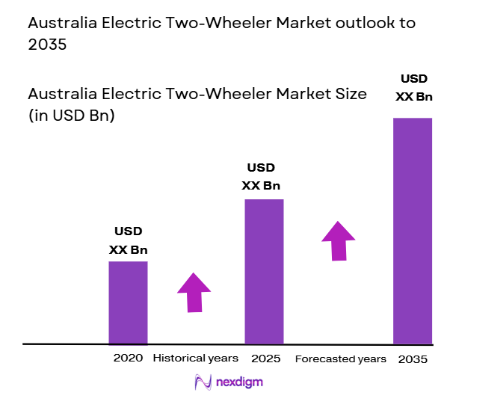
The Australia Electric Two-Wheeler Market is expected to reach USD ~ billion by the end of a recent historical assessment. Growth in this market is being driven by increasing consumer preference for environmentally friendly transportation options, government incentives for electric vehicle (EV) adoption, and advancements in battery technology. Additionally, urbanization and rising fuel costs are contributing to the demand for cost-effective and sustainable transportation solutions, especially in metropolitan areas. As consumers become more eco-conscious, the adoption of electric two-wheelers is set to accelerate, supported by innovations in battery charging and a focus on reducing operating costs for electric vehicles.
The dominant cities in this market include Sydney, Melbourne, and Brisbane, where high population density, traffic congestion, and supportive government policies are fostering the demand for electric two-wheelers. These cities have seen a growing push towards green transportation, with local governments implementing regulations to reduce emissions and invest in EV infrastructure. Furthermore, these regions benefit from an established consumer base for sustainable technologies and are witnessing increasing investments in public and private sector EV initiatives, further promoting electric two-wheeler adoption.
Market Segmentation
By Product Type:
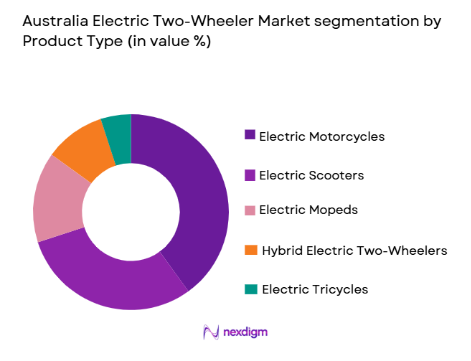
Australia Electric Two-Wheeler market is segmented by product type into electric motorcycles, electric scooters, electric mopeds, hybrid electric two-wheelers, and electric tricycles. Recently, electric motorcycles have gained a dominant market share due to factors such as increasing urban traffic congestion, the rising demand for long-range vehicles, and improved performance metrics like speed and stability. These factors make electric motorcycles the preferred choice for commuters and businesses requiring larger vehicles for delivery services. Furthermore, the availability of government incentives and a growing network of charging stations have encouraged further adoption of electric motorcycles, especially in metropolitan areas where short to medium-distance travel is common.
By Platform Type:
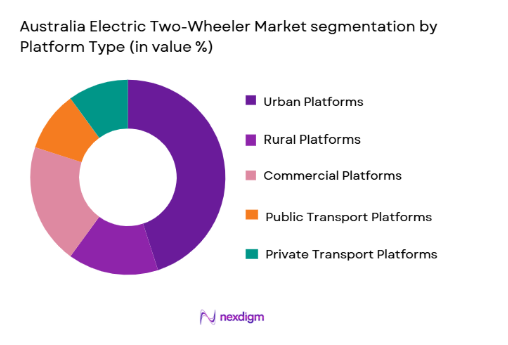
The Australia Electric Two-Wheeler market is segmented by platform type into urban platforms, rural platforms, commercial platforms, public transport platforms, and private transport platforms. Recently, urban platforms have become the dominant segment due to the high concentration of electric two-wheelers in city environments. Urban areas face challenges such as traffic congestion, environmental concerns, and the high cost of fuel, which drive the demand for eco-friendly transportation alternatives like electric two-wheelers. The increasing implementation of policies promoting clean energy and emission reductions in cities also supports the dominance of urban platforms, with electric scooters and motorcycles becoming a common mode of transportation in crowded metropolitan areas.
Competitive Landscape
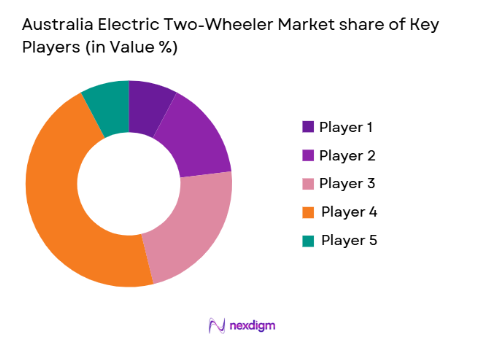
The competitive landscape of the Australia Electric Two-Wheeler market is characterized by a mix of established global players and local startups. The market has witnessed increasing consolidation, with major global manufacturers like Honda and BMW entering partnerships with local distributors and suppliers. This has intensified competition, resulting in increased innovation and market expansion. Additionally, local players such as Ather Energy and Hero Electric are focusing on cost-effective solutions to attract price-sensitive consumers, while also catering to the growing demand for green technologies in Australia.
| Company Name | Establishment Year | Headquarters | Technology Focus | Market Reach | Key Products | Revenue (USD) | Key Growth Strategy |
| Honda Motor Co. | 1948 | Japan | ~ | ~ | ~ | ~ | ~ |
| BMW Motorrad | 1923 | Germany | ~ | ~ | ~ | ~ | ~ |
| Ather Energy | 2013 | India | ~ | ~ | ~ | ~ | ~ |
| Hero Electric | 1956 | India | ~ | ~ | ~ | ~ | ~ |
| Revolt Motors | 2017 | India | ~ | ~ | ~ | ~ | ~ |
Australia Electric Two-Wheeler Market Analysis
Growth Drivers
Government Support for EV Adoption:
The Australian government’s initiatives and incentives to promote electric vehicles are a key driver of the electric two-wheeler market’s growth. Policies aimed at reducing carbon emissions, such as subsidies for electric vehicle purchases, exemptions from road tax, and investments in EV infrastructure, have greatly influenced consumer decisions. The government’s efforts to create an integrated EV ecosystem by funding the installation of charging stations and providing rebates for EV purchases have made electric two-wheelers more attractive to both individual consumers and businesses. Furthermore, federal and state-level targets for carbon emission reductions have contributed to the development of greener transportation solutions, driving the adoption of electric two-wheelers in the country. Local councils in metropolitan areas have also introduced low-emission zones that restrict the entry of traditional fuel-powered vehicles, further encouraging the uptake of electric vehicles. As electric two-wheelers become a viable and financially attractive alternative, the market is expected to expand in response to the increasing demand for sustainable transport options.
Technological Advancements in Batteries and Charging Infrastructure:
Technological advancements in battery systems, such as the development of longer-lasting and more efficient lithium-ion batteries, are driving the growth of the electric two-wheeler market. The improvements in battery technology have resulted in extended range capabilities, addressing one of the key concerns for electric two-wheeler users. With the growing demand for longer-range vehicles, the ability to travel longer distances on a single charge has become a major selling point for electric motorcycles and scooters. Alongside this, the expansion of charging infrastructure across urban and suburban areas is crucial to ensuring the widespread adoption of electric two-wheelers. The development of fast-charging solutions has alleviated concerns about long recharging times, allowing users to conveniently charge their vehicles during short stops. Combined, these technological advancements in battery systems and charging networks are expected to continue driving market growth as consumers look for more reliable and accessible electric transportation solutions.
Market Challenges
High Initial Cost of Electric Two-Wheelers:
One of the major challenges facing the electric two-wheeler market in Australia is the relatively high initial cost of electric vehicles compared to traditional gasoline-powered two-wheelers. Despite the government’s incentives and subsidies aimed at reducing costs, the upfront price remains a barrier for many consumers, particularly in rural areas. Consumers are often hesitant to invest in electric two-wheelers due to concerns over long-term value, especially when more affordable traditional alternatives are available. This challenge is particularly relevant for price-sensitive segments of the population, including low-income individuals and small businesses that rely on cost-effective transport options. Although the operating costs of electric two-wheelers are generally lower due to reduced maintenance and fuel costs, the higher purchase price remains a significant challenge in terms of driving mass adoption. Additionally, the high cost of advanced battery technology contributes to the elevated prices of electric two-wheelers, further hindering their widespread adoption.
Limited Charging Infrastructure:
Another significant challenge for the electric two-wheeler market in Australia is the limited availability of charging infrastructure. While major cities like Sydney and Melbourne have seen investments in public and private charging stations, many regional and rural areas still lack sufficient charging facilities. This gap in infrastructure limits the practicality of electric two-wheelers for long-distance travel, restricting their appeal to consumers in areas outside urban centers. The absence of a comprehensive and accessible charging network is one of the major barriers to achieving widespread adoption of electric two-wheelers in the country. Consumers are often concerned about the availability of charging stations during longer trips, which can lead to “range anxiety” and discourage potential buyers from making the switch to electric vehicles. The lack of interoperability between different charging networks further complicates the situation, as consumers may face challenges finding compatible stations. Therefore, substantial investment in charging infrastructure is critical to overcoming this challenge and supporting the continued growth of the electric two-wheeler market in Australia.
Opportunities
Expansion of Shared Mobility Solutions:
Shared mobility solutions, such as electric two-wheeler rental services and fleet programs, present a significant opportunity for the market. With the growing demand for sustainable and flexible transportation options in urban areas, the popularity of shared electric scooters and motorcycles is rising. These services allow consumers to access electric two-wheelers without the need for ownership, making them an attractive alternative to traditional modes of transportation. Furthermore, these solutions contribute to reducing traffic congestion and emissions in crowded urban centers, aligning with the Australian government’s goals for greener cities. The expansion of shared mobility networks in high-density areas presents an opportunity for market players to capitalize on the growing trend of on-demand transportation. As consumer awareness of the environmental benefits of electric vehicles increases, shared mobility platforms are expected to play a pivotal role in driving adoption. The integration of electric two-wheelers into the shared mobility ecosystem is expected to drive significant market growth in the coming years.
Integration with Smart City Infrastructure:
The integration of electric two-wheelers with smart city infrastructure represents another promising opportunity for market growth. Smart cities are increasingly adopting technologies that facilitate sustainable transportation, such as smart traffic management systems, integrated charging stations, and connected vehicle solutions. The integration of electric two-wheelers with these technologies offers the potential to optimize urban mobility, reduce congestion, and lower carbon emissions. Electric two-wheelers can benefit from smart city infrastructure through enhanced route planning, better access to charging stations, and real-time data on vehicle performance. Additionally, the adoption of autonomous and connected technologies in electric two-wheelers could further enhance their appeal by improving safety, convenience, and user experience. As governments and private sector players continue to invest in smart city initiatives, the demand for electric two-wheelers is expected to increase, providing new opportunities for manufacturers and service providers in the market.
Future Outlook
The Australia Electric Two-Wheeler Market is poised for significant growth over the next five years, driven by technological advancements, favorable government policies, and growing demand for eco-friendly transportation solutions. The market is expected to witness increased adoption of electric two-wheelers as battery technologies improve, offering longer ranges and faster charging times. Additionally, expansion in the charging infrastructure, particularly in suburban and rural areas, will facilitate wider adoption. With continued investments in public-private partnerships and an increasing focus on sustainable urban mobility, the electric two-wheeler market is on track for sustained growth.
Major Players
- Honda Motor Co.
- BMWMotorrad
- Ather Energy
- Hero Electric
- Revolt Motors
- Zero Motorcycles
- NIU Technologies
- Piaggio Group
- Super Soco
- Gogoro
- Greener Australia
- Voge Motorcycles
- Zongshen Industrial Group
- Yamaha Motor Co.
- KTM AG
Key Target Audience
- Investments and venture capitalist firms
- Government and regulatory bodies
- Original equipment manufacturers (OEMs)
- Electric vehicle charging infrastructure providers
- Fleet management companies
- Electric vehicle dealerships
- Environmental advocacy groups
- Urban transportation planners
Research Methodology
Step 1: Identification of Key Variables
Identify key market variables such as demand drivers, consumer behavior, technological advancements, and regulatory factors.
Step 2: Market Analysis and Construction
Gather and analyze data from primary and secondary sources to construct an accurate market model, assessing historical data and current trends.
Step 3: Hypothesis Validation and Expert Consultation
Validate hypotheses with insights from industry experts and stakeholders, ensuring alignment with market realities.
Step 4: Research Synthesis and Final Output
Synthesize the collected data into a comprehensive report, providing actionable insights for stakeholders to guide their strategic decisions.

- Executive Summary
- Research Methodology (Definitions, Scope, Industry Assumptions, Market Sizing Approach, Primary & Secondary Research Framework, Data Collection & Verification Protocol, Analytic Models & Forecast Methodology, Limitations & Research Validity Checks)

- Market Definition and Scope
- Value Chain & Stakeholder Ecosystem
- Regulatory / Certification Landscape
- Sector Dynamics Affecting Demand
- Strategic Initiatives & Infrastructure Growth

- Growth Drivers
Rising Demand for Eco-Friendly Transportation
Government Incentives for Electric Vehicles
Technological Advancements in Battery Systems
Increasing Fuel Prices
Growing Urbanization and Traffic Congestion - Market Challenges
High Initial Investment Cost
Limited Charging Infrastructure
Battery Life and Range Concerns
Consumer Perception of Electric Two-Wheelers
Regulatory Barriers and Compliance Costs - Market Opportunities
Partnerships with Shared Mobility Services
Expanding Charging Infrastructure
Technological Advancements in Battery Swapping - Trends
Increase in Electric Vehicle Adoption
Integration of IoT in Electric Two-Wheelers
Growth of Micro-Mobility Solutions
Advancement in Autonomous Driving Technologies
Sustainability Initiatives in the Two-Wheeler Industry - Government Regulations & Defense Policy
Government Policies to Promote Electric Vehicles
Battery Recycling and Sustainability Regulations
Infrastructure Development for Electric Two-Wheelers - SWOT Analysis
- Stakeholder and Ecosystem Analysis
- Porter’s Five Forces Analysis
- Competition Intensity and Ecosystem Mapping

- By Market Value, 2020-2025
- By Installed Units, 2020-2025
- By Average System Price, 2020-2025
- By System Complexity Tier, 2020-2025

- By System Type (In Value%)
Electric Motorcycles
Electric Scooters
Electric Mopeds
Hybrid Electric Two-Wheelers
Electric Tricycles - By Platform Type (In Value%)
Urban Platforms
Rural Platforms
Commercial Platforms
Public Transport Platforms
Private Transport Platforms - By Fitment Type (In Value%)
Aftermarket Systems
OEM Systems
Integrated Systems
Modular Systems
Customized Systems - By EndUser Segment (In Value%)
Individual Consumers
Commercial Fleets
Delivery Services
Shared Mobility Operators
Public Transportation Authorities - By Procurement Channel (In Value%)
Direct Sales
Retail Distribution
Online Channels
Dealers & Distributors
Third-Party Platforms - By Material / Technology (In Value%)
Lithium-Ion Batteries
Solid-State Batteries
Swappable Battery Systems
Smart Charging Solutions
Regenerative Braking Systems

- Market structure and competitive positioning
- Market share snapshot of major players
- CrossComparison Parameters (System Type, Platform Type, Procurement Channel, EndUser Segment, Fitment Type, Material/Technology, Market Value, Market Growth, Customer Segmentation, Technology Adoption)
- SWOT Analysis of Key Players
- Pricing & Procurement Analysis
- Key Players
Ola Electric
Zero Motorcycles
Vespa Elettrica
NIU Technologies
Honda Motor Co.
Hero Electric
Ather Energy
Govecs AG
Bajaj Auto
Revolt Motors
BMW Motorrad
Piaggio Group
Super Soco
Gogoro
Greta Electric Scooters

- Growing Adoption of Electric Two-Wheelers Among Individuals
- Commercial Fleet Expansion
- Delivery Service Providers Moving Towards Electric Fleets
- Government Agencies Promoting Sustainable Transport

- Forecast Market Value, 2026-2035
- Forecast Installed Units, 2026-2035
- Price Forecast by System Tier, 2026-2035
- Future Demand by Platform, 2026-2035


 Request a Sample
 Ask for Customization
 Get a Quote
 Enquire Now