
 Download PDF
 Download PDF
Market Overview
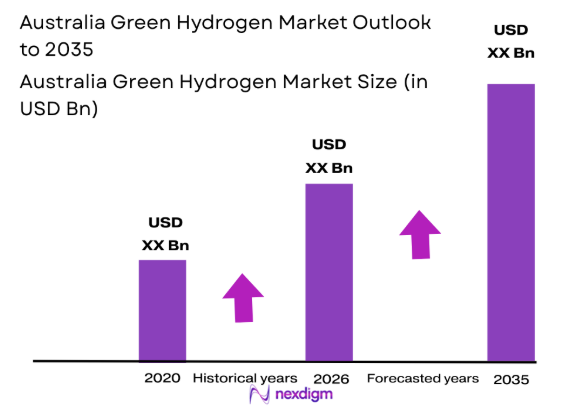
The Australia Green Hydrogen market is rapidly expanding, with its size driven by significant investments in clean energy technologies. Based on a recent historical assessment, the global green hydrogen market reached approximately USD ~ billion, fueled by increasing demand for sustainable energy sources across industrial, transportation, and power generation sectors. Key drivers of market growth include government policies aimed at reducing carbon emissions and technological advancements in hydrogen production, particularly through electrolysis, which have significantly reduced costs and improved efficiency.
Countries such as Australia, Germany, and Japan are dominant in the green hydrogen market due to their strong commitments to renewable energy integration, significant government subsidies, and infrastructure investments. These regions benefit from advanced technological capabilities, a strong focus on decarbonization, and favorable regulatory frameworks. Additionally, Australia has emerged as a leader in green hydrogen due to its abundant renewable resources and ongoing projects that position it to become a key supplier in the global market.
Market Segmentation
By Product Type
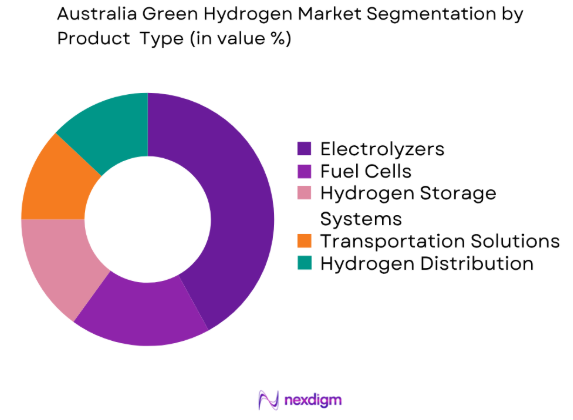
The Australia Green Hydrogen market is segmented by product type into electrolyzers, fuel cells, hydrogen storage systems, transportation solutions, and hydrogen distribution infrastructure. Recently, electrolyzers have garnered the dominant market share due to the growing demand for electrolysis technology to produce hydrogen from renewable sources. Electrolyzers are key to ensuring the scalability and sustainability of green hydrogen production, making them an essential component in the global shift toward hydrogen-powered energy systems.
By End User Segment
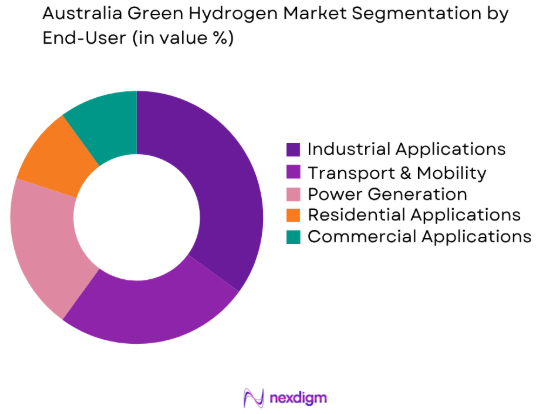
The green hydrogen market is also segmented by end-user into industrial applications, transport & mobility, power generation, residential applications, and commercial applications. Recently, the industrial sector has dominated market share, driven by large-scale decarbonization efforts in sectors such as steel and chemicals, where green hydrogen offers a cleaner alternative to traditional methods. Additionally, the adoption of green hydrogen in transport, particularly for heavy-duty vehicles and buses, is driving increased demand in the mobility sector.
Competitive Landscape
The green hydrogen market is experiencing significant consolidation, with both large corporations and startups working towards the advancement of hydrogen technology. Major players are expanding their presence by securing large-scale projects and forming strategic partnerships to enhance production capabilities. The market is highly competitive, with companies vying to position themselves as key suppliers in the global hydrogen economy.
| Company Name | Establishment Year | Headquarters | Technology Focus | Market Reach | Key Products | Revenue | Additional Parameter |
| Fortescue Metals Group | 2003 | Australia | ~ | ~ | ~ | ~ | ~ |
| Atco Group | 1947 | Canada | ~ | ~ | ~ | ~ | ~ |
| CWP Global | 2007 | Australia | ~ | ~ | ~ | ~ | ~ |
| Shell | 1907 | Netherlands | ~ | ~ | ~ | ~ | ~ |
| ITM Power | 2001 | UK | ~ | ~ | ~ | ~ | ~ |
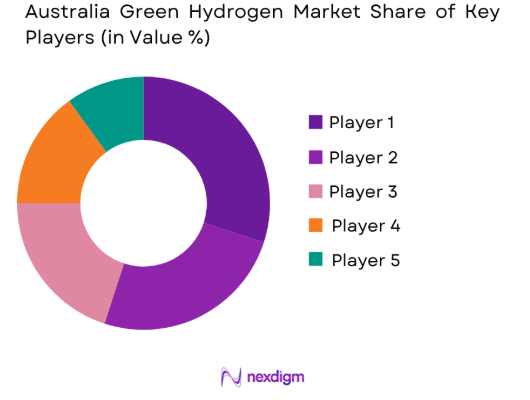
Australia Green Hydrogen Market Analysis
Growth Drivers
Government Support for Renewable Energy
Government investment in renewable energy infrastructure and decarbonization policies is a major driver for the green hydrogen market. Numerous governments globally have introduced subsidies and incentives to encourage the adoption of green hydrogen as a clean fuel alternative, especially in transportation and industrial sectors. These initiatives are designed to reduce carbon emissions and accelerate the transition to cleaner energy sources. By fostering a supportive regulatory environment, these policies not only promote the production of green hydrogen but also create opportunities for its widespread utilization across industries, enhancing its role in the global energy transition and helping countries meet their sustainability goals.
Technological Advancements in Hydrogen Production
Advancements in hydrogen production, especially in electrolyzer technology, are significantly accelerating the growth of the green hydrogen market. Electrolyzers, which use renewable electricity to split water into hydrogen and oxygen, have become more efficient and cost-effective over time. These technological improvements have led to a significant reduction in production costs, making green hydrogen a more competitive and accessible energy source. As electrolyzer efficiency improves, the scalability of green hydrogen production increases, enabling wider adoption across various industries, including transportation, power generation, and manufacturing. The continued development of electrolyzers is essential for supporting global decarbonization goals and positioning green hydrogen as a key component of sustainable energy systems.
Market Challenges
High Capital Investment Requirements
A major challenge in the green hydrogen market is the high initial investment required for infrastructure development. Building electrolyzer plants, hydrogen storage facilities, and distribution networks demands substantial capital, which can be a significant barrier to entry, especially for smaller players. This financial hurdle can slow the adoption of green hydrogen, as it makes large-scale projects more difficult to fund. The challenge is even more pronounced in regions with limited access to financing or where government incentives are insufficient. Without sufficient financial support, the pace of green hydrogen adoption may be hindered, delaying the transition to cleaner energy solutions in these areas.
Technological and Efficiency Barriers
Despite progress in electrolyzer technology, green hydrogen production remains energy-intensive and expensive. The efficiency of converting renewable energy into hydrogen still requires improvement to make it more competitive with other energy sources. Additionally, hydrogen storage and transportation infrastructure are still developing, posing significant challenges. These systems require substantial investment and innovation to address issues such as high costs, energy losses, and logistical complexities. As the technology matures and economies of scale are realized, costs are expected to decrease, but the current state of infrastructure and technological limitations remain key hurdles for widespread adoption of green hydrogen as a viable and efficient energy solution.
Opportunities
Expansion in Hydrogen-Powered Transport
A significant opportunity in the green hydrogen market is its application in the transportation sector. Hydrogen-powered vehicles, such as trucks, buses, and trains, are anticipated to experience considerable growth due to the increasing demand for zero-emission transport solutions. Governments worldwide are pushing to decarbonize the transportation sector and reduce reliance on fossil fuels, creating a favorable environment for green hydrogen adoption. These efforts, including regulations and incentives, present a unique opportunity for green hydrogen to penetrate the transportation market, particularly for heavy-duty vehicles and long-distance travel, where battery electric options may not be as feasible. This shift could significantly accelerate the market’s growth.
Collaboration with Renewable Energy Producers
Another key opportunity for growth in the green hydrogen market lies in the collaboration between green hydrogen producers and renewable energy companies. By integrating hydrogen production with wind, solar, and hydroelectric power, companies can establish a closed-loop system that ensures a consistent and sustainable hydrogen supply. This partnership optimizes the use of renewable energy sources, reducing inefficiencies and enhancing the economic viability of both industries. Such collaborations are crucial for developing the necessary infrastructure and scaling up hydrogen production. By aligning renewable energy and hydrogen sectors, these partnerships can accelerate the adoption of green hydrogen and contribute to the transition to a cleaner, more sustainable energy system.
Future Outlook
Over the next five years, the green hydrogen market is expected to continue its growth trajectory, supported by technological advancements, increased government incentives, and expanding infrastructure. Demand from the transportation and industrial sectors will continue to rise as more businesses seek to decarbonize their operations. At the same time, innovations in electrolyzer technology and energy storage will drive down costs, making green hydrogen a more attractive option. The regulatory environment will likely become more favorable as governments introduce stricter carbon emission targets and further support clean energy solutions.
Major Players
- Fortescue Metals Group
- Atco Group
- CWP Global
- Shell
- ITM Power
- Siemens Energy
- Linde Group
- Air Products and Chemicals
- Nikola Corporation
- Plug Power
- Ballard Power Systems
- McDermott International
- Hyundai Motor Company
- Toyota Motor Corporation
- Chevron Corporation
Key Target Audience
- Investments and venture capitalist firms
- Government and regulatory bodies
- Utility companies
- Hydrogen fuel cell manufacturers
- Industrial decarbonization sectors
- Hydrogen infrastructure developers
- Energy solution providers
- Transportation and logistics firms
Research Methodology
Step 1: Identification of Key Variables
Identification of key drivers, challenges, and opportunities within the green hydrogen market based on industry data and trends.
Step 2: Market Analysis and Construction
Comprehensive analysis of market size, segmentation, and competitive landscape based on primary and secondary data.
Step 3: Hypothesis Validation and Expert Consultation
Validation of findings through expert consultations and surveys with industry professionals and stakeholders.
Step 4: Research Synthesis and Final Output
Synthesis of research findings into a comprehensive market report, ensuring accuracy and actionable insights.

- Executive Summary
- Research Methodology (Definitions, Scope, Industry Assumptions, Market Sizing Approach, Primary & Secondary Research Framework, Data Collection & Verification Protocol, Analytic Models & Forecast Methodology, Limitations & Research Validity Checks)

- Market Definition and Scope
- Value Chain & Stakeholder Ecosystem
- Regulatory / Certification Landscape
- Sector Dynamics Affecting Demand
- Strategic Initiatives & Infrastructure Growth

- Growth Drivers
Growing Government Support for Renewable Energy Projects
Rising Demand for Clean Energy Solutions in Transport Sector
Technological Advancements in Green Hydrogen Production
Private Investments in Clean Energy Infrastructure
Increased Demand for Decarbonization in Industry - Market Challenges
High Capital Investment for Green Hydrogen Infrastructure
Technological Barriers in Hydrogen Storage and Distribution
Regulatory and Policy Uncertainties
Market Competition with Other Energy Sources
Infrastructure Development Delays - Market Opportunities
Expansion of Green Hydrogen in Transportation Sector
Emerging Demand for Hydrogen in Power Generation
Development of New Hydrogen Storage Solutions - Trends
Shift Toward Decentralized Green Hydrogen Production
Increased Investment in Hydrogen Fuel Cells
Government Initiatives to Promote Green Hydrogen Production - Government Regulations
- SWOT Analysis of Key Competitors
- Porter’s Five Forces

- By Market Value, 2020-2025
- By Installed Units, 2020-2025
- By Average System Price, 2020-2025
- By System Complexity Tier, 2020-2025

- By System Type (In Value%)
Electrolyzers
Fuel Cells
Hydrogen Storage Systems
Transportation Solutions
Hydrogen Distribution Infrastructure - By Platform Type (In Value%)
Land-based Systems
Maritime Platforms
Airborne Platforms
Integrated Platforms
Mobile Platforms - By Fitment Type (In Value%)
On-premise Solutions
Cloud-based Solutions
Hybrid Solutions
Modular Solutions
Integrated Solutions - By End User Segment (In Value%)
Industrial Sector
Transport & Mobility
Power Generation
Residential Applications
Commercial Applications - By Procurement Channel (In Value%)
Direct Procurement
Government Tenders
Private Sector Procurement
Online Bidding Platforms
Third-party Distributors

- Market Share Analysis
- Cross Comparison Parameters (System Type, Platform Type, Procurement Channel, End User Segment, Fitment Type, Technology Adoption, Regulatory Support, Investment Trends, Geographical Presence, Market Maturity)
- SWOT Analysis of Key Competitors
- Pricing & Procurement Analysis
- Key Players
Fortescue Metals Group
Atco Group
CWP Global
AGL Energy
Origin Energy
CleanCo Queensland
Hyundai Motor Company
Toyota Motor Corporation
Shell
Chevron Corporation
BP
Woodside Petroleum
ITM Power
Siemens Energy
Enel Green Power

- Increasing Adoption of Green Hydrogen in Industrial Applications
- Growth of Hydrogen-based Transport Solutions
- Government Initiatives for Hydrogen Infrastructure Development
- Rising Demand for Clean Energy in the Residential Sector

- Forecast Market Value, 2026-2035
- Forecast Installed Units, 2026-2035
- Price Forecast by System Tier, 2026-2035
- Future Demand by Platform, 2026-2035


 Request a Sample
 Ask for Customization
 Get a Quote
 Enquire Now