
 Download PDF
Market Overview
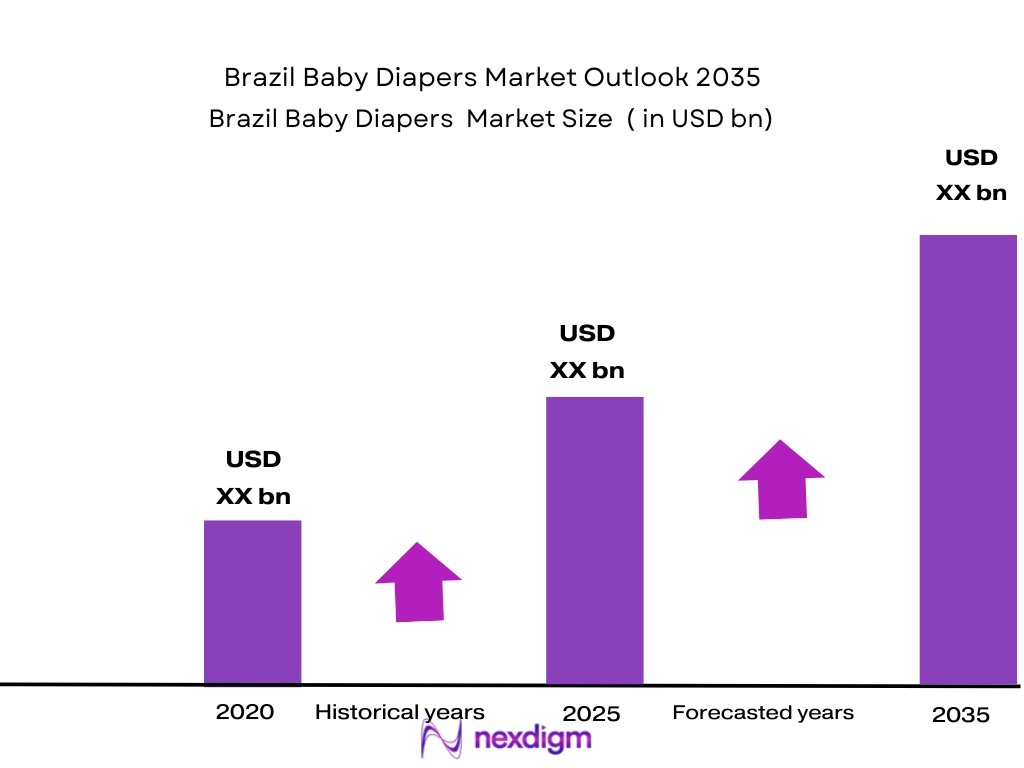
The Brazil baby diapers market has experienced substantial growth in recent years, reaching a valuation of approximately USD ~ billion. This growth is primarily driven by rising consumer demand for convenience, coupled with the increasing disposable income levels in urban areas. Furthermore, Brazilian parents have become more inclined towards purchasing premium and eco-friendly diaper products, spurred by rising awareness of their baby’s health and hygiene. Government support in terms of subsidies for child-related products has also contributed to the market’s expansion.
In Brazil, major urban centers such as São Paulo, Rio de Janeiro, and Brasília dominate the baby diapers market. São Paulo, being the largest city, accounts for a significant portion of the demand due to its dense population and higher income levels. Additionally, Rio de Janeiro and Brasília have large middle-class populations, contributing to the high consumption of baby care products, including diapers. These regions are also well-connected through retail and distribution channels, making them key drivers of the market.
Market Segmentation
By Product Type
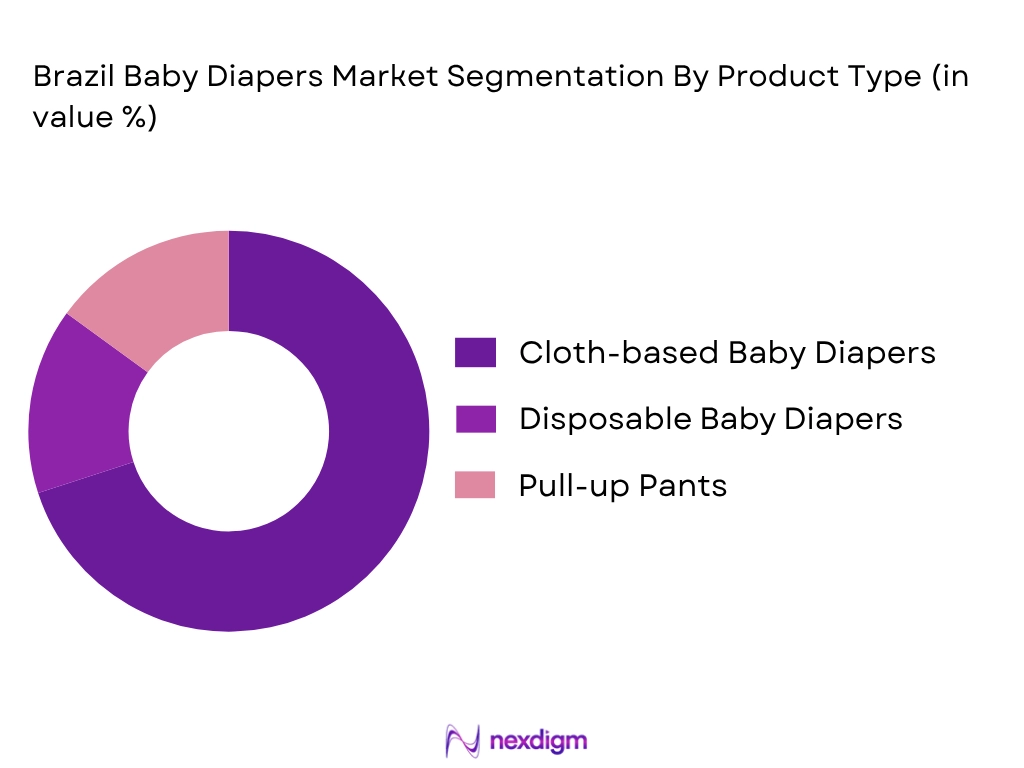
The Brazilian baby diapers market is segmented by product type into disposable diapers, cloth diapers, and pull-up pants. Disposable diapers have emerged as the dominant product type, capturing the largest market share due to their convenience, ease of use, and widespread availability. The rising middle-class population in Brazil, coupled with increasing urbanization, has further fueled the demand for disposable diapers. Major brands like Pampers and Huggies have established strong brand loyalty, contributing to the dominance of this segment. Disposable diapers offer features such as better absorption and skin protection, further driving their market share.
By Age Group
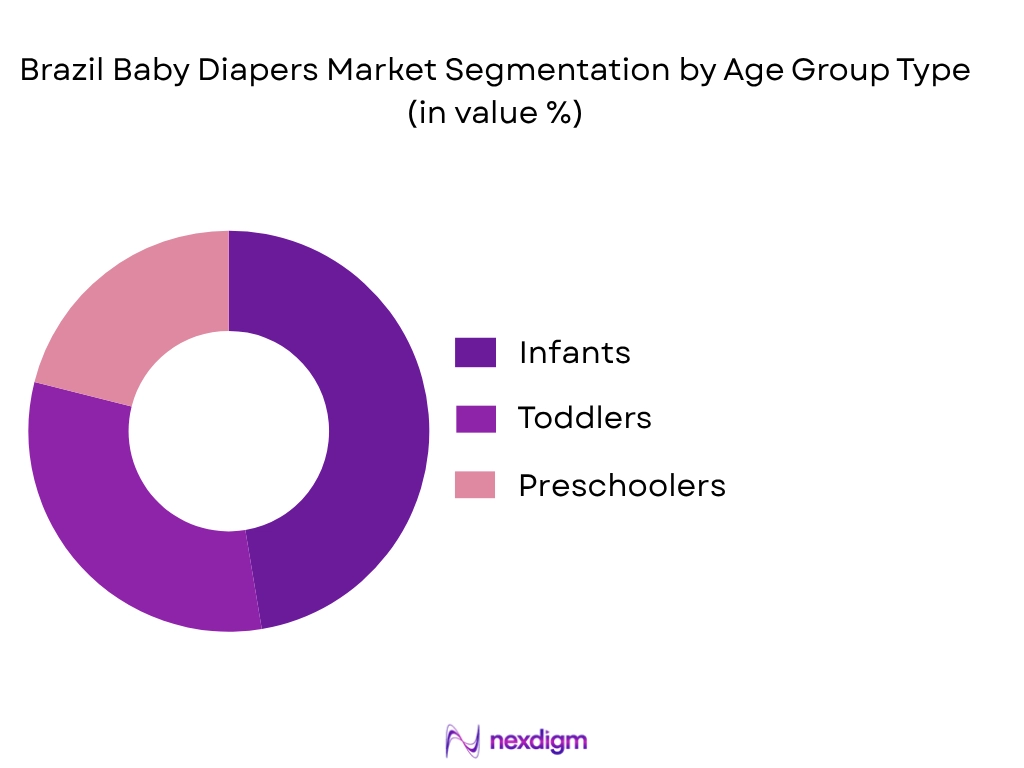
The Brazil baby diapers market is also segmented by age group into infants, toddlers, and preschoolers. The infant category holds a substantial share, primarily due to the high birth rates in Brazil and the widespread adoption of disposable diapers for newborns. Diapers designed for infants are often equipped with added comfort and skin protection features, which makes them the preferred choice among parents. The growing awareness about the importance of hygiene for infants further strengthens the dominance of this sub-segment.
Competitive Landscape
The Brazilian baby diapers market is characterized by the presence of both global and local players. Leading global brands such as Pampers (Procter & Gamble), Huggies (Kimberly-Clark), and Ontex dominate the market. These companies benefit from extensive distribution networks, strong brand recognition, and continuous innovation in product features, such as improved absorption and skin-friendly materials. Local players also hold a significant market share, focusing on affordability and regional preferences, further contributing to the competition.
| Company | Establishment Year | Headquarters | Product Types | Market Focus | R&D Investment | Distribution Channels | Brand Recognition |
| Pampers (P&G) | 1961 | Cincinnati, USA | ~ | ~ | ~ | ~ | ~ |
| Huggies (Kimberly-Clark) | 1968 | Irving, USA | ~ | ~ | ~ | ~ | ~ |
| Ontex | 1979 | Aalst, Belgium | ~ | ~ | ~ | ~ | ~ |
| MamyPoko (Unicharm) | 1987 | Tokyo, Japan | ~ | ~ | ~ | ~ | ~ |
| Babysec (Kimberly-Clark) | 1983 | São Paulo, Brazil | ~ | ~ | ~ | ~ | ~ |
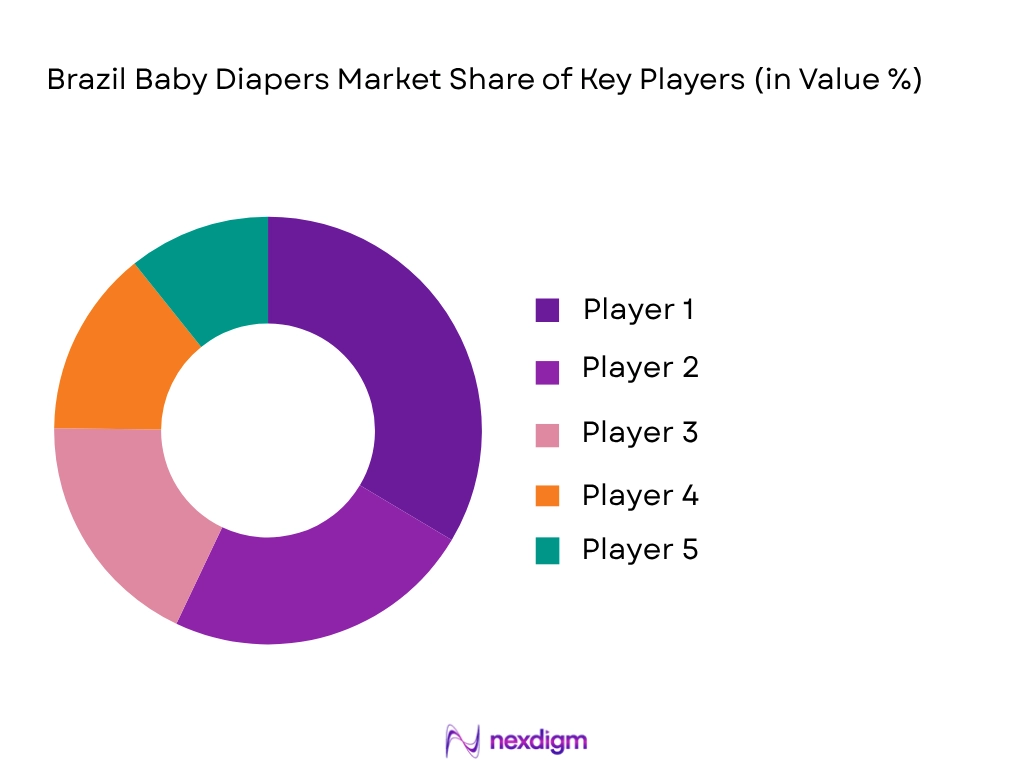
Brazil Baby Diapers Market Analysis
Growth Drivers
Rising Birth Rate and Population Growth
Brazil continues to experience a relatively high birth rate, driving the demand for baby care products like diapers. The population growth, particularly in urban areas, has led to a higher number of infants, further boosting market demand. Parents increasingly prioritize convenience and hygiene, resulting in greater reliance on disposable diapers. This trend is especially noticeable in large cities like São Paulo and Rio de Janeiro, where consumer purchasing power and awareness regarding baby care products are high. The steady rise in the number of newborns across the country strengthens the market outlook for baby diapers, contributing to the sector’s long-term growth.
Growing Demand for Premium and Eco-friendly Products
There is a noticeable shift in consumer preference toward premium and eco-friendly baby diapers. Parents, especially in urban areas, are increasingly seeking products that are gentle on their baby’s skin and environmentally sustainable. Premium diapers are often marketed as having superior absorption, skin-friendly materials, and hypoallergenic features, which appeal to health-conscious consumers. Simultaneously, eco-friendly diapers, which are biodegradable and made from organic materials, are gaining traction due to growing environmental awareness. This demand is prompting manufacturers to innovate and offer products that meet both safety and sustainability standards.
Market Challenges
Raw Material Price Fluctuations
The cost of raw materials used in diaper manufacturing, such as petroleum-based plastics and absorbent polymers, is subject to significant fluctuations due to market conditions. Volatility in the prices of these materials can severely impact the profitability of diaper manufacturers. For instance, the global supply chain disruptions caused by various factors, including natural disasters and trade uncertainties, have further exacerbated material price instability. This challenge poses difficulties for manufacturers in maintaining price stability, particularly when consumer sensitivity to price changes is high, especially for mass-market diapers.
Competition Among Local and Global Players
The Brazilian baby diaper market faces intense competition between local and global brands, which creates pricing pressures and the constant need for innovation. Major global players such as Pampers and Huggies dominate the market with their established brand reputation and extensive distribution networks. However, local brands are also strong contenders due to their competitive pricing and better understanding of regional preferences. This dual competition forces companies to continually improve product offerings, enhance brand loyalty, and maintain operational efficiency, making it difficult to achieve a stable market position.
Opportunities
Rising Demand for Biodegradable and Organic Diapers
There is growing consumer demand for biodegradable and organic baby diapers as parents become more environmentally conscious. These diapers are made with natural, non-toxic materials, ensuring both the health of the baby and minimal environmental impact. As sustainability becomes a key factor in purchasing decisions, brands that offer eco-friendly alternatives stand to gain a competitive edge. The shift towards sustainable products presents a significant opportunity for companies to tap into an emerging market segment, especially in urban areas where environmental awareness is higher.
Increasing Disposable Income Leading to Premium Product Demand
As disposable income rises, especially among Brazil’s middle class, there is an increasing willingness to spend on premium baby care products, including high-end diapers. These products offer advanced features such as enhanced skin protection, longer-lasting absorption, and better comfort. Parents are more inclined to prioritize their children’s comfort and health, even at a higher price point. The growing purchasing power in urban and semi-urban areas presents an opportunity for manufacturers to introduce premium products, which could become a key growth driver in the Brazilian baby diapers market.
Future Outlook
Over the next five years, the Brazil baby diapers market is expected to exhibit significant growth driven by increasing urbanization, a rise in disposable income, and continued advancements in product quality. Furthermore, the rising awareness of hygiene and comfort will continue to fuel demand for premium diapers, while eco-friendly and biodegradable products will attract growing interest from environmentally conscious consumers. Innovations in packaging and product formulations will also drive the market, with brands introducing new features like improved breathability, wetness indicators, and hypoallergenic materials.
Major Players
- Procter & Gamble (Pampers)
- Kimberly-Clark Corporation (Huggies)
- Ontex
- Unicharm (MamyPoko)
- Johnson & Johnson (Baby Care)
- Babysec (Kimberly-Clark)
- SCA Hygiene Products (Libero)
- Procter & Gamble (Luvs)
- First Quality Enterprises
- Domtar Corporation (Attends)
- Kao Corporation
- Naty by Nature Babycare
- Earth’s Best
- Hengan International Group
- Abbott Laboratories (Similac)
Key Target Audience
- Investments and Venture Capitalist Firms
- Government and Regulatory Bodies (Brazilian Ministry of Health)
- Retail Chains and Distributors
- E-commerce Platforms (Amazon, Mercado Livre)
- Consumer Goods Companies
- Private Label Manufacturers
- Supermarket Chains (Carrefour, Walmart Brazil)
- Environmental Agencies and NGOs
Research Methodology
Step 1: Identification of Key Variables
The first phase involves constructing an ecosystem map, identifying all key stakeholders within the Brazil baby diapers market. Extensive desk research is carried out using secondary databases to identify critical variables influencing market dynamics, including consumer behavior and government regulations.
Step 2: Market Analysis and Construction
We gather historical data from industry reports, financial disclosures, and market surveys to analyze penetration, revenue generation, and growth trends in the baby diapers market. The goal is to evaluate the market structure and competition to ensure the accuracy of the estimates.
Step 3: Hypothesis Validation and Expert Consultation
The formulated market hypotheses are validated through interviews with industry experts, including product manufacturers, retailers, and market analysts. These consultations provide critical insights into the market’s operational landscape and financial aspects.
Step 4: Research Synthesis and Final Output
We combine insights from expert consultations and market data to generate final reports, which are validated with stakeholders from key companies. This step ensures that all data is accurate and comprehensive, incorporating both top-down and bottom-up research methodologies.

- Executive Summary
- Research Methodology (Market Definitions and Assumptions, Abbreviations, Market Sizing Approach, Consolidated Research Approach, Understanding Market Potential Through In-Depth Industry Interviews, Primary Research Approach, Limitations and Future Conclusions)

- Definition and Scope
- Market Dynamics Overview
- Market Genesis
- Major Players and Market Timeline
- Business Cycle and Trends
- Supply Chain and Value Chain Analysis

- Growth Drivers
Rising Birth Rate and Population Growth
Increase in Disposable Income
Growing Demand for Premium and Eco-friendly Products
Improved Awareness Regarding Baby Hygiene
Expansion of Retail and Online Channels - Market Challenges
Raw Material Price Fluctuations
Environmental Concerns and Regulatory Challenges
Competition Among Local and Global Players
Awareness and Adoption Barriers in Rural Areas - Opportunities
Rising Demand for Biodegradable and Organic Diapers
Growing Adoption of Eco-friendly Packaging
Increasing Disposable Income Leading to Premium Product Demand
Expansion of Distribution Channels in Rural Areas - Key Trends
Shift Toward Eco-friendly and Sustainable Products
Introduction of Subscription Services
Increasing Preference for Cloth Diapers in Certain Regions
Advancements in Product Features (e.g., Leak-proof, Breathable Diapers)
Growing Popularity of Training Pants for Toddlers - Government Regulations
- SWOT Analysis
- Porter’s Five Forces

- By Value, 2020–2025
- By Volume, 2020–2025
- By Average Price, 2020–2025

- By Product Type (In Value %)
Cloth-based Baby Diapers
Disposable Baby Diapers
Pull-up Pants - By Age Group (In Value %)
Infants
Toddlers
Preschoolers - By Distribution Channel (In Value %)
Online Channels
Retail Pharmacies
Supermarkets and Hypermarkets
Convenience Stores
Others - By Region (In Value %)
North
South
Southeast
Midwest
Northeast
Rest of Brazil

- Market Share of Major Players by Value/Volume
- Market Share of Major Players by Product Type
- Cross Comparison Parameters (Company Overview, Business Strategies, Recent Developments, Strength, Weakness, Organizational Structure, Revenues, Revenues by Product Type, Number of Touchpoints, Distribution Channels, Number of Dealers and Distributors, Margins, Production Plant, Capacity, Unique Value Offering and Others)
- SWOT Analysis of Major Players
- Pricing Analysis Based on Product Categories for Major Players
- Detailed Profiles of Major Companies
P&G (Procter & Gamble)
Kimberly-Clark Corporation
Unilever
Johnson & Johnson
Huggies (Kimberly-Clark)
Pampers (Procter & Gamble)
SCA (Essity)
Ontex
Domtar Corporation
Naty
Nobel Hygiene
Little Angel
Bambo Nature
Kraton Polymers
First Quality Enterprises

- Market Demand and Utilization
- Purchasing Power and Budget Allocations
- Regulatory and Compliance Requirements
- Needs, Desires, and Pain Point Analysis
- Decision-Making Process

- By Value, 2026–2035
- By Volume, 2026–2035
- By Average Price, 2026–2035


 Request a Sample
 Ask for Customization
 Get a Quote
 Enquire Now