
 Download PDF
Market Overview
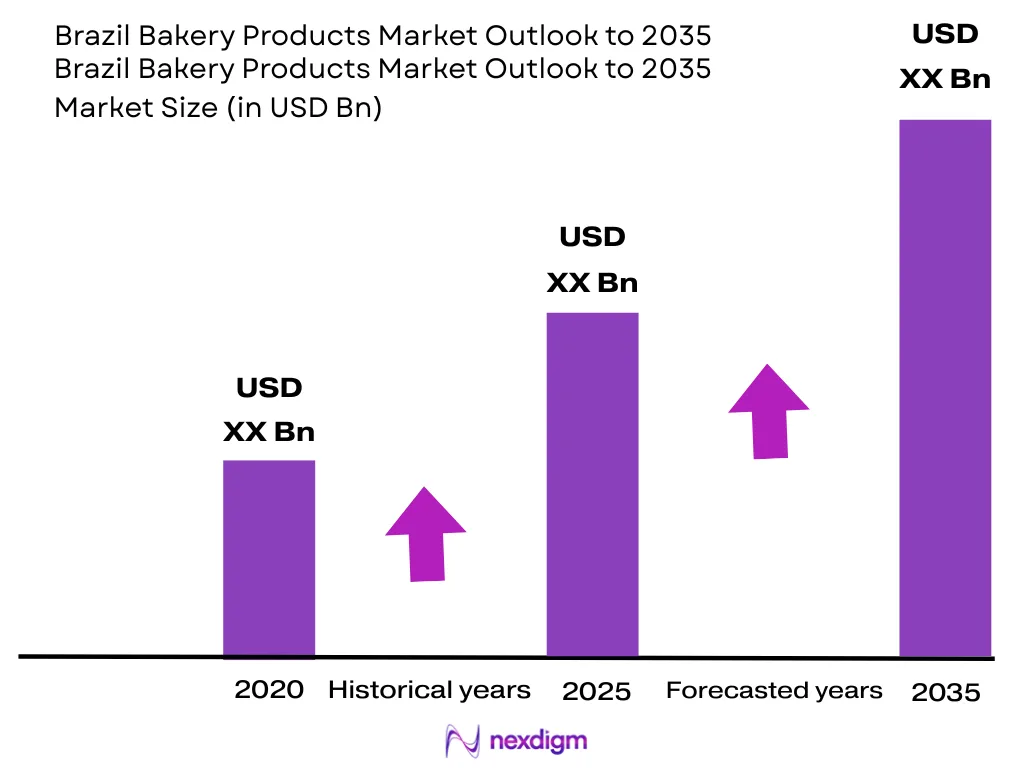
The Brazil Bakery Products Market was valued at approximately USD ~ Billion in 2024, compared to USD ~ Billion in 2023, supported by rising bakery consumption across urban and semi-urban regions. The market benefits from Brazil’s population exceeding 203 million people and increasing household expenditure on packaged and convenience foods. Expansion of modern retail networks, growth of in-store bakeries, increasing demand for premium baked goods, and rising consumption of healthier bakery alternatives such as wholegrain bread and functional snacks continue to strengthen market demand. The food processing industry remains a major consumer of bakery ingredients, while evolving consumer lifestyles have accelerated demand for ready-to-eat bakery products.
Market Segmentation
By Product Type
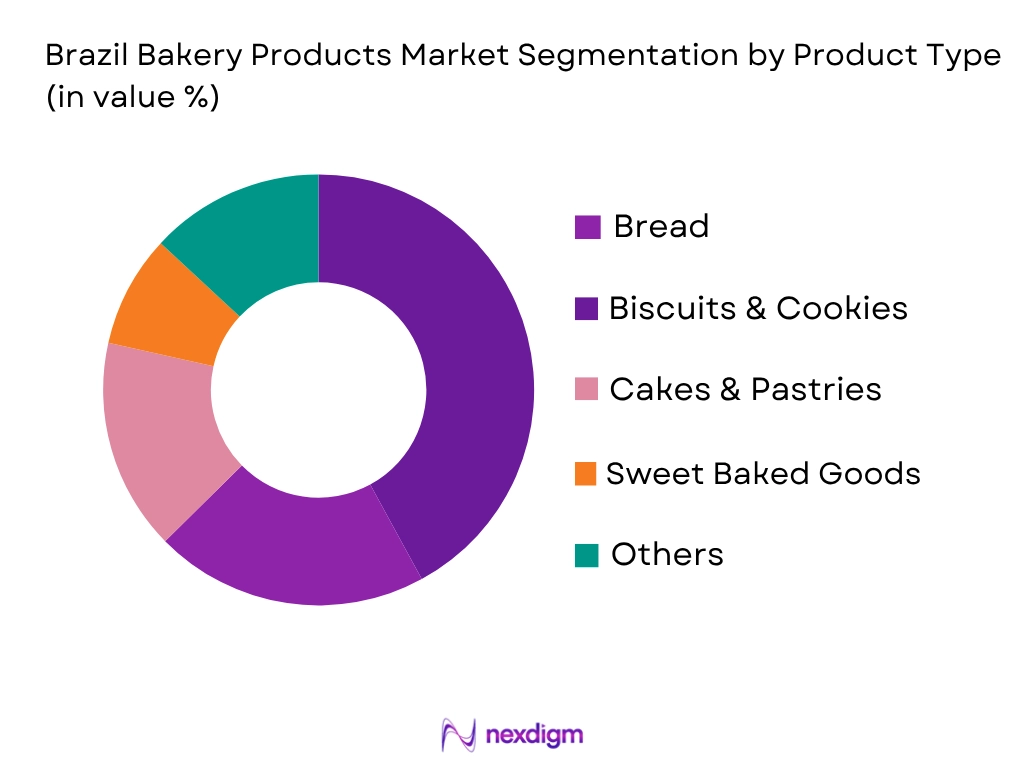
By Product Type, the market is dominated by the Bread segment. Bread continues to represent a staple food category in Brazil and enjoys daily consumption across households. Traditional French bread (“Pão Francês”), packaged sliced bread, whole wheat bread, and artisanal bread variants remain highly popular among consumers. The widespread presence of neighborhood bakeries, supermarket bakeries, and foodservice outlets ensures strong product availability. Increasing health consciousness has further encouraged consumption of multigrain and fiber-enriched bread varieties. Large-scale industrial bakeries have improved production efficiency and nationwide distribution capabilities, enabling bread manufacturers to reach consumers across urban and rural regions. The segment also benefits from affordability compared to premium bakery products, ensuring continued dominance across income groups.
By Distribution Channel
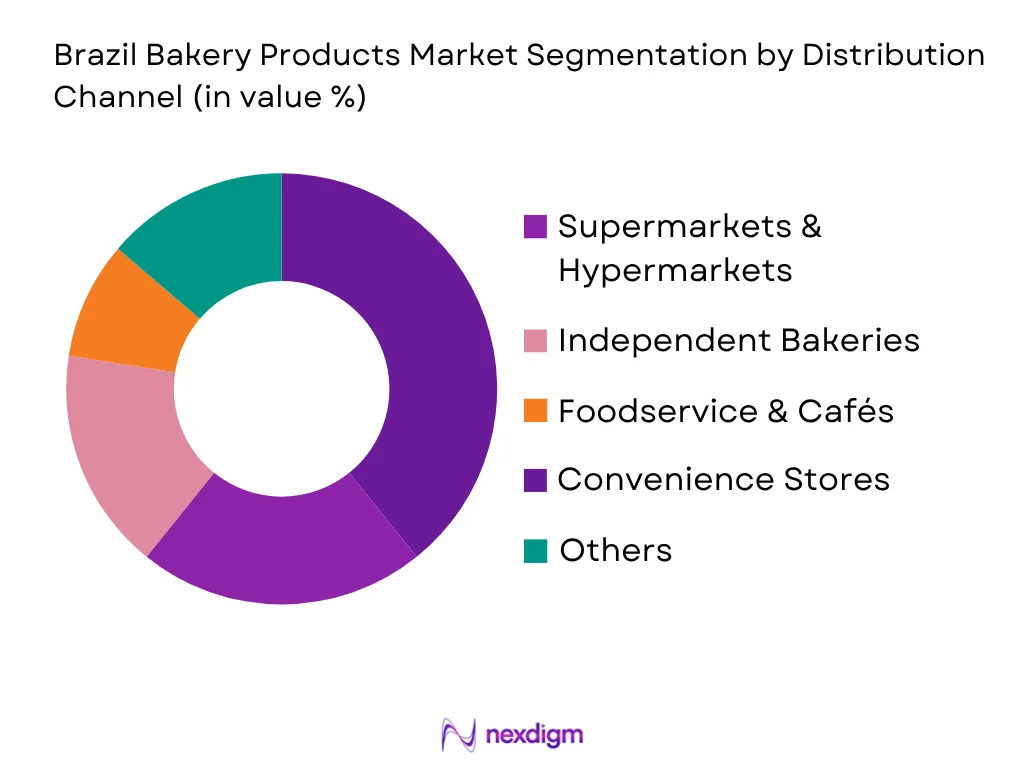
By Distribution Channel, Supermarkets & Hypermarkets account for the largest share due to their ability to provide extensive product variety under one roof. Major retailers offer fresh bakery products, packaged baked goods, private-label offerings, and premium imported bakery items. Consumers increasingly prefer organized retail channels because of convenience, product consistency, promotional discounts, and quality assurance. The expansion of retail chains throughout Brazil has strengthened product accessibility. Additionally, in-store bakeries within supermarkets provide freshly baked bread, pastries, and cakes, attracting high foot traffic and encouraging impulse purchases. Strong cold chain and inventory management systems further support efficient distribution of bakery products across multiple regions.
Competitive Landscape
The Brazil Bakery Products Market is moderately consolidated, with major multinational food companies competing alongside regional bakery manufacturers and traditional bakery chains. Leading players leverage extensive distribution networks, brand recognition, innovation in healthier bakery offerings, and strong retail partnerships. Product diversification, premiumization strategies, and investment in frozen bakery solutions continue to shape competition across the industry.
| Company | Establishment Year | Headquarters | Key Brands | Product Portfolio | Distribution Reach | Manufacturing Presence | Retail Penetration | Innovative Focus |
| Grupo Bimbo | 1945 | ~ | ~ | ~ | ~ | ~ | ~ | ~ |
| Bauducco | 1952 | ~ | ~ | ~ | ~ | ~ | ~ | ~ |
| Wickbold | 1938 | ~ | ~ | ~ | ~ | ~ | ~ | ~ |
| Panco | 1952 | ~ | ~ | ~ | ~ | ~ | ~ | ~ |
| Nestlé | 1866 | ~ | ~ | ~ | ~ | ~ | ~ | ~ |
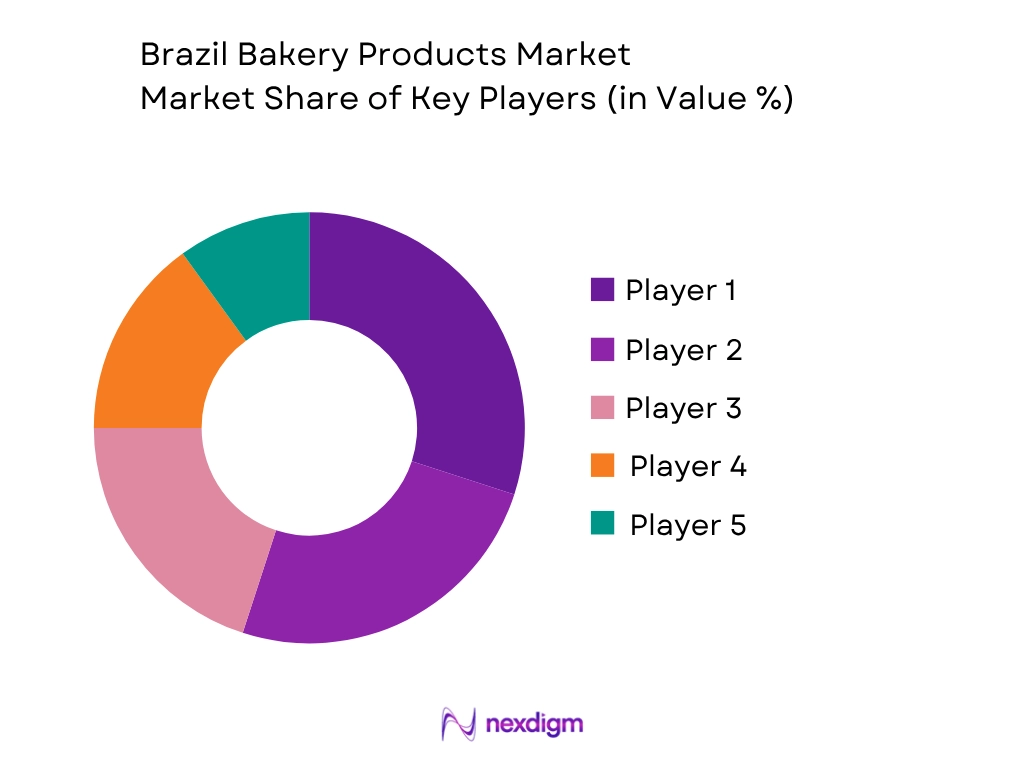
Brazil Bakery Products Market Analysis
Growth Drivers
Rising Urban Population and Demand for Convenient Bakery Consumption
Brazil’s growing urban population continues to support demand for packaged and fresh bakery products. According to the World Bank, Brazil’s urban population exceeded 179 million people and represented one of the largest urban consumer bases globally. Urban consumers increasingly prefer convenient breakfast and snack options such as packaged bread, buns, rolls, cakes, pastries, and biscuits due to busy lifestyles and growing workforce participation. The IMF estimated Brazil’s nominal GDP at approximately USD 2.33 trillion, reflecting strong consumer spending capacity in major metropolitan regions including São Paulo, Rio de Janeiro, Belo Horizonte, and Curitiba. The Brazilian Institute of Geography and Statistics (IBGE) reported that household expenditure on food and beverages remains among the largest spending categories. Additionally, Brazil’s population surpassed 212 million people, creating a substantial consumer base for staple bakery products. Large retail chains, convenience stores, and bakery cafés continue expanding their presence in urban centers, improving accessibility of packaged bakery goods. Growing urbanization also encourages adoption of premium and healthier bakery products including whole-grain bread, protein-enriched baked snacks, and artisanal products. These demographic and economic factors collectively support sustained demand for bakery products across both traditional and modern retail channels, driving production expansion and product innovation throughout the bakery value chain.
Expansion of Food Processing and Wheat-Based Product Consumption
Brazil possesses one of the largest food processing industries in Latin America, providing significant support to the bakery products sector. The World Bank reported that Brazil’s economy generated over USD 2 trillion in economic output, while manufacturing and food processing remain critical contributors to industrial activity. The Brazilian Ministry of Agriculture reported wheat imports exceeding 6 million metric tons, highlighting the country’s substantial requirement for bakery-related raw materials. Bread remains a staple product consumed daily across households, schools, restaurants, and foodservice establishments. According to IBGE demographic statistics, Brazil has more than 70 million households, creating a large demand base for packaged and unpackaged bakery products. The country also maintains a vast network of bakeries and foodservice outlets that depend on flour-based products. Growth in modern retail infrastructure has expanded shelf space for packaged breads, cakes, cookies, and frozen bakery products. Increasing participation of multinational food companies and domestic bakery manufacturers has led to greater product diversification. Demand for premium bakery offerings, healthier formulations, and convenience-oriented products continues to rise alongside increasing disposable income levels and urban consumption patterns. These factors strengthen production volumes and encourage investments throughout Brazil’s bakery products ecosystem.
Market Challenges
Volatility in Wheat Supply and Dependence on Imports
One of the major challenges affecting the Brazil Bakery Products Market is dependence on imported wheat and exposure to global commodity fluctuations. According to the Brazilian Ministry of Agriculture, domestic wheat production remains insufficient to satisfy total demand, resulting in imports exceeding 6 million metric tons annually. Argentina remains a major supplier, making Brazilian bakery manufacturers vulnerable to international supply disruptions and climatic events affecting agricultural output. The Food and Agriculture Organization (FAO) has highlighted increasing volatility in global grain production due to adverse weather conditions across major producing countries. Brazil’s bakery sector relies heavily on wheat flour as a primary input for bread, cakes, pastries, biscuits, and other baked products. Supply chain disruptions can affect ingredient availability and production planning. Additionally, Brazil’s extensive geographic size creates logistical challenges in distributing flour and bakery ingredients efficiently across regions. Transportation bottlenecks, infrastructure constraints, and fluctuating import volumes can impact bakery production schedules. Since bread remains a staple food consumed daily by millions of Brazilians, maintaining consistent wheat availability remains critical. This dependence on imported raw materials continues to represent a significant operational challenge for bakery manufacturers across the country.
Operational and Logistics Complexity Across a Large Geographic Market
Brazil’s extensive territory creates significant distribution and operational challenges for bakery product manufacturers. According to the World Bank, Brazil covers approximately 8.5 million square kilometers, making it one of the world’s largest countries geographically. Bakery products often require efficient transportation systems due to freshness requirements and relatively short shelf life. The Brazilian Institute of Geography and Statistics reports a population exceeding 212 million people distributed across diverse urban and rural regions, creating complex logistics requirements for producers. Manufacturers must maintain extensive warehousing and distribution networks to ensure consistent product availability. Fresh bakery categories such as bread, pastries, and cakes are particularly sensitive to transportation delays and inventory management issues. While major metropolitan regions benefit from developed retail infrastructure, reaching consumers in remote areas remains challenging. Frozen bakery products require cold-chain logistics, increasing operational complexity. Rising fuel consumption and transportation demand also add pressure to supply chain management. Furthermore, maintaining product quality and freshness across long distribution routes requires advanced inventory planning and forecasting systems. These logistical and operational complexities continue to challenge bakery manufacturers seeking nationwide market penetration and consistent product delivery.
Market Opportunities
Growing Demand for Health-Oriented and Functional Bakery Products
Consumer preferences in Brazil are increasingly shifting toward healthier bakery products, creating substantial opportunities for manufacturers. According to the World Bank, Brazil’s population exceeds 212 million people, including a growing middle-income consumer segment seeking better nutritional choices. Urban consumers increasingly demand whole-grain bread, high-fiber bakery products, protein-enriched snacks, reduced-sugar cakes, and clean-label formulations. Brazil’s food manufacturing industry continues to expand product innovation initiatives to address changing dietary preferences. The Ministry of Health has promoted awareness regarding balanced nutrition, encouraging consumers to evaluate ingredient composition and nutritional content. Retailers have responded by increasing shelf space dedicated to healthier bakery alternatives. Supermarkets and premium bakery chains are expanding offerings that cater to wellness-focused consumers. Demand for gluten-free and functional bakery products is also increasing among consumers seeking specialized dietary options. Brazil’s strong agricultural base supports access to alternative grains and ingredients that can be incorporated into innovative bakery formulations. As health-conscious consumption continues expanding among urban households, manufacturers have opportunities to differentiate products through nutrition-focused innovation, premium positioning, and functional ingredient incorporation, creating new growth avenues within the bakery products market.
Expansion of Frozen and Premium Bakery Product Categories
The development of frozen bakery products presents a significant opportunity for Brazil’s bakery industry. Brazil’s large retail sector and foodservice industry increasingly utilize frozen dough, frozen pastries, and ready-to-bake products to improve operational efficiency and reduce waste. According to IBGE, Brazil’s urban population exceeds 179 million people, creating substantial demand for convenience-oriented food solutions. The foodservice sector, including restaurants, cafés, hotels, and quick-service outlets, continues to expand product offerings that rely on frozen bakery inputs. Frozen bakery products enable longer storage periods and broader geographic distribution compared to fresh bakery items. Additionally, premium bakery categories are gaining traction among consumers seeking artisanal experiences, gourmet ingredients, and specialty baked goods. Major cities such as São Paulo, Rio de Janeiro, and Brasília are witnessing increased demand for premium breads, croissants, pastries, and dessert products. Brazil’s robust retail infrastructure supports distribution of higher-value bakery offerings across supermarkets and specialty stores. Manufacturers investing in premiumization, frozen technologies, and value-added product differentiation can capitalize on evolving consumer preferences while improving supply chain efficiency and expanding product accessibility across diverse regions of the country.
Future Outlook
The Brazil Bakery Products Market is expected to witness steady expansion through the forecast period driven by premiumization trends, increasing urbanization, growth of organized retail, and rising demand for convenient food solutions. Manufacturers are increasingly investing in healthier product formulations, including low-sugar, gluten-free, and protein-enriched bakery products. Technological advancements in frozen bakery production and logistics infrastructure are expected to improve product availability across regions. Growing consumer preference for artisanal and premium bakery offerings will also support value growth throughout the forecast period.
Major Players
- Grupo Bimbo
- Bauducco
- Wickbold
- Panco
- Nestlé Brasil
- Mondelez Brasil
- Marilan
- Seven Boys
- Visconti
- Pandurata Alimentos
- Pullman
- Jasmine Alimentos
- Romanato Alimentos
- Casa Suíça
- Panificadora Cepam
Key Target Audience
- Bakery Product Manufacturers
- Industrial Bakery Operators
- Flour Milling Companies
- Food Processing Companies
- Retail Chains and Supermarket Groups
- Foodservice and Quick Service Restaurant Operators
- Investment and Venture Capitalist Firms
- Government and Regulatory Bodies (Ministry of Agriculture and Livestock (MAPA), National Health Surveillance Agency (ANVISA))
Research Methodology
Step 1: Identification of Key Variables
The study begins with mapping the complete bakery products ecosystem in Brazil. Extensive secondary research is conducted to identify production trends, consumption patterns, distribution structures, raw material sourcing, and competitive dynamics. Key variables influencing demand and supply are identified during this phase.
Step 2: Market Analysis and Construction
Historical market data is compiled from industry publications, government databases, company reports, trade associations, and retail statistics. Market revenues are evaluated through both demand-side and supply-side assessments to ensure robust market estimation.
Step 3: Hypothesis Validation and Expert Consultation
Market assumptions are validated through interviews with bakery manufacturers, ingredient suppliers, distributors, retail operators, and industry experts. These interactions provide practical insights into consumer preferences, product innovations, and operational challenges.
Step 4: Research Synthesis and Final Output
All findings are consolidated through a bottom-up and top-down analytical framework. Quantitative estimates are cross-verified using primary and secondary sources to ensure data accuracy and reliability. Final outputs are reviewed for consistency and market relevance.

- Executive Summary
- Research Methodology (Market Definitions and Assumptions, Abbreviations, Market Sizing Approach, Bottom-Up Analysis, Top-Down Validation, Primary Research Framework, Industry Expert Interviews, Demand-Supply Assessment, Data Triangulation Model, Forecasting Methodology, Limitations and Future Conclusions)

- Definition and Scope
- Market Genesis and Evolution
- Timeline of Key Industry Developments
- Brazil Food Processing Industry Overview
- Bakery Consumption Lifecycle

- Growth Drivers (High Bread Consumption Frequency, Expansion of Modern Retail Channels, Rising Urban Population, Growing Demand for Convenience Foods, Increasing Household Food Expenditure)
- Market Challenges (Volatility in Wheat Prices, Dependence on Imported Wheat, Shelf-Life Management Constraints, Rising Energy Costs for Bakeries, Labor Availability Challenges)
- Market Opportunities (Functional Bakery Products, Premium Artisanal Bakery Expansion, Frozen Bakery Segment Growth, Health-Oriented Product Innovation, E-Commerce and Quick Commerce Penetration)
- Market Trends (Whole Grain Adoption, Premiumization of Bakery Products, Clean Label Ingredients, Protein-Enriched Bakery Launches, Frozen Ready-to-Bake Products)
- Government Regulations (ANVISA Food Safety Standards, Wheat Flour Fortification Requirements, Labeling Regulations, Nutritional Disclosure Requirements, Packaging Compliance Standards)
- SWOT Analysis
- Porter’s Five Forces Analysis
- PESTLE Analysis
- Stakeholder Ecosystem
- Competition Ecosystem

- By Market Value (2020-2025)
- By Volume Consumption (2020-2025)
- By Average Selling Price (2020-2025)

- By Product Type (In Value %)
Bread and Rolls
Cakes and Pastries
Cookies and Biscuits
Sweet Bakery Products
Savory Bakery Products
Breakfast Bakery Products
Frozen Bakery Products
Artisanal Bakery Products - By Bread Category (In Value %)
French Bread (Pão Francês)
Whole Wheat Bread
Multigrain Bread
Sliced Packaged Bread
Brioche Bread
Specialty and Functional Bread
Gluten-Free Bread - By Distribution Channel (In Value %)
Independent Bakeries
Supermarkets and Hypermarkets
Convenience Stores
Traditional Grocery Stores
Online Retail
Foodservice & HoReCa
Quick Commerce Platforms - By Region (In Value %)
Southeast Brazil
South Brazil
Northeast Brazil
Central-West Brazil
North Brazil - By Packaging Type (In Value %)
Unpackaged/Fresh Bakery
Flexible Plastic Packaging
Paper Packaging
Carton Packaging
Rigid Plastic Containers
Multipack Formats

- Market Share of Major Players (By Value, Volume, Product Category, Distribution Channel)
- Cross Comparison Parameters (Product Portfolio Breadth, Bakery SKU Count, Production Capacity, Distribution Network Reach, Fresh Bakery Presence, Frozen Bakery Capability, Health-Oriented Product Portfolio, Innovation & New Product Launch Frequency)
- SWOT Analysis of Major Players
- Pricing Analysis by SKU and Product Category
- Detailed Profiles of Major Companies
Bimbo Brasil
Wickbold
Bauducco (Pandurata Alimentos)
Marilan
Panco
Seven Boys
Pullman
Visconti
Dias Branco
Jasmine Alimentos
Nutrella
Romanato Alimentos
Casa Suíça
Mondelez Brasil
Grupo Petrópolis Foods

- Consumption Behavior Assessment
- Demographic Consumption Trends
- Purchasing Power Analysis
- Household Spending on Bakery Products
- Premium vs Mass Market Demand Analysis
- Brand Loyalty Assessment
- Health & Wellness Influence on Purchase Decisions
- Consumer Pain Point Analysis
- Product Attribute Preference Analysis
- Purchase Decision-Making Process
- Online vs Offline Purchase Behavior

- By Market Value (2026-2035)
- By Volume Consumption (2026-2035)
- By Average Selling Price (2026-2035)


 Request a Sample
 Ask for Customization
 Get a Quote
 Enquire Now