
 Download PDF
Market Overview
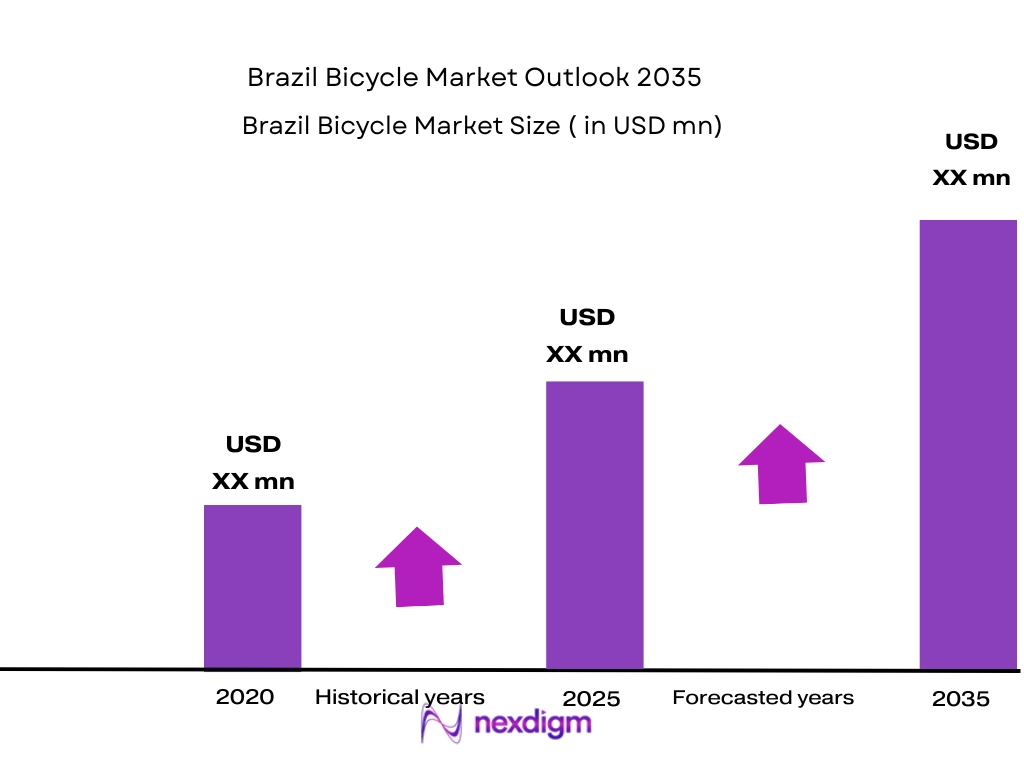
The Brazil bicycle market is valued at approximately USD ~ million in 2025, supported by increasing health awareness, growing urban congestion, rising environmental concerns, and expanding adoption of bicycles for both commuting and recreational purposes. Brazil’s population exceeded 210 million in recent years, while urbanization levels remain high, particularly in cities such as São Paulo and Rio de Janeiro. Rising fuel costs and traffic congestion have encouraged consumers to consider bicycles as a cost-effective and eco-friendly alternative for short-distance travel.
The market is concentrated in the Southeast and South regions due to higher income levels, better infrastructure, and stronger presence of organized retail and cycling communities. Bicycle usage is also growing in the Northeast region, driven by affordability and increasing adoption for daily commuting. Online retail and direct-to-consumer sales are expanding, making bicycles more accessible across urban and semi-urban areas. The growing popularity of cycling events and fitness culture is further supporting market demand.
Market Segmentation
By Product Type
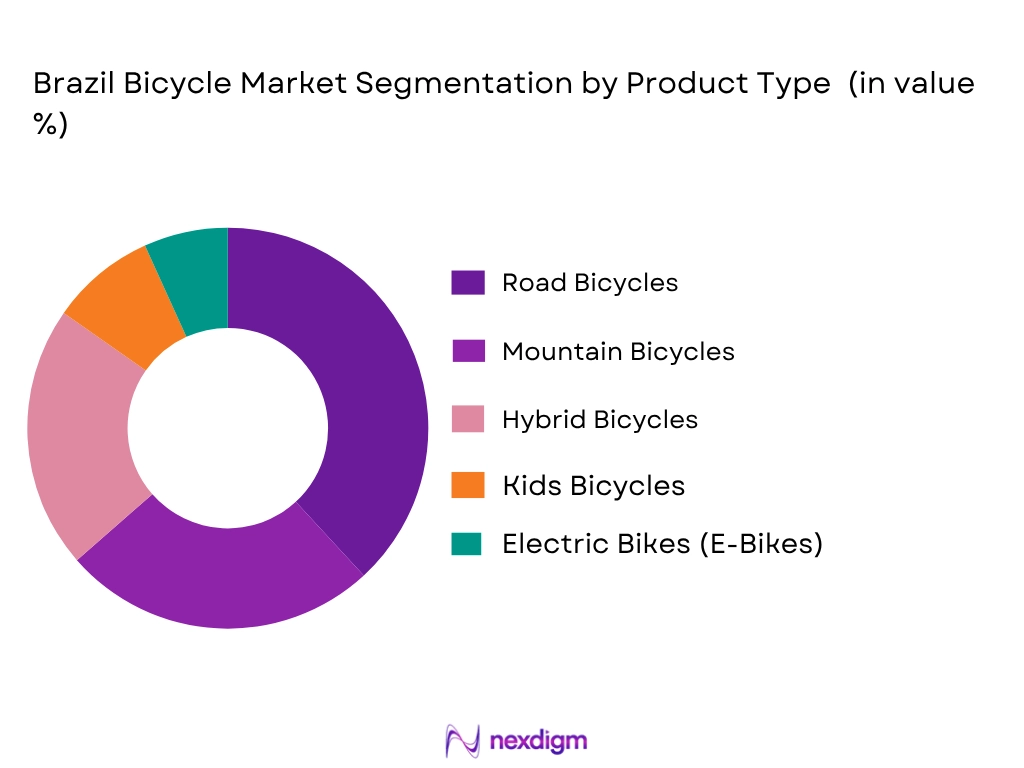
Brazil bicycle market is segmented by product type into mountain bikes, road bikes, hybrid bikes, electric bikes, and kids bicycles. Mountain bikes dominate the market due to their versatility, durability, and suitability for Brazil’s varied terrain and road conditions. These bikes are widely used for both recreational cycling and urban commuting. Electric bicycles are gaining traction in urban areas, driven by convenience and reduced physical effort, particularly among working professionals and delivery riders.
By Distribution Channel
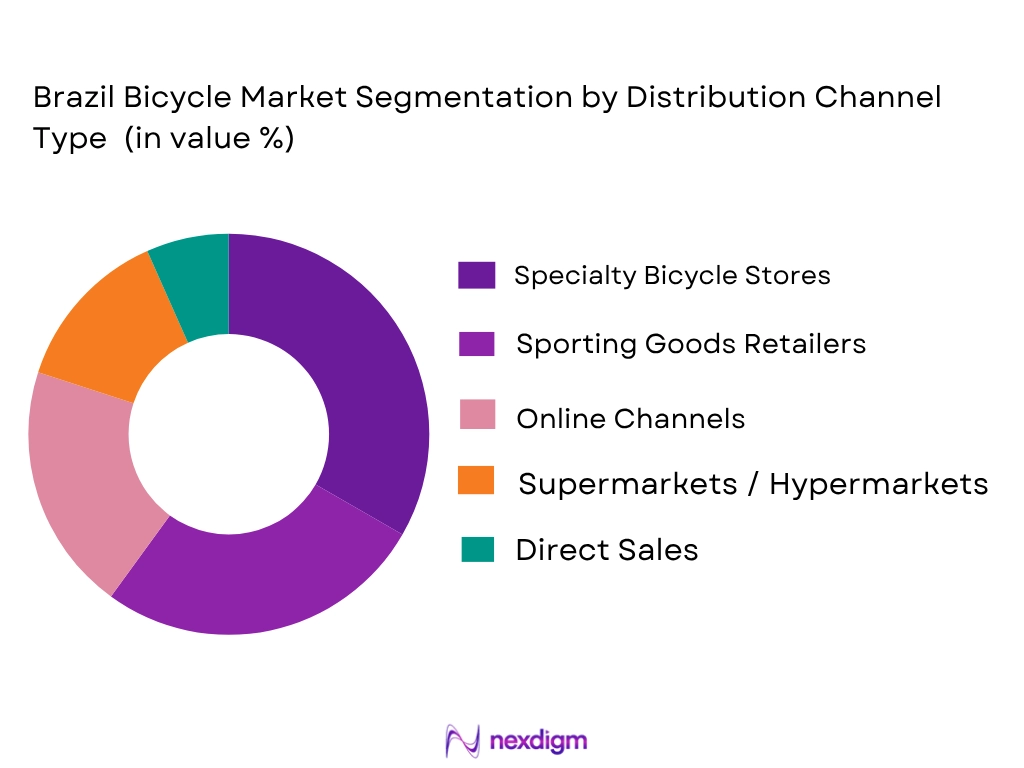
Brazil bicycle market is segmented by distribution channel into specialty bicycle stores, sporting goods retailers, online channels, supermarkets and hypermarkets, and direct sales. Specialty bicycle stores dominate the market as they offer a wide range of products, expert guidance, and after-sales services. However, online channels are rapidly growing due to increasing internet penetration, convenience, and availability of competitive pricing and home delivery options.
Competitive Landscape
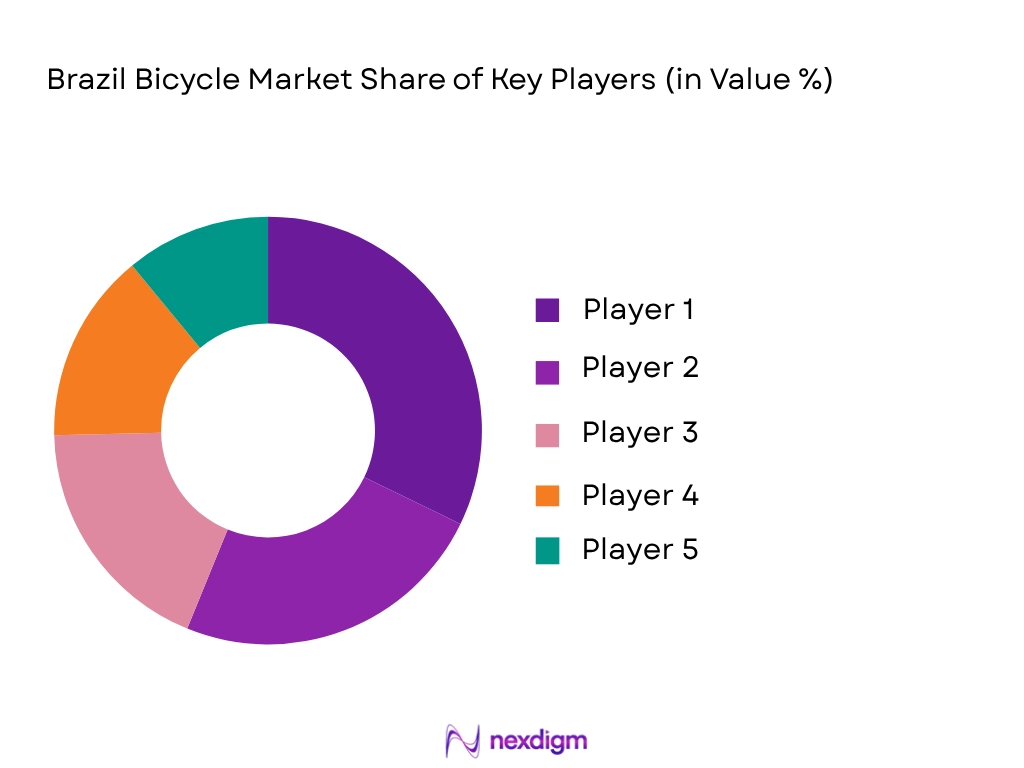
The Brazil bicycle market is highly competitive, with a mix of domestic manufacturers, international brands, and regional assemblers. Local players compete strongly in the economy and mid-range segments, while global brands dominate the premium and performance categories. Companies differentiate through product innovation, pricing strategies, distribution reach, and brand positioning. E-commerce platforms and direct-to-consumer strategies are increasingly being adopted to reach a wider customer base.
| Company | Establishment Year | Headquarters | Product Focus | Distribution Network | Key Consumer Segment | Import/Local Presence | Competitive Advantage |
| Caloi | 1898 | Brazil | ~ | ~ | ~ | ~ | ~ |
| Sense Bike | 2009 | Brazil | ~ | ~ | ~ | ~ | ~ |
| Monark | 1948 | Brazil | ~ | ~ | ~ | ~ | ~ |
| Giant Manufacturing | 1972 | Taiwan | ~ | ~ | ~ | ~ | ~ |
| Decathlon Brazil | 1976 | France / Brazil | ~ | ~ | ~ | ~ | ~ |
Brazil Bicycle Market Analysis
Growth Drivers
Rising Health Awareness and Fitness Trends
Brazil is witnessing a steady rise in health consciousness, encouraging consumers to adopt cycling as a regular fitness activity. Urban populations, especially in cities like São Paulo and Rio de Janeiro, are increasingly participating in cycling for cardiovascular health, weight management, and stress reduction. The affordability of bicycles compared to gym memberships further boosts adoption. Social media trends, cycling groups, and fitness events also play a significant role in promoting cycling culture. Additionally, younger demographics are showing a preference for outdoor fitness activities, contributing to higher bicycle demand. As awareness around preventive healthcare grows, bicycles are becoming an essential tool for maintaining an active lifestyle across various income groups.
Growing Adoption of Sustainable and Eco-Friendly Transportation
Environmental concerns and rising fuel prices are pushing Brazilian consumers toward eco-friendly transportation options like bicycles. With increasing urban congestion and pollution, bicycles are viewed as a practical and sustainable solution for short-distance commuting. Government initiatives promoting green mobility and reduced carbon emissions are further supporting this transition. Many urban areas are gradually integrating cycling lanes and encouraging non-motorized transport systems. Consumers are also becoming more environmentally conscious, preferring transportation methods that have minimal ecological impact. This shift is not only reducing dependency on fossil fuels but also improving urban air quality. As sustainability becomes a priority, bicycles are gaining strong acceptance as a reliable daily commuting option.
Market Challenges
High Import Dependency for Components
The Brazil bicycle market relies heavily on imported components such as gears, drivetrains, braking systems, and e-bike batteries. This dependency exposes manufacturers to risks related to currency fluctuations, import duties, and global supply chain disruptions. Any increase in costs directly impacts product pricing, making bicycles less affordable for price-sensitive consumers. Additionally, delays in component availability can disrupt production schedules and inventory management. Domestic manufacturing capabilities remain limited, particularly for advanced and high-performance components. As a result, local players often struggle to compete with international brands in terms of innovation and technology. Reducing import reliance remains a critical challenge for long-term market stability and growth.
Safety Concerns and Theft Issues
Safety concerns and bicycle theft are significant barriers to widespread adoption in Brazil. Many cities lack adequate cycling infrastructure, increasing the risk of accidents for cyclists sharing roads with motor vehicles. Poorly maintained roads and limited dedicated bike lanes further exacerbate safety risks. Additionally, high rates of bicycle theft in urban areas discourage consumers from investing in expensive or premium bicycles. Lack of secure parking facilities and weak enforcement of safety regulations also contribute to these concerns. These challenges are particularly prominent in densely populated metropolitan areas. Addressing safety issues and improving infrastructure will be crucial for encouraging more consumers to adopt cycling as a reliable mode of transport.
Opportunities
Growth in Electric Bicycle (E-Bike) Segment
The electric bicycle segment is emerging as a major growth opportunity in Brazil, driven by increasing demand for convenient and efficient transportation solutions. E-bikes offer pedal assistance, making them suitable for longer commutes, hilly terrains, and users with varying fitness levels. Urban professionals and delivery workers are increasingly adopting e-bikes due to their efficiency and cost-effectiveness compared to motor vehicles. Technological advancements in battery life and charging infrastructure are further supporting adoption. As awareness increases and prices gradually become more competitive, the e-bike segment is expected to expand rapidly. This trend presents strong potential for both domestic manufacturers and international brands targeting urban mobility solutions.
Expansion of Bike-Sharing and Urban Mobility Solutions
Bike-sharing programs and urban mobility initiatives are creating new opportunities in Brazil’s bicycle market. Major cities are increasingly adopting shared mobility solutions to reduce traffic congestion and promote sustainable transportation. These programs provide affordable and convenient access to bicycles, encouraging first-time users to explore cycling as a daily commuting option. Integration with mobile apps and digital payment systems has improved accessibility and user experience. Governments and private players are collaborating to expand bike-sharing networks and infrastructure. This trend not only increases bicycle visibility but also promotes a shift toward eco-friendly urban transport. As adoption grows, bike-sharing is expected to play a key role in expanding the overall market.
Future Outlook
Over the next decade, the Brazil bicycle market is expected to grow steadily, supported by rising health awareness, urban mobility needs, and environmental sustainability trends. The market will benefit from increasing adoption of electric bicycles, expansion of cycling infrastructure, and growth in delivery and logistics applications. Urban commuting and recreational cycling will continue to drive demand, while the e-bike segment is expected to emerge as a key growth driver. Domestic manufacturers will focus on affordability and local assembly, while international brands will target premium segments. Online sales and direct-to-consumer channels will play an increasingly important role in market expansion.
Major Players
- Caloi
- Sense Bike
- Oggi Bikes
- Monark
- Track Bikes
- Specialized Bicycle Components
- Trek Bicycle Corporation
- Giant Manufacturing
- Decathlon Brazil
- Cannondale
- Scott Sports
- Santa Cruz Bicycles
- Houston Bike
- Audax Bike
- Soul Cycles
Key Target Audience
- Bicycle manufacturers
- Component suppliers and distributors
- Sporting goods retailers
- Online e-commerce platforms
- Urban mobility service providers
- Government and municipal authorities
- Delivery and logistics companies
- Cycling clubs and associations
- Fitness and recreational users
- Investors and venture capital firms
Research Methodology
Step 1: Identification of Key Variables
The initial phase involves mapping stakeholders in the Brazil bicycle market, including manufacturers, component suppliers, distributors, retailers, online platforms, and end users. Secondary research sources such as government data, industry reports, and company publications are used to identify key variables affecting market demand.
Step 2: Market Analysis and Construction
Historical data is analyzed to understand trends in bicycle adoption, pricing, distribution channels, and consumer preferences. The study evaluates demand across commuting, recreational, sports, and delivery applications to construct a comprehensive market model.
Step 3: Hypothesis Validation and Expert Consultation
Industry experts, including manufacturers, retailers, and cycling professionals, are consulted to validate assumptions and provide insights into market trends, competitive dynamics, and growth opportunities.
Step 4: Research Synthesis and Final Output
The final phase integrates primary and secondary research findings to deliver a validated and comprehensive market assessment. Data triangulation ensures accuracy across all segments and forecasts.

- Executive Summary
- Research Methodology (Market Definitions and Assumptions, Abbreviations, Market Sizing Approach, Consolidated Research Approach, Understanding Market Potential Through In-Depth Industry Interviews, Primary Research Approach, Limitations and Future Conclusions)

- Definition and Scope
- Market Dynamics Overview
- Market Genesis
- Major Players and Market Timeline
- Business Cycle and Trends
- Supply Chain and Value Chain Analysis

- Growth Drivers
Rising Health Awareness and Fitness Trends
Growing Adoption of Sustainable and Eco-Friendly Transportation
Expansion of Cycling Infrastructure and Government Support
Growth of E-Commerce and Home Delivery Services
Increasing Popularity of Cycling as a Recreational Activity - Market Challenges
High Import Dependency for Components
Price Sensitivity in Lower Income Segments
Poor Road Infrastructure in Certain Regions
Safety Concerns and Theft Issues
Fluctuating Raw Material Costs - Opportunities
Growth in Electric Bicycle (E-Bike) Segment
Expansion of Bike-Sharing and Urban Mobility Solutions
Rising Demand for Premium and Performance Bikes
Growth in Delivery and Logistics Fleet Usage
Increasing Government Initiatives for Cycling Infrastructure - Key Trends
Rising adoption of electric bicycles
Growth in urban cycling culture
Increasing demand for lightweight and durable materials
Expansion of online bicycle sales channels
Emergence of subscription and rental-based bicycle services - Government Regulations
- SWOT Analysis
- Porter’s Five Forces

- By Value, 2020–2025
- By Volume, 2020–2025
- By Average Price, 2020–2025

- By Product Type (In Value %)
Mountain Bikes
Road Bikes
Hybrid Bikes
Electric Bikes (E-Bikes)
Kids Bicycles - By Distribution Channel (In Value %)
Specialty Bicycle Stores
Sporting Goods Retailers
Online Channels
Supermarkets and Hypermarkets
Direct Sales - By Price Segment (In Value %)
Economy
Mid-Range
Premium - By End User (In Value %)
Men
Women
Kids - By Application (In Value %)
Commuting
Recreational
Sports and Professional Racing
Delivery and Logistics - By Region (In Value %)
Southeast Region
South Region
Northeast Region
North Region
Central-West Region

- Market Share of Major Players by Value/Volume
- Market Share of Major Players by Product Type
- Cross Comparison Parameters (Company Overview, Business Strategies, Recent Developments, Strength, Weakness, Organizational Structure, Revenues, Revenues by Product Type, Number of Touchpoints, Distribution Channels, Number of Dealers and Distributors, Margins, Production Plant, Capacity, Unique Value Offering and Others)
- SWOT Analysis of Major Players
- Pricing Analysis Based on Product Categories for Major Players
- Detailed Profiles of Major Companies
Caloi
Sense Bike
Oggi Bikes
Monark
Track Bikes
Specialized Bicycle Components
Trek Bicycle Corporation
Giant Manufacturing
Decathlon Brazil
Cannondale
Scott Sports
Santa Cruz Bicycles
Houston Bike
Audax Bike
Soul Cycles

- Market Demand and Utilization
- Purchasing Power and Budget Allocations
- Regulatory and Compliance Requirements
- Needs, Desires, and Pain Point Analysis
- Decision-Making Process

- By Value, 2026–2035
- By Volume, 2026–2035
- By Average Price, 2026–2035


 Request a Sample
 Ask for Customization
 Get a Quote
 Enquire Now