
 Download PDF
Market Overview
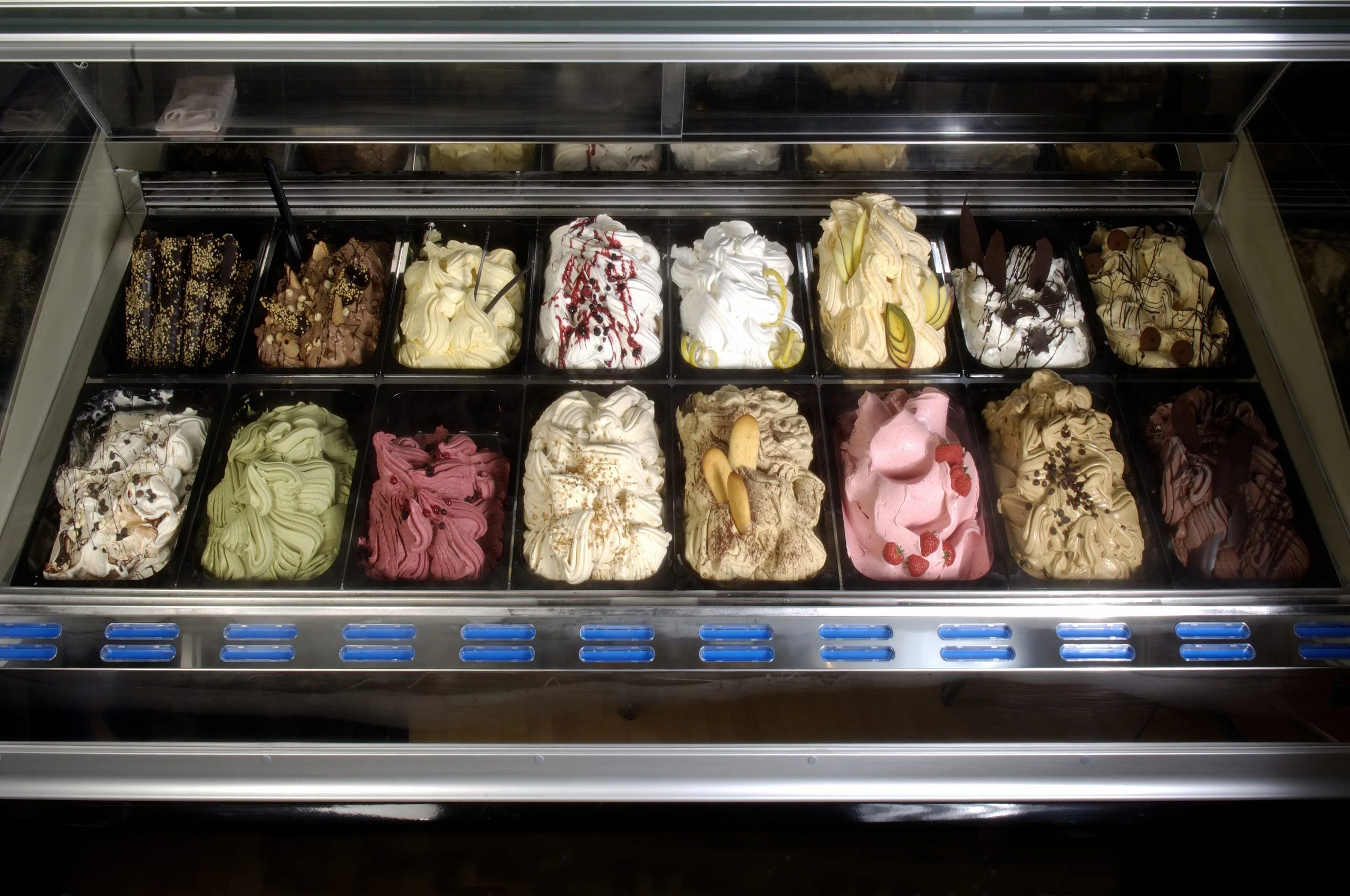
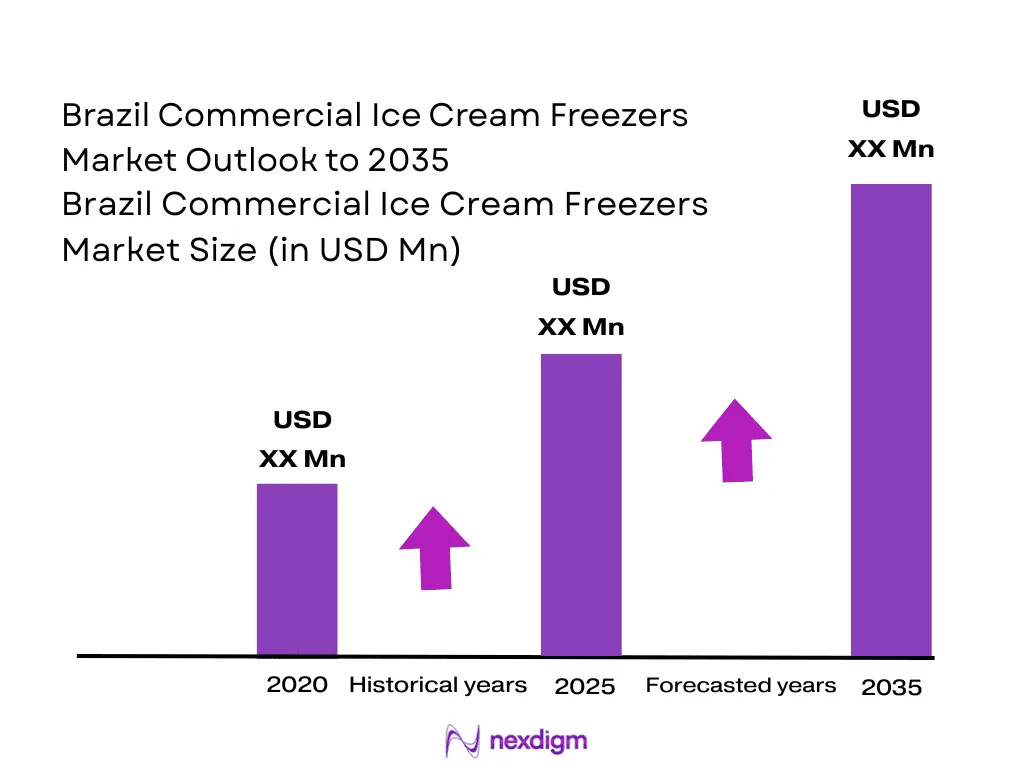
The Brazil commercial refrigeration equipment market, which includes commercial ice cream freezers, generated revenue of USD ~ million, highlighting the strong base demand for refrigeration systems in food retail and hospitality segments. Refrigerators and freezers were the largest revenue‑generating product category, indicating that ice cream freezers benefit from the broader refrigeration infrastructure investment in retail grocery and specialty frozen‑dessert outlets. Brazil’s large population of 203 million people and expanding organized retail network reinforce refrigeration demand in urban consumption hubs. The existing installed base of freezers and replacement cycles across supermarkets, convenience stores, and food service environments are key drivers shaping equipment uptake into Brazil’s commercial refrigeration landscape.
Commercial ice cream freezer demand is particularly strong in major Brazilian metropolitan and coastal regions due to higher disposable income levels and intensified retail activity. Metropolitan areas such as São Paulo and Rio de Janeiro dominate deployment because of dense urban populations, widespread supermarket and convenience retail penetration, and tourism‑driven foodservice sectors. The Northeast region, while growing, reflects rising consumption trends influenced by warmer climates and associated retail‑cold chain investments supporting frozen dessert offerings at points of sale. This regional dominance is driven by consumer spending patterns on discretionary food items and the comparative concentration of high‑traffic retail and foodservice establishments requiring advanced freezer equipment.
Market Segmentation
By Product Configuration
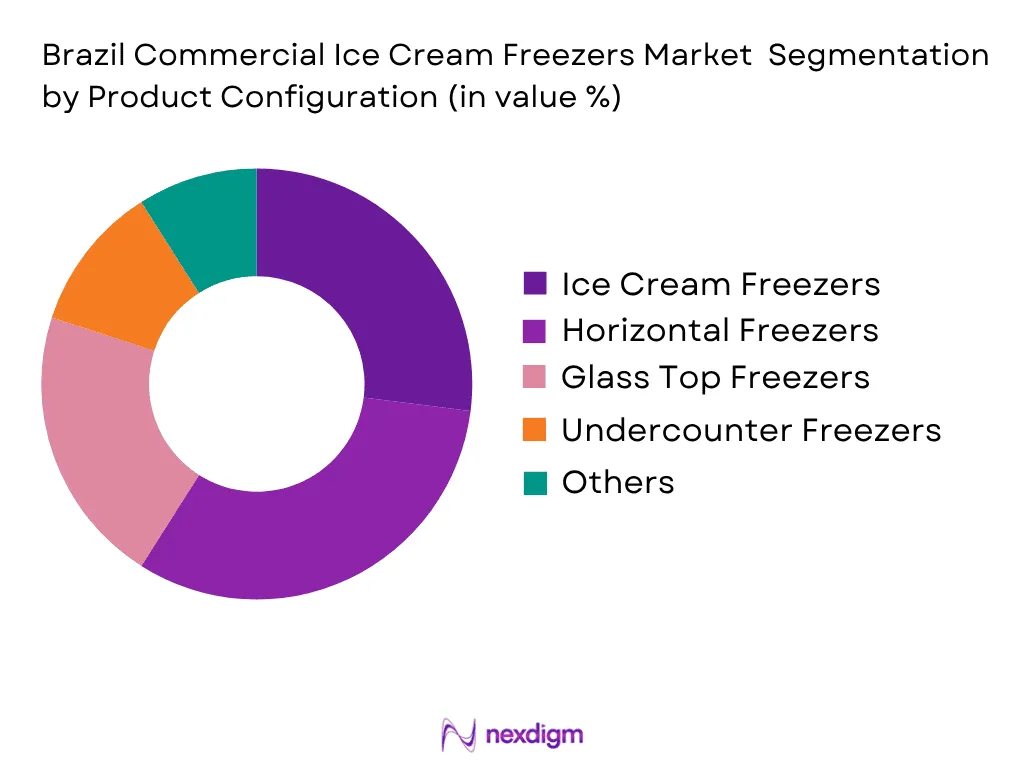
Commercial ice cream freezers are segmented by form factor, with chest/horizontal freezers commanding the leading share in 2024 due to their widespread use in supermarkets and convenience stores that prioritize energy‑efficient bulk storage and ease of access for impulse purchase ice cream products. These units are often the preferred choice in retail environments where floor space and product visibility must balance storage efficiency with customer engagement. The upright freezer sub‑segment holds significant presence where product display and quick selection are valued, such as in gelato shops and specialty dessert outlets. Walk‑in freezers, while smaller in share, support high‑volume distribution centers and production facilities supplying retail chains, indicating the tail of the cold chain that underpins commercial freezer demand across Brazil. These structural preferences reflect equipment design choices that align with retailer operations, visual product merchandising, and maintenance considerations.
By End‑Use Channel
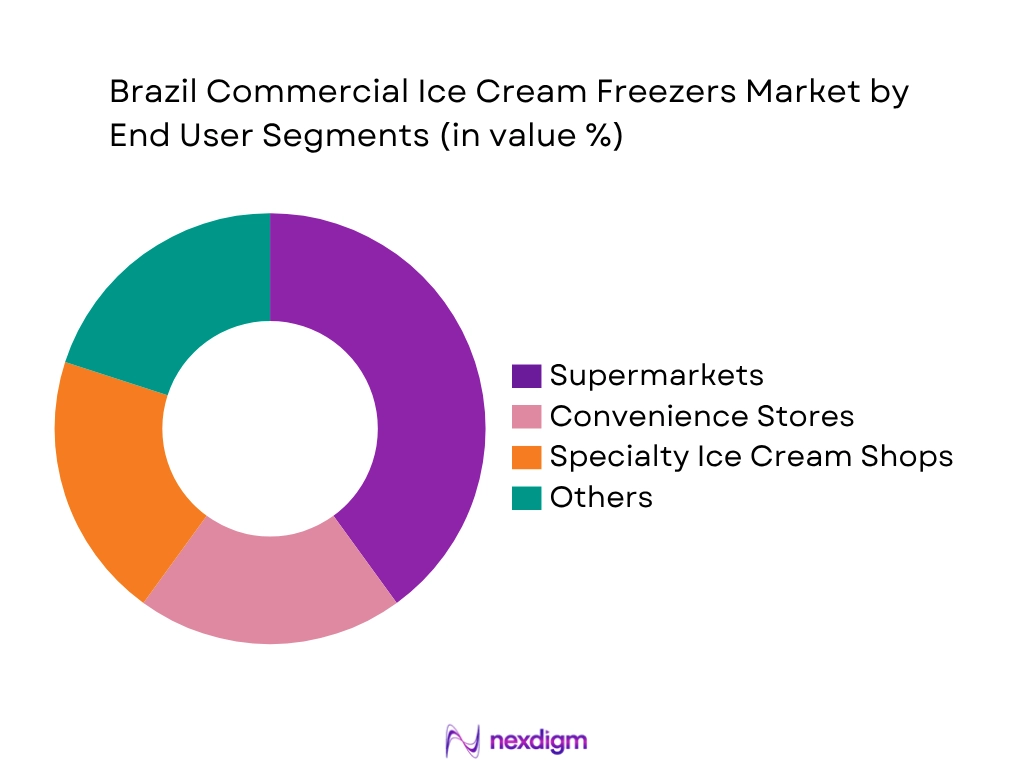
Under end‑use segmentation, supermarkets and hypermarkets lead adoption of commercial ice cream freezers in Brazil, driven by their role as primary distribution points for frozen consumer products and the large volume of daily footfall that necessitates reliable freezing equipment. Supermarket chains have significant freezer deployment across multiple store formats, from traditional large floors to urban compact outlets, reinforcing their dominance. Convenience store formats also contribute meaningfully, especially in urban centers where on‑the‑go purchases and high mobility consumption patterns push demand for visible, accessible ice cream display units. Specialty ice cream parlors and gelato shops hold a consistent share as they invest in display freezers that enhance customer experience and reflect brand positioning. Food service accounts are supported by freezer installation tied to menu diversification and dessert offerings in restaurants. This channel‑based segmentation mirrors how Brazil’s retail food landscape intersects with freezer utilization across diverse customer touchpoints.
Competitive Landscape
The Brazil commercial ice cream freezers segment mirrors broader commercial refrigeration competition, where national and international manufacturers operate across equipment design, refrigerant technology, and service networks. Commercial refrigeration and freezer market competition in Brazil is shaped by global brands and local manufacturers supplying retailers, hospitality chains, and food service operators. Reliability, energy efficiency, product support, and refrigerator technological features are primary competitive influences.
| Company | Est. Year | HQ | Product Range | Tech Innovation | Energy Efficiency Focus | Distribution Reach | After‑Sales Support |
| Metalfrio Solutions S/A | 1937 | Brazil | ~ | ~ | ~ | ~ | ~ |
| Fricon S/A | 1984 | Brazil | ~ | ~ | ~ | ~ | ~ |
| Esmalteco S/A | 1951 | Brazil | ~ | ~ | ~ | ~ | ~ |
| Polar Industria e Comercio | 1965 | Brazil | ~ | ~ | ~ | ~ | ~ |
| Venax S/A | 1951 | Brazil | ~ | ~ | ~ | ~ | ~ |
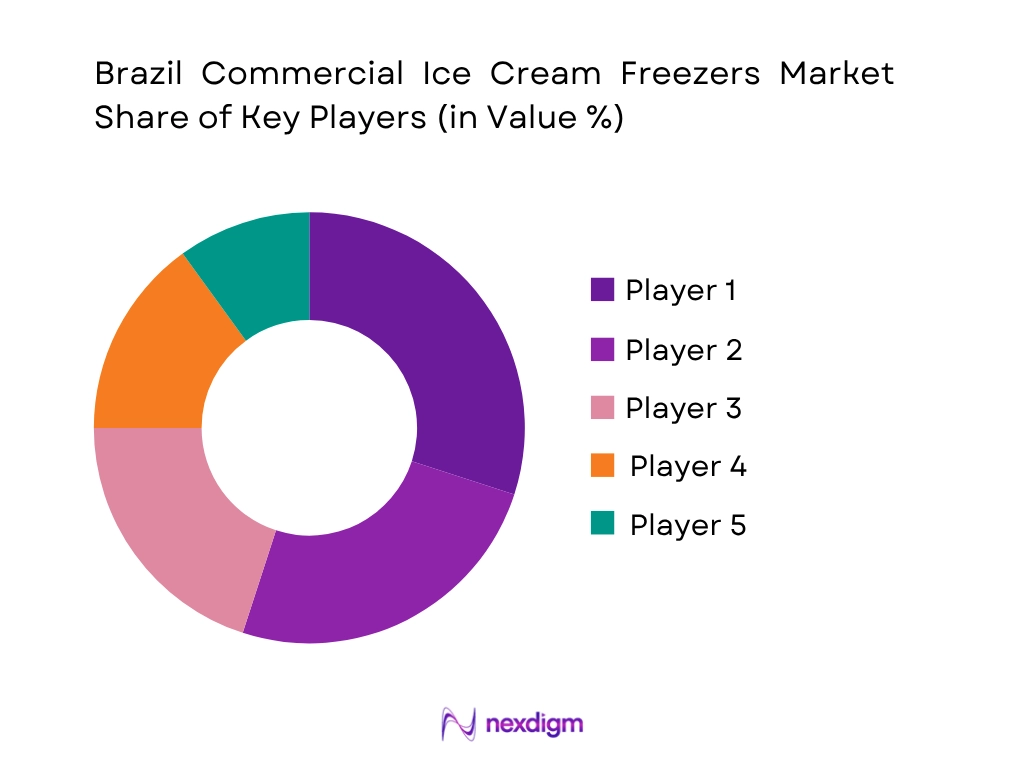
Brazil Commercial Ice Cream Freezers Market
Growth Drivers
Rising Frozen Dessert Consumption Volumes Fueling Freezer Infrastructure Demand
Brazil’s commercial ice cream freezer demand is supported by robust growth in frozen dessert consumption, particularly as consumers in warm climates engage more frequently with ice cream products. According to a sector overview, per capita ice cream consumption in Brazil increased from 5 liters to 9.1 liters per year, showing notable volume gains in overall frozen dessert consumption. This expansion in consumption volumes—from both traditional dairy ice cream and impulse formats—generates consistent pressure on retailers to maintain reliable cold chain infrastructure, particularly display, upright, and chest freezer equipment in supermarkets, convenience stores, and specialty retail locations. The growth in consumption is especially pronounced in Brazil’s Northeast region, where climate conditions drive year‑round demand for frozen products and where commercial investment in freezer capacity has risen as a result. As demand moves beyond seasonal spikes into more sustained year‑long usage patterns, chain supermarkets and foodservice outlets are allocating budget toward larger, energy‑efficient freezer installations. This direct linkage between consumption volumes and infrastructure investment makes ice cream freezers a foundational component of the retail and foodservice cold chain, anchoring market activity around real consumer behavior.
Brazil’s Economic Expansion Supports Retail and Foodservice Capital Outlay
Brazil’s macroeconomic context in 2024 underpins commercial cold equipment investment, including ice cream freezers, through expanding household consumption and overall GDP. The Brazilian Institute of Geography and Statistics (IBGE) reported that Brazil’s GDP reached approximately 11.7 trillion Brazilian reals, with household consumption expenditure identified as a key contributor to economic activity. This suggests elevated disposable income allocation to food and beverage purchases—especially refrigerated and frozen indulgences such as ice cream—which, in turn, motivates retailers and restauranteurs to invest in suitable freezer technology to support inventory and sales. Retail sales growth in Brazil is reflected in retail revenues exceeding 121 billion US dollars for the top 500 retailers, indicating robust consumer spending across major grocery and convenience formats. As frozen dessert consumption becomes more integrated into everyday food spending patterns, supermarket chains and chain foodservice operators require more freezers to manage diversified SKU assortments of ice cream and related products. The alignment between macroeconomic expansion, household expenditures, and retail infrastructure upgrades drives sustained demand for commercial ice cream freezers across Brazil’s urban and peri‑urban regions.
Challenges
Declining Ice Cream Production Volumes Impacting Downstream Freezer Utilization
A structural challenge for Brazil’s commercial ice cream freezer market is the recent decline in overall ice cream market volumes, which affects equipment utilization rates at retail and foodservice endpoints. Industry data indicates that Brazil’s ice cream market recorded 282.2 million kilograms of consumption in 2024, reflecting a contraction from prior measurement periods as consumer budgets tightened due to broader economic pressures. This decline in consumption volume translates directly into lower throughput for freezer cabinets, particularly in smaller retail channels and independent operators that rely on consistent SKU turnover to justify commercial freezer investments. With softer demand, businesses may delay upgrades or defer purchases of advanced freezer technology, impacting manufacturers and distributors who depend on steady replacement cycles. In turn, the slowdown in base product usage reduces the urgency for expanding freezer capacity, particularly for large display units in impulse sales areas. This dynamic highlights a demand‑side constraint where ice cream consumption performance influences how rapidly commercial refrigeration assets are refreshed or expanded. The challenge is exacerbated in regions where consumption has not yet normalized to pre‑decline levels, affecting the overall replacement and upgrade cycle for freezer equipment in a core demand environment.
Cold Chain Infrastructure Gaps Limit Geographic Freezer Deployments
Brazil’s commercial ice cream freezer market also faces cold chain infrastructure challenges, particularly outside major metropolitan centers. While urban hubs like São Paulo and Rio de Janeiro exhibit strong retail network density and advanced cold storage facilities, many secondary cities and interior regions lack consistent refrigerated logistics capabilities. This gap constrains freezer deployment in locations where transport from production centers or distribution hubs is less reliable, potentially leading to higher spoilage rates or operational inefficiencies. The infrastructure limitations are part of broader retail and service distribution dynamics in Brazil, as formal cold chain statistics capture incomplete logistical coverage in many inland areas. Without robust last‑mile refrigeration support, retailers in those regions are less inclined to invest in larger or more sophisticated freezer units due to the risk of product temperature excursions during transport or storage. This constraint also increases operational costs for foodservice outlets that must implement supplementary measures (such as dedicated backup generators or localized storage) to maintain product quality. These infrastructure bottlenecks suppress potential market expansion into emerging demand areas and act as a tangible barrier to uniform national deployment of commercial ice cream freezers across Brazil’s diverse geography.
Opportunities
Premium and Artisanal Ice Cream Consumption Driving Display and Specialty Freezer Demand
An emerging opportunity in the Brazil commercial ice cream freezers market is tied to the rise in premium and artisanal ice cream consumption, creating demand for advanced freezer formats that enhance product visibility and preserve sensory quality. Brazil’s ice cream market includes impulse‑oriented single‑serve products, take‑home tubs, and artisanal offerings, reflecting diversified consumer preferences across traditional and niche segments. These evolving consumption patterns present opportunity for retailers to install better display freezers and specialised cabinets that improve merchandising of premium and artisanal product lines. Urban consumers in major metropolitan regions are increasingly seeking differentiated frozen dessert experiences, including locally sourced ingredients and innovative flavour profiles. This broadens the product portfolio requiring freezing solutions tailored to showcase and maintain premium qualities—such as upright glass doors with advanced lighting and temperature controls—beyond standard chest freezers. Retailers and specialty stores that align freezer investments with these premium consumption trends are well placed to capture incremental value from higher unit price products. The intersection of consumer preferences for quality premium products with strategic freezer technology creates an advantageous environment for differentiated commercial refrigeration solutions.
Expansion of Modern Retail Formats Increasing Freezer Penetration
Brazil’s large and evolving retail sector provides a distinct opportunity for commercial ice cream freezer deployment through the growth of modern supermarket chains, convenience outlets, and specialty retail formats. Data from the Brazilian supermarket association highlights that retail revenues among the top 500 food and beverage sellers reached US$121 billion, indicating significant organized retail activity and consumer footfall across these channels. Supermarkets and hypermarkets invest in freezer cabinets not just for ice cream but for a wider variety of frozen product assortments, creating cross‑selling visibility for ice cream freezers as integral retail infrastructure. Additionally, the expansion of convenience stores and neighborhood retail formats increases penetration points where impulse ice cream purchases are enabled by compact, energy-efficient freezer units. As modern retail formats expand into secondary cities and interior markets, demand for commercial freezers—ranging from upright display cases to multi‑door floor cabinets—grows concomitantly with broader food retail distribution. This structural expansion in modern retail enhances opportunities for freezer manufacturers to sell a wider range of freezer configurations, aligning equipment with diversified product mixes and retail strategies geared toward higher consumer engagement.
Future Outlook
Brazil’s commercial ice cream freezers landscape is expected to continue expanding as consumers increasingly seek refrigerated products beyond traditional seasons. Urbanization, rising discretionary food spending, and expanded modern retail formats contribute to sustained demand for refrigeration equipment that preserves product quality and enhances visual merchandising. Enhanced cold chain infrastructure and investments in energy‑efficient solutions supporting continuous operations are poised to shape procurement decisions. Environmental regulations promoting low‑GWP refrigerants and energy‑conserving technologies will further influence product design and adoption. Demand in emerging retail channels such as delivery‑oriented stores and kiosks will extend freezer deployment across more touchpoints, reinforcing the role of reliable freezing solutions in Brazil’s evolving retail and foodservice ecosystem.
Major Players
- Metalfrio Solutions S/A
- Fricon S/A
- Esmaltec S/A
- Polar Industria e Comercio
- Venax S/A
- Refrimate Equipment
- Mais Frio Refrigeration
- Electrolux Brasil
- Whirlpool Brasil
- AHT Cooling Systems (Brazil operations)
- Imbera Refrigeration
- Midea Group Brazil
- True Manufacturing (distribution partners)
- Hussmann (distribution partners)
- TurboAir (distribution partners)
Key Target Audience
- Retail Chain Procurement Heads
- Foodservice Chain Operations Heads
- Supermarket & Hypermarket Equipment Procurement
- Franchise Restaurant Expansion Strategy Leaders
- Investments and Venture Capitalist Firms
- Government and Regulatory Bodies
- Cold Chain Logistics Operators
- Retail Technology & Retail Infrastructure Investors
Research Methodology
Step 1: Identification of Key Variables
Initial phase includes building an ecosystem map of all stakeholders relevant to Brazil’s commercial refrigeration and ice cream freezer segment. This leverages secondary sources, government trade statistics, and industry datasets to identify equipment categories, consumption segments, and key macroeconomic indicators pertinent to Brazil’s food retail infrastructure and cold chain dynamics.
Step 2: Market Analysis and Construction
Historical revenue and unit installation data are compiled from credible databases and Brazilian industry sources. Equipment penetration across retail formats and food service channels is evaluated alongside operating cost dynamics, electricity pricing trends, and urban consumption patterns. Segmentation analysis is aligned with product configurations and end‑use demand profiles.
Step 3: Hypothesis Validation and Expert Consultation
Market findings are validated through interviews with refrigeration suppliers, retail procurement executives, and field service partners to corroborate assumptions on product performance expectations, installation and service requirements for commercial ice cream freezers. Expert insights anchor key drivers, restraints, and adoption behavior across Brazil’s market segments.
Step 4: Research Synthesis and Final Output
Final output integrates quantitative data and qualitative insights to deliver a validated, multi‑layered analysis of Brazil’s commercial ice cream freezer market. Cross‑region comparisons, competitive profiling, and infrastructure trends provide actionable intelligence for business decision‑making.

- Executive Summary
- Research Methodology (Market Definitions and Assumptions, Abbreviations and Nomenclature, Data Collection Framework, Primary Research Instruments, Secondary Source Integration, Brazil Commercial Ice Cream Freezers Market Sizing Approach, Market Validation and Triangulation, Limitations and Risk Controls)

- Definition and Scope of Commercial Ice Cream Freezers
- Market Genesis and Evolution
- Brazil Commercial Ice Cream Freezers Business Cycle
- Brazil Commercial Ice Cream Freezers Value Chain Analysis
- Regulatory and Standards Landscape

- Growth Drivers (Urban Retail Expansion, Rising Ice Cream Consumption, Organized Retail Spread)
- Market Challenges (Electricity Cost Pressure, Refrigerant Transition Costs, Cold Chain Bottlenecks)
- Market Opportunities (Energy‑Efficient Freezers, Convenience Store Frozen Item Demand, Export‑Oriented Food Retail)
- Market Trends (Technology Adoption, Smart Refrigeration, Eco‑Friendly Refrigerants)
- Market Restraints (Import Tariffs, After‑Sales Service Infrastructure Gaps)
- Regulatory Environment (INMETRO Certification, Environmental Compliance, Energy Efficiency Standards)

- Market Size by Revenue (2020-2025)
- Market Size by Units Sold (2020-2025)
- Market Size by Installed Base (2020-2025)

- By Product Configuration (In Value %)
Upright Ice Cream Freezers
Chest / Horizontal Ice Cream Freezers
Display/Glass‑Top Ice Cream Freezers
Undercounter Ice Cream Freezers
Walk‑In Ice Cream Freezers - By End Use (In Value %)
Supermarkets & Hypermarkets
Convenience Stores & Gas Stations
Specialty Ice Cream Shops
Hospitality & Hotels - By Geography (In Value %)
Southeast
South
Northeast
Central West
North - By Cooling Technology (In Value %)
Static Cooling
Ventilated/Forced‑Air
Remote Glycol/Ducted
Natural Refrigerant Platforms

- Market Share of Major Players (Units & Revenue)
- Cross Comparison Parameters(Company Overview, Product Portfolio Breadth, Price Positioning, Channel Coverage, Service Network Strength, Technology/Innovation Index, Energy Efficiency Ratings, Refrigerant Compliance, Warranty & After‑Sales Support)
- Company SWOT Analysis
- Pricing Dynamics and SKU Tier Analysis
- Distribution & Channel Ecosystem
- Detailed Profiles of Major Companies
Metalfrio Solutions S/A
Fricon S/A
Gelopar Freezers
Esmaltec S/A
Polar Industria e Comercio
Refrimate Equipment
Mais Frio Refrigeration
Venax S/A
Imbera Refrigeration
Midea Group (Brazil Operations)
Electrolux Brasil
Whirlpool (Brasil)
AHT Cooling Systems (Brazil)
Embraco (Compressor Supplier Impact)
GE Refrigeration Brazil

- Retail Buyers Profile
- Foodservice Buyers Profile
- Chain Account Procurement Practices
- Maintenance & Operational Cost Analysis
- Purchase Decision Drivers

- Forecast by Revenue (2026-2035)
- Forecast by Units Sold (2026-2035)
- Forecast by Installed Retail Outlets (2026-2035)


 Request a Sample
 Ask for Customization
 Get a Quote
 Enquire Now