
 Download PDF
 Download PDF
Market Overview
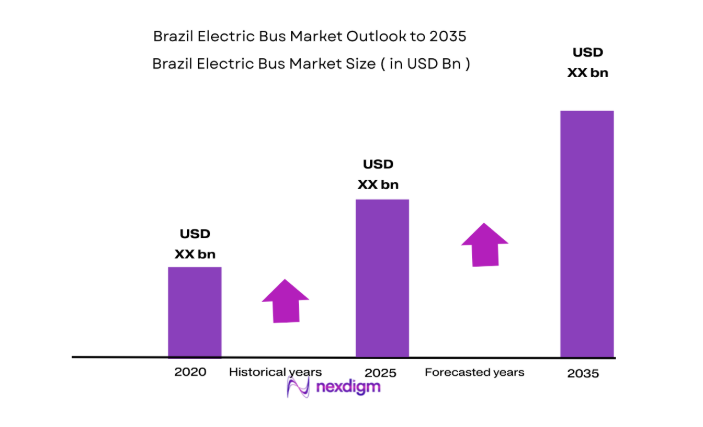
The Brazil Electric Bus market is experiencing significant growth due to an increasing focus on sustainable transportation. The market size is driven by government initiatives, with investments in clean energy technologies. In 2024, the market value is projected to be over USD ~ billion, influenced by public transportation modernization programs and environmental policies. High demand for electric buses is supported by efforts to reduce carbon emissions and improve air quality in major cities like São Paulo and Rio de Janeiro, where the implementation of electric fleets is accelerating.
Brazil’s dominance in the electric bus market stems from government support for electrification and large-scale infrastructure projects. Cities like São Paulo, Rio de Janeiro, and Brasília are leading the adoption of electric buses due to their established transit systems and government-driven policies promoting eco-friendly transportation. Urban centers with high pollution levels, such as São Paulo, are prioritizing the shift to electric buses to meet stringent emission targets. This transition is bolstered by incentives for fleet electrification and local manufacturing support, establishing Brazil as a key market in Latin America.
Market Segmentation
By Product Type
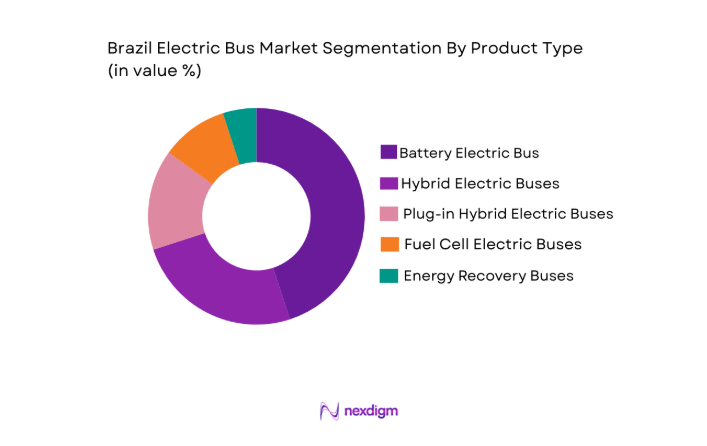
Brazil Electric Bus market is segmented by product type into Battery Electric Buses (BEB), Hybrid Electric Buses (HEB), Plug-in Hybrid Electric Buses (PHEB), Fuel Cell Electric Buses (FCEB), and Energy Recovery Buses. Recently, Battery Electric Buses (BEB) have a dominant market share due to factors such as technological advancements in battery technology, the growing need for zero-emission transportation, and the environmental benefits that align with governmental green policies. The increasing installation of charging infrastructure and subsidies for electric buses have made BEBs the preferred choice in both urban and intercity transit systems. BEBs are highly favored for their cost-effectiveness in terms of maintenance and fuel savings, as they offer a sustainable alternative to conventional buses.
By Platform Type
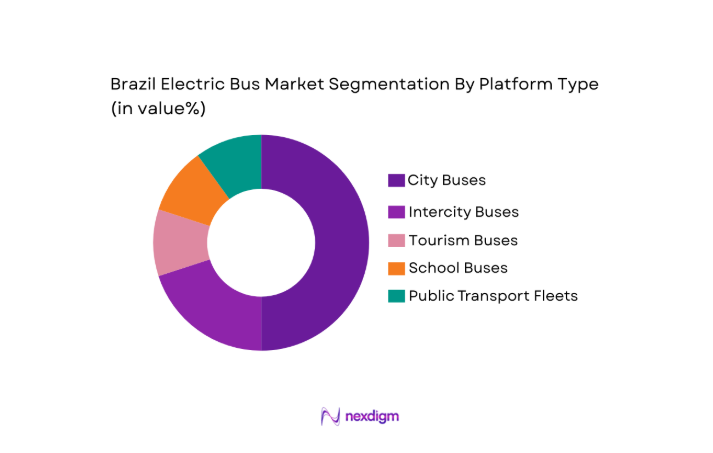
Brazil Electric Bus market is segmented by platform type into City Buses, Intercity Buses, Tourism Buses, School Buses, and Public Transport Fleets. Recently, City Buses have a dominant market share due to the rapid urbanization and high population density in metropolitan areas, requiring a large-scale adoption of electric buses for public transport systems. City buses are vital for reducing pollution levels, and municipalities across Brazil are prioritizing these vehicles for fleet electrification. With governmental support in the form of incentives and subsidies for electric buses, urban centers are becoming the primary beneficiaries of BEB integration. Urban areas with extensive public transportation networks are leveraging city buses to lead the change toward cleaner and greener mobility solutions.
Competitive Landscape
The competitive landscape in Brazil’s electric bus market is characterized by a high level of consolidation, with global manufacturers and local players dominating the space. The influence of major players like BYD and Volvo is evident, with these companies shaping the industry through their advanced technologies and extensive manufacturing capabilities. As the Brazilian government accelerates the adoption of electric buses, more players are entering the market, contributing to heightened competition.
| Company Name | Establishment Year | Headquarters | Technology Focus | Market Reach | Key Products | Revenue (USD) | Additional Parameter |
| BYD | 1995 | China | ~ | ~ | ~ | ~ | ~ |
| Volvo | 1927 | Sweden | ~ | ~ | ~ | ~ | ~ |
| Mercedes-Benz | 1926 | Germany | ~ | ~ | ~ | ~ | ~ |
| Yutong Bus | 1997 | China | ~ | ~ | ~ | ~ | ~ |
| New Flyer | 1995 | Canada | ~ | ~ | ~ | ~ | ~ |
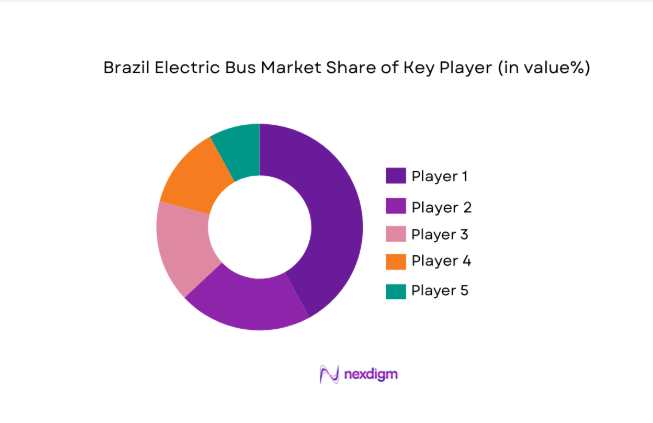
Brazil Electric Bus Market Analysis
Growth Drivers
Government Incentives for EV Adoption
Government incentives for electric vehicle adoption are a significant growth driver in Brazil’s electric bus market. The Brazilian government offers tax exemptions, grants, and subsidies to encourage the adoption of electric vehicles, which includes buses. These financial incentives reduce the upfront cost of electric buses, making them more accessible to both public and private sector players. Government programs such as the Green Bus program provide direct support to municipalities and transport operators for transitioning their fleets from conventional diesel buses to electric buses. These initiatives make electric buses a more viable option in the short term, despite the higher initial capital expenditure. The government’s commitment to meeting environmental targets, such as the reduction of greenhouse gas emissions, also plays a key role in the market’s expansion. In addition, the promotion of smart cities and urban mobility solutions is further encouraging the electrification of public transport systems across the country, positioning electric buses as an essential part of the future transport ecosystem. With increasing urbanization and pollution levels in Brazilian cities, government incentives are instrumental in shaping the demand for electric buses, especially in major cities like São Paulo and Rio de Janeiro.
Technological Advancements in Battery Technology
Technological advancements in battery technology are another crucial growth driver in Brazil’s electric bus market. The development of higher-capacity batteries with longer life cycles and reduced charging times has significantly improved the performance and cost-effectiveness of electric buses. Battery manufacturers are continually working to enhance energy density, reduce the weight of batteries, and lower overall production costs. This has made electric buses more attractive to transit agencies, as advancements in battery technology translate to lower operational costs and a more reliable electric fleet. Additionally, the increasing availability of fast-charging stations ensures that electric buses can be rapidly charged, thereby reducing downtime and improving fleet efficiency. These technological improvements, along with a reduction in battery prices, have made the deployment of electric buses in urban centers more feasible. As battery costs continue to fall and performance improves, electric buses are expected to become an even more competitive option compared to traditional diesel buses, fueling further growth in the market.
Market Challenges
Charging Infrastructure Limitations
One of the key challenges to widespread adoption of electric buses in Brazil is the insufficient charging infrastructure. Although major cities like São Paulo and Rio de Janeiro are investing in charging stations, the overall infrastructure is still underdeveloped compared to the need for charging points. Many cities, especially in rural and suburban areas, do not have an adequate number of charging stations to support electric buses, creating logistical challenges for fleet operators. Furthermore, the high cost of building fast-charging infrastructure and the lack of a standardized charging network have delayed the rollout of electric buses in less developed regions. This limitation poses a significant barrier to the growth of the electric bus market in Brazil, as transportation operators are hesitant to adopt electric buses without the assurance of reliable and widespread charging facilities. In addition, the time it takes to charge electric buses is still longer than refueling a conventional diesel bus, further discouraging adoption, especially for intercity buses that require quick turnarounds. As charging infrastructure develops, this challenge will diminish, but it remains a key obstacle in the short term.
High Initial Investment Costs
The high upfront cost of electric buses is a major challenge for widespread adoption in Brazil. While the cost of electric buses has been decreasing with advancements in technology, the initial capital expenditure remains significantly higher compared to traditional diesel buses. This can be a major barrier for public transport operators and municipalities with limited budgets. Despite the lower operational and maintenance costs over the vehicle’s lifecycle, the initial investment required for electric buses remains a significant hurdle. Additionally, the need for charging infrastructure and skilled technicians for the maintenance and operation of electric buses adds to the overall cost burden. While government incentives have helped offset some of these costs, they may not be sufficient to encourage mass adoption across all regions. Municipalities with limited financial resources may struggle to transition to electric buses, slowing the overall market growth. The market will need to see further cost reductions, both in terms of the buses and charging infrastructure, before electric buses become more widely adopted.
Opportunities
Expansion of Electric Bus Fleets
The expansion of electric bus fleets presents a significant opportunity for the Brazil Electric Bus market. Public transport systems in major Brazilian cities are increasingly turning to electric buses to reduce emissions and improve air quality. The government’s push for electrification of the public transport sector, along with international sustainability commitments, has created an opportunity for electric bus manufacturers to supply more fleets across Brazil. Cities such as São Paulo and Rio de Janeiro are already integrating electric buses into their fleets, and there is a growing demand for these vehicles in other urban areas. The Brazilian government’s commitment to environmental goals and green transportation has spurred the adoption of electric buses as a priority for municipalities. Furthermore, as battery technology continues to evolve, the cost of electric buses is expected to decrease, making them more accessible to both public and private operators. This trend will open up new markets within Brazil, especially in smaller cities and municipalities looking to invest in green transportation solutions. The rise of smart cities and green transport initiatives presents a huge opportunity for the electric bus market, positioning electric buses as the future of urban mobility in Brazil.
Integration of Autonomous Electric Buses
The integration of autonomous technologies into electric buses represents a significant opportunity for Brazil’s electric bus market. The development of autonomous vehicles has been gaining momentum globally, and Brazil is poised to benefit from this trend as well. Autonomous electric buses offer numerous advantages, including improved safety, reduced labor costs, and enhanced operational efficiency. In major urban areas like São Paulo, where traffic congestion and labor costs are significant challenges, the deployment of autonomous electric buses could provide an innovative solution. The Brazilian government’s focus on technological advancements and smart cities also provides a favorable environment for the adoption of autonomous vehicles. With the rapid development of autonomous driving technology, electric buses could become fully automated, further improving the cost-effectiveness and sustainability of public transportation. The integration of autonomous electric buses in Brazil could transform urban mobility, creating a more efficient, eco-friendly, and cost-effective transportation system.
Future Outlook
The future outlook for Brazil’s electric bus market is promising, with expected growth driven by technological advancements, government support, and increasing environmental awareness. Over the next five years, the market will continue to expand as the government strengthens its incentives for electric vehicles and the infrastructure for charging electric buses improves. Urban areas, particularly São Paulo and Rio de Janeiro, will lead the transition to electric fleets, and demand for electric buses will increase as technological developments drive down costs. With the Brazilian government focused on meeting sustainability goals, the electric bus market is expected to play a significant role in the country’s overall transportation transformation.
Major Players
- BYD
- Volvo
- Mercedes-Benz
- Yutong Bus
- New Flyer
- Wrightbus
- Scania
- MAN Truck & Bus
- King Long
- Tata Motors
- Proterra
- NFI Group
- Solaris Bus & Coach
- Alexander Dennis
- Isuzu Motors
Key Target Audience
- Investments and venture capitalist firms
- Government and regulatory bodies
- Public transport operators
- Electric vehicle fleet managers
- Electric bus manufacturers
- Charging infrastructure providers
- Sustainability consultants
- Transport and logistics companies
Research Methodology
Step 1: Identification of Key Variables
Key variables such as market drivers, barriers, technological trends, and consumer preferences are identified to set the scope of the research.
Step 2: Market Analysis and Construction
The market data is analyzed, and historical trends are constructed to forecast future market potential, providing an understanding of the current state and growth trajectory.
Step 3: Hypothesis Validation and Expert Consultation
Expert opinions and validation from stakeholders in the industry help refine the hypotheses, ensuring the analysis remains accurate and reflective of industry realities.
Step 4: Research Synthesis and Final Output
Synthesis of all findings and creation of the final report, incorporating analysis, data validation, and market insights, which is then delivered to stakeholders.

- Executive Summary
- Research Methodology (Definitions, Scope, Industry Assumptions, Market Sizing Approach, Primary & Secondary Research Framework, Data Collection & Verification Protocol, Analytic Models & Forecast Methodology, Limitations & Research Validity Checks)

- Market Definition and Scope
- Value Chain & Stakeholder Ecosystem
- Regulatory / Certification Landscape
- Sector Dynamics Affecting Demand
- Strategic Initiatives & Infrastructure Growth

- Growth Drivers
Government Incentives for EV Adoption
Environmental Regulations Pushing Emission Reductions
Urbanization and Need for Sustainable Public Transport
Technological Advancements in Battery Technology
Growing Investment in EV Infrastructure - Market Challenges
High Initial Cost of Electric Buses
Charging Infrastructure Deficiencies in Rural Areas
Limited Battery Life and Range for Long-Distance Routes
Regulatory and Compliance Barriers
Lack of Consumer Awareness and Acceptance - Market Opportunities
Expansion of Government Funding for Green Transport
Development of Fast-Charging Networks in Urban Areas
Integration of Autonomous and Smart Bus Technologies - Trends
Increasing Demand for Clean and Green Public Transport
Adoption of AI and IoT in Fleet Management
Rise in Corporate Fleets Adopting Electric Buses - Government Regulations & Defense Policy
Emission Reduction Mandates
Public Transport Electrification Goals
Incentives for EV Manufacturers - SWOT Analysis
- Stakeholder and Ecosystem Analysis
- Porter’s Five Forces Analysis
- Competition Intensity and Ecosystem Mapping

- By Market Value, 2020-2025
- By Installed Units, 2020-2025
- By Average System Price, 2020-2025
- By System Complexity Tier, 2020-2025

- By System Type (In Value%)
Battery Electric Buses (BEB)
Hybrid Electric Buses (HEB)
Plug-in Hybrid Electric Buses (PHEB)
Fuel Cell Electric Buses (FCEB)
Energy Recovery Buses - By Platform Type (In Value%)
City Buses
Intercity Buses
Tourism Buses
School Buses
Public Transport Fleets - By Fitment Type (In Value%)
Retrofit Kits
Newly Manufactured Buses
Modular Systems
Integrated Buses
Fleet-Based Fitment - By End User Segment (In Value%)
Public Transport Operators
Private Transport Companies
Government and Municipal Bodies
Private Corporations for Employee Transit
Tourism and Travel Operators

- Market structure and competitive positioning
Market share snapshot of major players - Cross Comparison Parameters (System Type, Platform Type, Procurement Channel, End User Segment, Fitment Type)
- SWOT Analysis of Key Competitors
- Pricing & Procurement Analysis
- Key Players
BYD
Volvo Buses
Mercedes-Benz
New Flyer
Wrightbus
Proterra
Yutong Bus
Tata Motors
MAN Truck & Bus
NFI Group
King Long
Solaris Bus & Coach
Isuzu Motors
Scania
Alexander Dennis

- Municipal Operators Seeking Affordable Green Solutions
- Corporate Fleets Focusing on Sustainability Initiatives
- Private Operators Adapting to New Regulations
- Tourism Operators Leveraging Clean Tech for Eco-Tourism

- Forecast Market Value, 2026-2035
- Forecast Installed Units, 2026-2035
- Price Forecast by System Tier, 2026-2035
- Future Demand by Platform, 2026-2035


 Request a Sample
 Ask for Customization
 Get a Quote
 Enquire Now