
 Download PDF
 Download PDF
Market Overview
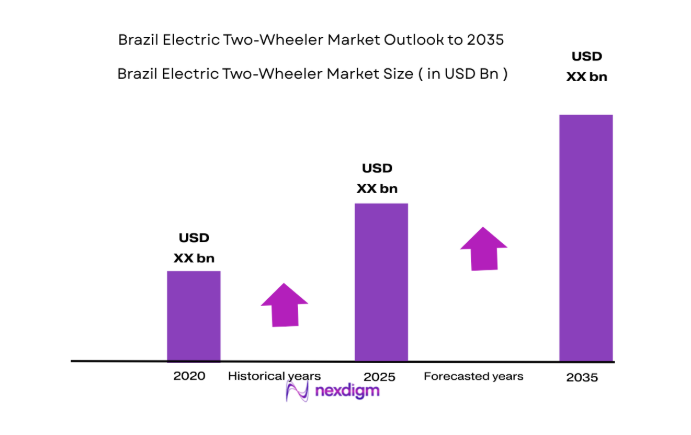
The Brazil Electric Two-Wheeler Market has experienced significant growth, driven by the increasing adoption of electric vehicles as part of a sustainable mobility transition. In recent historical assessments, the market is valued at approximately USD ~ million, with projections showing consistent growth across the next several years. Factors contributing to this expansion include government incentives, improvements in charging infrastructure, and the demand for eco-friendly transportation options. The market’s trajectory is also fueled by technological advancements in battery efficiency and design.
Key regions driving Brazil’s electric two-wheeler dominance are primarily large urban centers like São Paulo, Rio de Janeiro, and Brasília, where air quality concerns and traffic congestion drive the demand for sustainable mobility solutions. Government initiatives, such as tax incentives and subsidies, are particularly prevalent in these cities. Furthermore, infrastructure growth, particularly in urban charging stations and partnerships with shared mobility platforms, has solidified these areas as the epicenters of the market’s expansion.
Market Segmentation
By Product Type
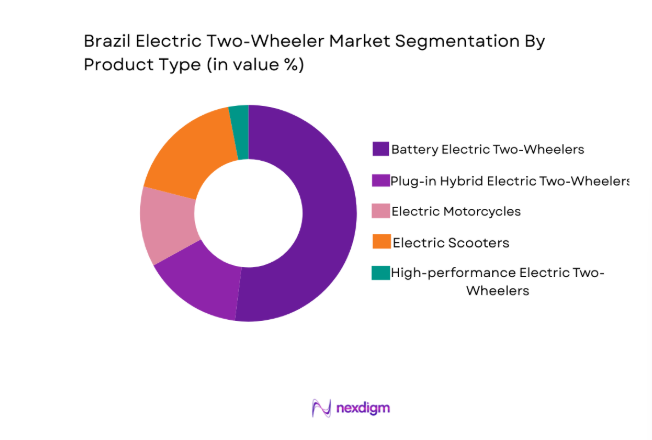
Brazil Electric Two-Wheeler market is segmented by product type into battery electric two-wheelers, plug-in hybrid electric two-wheelers, electric motorcycles, electric scooters, and high-performance electric two-wheelers. Recently, battery electric two-wheelers have dominated the market share, driven by consumer preferences for zero-emission transportation and technological advancements in battery capacity and charging infrastructure. The growing availability of public charging stations and government support further enhances the appeal of battery electric vehicles. This sub-segment benefits from continuous improvements in the range and affordability of electric two-wheelers, making them a preferred option for both individual consumers and fleet operators.
By Platform Type
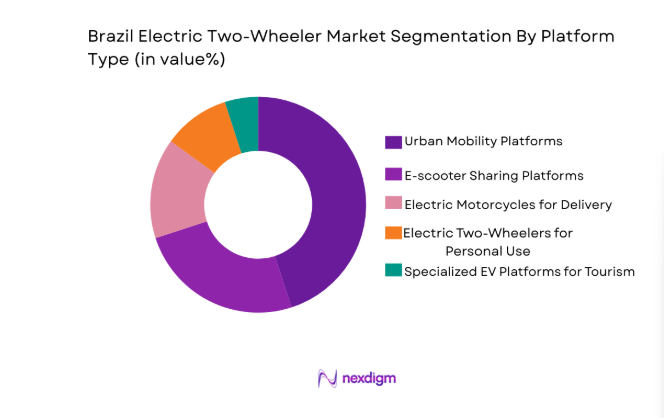
Brazil Electric Two-Wheeler market is segmented by platform type into urban mobility platforms, e-scooter sharing platforms, electric motorcycles for delivery services, electric two-wheelers for personal use, and specialized EV platforms for tourism. Urban mobility platforms, specifically in dense cities like São Paulo and Rio de Janeiro, have gained dominance. These platforms are increasingly integrated with public transport solutions, addressing both environmental concerns and convenience for daily commuters. Their dominance is also a result of government-backed incentives aimed at reducing urban congestion and pollution. The rapid adoption of shared mobility platforms and the availability of low-cost, eco-friendly options have further fueled this sub-segment’s growth.
Competitive Landscape
The competitive landscape of Brazil’s electric two-wheeler market is characterized by increasing consolidation, with both global and local players vying for dominance. Major international manufacturers have expanded their presence in Brazil through joint ventures, while local players have leveraged the country’s demand for eco-friendly vehicles. Key players in the market influence technological developments, particularly in battery technology and charging infrastructure, while local distributors help increase accessibility in various Brazilian cities.
| Company Name | Establishment Year | Headquarters | Technology Focus | Market Reach | Key Products | Revenue (USD) | Local Adaptation Focus |
| Honda Motor Co. | 1948 | Tokyo, Japan | ~ | ~ | ~ | ~ | ~ |
| Yamaha Motor Co. | 1953 | Iwata, Japan | ~ | ~ | ~ | ~ | ~ |
| NIU Technologies | 2014 | Beijing, China | ~ | ~ | ~ | ~ | ~ |
| Ather Energy | 2013 | Bangalore, India | ~ | ~ | ~ | ~ | ~ |
| Tork Motors | 2009 | Pune, India | ~ | ~ | ~ | ~ | ~ |
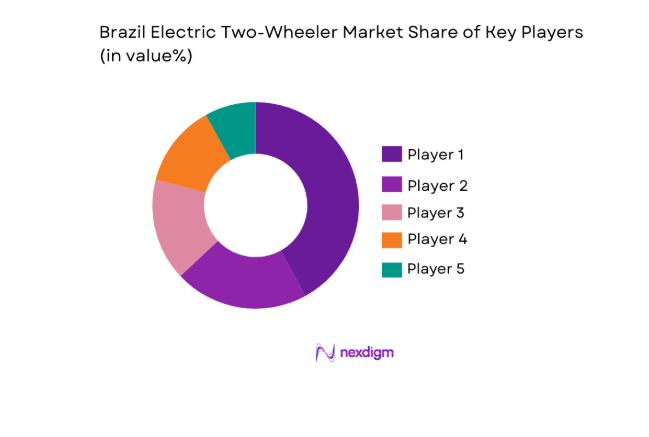
Brazil Electric Two-Wheeler Market Analysis
Growth Drivers
Government incentives for electric mobility adoption
Government policies and incentives have been a major driver in the rapid growth of Brazil’s electric two-wheeler market. The Brazilian government has implemented several initiatives aimed at reducing the high initial cost of electric vehicles. These policies include tax exemptions, purchase rebates, and financial assistance programs, which have significantly lowered the cost for consumers. As electric two-wheelers offer a cleaner alternative to traditional fuel-based vehicles, these incentives align with the government’s broader environmental goals. Additionally, local and federal governments have been ramping up investments in charging infrastructure to further ease the adoption of electric mobility solutions. These efforts have been complemented by the growth of public and private partnerships, creating a favorable ecosystem for electric two-wheelers. The increasing interest in sustainable mobility, combined with these regulatory advantages, is expected to drive continued growth in the market.
Technological advancements in battery technology
As the electric vehicle industry matures, advancements in battery technology are becoming crucial in driving the growth of the electric two-wheeler market in Brazil. Improvements in battery energy density and charging speed have made electric two-wheelers more practical for daily use. With the reduction in charging times and longer battery life, electric two-wheelers have become a more appealing option for consumers. Additionally, the development of swappable battery technology allows users to quickly replace depleted batteries, further enhancing convenience. These technological advancements not only improve the consumer experience but also help reduce the overall costs of ownership. As technology continues to evolve, electric two-wheelers are expected to become more efficient, accessible, and widely adopted, further accelerating market growth.
Market Challenges
High initial cost for consumers
One of the primary challenges facing the Brazilian electric two-wheeler market is the high upfront cost of electric vehicles. While the price of electric two-wheelers has been decreasing over time due to technological advancements and economies of scale, they remain significantly more expensive than traditional gasoline-powered two-wheelers. For many consumers, particularly in emerging markets, the high initial cost is a barrier to entry, despite the long-term savings on fuel and maintenance. In Brazil, where income disparities exist, this remains a challenge. Government incentives and subsidies can help alleviate the financial burden, but more work needs to be done to make electric two-wheelers affordable for a larger segment of the population. Lowering the purchase price while maintaining quality and performance will be key to encouraging mass adoption in Brazil.
Limited charging infrastructure and range anxiety
Another significant challenge for the Brazilian electric two-wheeler market is the insufficient charging infrastructure. Although the number of public charging stations has been growing in major cities, many regions, especially rural areas, still lack accessible charging points. Range anxiety, or the fear that an electric vehicle will run out of battery before reaching a charging station, is a common concern for potential buyers. For electric two-wheelers to gain widespread adoption, charging infrastructure must be expanded and made more accessible. Furthermore, battery range needs to be improved to alleviate these concerns and allow consumers to use electric two-wheelers for longer trips without the constant worry of recharging. Overcoming these challenges is crucial for ensuring the long-term success of electric two-wheelers in Brazil.
Opportunities
Expansion of government subsidies and charging infrastructure
The Brazilian government’s ongoing efforts to promote electric mobility present significant opportunities for the electric two-wheeler market. In particular, the expansion of subsidies and incentives for both manufacturers and consumers creates a favorable environment for market growth. These policies make electric two-wheelers more accessible and affordable, encouraging their adoption among consumers. In addition, government investments in public charging infrastructure will make it easier for consumers to charge their electric two-wheelers and reduce range anxiety. As charging networks grow, the convenience of using electric two-wheelers will increase, further driving demand. With continued support from the government, the market for electric two-wheelers in Brazil is expected to experience significant growth, providing opportunities for manufacturers and service providers to expand their operations.
Integration with shared mobility platforms
The rise of shared mobility platforms offers an exciting opportunity for electric two-wheelers in Brazil. Ride-hailing services such as Uber and local platforms are increasingly adopting electric vehicles to reduce emissions and improve their sustainability credentials. As shared mobility continues to grow in major cities, electric two-wheelers can play a crucial role in providing cost-effective, eco-friendly solutions for short-distance travel. Integrating electric two-wheelers into shared mobility fleets can help address urban congestion and offer affordable transportation options for users. Moreover, partnerships between electric two-wheeler manufacturers and ride-sharing platforms can increase the availability of electric two-wheelers and promote their adoption. As more cities and companies prioritize sustainability, the integration of electric two-wheelers into shared fleets is expected to become a major growth driver.
Future Outlook
The Brazil Electric Two-Wheeler Market is poised for significant growth in the coming years, driven by supportive government policies, technological advancements, and the expansion of infrastructure. Increased adoption of shared mobility platforms and rising awareness about environmental sustainability are expected to further fuel market growth. Technological innovations in battery management systems and the growing accessibility of charging stations will improve the overall consumer experience. With continued regulatory support, the market is likely to see a steady rise in electric two-wheeler adoption, providing opportunities for manufacturers, infrastructure developers, and service providers alike.
Major Players
- Honda Motor Co.
- Yamaha Motor Co.
- NIU Technologies
- Ather Energy
- Tork Motors
- Super Soco
- Piaggio Group
- TVS Motor Company
- Hero Electric
- Bajaj Auto
- Ultraviolette Automotive
- KTM AG
- Zero Motorcycles
- Razor USA
- BMW Motorrad
Key Target Audience
- Investments and venture capitalist firms
- Government and regulatory bodies
- Electric vehicle manufacturers
- Fleet operators and delivery companies
- Urban mobility service providers
Research Methodology
Step 1: Identification of Key Variables
The first step involves identifying the primary variables driving the electric two-wheeler market, such as technology trends, government policies, and consumer preferences.
Step 2: Market Analysis and Construction
Data is gathered from multiple sources, including industry reports, surveys, and market studies, to assess the market size, growth, and competitive landscape.
Step 3: Hypothesis Validation and Expert Consultation
Experts in the field of electric vehicles and market analysts provide insights to validate hypotheses and refine market projections.
Step 4: Research Synthesis and Final Output
All collected data and insights are synthesized to create a comprehensive market report, highlighting key trends, opportunities, challenges, and forecasts for the electric two-wheeler market.

- Executive Summary
- Research Methodology (Definitions, Scope, Industry Assumptions, Market Sizing Approach, Primary & Secondary Research Framework, Data Collection & Verification Protocol, Analytic Models & Forecast Methodology, Limitations & Research Validity Checks)

- Market Definition and Scope
- Value Chain & Stakeholder Ecosystem
- Regulatory / Certification Landscape
- Sector Dynamics Affecting Demand
- Strategic Initiatives & Infrastructure Growth

- Growth Drivers
Government incentives for electric mobility adoption
Rising demand for cost-effective transportation solutions
Advancements in battery technology
Growing environmental consciousness among consumers
Expansion of urban mobility solutions and shared economy - Market Challenges
High initial investment cost for consumers
Lack of infrastructure for charging and service
Limited range compared to traditional vehicles
Consumer skepticism towards EV performance
Regulatory barriers and inconsistencies - Market Opportunities
Expansion of government subsidies for electric two-wheelers
Integration with shared mobility platforms
Partnerships with delivery companies for electric fleets - Trends
Shift towards shared mobility for electric two-wheelers
Growing investments in charging infrastructure
Introduction of long-range battery solutions
Technological advancements in battery swapping
Increased integration of IoT in electric two-wheelers - Government Regulations & Defense Policy
Emission reduction regulations for urban areas
Incentives for electric two-wheeler manufacturing
Tax benefits for electric vehicle buyers - SWOT Analysis
- Stakeholder and Ecosystem Analysis
- Porter’s Five Forces Analysis
- Competition Intensity and Ecosystem Mapping

- By Market Value, 2020-2025
- By Installed Units, 2020-2025
- By Average System Price, 2020-2025
- By System Complexity Tier, 2020-2025

- By System Type (In Value%)
Battery Electric Two-Wheelers
Plug-in Hybrid Electric Two-Wheelers
Electric Motorcycles
Electric Scooters
High-performance Electric Two-Wheelers - By Platform Type (In Value%)
Urban Mobility Platforms
E-scooter Sharing Platforms
Electric Motorcycles for Delivery Services
Electric Two-Wheelers for Personal Use
Specialized EV Platforms for Tourism - By Fitment Type (In Value%)
On-road Electric Two-Wheelers
Off-road Electric Two-Wheelers
Integrated Charging Station Solutions
Portable Charging Solutions
Hybrid Electric Two-Wheelers - By End User Segment (In Value%)
Individual Consumers
Fleet Operators
E-commerce Delivery Providers
Government & Municipalities
Ride-sharing and Rental Platforms - By Procurement Channel (In Value%)
Direct Sales
Dealerships
Online Platforms
B2B Partnerships
Government & Tender Procurement

- Market structure and competitive positioning
Market share snapshot of major players - Cross Comparison Parameters (System Type, Platform Type, Procurement Channel, End User Segment, Fitment Type)
- SWOT Analysis of Key Competitors
- Pricing & Procurement Analysis
- Key Players
Honda Motor Co.
Yamaha Motor Co.
Zero Motorcycles
Super Soco
KTM AG
NIU Technologies
Ola Electric
Hero Electric
Bajaj Auto
Tork Motors
TVS Motor Company
Ather Energy
Piaggio Group
Vespa
Ultraviolette Automotive

- Rise in demand for electric two-wheelers in urban environments
- Government agencies pushing for electrification of public fleets
- Growing adoption among individual consumers in cities
- Fleet operators seeking cost-effective alternatives to fuel-based vehicles

- Forecast Market Value, 2026-2035
- Forecast Installed Units, 2026-2035
- Price Forecast by System Tier, 2026-2035
- Future Demand by Platform, 2026-2035


 Request a Sample
 Ask for Customization
 Get a Quote
 Enquire Now