
 Download PDF
Market Overview
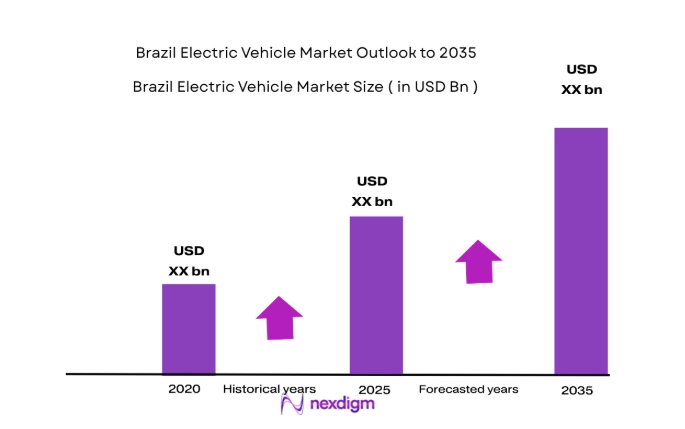
The Brazil Electric Vehicle Market is growing rapidly, with a substantial increase in adoption rates driven by favorable government policies and rising consumer awareness regarding environmental sustainability. The market is valued in billions ~ USD, backed by significant investment from both the private and public sectors, as well as increasing infrastructure development for charging stations and service centers. Consumer demand continues to rise as the cost of electric vehicles falls, aided by technological advancements and incentives such as tax exemptions and rebates from the Brazilian government.
Several Brazilian cities, especially São Paulo, Rio de Janeiro, and Brasília, are leading the market due to their larger urban populations, progressive transportation policies, and developed charging infrastructure. These cities serve as the primary adoption hubs for electric vehicles, as they are pivotal in meeting environmental targets and reducing carbon emissions. Other regions are seeing steady growth in adoption as charging networks expand and more sustainable transportation policies are introduced. These factors collectively contribute to Brazil’s strong market dominance in the electric vehicle segment.
Market Segmentation
By Platform Type
The Brazil Electric Vehicle market is segmented by platform type into land-based, water-based, and air-based platforms. Land-based platforms dominate the market, with electric cars and buses making up the largest portion of the market share. The development of electric public transport systems and the growth of private electric vehicle ownership are major contributors to this dominance. Water-based and air-based platforms are emerging but remain niche, with ongoing innovation in electric maritime and aerial vehicles still in the early stages of development.
By Platform Type
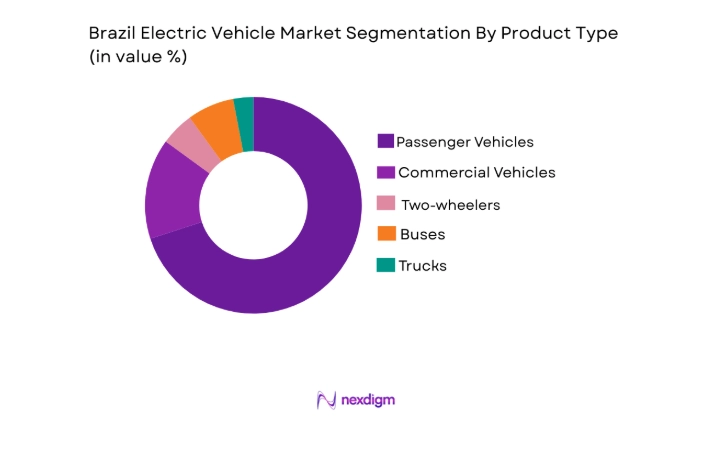
The Brazil Electric Vehicle market is segmented by platform type into land platforms, airborne platforms, naval platforms, integrated platforms, and hybrid platforms. Land platforms dominate the market due to the widespread adoption of electric cars and buses, which are the most popular EV types in Brazil. Airborne platforms are emerging as part of ongoing research into electric aviation for cargo and passenger transport. Naval platforms focus on electrifying maritime vessels, driven by environmental regulations. Integrated platforms combine multiple electric technologies across different sectors for greater flexibility. Hybrid platforms combine both electric and conventional power sources, catering to specific commercial and industrial needs.
Competitive Landscape
The competitive landscape of the Brazil Electric Vehicle Market is marked by the presence of global and local players investing in new technologies and expanding their product portfolios. Market consolidation is occurring as major automakers collaborate with local firms to improve infrastructure and meet regulatory requirements. The growing demand for electric vehicles is encouraging these players to ramp up their production capacity, leading to further competitive intensity.
| Company Name | Establishment Year | Headquarters | Technology Focus | Market Reach | Key Products | Revenue (USD) | R&D Investment |
| Volkswagen | 1937 | Germany | ~ | ~ | ~ | ~ | ~ |
| General Motors | 1908 | USA | ~ | ~ | ~ | ~ | ~ |
| BYD | 1995 | China | ~ | ~ | ~ | ~ | ~ |
| Nissan | 1933 | Japan | ~ | ~ | ~ | ~ | ~ |
| Renault | 1899 | France | ~ | ~ | ~ | ~ | ~ |
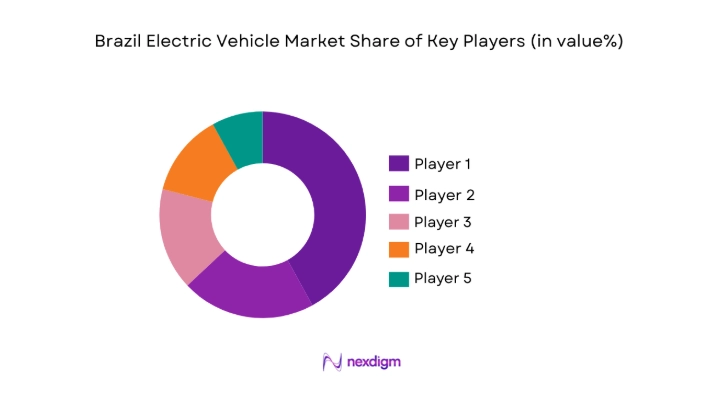
Brazil Electric Vehicle Market Analysis
Growth Drivers
Government Incentives
Government incentives are playing a crucial role in driving the electric vehicle market in Brazil. Through initiatives such as tax exemptions, rebates, and subsidies for consumers and manufacturers, the government has created an attractive environment for the adoption of electric vehicles. These financial incentives are particularly important in reducing the higher initial cost of EVs, making them more accessible to a larger population. Additionally, the government has set ambitious targets to reduce greenhouse gas emissions, which directly align with the global push toward sustainable transportation solutions. This regulatory push creates a favorable market for EVs, encouraging more people to consider EVs as a viable alternative to traditional vehicles. Furthermore, these incentives are not limited to individuals; businesses and fleet owners are also receiving support for the adoption of electric vehicles, boosting demand in both the consumer and commercial sectors. The growing popularity of electric vehicles is also supported by the establishment of EV-friendly policies, including easier access to public charging infrastructure. As these programs continue to evolve and expand, they are expected to remain a major driver for market growth.
Technological Advancements
Technological advancements in electric vehicle batteries and charging infrastructure have been pivotal in driving market growth in Brazil. As battery technology continues to improve, the range of electric vehicles has increased, addressing one of the primary consumer concerns: range anxiety. In addition to longer driving ranges, advancements in battery cost reduction have made electric vehicles more affordable, thus contributing to the market’s growth. Moreover, the development of faster charging technologies is reducing downtime and making EVs more convenient for users. New charging stations are being built at a rapid pace in major cities, creating a robust charging infrastructure network. These advancements are not only making electric vehicles more practical but also reducing the total cost of ownership for consumers, making EVs more competitive with traditional gasoline-powered vehicles. With each technological leap, electric vehicles become more appealing to both individual consumers and businesses looking to transition their fleets to electric. As a result, technological advancements are one of the leading drivers of the Brazilian electric vehicle market.
Market Challenges
Charging Infrastructure Limitations
Despite significant progress, charging infrastructure remains one of the key challenges facing the growth of the Brazil Electric Vehicle Market. The availability of charging stations in some regions, particularly in rural or remote areas, is still limited, creating barriers to the widespread adoption of electric vehicles. Although major cities such as São Paulo and Rio de Janeiro have seen a substantial increase in charging infrastructure, the lack of sufficient coverage in smaller towns and cities remains a concern. This lack of infrastructure creates challenges for consumers, particularly those living in areas without easy access to a charging station. Furthermore, public charging stations often face technical issues or long wait times, reducing the convenience of owning an electric vehicle. The expansion of the charging network is essential to meeting the growing demand for EVs and ensuring that they are a viable alternative for consumers across the country. Overcoming these infrastructure limitations is critical for accelerating EV adoption and meeting environmental goals.
High Initial Costs
The high upfront cost of electric vehicles continues to be a significant barrier to market growth in Brazil. While the total cost of ownership of an EV is often lower due to reduced fuel and maintenance costs, the initial purchase price remains higher compared to traditional gasoline-powered vehicles. Even with government incentives, the cost of EVs is still out of reach for a large portion of the population, especially in lower-income regions. This high initial cost is further exacerbated by the relatively small number of affordable models available in the market. Additionally, consumers are often hesitant to switch from traditional vehicles due to concerns over the availability of charging infrastructure, range anxiety, and unfamiliarity with the new technology. For Brazil’s electric vehicle market to achieve mass adoption, the industry must work to reduce costs and increase the availability of budget-friendly models. Reducing the price of EVs will be crucial in making them more accessible to a wider demographic, thereby stimulating demand and driving growth in the market.
Opportunities
Expansion of EV Charging Infrastructure
The expansion of electric vehicle charging infrastructure presents a significant opportunity for the Brazil Electric Vehicle Market. As the demand for electric vehicles continues to rise, the development of a comprehensive and accessible charging network becomes critical to the success of EV adoption. Investing in charging infrastructure, especially in underserved areas, will be key to encouraging consumers to make the switch from gasoline-powered vehicles. The Brazilian government and private companies are expected to continue investing in this area, leading to the installation of more charging stations in urban and rural locations. The expansion of fast-charging networks also presents an opportunity to address one of the key barriers to EV adoption: long charging times. By building more charging stations and improving charging speed, Brazil can create an EV ecosystem that is more convenient and user-friendly for consumers. This infrastructure growth will also benefit fleet owners, businesses, and municipalities, which are increasingly turning to electric vehicles to reduce their carbon footprint. As charging infrastructure improves, EV adoption is expected to accelerate, driving market growth.
Increased Investment in EV Manufacturing
Another major opportunity for the Brazil Electric Vehicle Market lies in the increased investment in local EV manufacturing. With the rising demand for electric vehicles, many automakers are shifting their focus toward developing EV production capabilities in Brazil. This shift is creating new jobs and economic opportunities in the country, boosting the local manufacturing sector. By increasing domestic production, automakers can reduce import costs and offer more affordable electric vehicles to Brazilian consumers. This localized production also allows for better adaptation to local market needs, such as designing vehicles with appropriate driving ranges and features for Brazilian roads. In addition, the establishment of local manufacturing plants will encourage greater competition among automakers, further driving down prices and improving vehicle quality. As Brazil becomes a hub for EV production, this investment will not only benefit the automotive industry but also help the country meet its environmental and economic goals.
Future Outlook
The future of Brazil’s electric vehicle market looks promising, with continued growth expected over the next five years. Technological advancements in battery performance, charging infrastructure, and manufacturing will play a key role in accelerating the adoption of electric vehicles. Government incentives are likely to remain a strong driving force, further encouraging consumers to make the switch to electric vehicles. Additionally, rising consumer awareness and environmental concerns will continue to fuel demand for cleaner transportation options. The market is expected to experience rapid expansion, particularly in urban centers, with increasing investment in EV infrastructure and the introduction of more affordable models.
Major Players
- Volkswagen
- General Motors
- BYD
- Nissan
- Renault
- BMW
- Ford
- Tesla
- Mercedes-Benz
- Hyundai
- Kia
- JAC Motors
- Volvo
- Audi
- Toyota
Key Target Audience
- Investments and venture capitalist firms
- Government and regulatory bodies
- Automotive manufacturers
- EV infrastructure providers
- Fleet owners
- Public transport companies
- Charging station operators
- Automotive component suppliers
Research Methodology
Step 1: Identification of Key Variables
Key variables influencing the electric vehicle market in Brazil are identified, such as government incentives, consumer preferences, infrastructure development, and technological advancements.
Step 2: Market Analysis and Construction
Data on the electric vehicle market is gathered from industry reports, government publications, and primary research. Market trends are analyzed to build a comprehensive market model.
Step 3: Hypothesis Validation and Expert Consultation
Expert consultations with industry professionals and stakeholders help validate hypotheses about market dynamics, including the effects of incentives and infrastructure developments.
Step 4: Research Synthesis and Final Output
The final market report is synthesized, incorporating all findings and ensuring the validity of the data. The report is finalized for presentation to clients.

- Executive Summary
- Research Methodology (Definitions, Scope, Industry Assumptions, Market Sizing Approach, Primary & Secondary Research Framework, Data Collection & Verification Protocol, Analytic Models & Forecast Methodology, Limitations & Research Validity Checks)

- Market Definition and Scope
- Value Chain & Stakeholder Ecosystem
- Regulatory / Certification Landscape
- Sector Dynamics Affecting Demand
- Strategic Initiatives & Infrastructure Growth

- Growth Drivers
Government Incentives and Subsidies
Expansion of Charging Infrastructure
Rising Environmental Concerns and Sustainability
Technological Advancements in Battery Technology
Increase in Consumer Awareness and Adoption - Market Challenges
High Initial Purchase Cost of EVs
Limited Charging Infrastructure in Rural Areas
Battery Recycling and Sustainability Issues
Regulatory and Policy Uncertainty
Limited Model Variety for Diverse Consumer Needs - Market Opportunities
Growth of EV Ecosystem (Battery, Charging, Services)
Partnerships with International EV Manufacturers
Government Initiatives to Boost EV Adoption
Integration of Renewable Energy in EV Charging
Expansion in the EV Fleet Market - Trends
Government Regulations Supporting Zero-Emission Vehicles
Rise of Autonomous Electric Vehicles
Shift Toward Sustainable and Green Transportation Solutions
Increased Use of Smart Charging Solutions
Advancements in Vehicle-to-Grid (V2G) Technology - Government Regulations & Defense Policy
Government EV Tax Incentives and Rebates
Implementation of Carbon Emission Standards
Regulations on Charging Infrastructure Development - SWOT Analysis
- Stakeholder and Ecosystem Analysis
- Porter’s Five Forces Analysis
- Competition Intensity and Ecosystem Mapping

- By Market Value, 2020-2025
- By Installed Units, 2020-2025
- By Average System Price, 2020-2025
- By System Complexity Tier, 2020-2025

- By System Type (In Value%)
Battery Electric Vehicles (BEV)
Plug-in Hybrid Electric Vehicles (PHEV)
Hybrid Electric Vehicles (HEV)
Electric Commercial Vehicles
Electric Two-Wheelers - By Platform Type (In Value%)
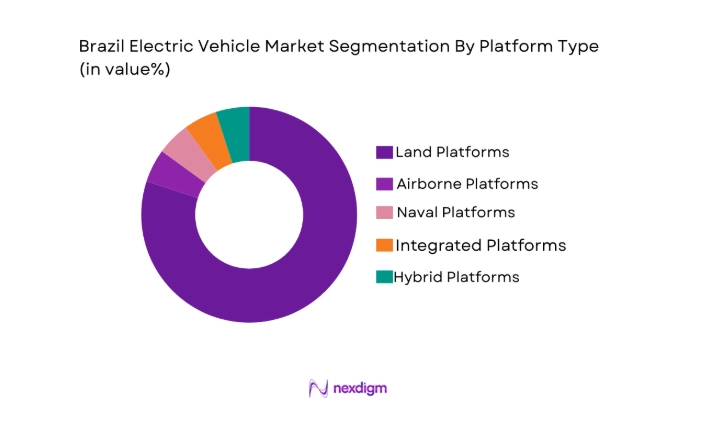
Passenger Vehicles
Commercial Vehicles
Electric Buses
Electric Motorcycles
Electric Trucks - By Fitment Type (In Value%)
OEM (Original Equipment Manufacturer) Fitment
Aftermarket Fitment
Retrofit Systems
Integrated Solutions
Battery Retrofit Solutions - By End User Segment (In Value%)
Individual Consumers
Fleet Operators
Government Agencies
Logistics & Delivery Companies
Public Transport Providers - By Procurement Channel (In Value%)
Direct Procurement
Authorized Dealers
Online Platforms
Government Tenders
Third-party Distributors - By Material / Technology (In Value%)
Lithium-Ion Batteries
Solid-State Batteries
Charging Infrastructure (Fast-Charging, Standard Charging)
Battery Management Systems (BMS)
Power Electronics & Motor Technologies

- Market structure and competitive positioning
Market share snapshot of major players - Cross Comparison Parameters (Price, Range, Charging Time, Model Variety, Market Reach, Battery Technology, Government Support, Charging Infrastructure, After-Sales Support)
- SWOT Analysis of Key Competitors
- Pricing & Procurement Analysis
- Key Players
BYD Brasil
Renault Brasil
Chevrolet Brasil
Volkswagen do Brasil
Nissan do Brasil
Ford Brasil
Fiat Chrysler Automobiles
BMW Group
Audi Brasil
Honda Motor Co., Ltd.
Tesla, Inc.
Toyota Motor Corporation
Mercedes-Benz do Brasil
Volvo Car Corporation
Great Wall Motors

- Government’s Role in EV Adoption
- Fleet Operators Increasing EV Investments
- Rise in Consumer Interest in EVs
- Electric Buses Gaining Traction in Public Transport

- Forecast Market Value, 2026-2035
- Forecast Installed Units, 2026-2035
- Price Forecast by System Tier, 2026-2035
- Future Demand by Platform, 2026-2035


 Request a Sample
 Ask for Customization
 Get a Quote
 Enquire Now