

 Download PDF
 Download PDF
Market Overview
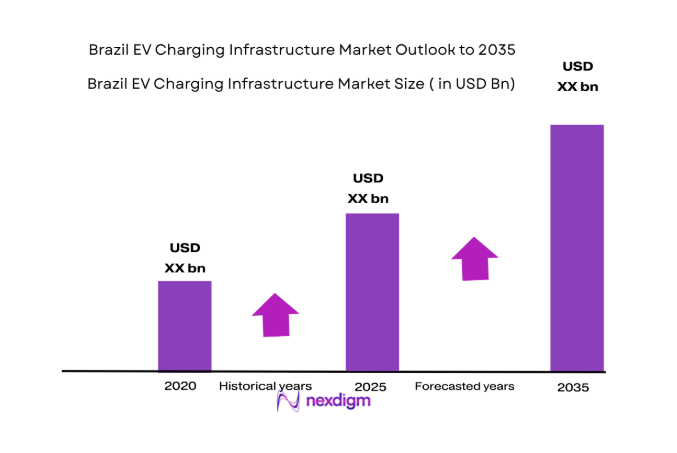
The Brazil EV Charging Infrastructure Market has shown significant growth, with market size valued at approximately USD ~ billion, driven by the increasing adoption of electric vehicles and supportive government policies. The demand for electric vehicles has surged in the country, largely due to financial incentives like tax rebates, grants, and subsidies that make electric vehicles more affordable. These initiatives are reducing the financial barriers to EV adoption, further accelerating the expansion of charging infrastructure. The Brazilian government’s commitment to reducing carbon emissions through sustainability programs has been a major catalyst for the increased installation of charging stations. Moreover, substantial investments from both the public and private sectors are helping to establish a nationwide charging network, improving accessibility and promoting the shift towards electric mobility. The market is also being influenced by technological advancements that make EV charging more efficient, such as faster charging solutions and innovative smart charging systems, which are vital to meeting the growing demand.
In terms of regional distribution, major cities like São Paulo, Rio de Janeiro, and Brasília dominate the market. These urban centers are benefiting from higher vehicle adoption rates, stronger policy support, and better infrastructure development compared to rural areas. The increased focus on sustainability and carbon reduction in these regions has made them ideal locations for EV charging station investments. Additionally, the Brazilian government’s commitment to improving infrastructure in underserved areas presents opportunities for future expansion in these regions. While urban areas continue to lead in EV adoption, the expansion of charging stations in less populated areas is critical for further market growth and ensuring nationwide coverage for electric vehicle owners.
By Product Type
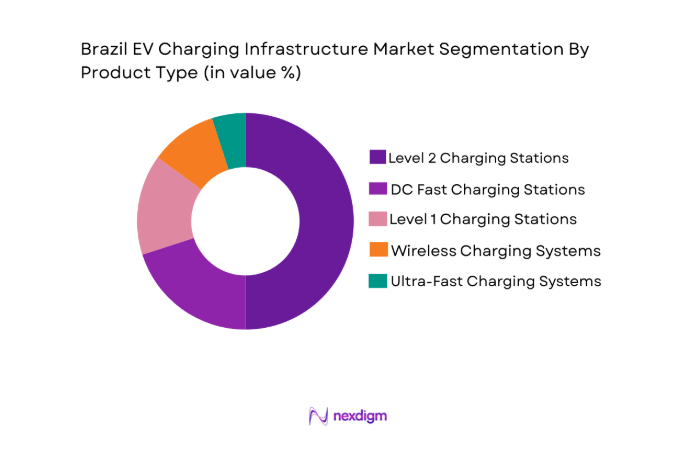
The Brazil EV Charging Infrastructure Market is segmented by product type into various sub-segments. The most dominant sub-segment in this market is the Level 2 charging stations, which has gained a significant market share due to their ability to provide faster charging compared to Level 1. This makes them ideal for urban areas and commercial spaces where quick turnaround times are crucial. The growing number of electric vehicle owners in Brazilian cities has led to the proliferation of Level 2 stations, as they are more efficient and cost-effective compared to other charging solutions. Additionally, these stations have been supported by government programs and private investments, making them a preferred choice for both businesses and individuals. This dominance is further supported by the increasing availability of affordable Level 2 chargers, making them accessible to a larger segment of the population.
By Platform Type
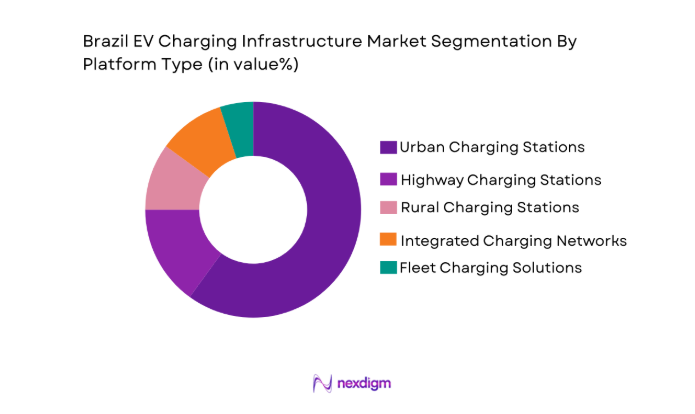
The Brazil EV Charging Infrastructure Market is also segmented by platform type into various sub-segments. The most dominant sub-segment in this category is the Urban Charging Platforms, which have gained the largest market share. This is primarily due to the high population density in Brazilian cities and the increasing number of electric vehicles on the roads. The demand for accessible and convenient charging locations has driven the adoption of urban charging platforms, particularly in busy commercial districts and residential areas. With the government’s commitment to promoting electric vehicles as part of its green initiatives, urban charging platforms are strategically placed to ensure ease of access for electric vehicle owners. This segment’s dominance is also driven by the development of smart grid technology and mobile applications that allow users to locate nearby charging stations, further enhancing the convenience for consumers.
Competitive Landscape
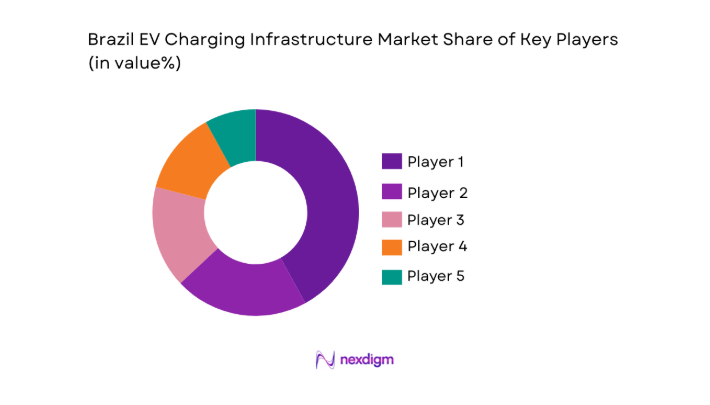
The Brazil EV Charging Infrastructure Market is characterized by strong competition from both established players and new entrants, all vying for a share of the growing market. The presence of government incentives and technological advancements has led to increased investments from major players, further intensifying market consolidation. These key players are focusing on expanding their network of charging stations, leveraging their global expertise in the EV industry to cater to the rising demand. As the market matures, the influence of these major players will be crucial in shaping the competitive dynamics, with the potential for collaborations with local businesses and government entities to ensure widespread infrastructure coverage.
| Company Name | Establishment Year | Headquarters | Technology Focus | Market Reach | Key Products | Revenue (USD) | Additional Parameter |
| ABB | 1889 | Switzerland | ~ | ~ | ~ | ~ | ~ |
| Schneider Electric | 1836 | France | ~ | ~ | ~ | ~ | ~ |
| Siemens | 1847 | Germany | ~ | ~ | ~ | ~ | ~ |
| Enel X | 2000 | Italy | ~ | ~ | ~ | ~ | ~ |
| BP Pulse | 1908 | United Kingdom | ~ | ~ | ~ | ~ | ~ |
Brazil EV Charging Infrastructure Market Analysis
Growth Drivers
Government Incentives
The growth of the Brazil EV Charging Infrastructure Market is primarily driven by the strong support from government incentives, which play a key role in accelerating the adoption of electric vehicles and their necessary infrastructure. Government programs, such as tax rebates, grants, and subsidies, are instrumental in reducing the financial barriers to adopting electric vehicles. These incentives have been particularly effective in stimulating consumer demand, which directly impacts the expansion of charging networks. Moreover, the Brazilian government’s commitment to reducing carbon emissions and advancing its sustainability goals has fostered the development of policies that encourage the installation of charging stations. With the aim of transitioning toward a greener economy, the government has also pledged to improve charging infrastructure across the country, ensuring that consumers can access reliable charging points in both urban and rural locations. This regulatory support not only creates an environment that encourages the growth of EV infrastructure but also attracts private investments from companies that aim to capitalize on the growing demand for electric vehicles. As more consumers shift towards electric mobility, the increase in government-backed initiatives will continue to be a key growth driver for the market. Additionally, Brazil’s growing awareness of environmental issues and its alignment with global climate goals is further solidifying the need for robust EV infrastructure to meet future mobility demands.
Technological Advancements
Another major growth driver for the Brazil EV Charging Infrastructure Market is technological advancements in the charging systems. Over the past few years, improvements in charging speed, energy efficiency, and connectivity have significantly enhanced the appeal of electric vehicles. Fast-charging solutions, particularly DC fast chargers, have made it possible for drivers to quickly recharge their EVs, reducing range anxiety and increasing the practicality of EVs for daily use. Technological innovations in wireless charging systems and ultra-fast charging are also beginning to emerge in Brazil, further pushing the market forward. As battery technologies improve, the need for more sophisticated charging solutions that can handle higher power capacities and offer faster charging times will continue to rise. Additionally, the integration of smart technologies such as mobile apps and cloud-based platforms for station management has streamlined the charging process, making it more user-friendly and efficient. These advancements not only improve the overall experience for electric vehicle owners but also provide opportunities for operators to better manage and monitor their charging networks. As technological developments continue to evolve, they will drive both the demand for new infrastructure and the improvement of existing charging stations, ensuring that Brazil’s charging network can keep up with the growing adoption of electric vehicles. This will also help meet the growing demand for sustainable energy solutions, aligning with Brazil’s green initiatives.
Market Challenges
Charging Infrastructure Accessibility
A significant challenge hindering the rapid expansion of Brazil’s EV charging infrastructure is the uneven distribution of charging stations across the country, particularly in rural areas. Despite the increasing installation of charging stations in urban centers, regions outside the major cities continue to face a shortage of charging infrastructure, leading to limited access for potential EV owners. This disparity in accessibility is compounded by the high cost of setting up charging stations in less densely populated areas, which discourages private investment and slows down the rollout of infrastructure in underserved regions. Rural areas, which typically have lower electric vehicle adoption rates, do not yet justify the high capital investment needed for infrastructure development. As a result, EV owners in these areas face challenges in charging their vehicles, which could potentially deter the adoption of electric vehicles across the country. Overcoming this challenge will require significant investment from both the government and private sector, along with innovative solutions to lower the cost of installing charging stations in remote regions. In addition, efforts to improve the interconnectivity between urban and rural charging networks will be essential in ensuring that EV owners have seamless access to charging points wherever they travel.
Technological Integration
While advancements in charging technology are a driving force for the growth of Brazil’s EV infrastructure, the integration of these technologies into existing systems remains a challenge. Many of the charging stations currently in operation are based on older technologies that do not support the latest charging speeds or energy management systems. As a result, upgrading existing infrastructure to accommodate faster charging solutions such as DC fast charging and ultra-fast charging can be expensive and time-consuming. Additionally, the integration of smart technologies that enable real-time monitoring and dynamic pricing models requires significant changes to the current infrastructure. These technological upgrades come with high upfront costs and can be a barrier for operators who are already facing financial constraints. Moreover, the lack of standardization in charging technologies across different manufacturers and models of electric vehicles presents another obstacle to seamless integration. The market must address these integration challenges by creating standardized solutions that allow for interoperability between different charging systems, ultimately making the transition to newer technologies smoother and more cost-effective. As the market matures, overcoming these integration challenges will be crucial to expanding and enhancing Brazil’s EV charging infrastructure.
Opportunities
Expansion of Charging Networks in Rural Areas
As the adoption of electric vehicles grows in Brazil, there is a significant opportunity to expand charging networks in rural areas. Currently, the lack of infrastructure outside major cities is a major barrier to EV adoption in less populated regions. By focusing on expanding charging stations in these areas, there is a chance to tap into a largely underserved market. This would not only make electric vehicles more accessible to rural residents but also support the government’s goals of promoting sustainable transportation across the country. As rural areas begin to see more charging stations, electric vehicles will become a more viable transportation option, contributing to the reduction of carbon emissions. Moreover, government incentives and partnerships with private operators could help reduce the financial barriers to building infrastructure in these regions. With increasing investments and strategic policy support, expanding charging networks in rural areas presents a lucrative opportunity for businesses and the government alike to foster a greener, more sustainable transportation network throughout Brazil.
Integration with Renewable Energy
Another opportunity lies in the integration of electric vehicle charging stations with renewable energy sources, such as solar and wind power. This approach could significantly reduce the carbon footprint of EVs, making them even more environmentally friendly. By powering charging stations with clean energy, Brazil can address both the growing demand for EV infrastructure and its renewable energy targets. This integration could also help reduce the strain on the country’s power grid by utilizing decentralized energy sources. For businesses, this offers the potential to improve their sustainability credentials and reduce energy costs in the long run. Additionally, the development of smart charging systems that optimize the use of renewable energy could further drive the efficiency of charging stations, benefiting both EV owners and operators. As Brazil looks to reduce its reliance on fossil fuels and meet its environmental targets, the integration of EV charging stations with renewable energy is a promising opportunity for businesses and the government to support the transition to a greener energy future. This opportunity could also attract new investment in the renewable energy sector, creating a win-win situation for both industries.
Future Outlook
The Brazil EV Charging Infrastructure Market is expected to experience robust growth in the next five years, driven by ongoing government incentives, advancements in charging technology, and increasing EV adoption. Regulatory support for electric vehicles, along with investments in charging infrastructure, will continue to shape market growth. Technological developments, such as ultra-fast charging solutions and the integration of renewable energy, will play a pivotal role in driving demand. The expansion of charging stations into rural areas will also open new growth avenues, creating a more sustainable and interconnected EV network across the country.
Major Players
- ABB
- Schneider Electric
- Siemens
- Enel X
- BP Pulse
- Tesla
- Efacec
- Delta Electronics
- EVBox
- ChargePoint
- Ionity
- Greenlots
- Blink Charging
- Fastned
- Wallbox
Key Target Audience
- Investments and venture capitalist firms
- Government and regulatory bodies
- Electric vehicle manufacturers
- Charging station operators
- Renewable energy companies
- Transportation and logistics companies
- Automakers and OEMs
- Fleet operators
Research Methodology
Step 1: Identification of Key Variables
The identification of key variables involves defining critical market drivers, including government regulations, consumer demand, and technological advancements.
Step 2: Market Analysis and Construction
Market analysis involves gathering data from various sources, including industry reports and government publications, to build a comprehensive view of the current state of the EV charging infrastructure market.
Step 3: Hypothesis Validation and Expert Consultation
Experts in the EV and energy sectors are consulted to validate initial hypotheses and ensure that market trends and growth projections are realistic and based on solid data.
Step 4: Research Synthesis and Final Output
The final output synthesizes all data, including market trends, growth drivers, challenges, and competitive landscape, to provide actionable insights and projections for future market performance.

- Executive Summary
- Research Methodology (Definitions, Scope, Industry Assumptions, Market Sizing Approach, Primary & Secondary Research Framework, Data Collection & Verification Protocol, Analytic Models & Forecast Methodology, Limitations & Research Validity Checks)

- Market Definition and Scope
- Value Chain & Stakeholder Ecosystem
- Regulatory / Certification Landscape
- Sector Dynamics Affecting Demand
- Strategic Initiatives & Infrastructure Growth

- Growth Drivers
Government incentives and subsidies for EV adoption
Expansion of EV fleets by commercial operators
Increased investments in charging infrastructure by the private sector
Rising consumer demand for eco-friendly vehicles
Technological advancements in charging station capabilities - Market Challenges
Limited availability of fast charging stations
High initial investment costs for infrastructure
Regulatory barriers in different Brazilian states
Lack of widespread consumer awareness about EVs
Geographical gaps in infrastructure coverage - Market Opportunities
Partnerships with tech companies for smart charging solutions
Expansion of highway charging networks
Development of charging infrastructure in under-served regions - Trends
Integration of renewable energy sources into EV charging stations
Growth of wireless charging technologies
Shift towards ultra-fast charging solutions
Increase in EV adoption in urban areas
Smart grid integration for EV charging management - Government Regulations & Defense Policy
National electric vehicle adoption targets
Incentives for EV infrastructure development
Regulations on energy efficiency for charging stations - SWOT Analysis
- Stakeholder and Ecosystem Analysis
- Porter’s Five Forces Analysis
- Competition Intensity and Ecosystem Mapping

- By Market Value, 2020-2025
- By Installed Units, 2 Infrastructure 020-2025
- By Average System Price, 2020-2025
- By System Complexity Tier, 2020-2025

- By System Type (In Value%)
Fast Chargers
Ultra-Fast Chargers
Level 2 Chargers
Public Charging Stations
Private Charging Stations - By Platform Type (In Value%)
Residential Platforms
Commercial Platforms
Public Infrastructure Platforms
Fleet Charging Platforms
Highway Charging Networks - By Fitment Type (In Value%)
Dedicated EV Chargers
Home Charging Solutions
Workplace Charging Solutions
Portable Chargers
Hybrid Charging Systems - By End User Segment (In Value%)
Private EV Owners
Fleet Operators
Public Transport Providers
Government and Municipalities
Commercial Charging Stations - By Procurement Channel (In Value%)
Direct Procurement
Online Bidding Platforms
Private Sector Procurement
Third-Party Distributors
Government Tenders - By Material / Technology (In Value%)
Lithium-Ion Battery Technology
DC Fast Charging Technology
Wireless Charging Technology
Grid-Integrated Charging Systems
Smart Charging Solutions

- Market structure and competitive positioning
Market share snapshot of major players - Cross Comparison Parameters (System Type, Platform Type, Procurement Channel, EndUser Segment, Fitment Type)
- SWOT Analysis of Key Competitors
- Pricing & Procurement Analysis
- Key Players
Siemens
ABB
Schneider Electric
Efacec
Iberdrola
BYD
Tronox
Groupe Renault
Enel X
Tesla
EVBox
Wallbox
Sungrow Power Supply
Legrand
Prysmian Group

- Private EV owners’ preference for home and workplace charging
- Fleet operators’ focus on reducing charging time and costs
- Public transport providers’ push for sustainable mobility
- Government adoption of electric vehicles and related infrastructure

- Forecast Market Value, 2026-2035
- Forecast Installed Units, 2026-2035
- Price Forecast by System Tier, 2026-2035
- Future Demand by Platform, 2026-2035


 Request a Sample
 Ask for Customization
 Get a Quote
 Enquire Now