
 Download PDF
Market Overview
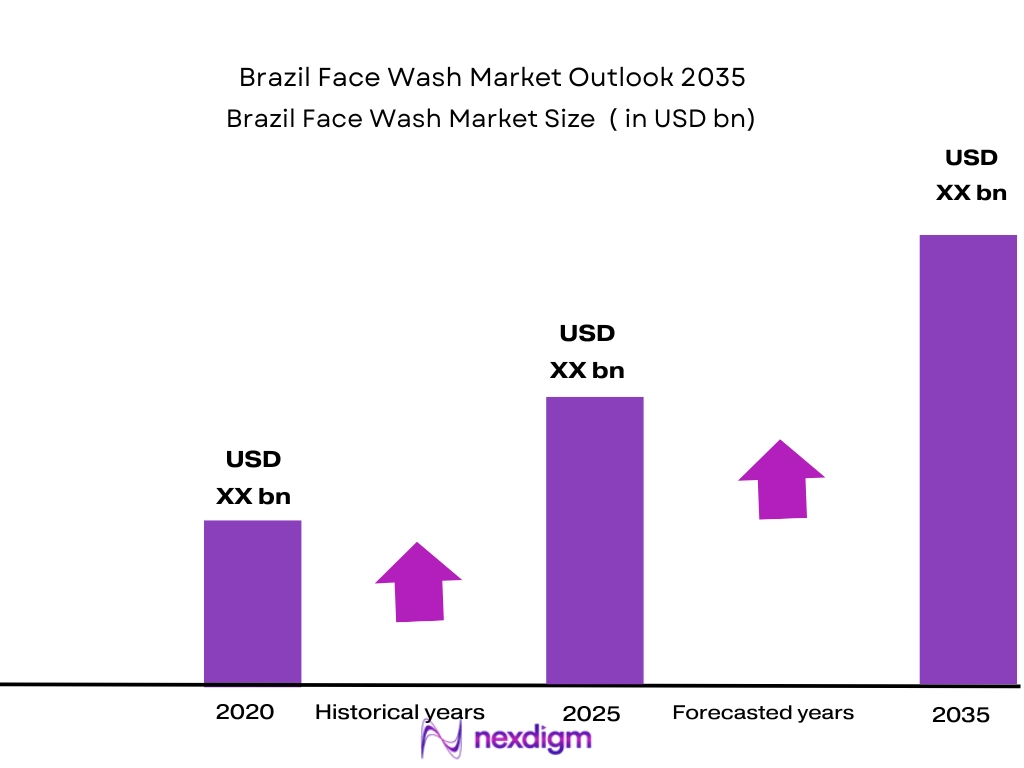
The Brazil face wash market is valued at USD ~ billion, reflecting steady growth from USD ~ billion in the previous year. This growth is primarily driven by rising consumer awareness regarding skincare and hygiene, increasing disposable income, and the adoption of multi-step skincare routines among urban populations. The demand for natural and organic formulations has further propelled market expansion, with consumers increasingly prioritizing products that offer gentle cleansing while maintaining skin health. Retail expansion and e-commerce platforms have also enhanced product accessibility, supporting overall market growth.
Major cities such as São Paulo, Rio de Janeiro, and Brasília dominate the Brazil face wash market due to their high urban population density, advanced retail infrastructure, and elevated consumer spending on personal care products. These cities host a concentration of premium and mass-market skincare brands, making them key centers for product launches and marketing campaigns. Furthermore, the presence of beauty and lifestyle influencers, dermatologists, and cosmetic clinics in these cities significantly influences purchasing behavior, contributing to the dominance of these urban hubs in shaping national market trends.
Market Segmentation
By Product Type
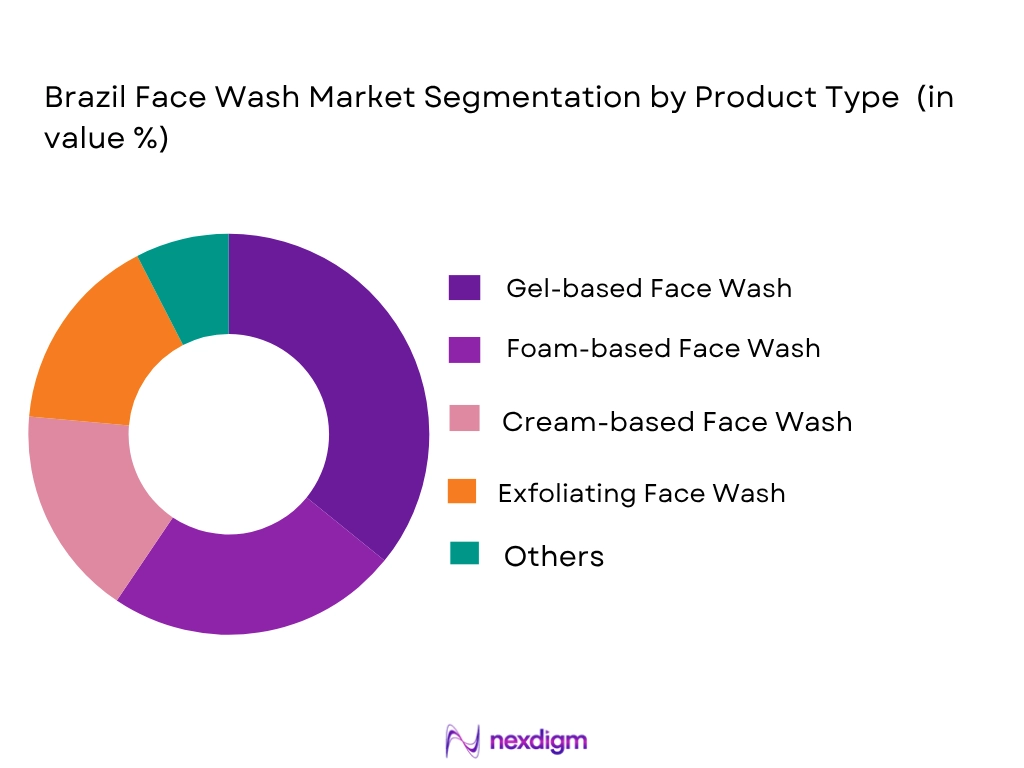
The Brazil face wash market is segmented into gel-based, foam-based, cream-based, and exfoliating face washes. Foam-based face washes have emerged as the dominant segment due to their perceived efficacy in deep cleansing and their suitability for oily and combination skin types. Consumers increasingly favor products that provide a refreshing experience while maintaining skin moisture, which has led to higher adoption of foam formulations. Leading brands have also launched innovative foam-based variants with natural extracts and skincare benefits, further strengthening the segment’s market position.
By Ingredients Type
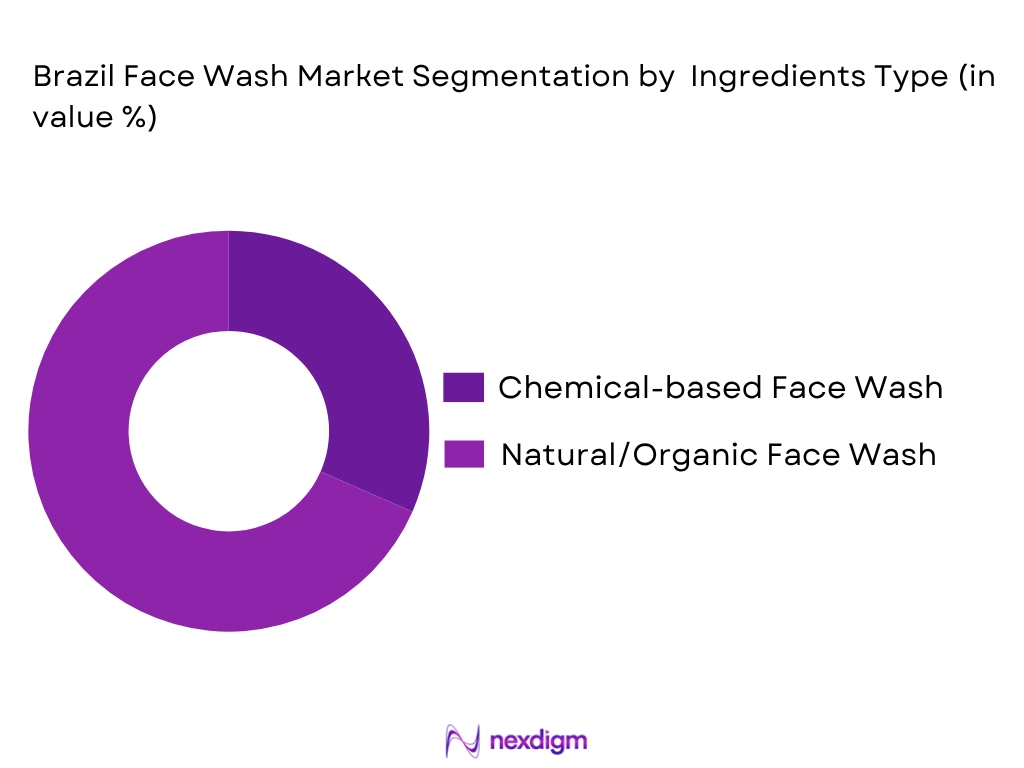
The market is also categorized into chemical-based and natural/organic face washes. Natural and organic face washes are leading the market, fueled by consumer preference for eco-friendly and skin-safe formulations. Rising concerns about chemical irritants and allergic reactions have driven this shift toward botanically derived ingredients. The growth of online beauty communities and social media awareness campaigns emphasizing organic skincare has further reinforced demand. This trend has encouraged both domestic and multinational brands to expand their organic product lines, solidifying this sub-segment’s market dominance.
Competitive Landscape
The Brazil face wash market is dominated by a mix of local and global companies, including Natura &Co, O Boticário, L’Oréal Brasil, and Unilever Brasil. These key players exert substantial influence due to their strong brand recognition, diversified product portfolios, and extensive distribution networks. Market consolidation is evident as these companies maintain competitive pricing, invest in marketing campaigns, and focus on product innovation to retain customer loyalty in a highly fragmented market.
| Company Name | Establishment Year | Headquarters | Product Portfolio | Distribution Network | Revenue 2024 (USD bn) | Key Ingredients | Marketing Reach | Production Capacity | R&D Investment (USD mn) |
| Natura &Co | 1969 | São Paulo | 150+ products | ~ | ~ | ~ | ~ | ~ | ~ |
| O Boticário | 1977 | Curitiba | 120+ products | ~ | ~ | ~ | ~ | ~ | ~ |
| L’Oréal Brasil | 1909 | São Paulo | 200+ products | ~ | ~ | ~ | ~ | ~ | ~ |
| Unilever Brasil | 1930 | São Paulo | 180+ products | ~ | ~ | ~ | ~ | ~ | ~ |
| Beiersdorf AG | 1882 | São Paulo | 100+ products | ~ | ~ | ~ | ~ | ~ | ~ |
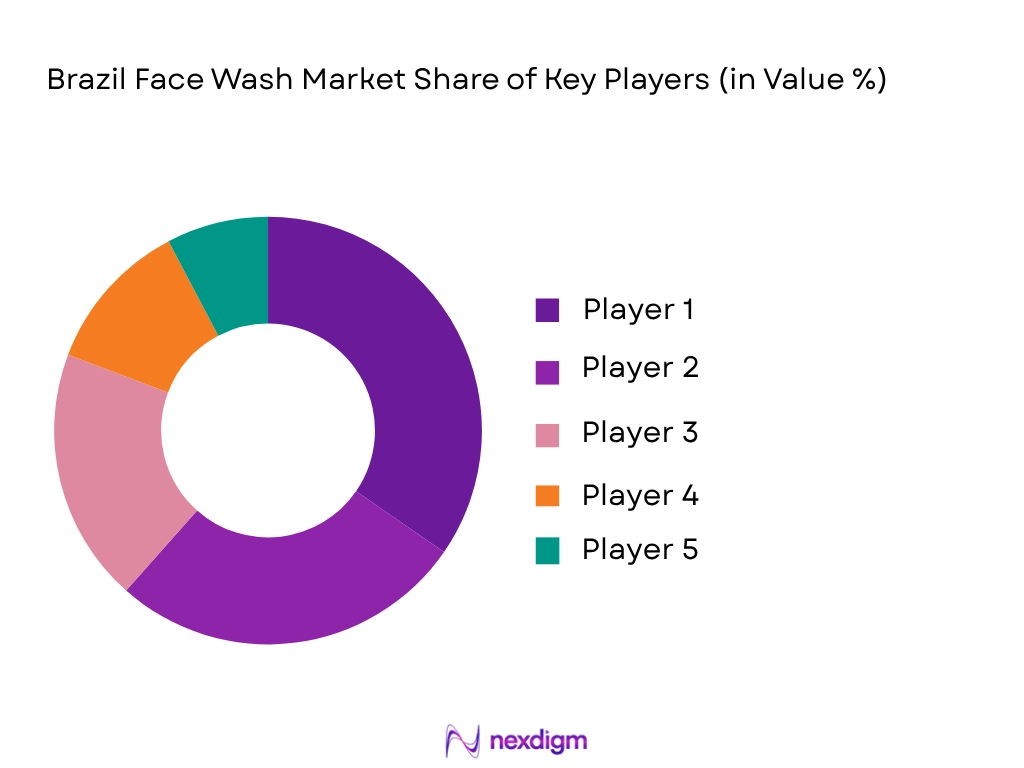
Brazil Face Wash Market Analysis
Growth Drivers
Increase in Skincare Awareness and Beauty Consciousness
In Brazil, rising awareness of skincare and beauty consciousness is a significant driver for the face wash market. Consumers are increasingly focused on maintaining healthy, clear skin, motivated by media campaigns, dermatological guidance, and influencer content. This awareness has led to higher adoption of facial cleansing products as part of daily routines, with particular interest in anti-acne, brightening, and anti-aging formulations. Urban populations and younger demographics are particularly responsive to trends emphasizing hygiene, self-care, and aesthetic appearance. As a result, brands are expanding their product lines, investing in marketing, and promoting educational content to reinforce the benefits of proper facial cleansing, ultimately driving market growth and consumer engagement.
Expansion of E-commerce and Online Retail Platforms
The expansion of e-commerce and online retail platforms in Brazil has accelerated access to a wide range of face wash products. Online marketplaces allow consumers to explore both domestic and international brands, compare features, read reviews, and make purchases conveniently. Retailers and brands are leveraging digital channels to provide promotions, subscription options, and personalized recommendations, enhancing engagement and brand loyalty. Additionally, online platforms facilitate market penetration in smaller cities and regions where physical stores are limited. Omnichannel strategies, combining digital and offline presence, further strengthen consumer reach and drive sales. This accessibility contributes to increased frequency of purchases and encourages adoption of premium or niche products in the Brazilian market.
Challenges
High Competition and Brand Saturation
The market is highly competitive, with numerous local and international brands such as Natura &Co, O Boticário, L’Oréal Brasil, and Unilever Brasil. This saturation increases pressure on companies to differentiate their products, invest heavily in marketing, and maintain consumer loyalty. Smaller or new entrants struggle to capture market share due to established brand dominance and extensive distribution networks. Intense competition also drives promotional campaigns and price wars, which can negatively impact profitability.
Regulatory Compliance and Product Safety Concerns
Brazilian regulations enforced by ANVISA require strict adherence to ingredient safety, labeling, and quality standards. Manufacturers must ensure their products do not cause skin irritation or allergic reactions, which can be challenging given the popularity of chemical and natural formulations. Additionally, fluctuations in raw material costs and consumer skepticism toward product efficacy pose risks to brand reputation and profitability
Opportunities
Rising Demand for Natural and Organic Face Washes
The Brazilian market shows a growing preference for natural and organic face wash products, fueled by increasing health awareness and environmental consciousness. Consumers are seeking products with botanical ingredients, cruelty-free testing, and sustainable sourcing. Natural formulations appeal to those with sensitive skin and minimize the risk of irritation, enhancing product trust and loyalty. This trend allows brands to differentiate themselves while commanding higher pricing. Eco-friendly packaging and certifications, such as organic or vegan labels, further strengthen consumer appeal. The demand for herbal and plant-based face washes creates opportunities for local and international manufacturers to innovate in this segment, targeting both premium and mass-market audiences, leading to sustained market expansion.
Innovation in Product Formulations and Textures
Innovation in face wash formulations and textures presents significant growth opportunities in Brazil. Brands are experimenting with multifunctional products that combine cleansing, exfoliating, moisturizing, or brightening effects. Advanced textures, including gels, foams, creams, and scrubs, enhance consumer experience and appeal to diverse skin types. Packaging innovations, such as travel-size bottles, pump dispensers, and eco-friendly materials, improve convenience and sustainability. Customizable formulations catering to specific skin concerns, like acne-prone or sensitive skin, are increasingly popular. By continuously introducing novel products, brands can attract new users, retain loyal customers, and stand out in a competitive market, positioning themselves for long-term growth in Brazil’s dynamic face wash industry.
Future Outlook
Over the next five years, the Brazil face wash market is expected to show robust growth, driven by increasing consumer awareness of skincare, rising demand for natural and multifunctional formulations, and rapid expansion of online and modern retail channels. The adoption of organic and eco-friendly products is anticipated to accelerate as sustainability becomes a critical factor in purchasing decisions. Additionally, growing male grooming trends and the introduction of innovative product lines with targeted benefits like anti-aging and acne control will contribute to market expansion.
Major Players
- Natura &Co
- O Boticário
- L’Oréal Brasil
- Unilever Brasil
- Beiersdorf AG
- Vichy Laboratories
- Avon Products, Inc.
- Mary Kay Inc.
- Johnson & Johnson Brasil
- Procter & Gamble (P&G)
- Shiseido Brazil
- Estée Lauder Companies
- Eucerin
- The Body Shop Brazil
- Nivea Brazil
Key Target Audience
- Beauty and Personal Care Brands
- Retail Chains and Supermarkets
- E-commerce Platforms
- Corporate Buyers and Bulk Distributors
- Investments and Venture Capitalist Firms
- Government and Regulatory Bodies
- Dermatology Clinics and Spas
- Skincare Product Importers and Wholesalers
Research Methodology
Step 1: Identification of Key Variables
The initial phase involves mapping all relevant stakeholders within the Brazil face wash market, including manufacturers, distributors, and consumers. Extensive desk research and proprietary databases are used to gather historical and current industry-level information, defining the critical variables that shape market dynamics.
Step 2: Market Analysis and Construction
Historical data on market penetration, sales, and consumer adoption patterns are compiled and analyzed. This phase examines distribution reach, retail presence, and revenue contribution from each segment, ensuring accurate estimation of market size and trends.
Step 3: Hypothesis Validation and Expert Consultation
Market hypotheses are developed and validated through structured interviews with industry professionals representing brands, dermatologists, and retail chains. Insights from these consultations provide operational and financial perspectives, refining the market analysis.
Step 4: Research Synthesis and Final Output
Direct engagement with leading companies and distributors helps verify data obtained through bottom-up and secondary research. This phase ensures comprehensive validation of market segmentation, growth trends, and competitive landscape for accuracy and reliability.

- Executive Summary
- Research Methodology (Market Definitions and Assumptions, Abbreviations, Market Sizing Approach, Consolidated Research Approach, Understanding Market Potential Through In-Depth Industry Interviews, Primary Research Approach, Limitations and Future Conclusions)

- Definition and Scope
- Market Dynamics Overview
- Market Genesis
- Major Players and Market Timeline
- Business Cycle and Trends
- Supply Chain and Value Chain Analysis

- Growth Drivers
Increase in Skincare Awareness and Beauty Consciousness
Rising Disposable Income and Urbanization
Growing Demand for Natural and Organic Skincare Products
Expansion of E-commerce and Online Retail Platforms
Rising Influence of Social Media and Beauty Influencers - Market Challenges
High Competition and Brand Saturation
Price Sensitivity Among Consumers
Regulatory Compliance and Ingredient Restrictions
Consumer Concerns About Skin Sensitivity and Product Safety - Opportunities
Rising Demand for Natural and Organic Face Washes
Innovation in Product Formulations and Textures
Expansion of Online Retail and Direct-to-Consumer Channels
Increasing Adoption Among Men and Teenagers
Rising Demand for Anti-aging and Acne Treatment Products - Key Trends
Shift Toward Natural and Organic Ingredients
Focus on Multipurpose Skincare Solutions
Rising Popularity of Travel-size and On-the-go Products
Emphasis on Sustainable and Environmentally Friendly Packaging
Expansion of Face Wash Product Lines by Leading Brands - Government Regulations
- SWOT Analysis
- Porter’s Five Forces

- By Value, 2020–2025
- By Volume, 2020–2025
- By Average Price, 2020–2025

- By Product Type (In Value %)
Gel-based Face Wash
Foam-based Face Wash
Cream-based Face Wash
Exfoliating Face Wash
Others - By Ingredients Type (In Value %)
Chemical-based Face Wash
Natural/Organic Face Wash - By Application (In Value %)
Men’s Skincare
Women’s Skincare
Teen Skincare
Dermatological/Medical Use - By Distribution Channel (In Value %)
Direct Sales
Retail Pharmacies
Online Channels
Supermarkets and Hypermarkets
Specialty Stores - By Region (In Value %)
North Region
Northeast Region
Central-West Region
Southeast Region
South Region
Rest of Brazil

- Market Share of Major Players by Value/Volume
- Market Share of Major Players by Product Type
- Cross Comparison Parameters (Company Overview, Business Strategies, Recent Developments, Strength, Weakness, Organizational Structure, Revenues, Revenues by Product Type, Number of Touchpoints, Distribution Channels, Number of Dealers and Distributors, Margins, Production Plant, Capacity, Unique Value Offering and Others)
- SWOT Analysis of Major Players
- Pricing Analysis Based on Product Categories for Major Players
- Detailed Profiles of Major Companies
Natura &Co
O Boticário
L’Oréal Brasil
Unilever Brasil
Beiersdorf AG
Vichy Laboratories
Avon Products, Inc.
Mary Kay Inc.
Johnson & Johnson Brasil
Procter & Gamble (P&G)
Shiseido Brazil
Estée Lauder Companies
Eucerin
The Body Shop Brazil

- Market Demand and Utilization
- Purchasing Power and Budget Allocations
- Regulatory and Compliance Requirements
- Needs, Desires, and Pain Point Analysis
- Decision-Making Process

- By Value, 2026–2035
- By Volume, 2026–2035
- By Average Price, 2026–2035


 Request a Sample
 Ask for Customization
 Get a Quote
 Enquire Now