
 Download PDF
Market Overview
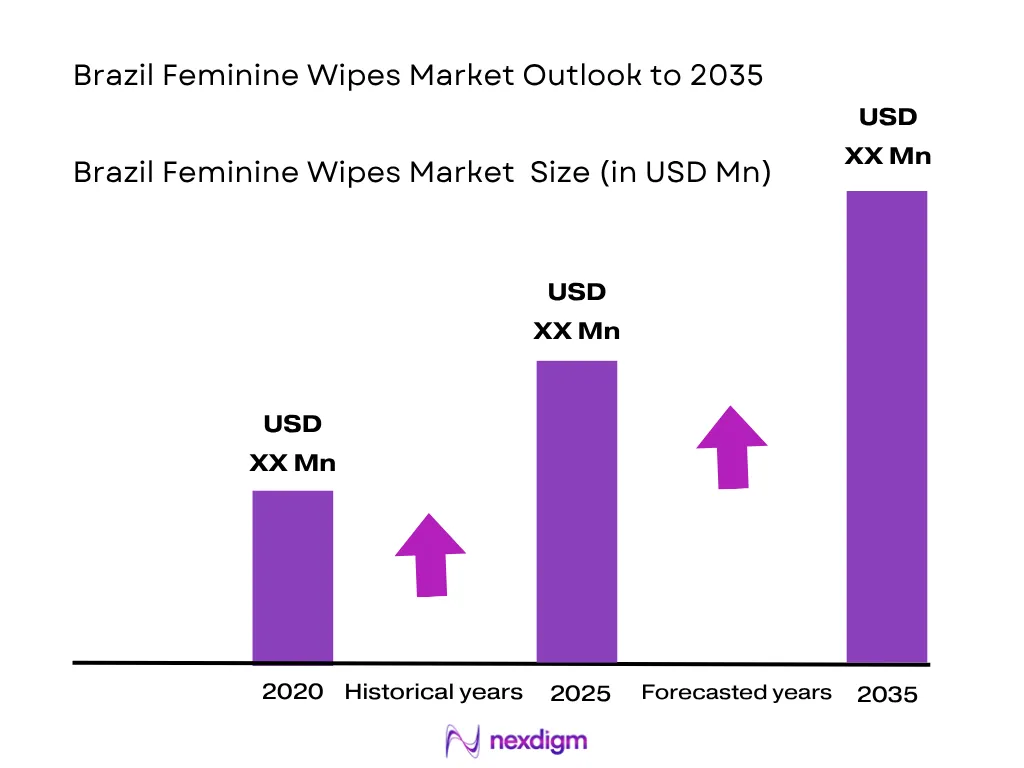
The Brazil Feminine Wipes market is valued at USD ~ million in 2025, reflective of continuing consumer adoption of intimate care products across retail and online channels. This size builds on steady growth from the prior year driven by expanding awareness of women’s hygiene and convenience‑led purchasing, particularly in urban areas where retail density is higher. Market expansion is supported by distribution through supermarkets, pharmacies, and a growing e‑commerce landscape that increases accessibility nationwide.
Within Brazil, Southeast and South urban centers dominate the feminine wipes market due to larger population bases, higher disposable incomes, and more mature retail infrastructures that facilitate both availability and frequent purchasing. Urban consumers in these regions also display greater health and hygiene awareness compared with rural areas, further reinforcing consumption. Retail networks in major cities such as São Paulo and Rio de Janeiro maintain extensive shelf presence and promotional activity for personal care categories.
Market Segmentation
By Distribution Channel
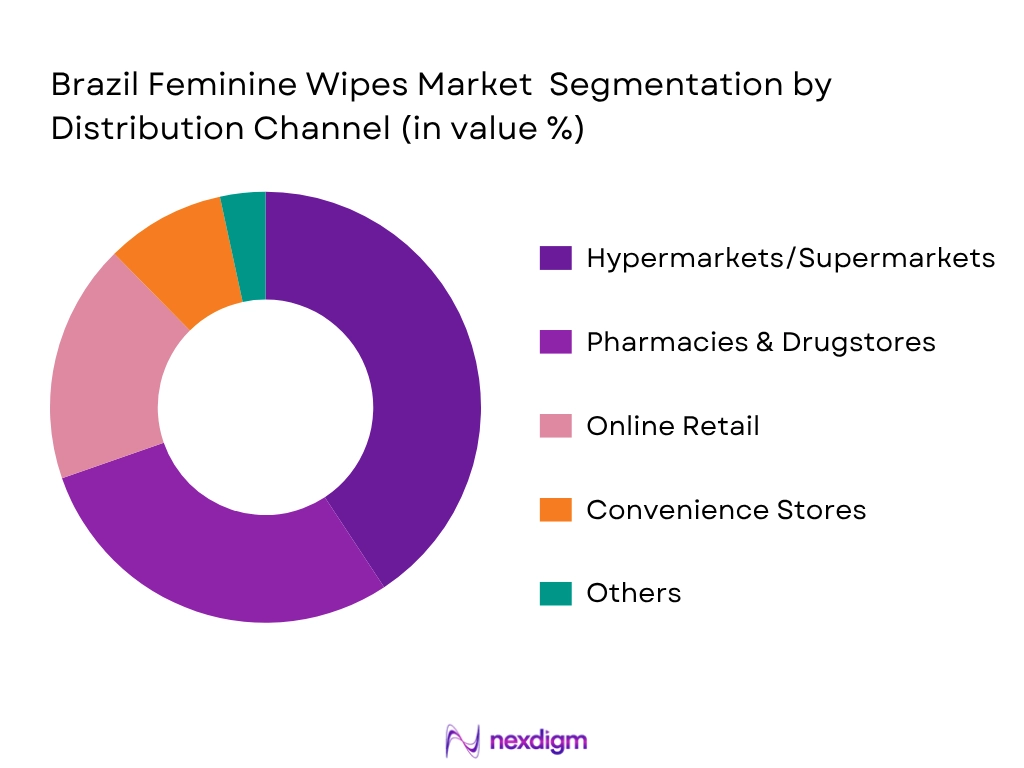
Within distribution channels, hypermarkets and supermarkets command the largest share in Brazil due to their broad product assortments and high footfall. These channels remain the preferred choice for daily essentials, and feminine wipes benefit from end‑cap placements, promotional discounts, and routine purchases during weekly shopping. Pharmacies are also significant because consumers often seek intimate care products in a trusted health‑oriented retail environment. Meanwhile, online retail is the fastest‑growing channel as digital adoption increases, providing competitive pricing and discreet purchasing experiences.
By Product Type
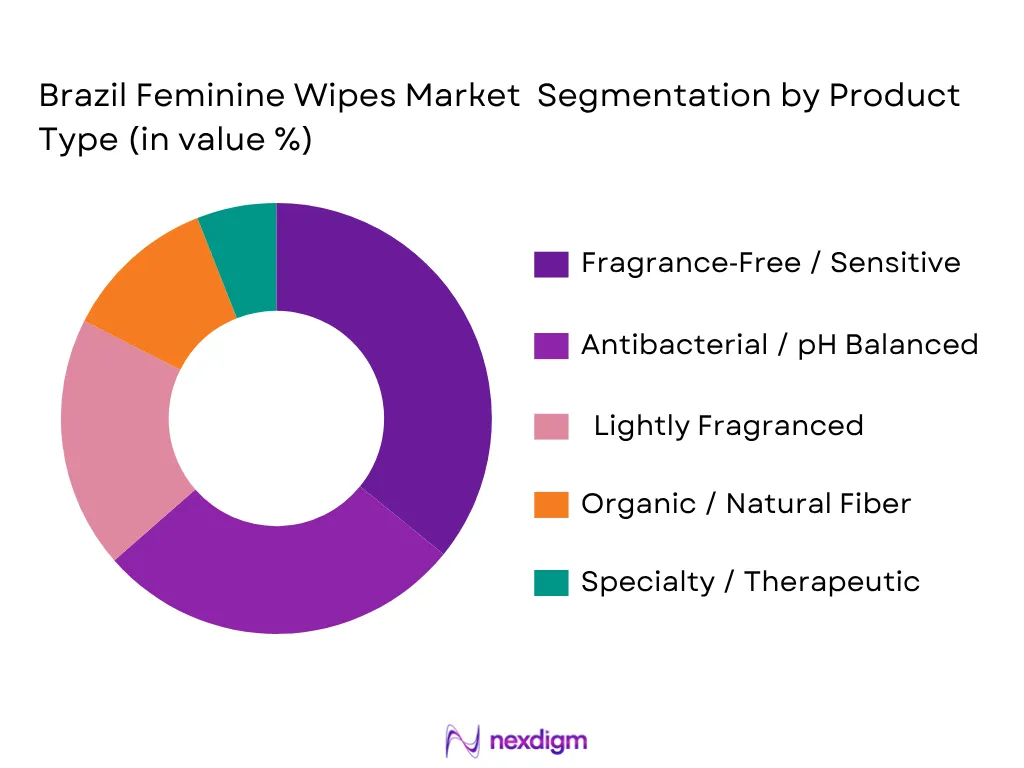
Within product formulations, fragrance‑free and sensitive variants dominate due to broad appeal among health‑conscious consumers and recommendation by pharmacists and personal care professionals for everyday use without irritation. Products with antibacterial properties and pH‑balanced formulations also hold meaningful share, driven by consumer preference for enhanced hygiene protection, especially in warmer climates where daily freshness is prioritized. Organic and natural fiber wipes are emerging with niche but growing appeal among environmentally aware customer segments, reflecting trend shifts toward sustainable and hypoallergenic options.
Competitive Landscape
The Brazil Feminine Wipes market is shaped by both global multinationals and strong international personal care brands. Competitive forces emphasize product differentiation, distribution reach, and innovation in hygiene and sustainability. The market shows moderate concentration with a mix of established players and private label competition, particularly in retail chains. Brand trust, quality certifications, and retail partnerships are key competitive determinants. The competitive landscape reflects a blend of long‑established global players with extensive distribution capabilities and strong brand equity competing alongside international manufacturers expanding local presence. Multinationals leverage broad personal care portfolios and large marketing investments to secure shelf space in retail chains, while emerging brands often differentiate through niche formulations or sustainability credentials.
| Company | Est. Year | Headquarters | Brand Portfolio Breadth | Distribution Coverage | Marketing Spend Scale | Product Innovation Index | Retail / Online Reach | Certification Credentials |
| Procter & Gamble | 1837 | USA | ~ | ~ | ~ | ~ | ~ | ~ |
| Johnson & Johnson | 1886 | USA | ~ | ~ | ~ | ~ | ~ | ~ |
| Edgewell Personal Care | 1996 | USA | ~ | ~ | ~ | ~ | ~ | ~ |
| Unicharm Corporation | 1961 | Japan | ~ | ~ | ~ | ~ | ~ | ~ |
| Albaad | 1960 | Israel | ~ | ~ | ~ | ~ | ~ | ~ |
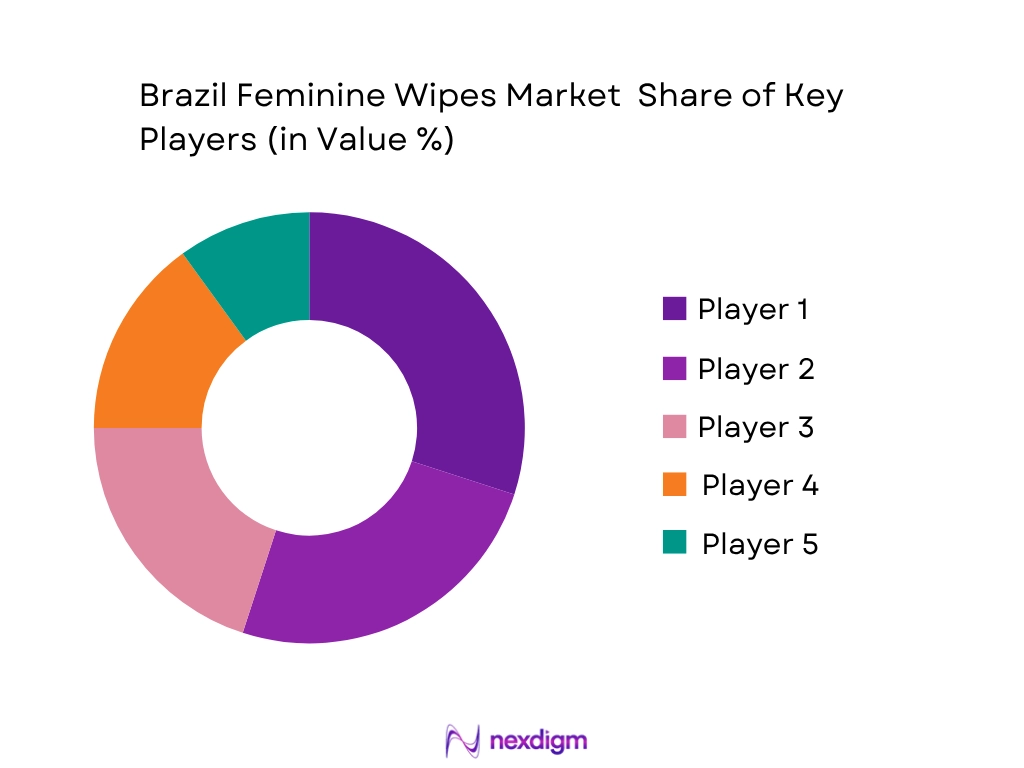
Brazil Feminine Wipes Market Analysis
Growth Drivers
Rising Health & Personal Hygiene Awareness
An important macroeconomic and social backdrop supporting demand for feminine wipes in Brazil is the increasing urbanization of its population. In 2024, 87.9% of Brazil’s 212 million people lived in urban areas, providing easier access to retail outlets and health‑oriented products in cities compared with rural regions . The Brazilian Institute of Geography and Statistics (IBGE) and World Bank data show that social indicators reflect improvements in living standards: 48.9 million Brazilians lived below the international poverty line of USD 6.85 per day in 2024, down from 57.6 million in 2023 . This reduction in poverty signifies incremental purchasing power for discretionary hygiene items among lower and middle‑income populations. Additionally, women constitute 50.8% of the total population, a demographic foundation for feminine care product demand . The relatively high female participation in the labor force 43.3% of total labor force in 2024 also evidences broader social empowerment and personal care prioritization among working women . These socio‑economic conditions contribute to heightened personal hygiene awareness and sustained product adoption.
Increasing Urban Female Working Population
Brazil’s demographic and labor dynamics offer a structural basis for growth in feminine hygiene product consumption. While women represent 50.8% of the population, a significant segment of this cohort is engaged in economic activity, with 43.34% of the labor force being female in 2024, illustrating ongoing integration into workplaces where hygiene and convenience products are commonly purchased and used . Urban concentration enhances retail accessibility; with nearly 88% of Brazilians residing in urban areas, consumers can more easily access supermarkets, pharmacies, drugstores, and convenience outlets that stock feminine wipe products . This urban working female base increasingly values convenience and portable hygiene solutions, anchoring widespread utilization of products like feminine wipes during commuting, at workplaces, and in daily routines. In parallel, the decline in poverty levels suggests improved real income availability, particularly as the number of people living below the poverty line decreased by 8.6 million between 2023 and 2024, further strengthening household budgets for non‑essential hygiene products . Urban female consumers also benefit from enhanced internet access, enabling greater e‑commerce penetration, which supports omnichannel purchase behavior for personal care items.
Market Restraints
Price Sensitivity in Lower‑Income Segments
Despite socio‑economic improvements, segments of Brazil’s population remain highly price sensitive, which constrains broader adoption of premium feminine care products like specialized wipes. In 2024, 48.9 million Brazilians lived below the international poverty threshold of USD 6.85 per day (approximately BRL 694 monthly) the lowest recorded level since the series began but this still represents a sizeable consumer base with limited discretionary spending capacity . Further, although poverty has declined, the distribution of income remains uneven, with workers in informal sectors disproportionately affected. The IBGE data reveal that poverty was significantly higher among workers without formal contracts at 20.4% and among self‑employed workers at 16.0% implying restricted consumer spending power for non‑necessity products among lower‑income employed segments . Both poverty metrics and urban accessibility contrasts indicate that consumer price sensitivity persists, especially outside high‑income urban centers. High price sensitivity limits willingness to purchase higher‑priced or premium feminine wipes, compelling manufacturers to balance product quality with accessible pricing strategies. Retailers must also account for this sensitivity, often emphasizing value‑led private label alternatives to appeal to cost‑conscious consumers who prioritize basic hygiene essentials but are constrained by modest incomes.
Supply Chain Imbalances (Logistics Costs)
Brazil’s retail and supply chain infrastructure influences distribution costs and product availability, acting as a restraint for widespread feminine wipes market expansion. The country’s vast geography spanning over 8.5 million km and significant disparities between urban and rural infrastructure mean logistics and distribution networks face challenges in efficiently servicing all regions . Although urban centers like São Paulo and Rio de Janeiro are well‑connected and experience robust retail penetration, distribution to remote or lesser‑urbanized regions involves higher costs for transportation and warehousing. These elevated logistical expenses are frequently passed on to consumers in the form of higher product prices, which can curb demand among price‑sensitive households. Additionally, Brazil’s internal distribution bottlenecks, including different road quality standards across states and varying degrees of integration into national logistics networks, contribute to inconsistencies in stock availability and pricing. This restricts consistent national market growth for personal care items such as feminine wipes and requires brands to allocate more resources toward strengthening localized logistics solutions and inventory management to ensure efficient product flow and competitive pricing.
Market Opportunities
Premiumization
Brazil’s consumer landscape shows growing potential for premium feminine hygiene products as rising disposable income and urban lifestyles shift preferencing toward higher‑quality options. In 2024 Brazil’s GDP per capita reached USD 9,564.58, the highest on record, reflecting broader economic development and enhanced average household income levels that can support discretionary spending on value‑added personal care items . Concurrently, reductions in poverty indicate more consumers with discretionary funds: the number of people living below the poverty line fell to 48.9 million in 2024, a drop of 8.6 million from 2023 . Urban consumers, especially in high‑income states, increasingly seek products that emphasize quality, natural ingredients, and enhanced comfort, creating an opportunity for premium feminine wipes positioned above basic hygiene formats. Brazil’s broad urban penetration, with nearly 88% of the population lives in urban areas, means such premium products have accessible retail touchpoints for potential adoption. Brands can capitalize on this by offering differentiated products with advanced features like pH balancing or premium biodegradable substrates tailored to hygiene‑conscious consumers. The combination of improved macroeconomic context and evolving consumer preferences creates a fertile environment for premium segment growth without relying on future growth projections.
Private Label Opportunities with Retailers
Developments in Brazil’s retail sector also present opportunity for private label feminine wipes products that provide affordable alternatives to branded offerings. As urbanization rises and organized retail formats like supermarkets and pharmacies expand penetration across the country supported by nearly 88% urbanization private labels can secure shelf space and appeal to price‑conscious and quality‑seeking consumers alike . Retailers in urban centers benefit from strong foot traffic and can leverage private label products to optimize margins while responding to consumer demand for cost‑efficient hygiene solutions. In lower‑income segments where a notable proportion of households still allocate limited budgets to essentials, private label purchases help bridge price sensitivity without sacrificing accessibility. The reduction in poverty with 48.9 million Brazilians below the poverty line in 2024 suggests latent consumer demand for cost‑competitive, everyday hygiene products that can be served effectively by retailer brands . Additionally, investment in supply chain optimization and private label development enables retailers to compete with established brands by ensuring consistent product quality and availability, thereby broadening market reach and enhancing consumer choice across regions.
Future Outlook
Over the coming decade, the Brazil Feminine Wipes market is expected to sustain steady growth, supported by increasing health and hygiene awareness, ongoing development of e‑commerce channels, and product innovations tailored to sensitive skin, eco‑friendly compositions, and on‑the‑go convenience. Broader access to online platforms combined with enhanced retail penetration in secondary cities will expand the addressable consumer base. Sustainability trends and regulatory focus on product safety and labeling may also shape product strategies and growth pathways.
Major Players
- Procter & Gamble
- Johnson & Johnson
- Edgewell Personal Care
- Unicharm Corporation
- Albaad
- Corman
- BodyWise
- Guy & O’Neill
- Kimberly‑Clark
- Laclede
- Private Label (Major Retail Chains)
- Local Niche Brands (Brazilian Hygiene Manufacturers)
- Eco‑friendly Product Startups
- Online‑First Hygiene Brands
- Regional Distributors & Contract Manufacturers
Key Target Audience
- Brand and Category Managers (Consumer Goods & Personal Care)
- Retail Chain Procurement Heads
- Investments and Venture Capitalist Firms
- Healthcare Product Distributors
- Retail E‑commerce Strategy Teams
- Government and Regulatory Bodies (ANVISA – Brazil Health Regulatory Authority)
- FMCG Sector Business Development Directors
- Strategic Planning & Portfolio Optimization Heads
Research Methodology
Step 1: Market Definitions and Variable Identification
Initial research involved defining the Brazil Feminine Wipes market boundaries, critical variables and stakeholder mapping. Secondary sources, industry databases, and public filings were analyzed to establish foundational data points.
Step 2: Data Collection and Market Synthesis
Historical revenue and volume data across key channels were consolidated from credible syndicated reports. Distribution channel metrics and product segmentation data were triangulated to refine market sizing.
Step 3: Expert Validation and Calibration
Preliminary findings were validated through interviews with industry experts, retail category managers, and procurement executives. These consultations informed adjustments to market drivers and competitive insights.
Step 4: Forecasting and Final Output
The report integrated historical trends and market drivers through statistical modelling to derive growth projections. Final outputs encapsulate validated data, trend analysis, and strategic market insights.

- Executive Summary
- Research Methodology (Market Definitions and Assumptions, Standardized Metric Definitions for Brazil Feminine Wipes Market, Data Sources Hierarchy, Market Sizing Approach — Value & Volume, Geographies Analyzed, Category Weighting Methodology, Primary vs Secondary Research Split, Data Validation Protocol, Forecasting Methodology, Limitations & Risk Factors)

- Market Definition and Scope
- Market Genesis and Evolution
- Regulatory Framework
- Product Value Chain
- Usage Patterns and Purchase Behavior
- Sociocultural Influencers
- Distribution Network Structure

- Growth Drivers (Rising Health & Personal Hygiene Awareness, Increasing Urban Female Working Population, Growth in E‑commerce Penetration, Rising Concern for Feminine Comfort & Discretion)
- Market Restraints (Price Sensitivity in Lower‑Income Segments, Supply Chain Imbalances (Logistics Costs), Import Dependency for Specialty Fibers)
- Opportunities (Premiumization (Natural & Organic Products), Private Label Opportunities with Retailers, Product Extensions (Sensitive Skin, pH Balanced), Sustainability & Eco‑friendly Material Adoption)
- Market Trends (Innovation in Fragrance & Formulas, Biodegradable & Plastic‑Free Wipes, Subscription E‑commerce Models)
- Regulatory & Compliance Overview (ANVISA Certification Requirements, Environmental Regulations on Disposable Hygiene Products)
- PESTEL Analysis (Brazil Specific)
- SWOT Analysis of Industry
- Porter’s Five Forces Analysis
- Consumer Buying Journey (Path to Purchase Mapping)

- Market Size by Value (Retail Sales Value, Wholesale Value)
- Market Size by Volume (Unit Shipments, Packs Sold)
- Average Price per Unit (SKU Level Price Trends)
- Price Elasticity and Consumer Price Sensitivity

- By Product Form (In Value %)
Fragrance‑Free
Lightly Fragranced
Hypoallergenic
Antibacterial
Natural/Organic Blade - By Consumer Age Group (In Value %)
Teens
Young Adults
Adults
Mature Consumers - By Distribution Channel (In Value % )
Hypermarkets/Supermarkets
Pharmacies/Drug Stores
Convenience Stores
E‑commerce/Online Retail
Modern Trade vs Traditional Trade - By Packaging Type (In Value %)
Single Packs
Multi‑packs
Sachets
Refill Packs - By Price Tier (In Value %)
Premium
Mid‑Tier
Value/Low‑Cost - By Raw Material Type (In Value %)
Cotton Based
Rayon/Viscose Based
Bamboo Fiber Based
Biodegradable Materials - By End User Usage Occasion (In Value %)
Daily Hygiene
Travel & On‑the‑go
Sports/Active Lifestyle
Medical/Clinical Use - By Region (In Value %)
Southeast
Northeast
South
Central‑West
North

- Market Share of Major Players (Value share, volume share, pack share, retail shelf share, pharmacy channel share, grocery channel share, online marketplace share)
- Cross Comparison Parameters (Company Overview, Product Portfolio Breadth (SKU Count), Distribution Footprint (Offline + Online Penetration), Consumer Awareness & Brand Recall Index, Marketing Spend & Channel Effectiveness, Retail Price Positioning, Quality & Certification Credentials, Innovation Score)
- SWOT Analysis of Major Players (Brand equity, retailer coverage, formulation credibility, price competitiveness, sustainability risk, digital visibility, portfolio depth, private-label exposure)
- SKU Benchmarking of Major Players (Pack size, ingredient architecture, substrate claim, fragrance profile, product format, claims hierarchy, disposal instruction, unit economics)
- Pricing Analysis Basis SKUs for Major Players (Entry price, average selling price, price per wipe, promotional depth, multipack price, online marketplace variance, retailer loyalty price, premium uplift)
- Detailed Profile of Major Companies
Procter & Gamble
Kimberly‑Clark
Johnson & Johnson
Unilever
Essity (SCA)
Coty Inc.
Softys
Natura &Co
Hypera Pharma
Grupo Boticário
Libbs Farmacêutica
Santa Helena Indústria
DuPont de Nemours
Marca Nacional Hygiene Brand Consortium
Regional Private Labels

- Buyer Cohort Profiling (age, gender, income level, lifestyle orientation, hygiene-consciousness, urban vs suburban residence)
- Purchase Drivers and Barriers (brand reputation, price sensitivity, product formulation, availability, sustainability perception, environmental concerns)
- Shopper Journey and Decision Funnel (awareness channels, social media influence, trial triggers, reviews & ratings, repurchase motivators)
- Channel Behavior Analysis (discovery channels, purchase channels online/offline, replenishment frequency, basket mission, cross-category bundling)
- E-Commerce, DTC, and Social Commerce Analysis (traffic source, customer acquisition cost, conversion rate, subscription/rental service mix, repeat purchase rate, AR/VR engagement)
- Basket Composition and Repurchase Economics (cross-sell & upsell rates, attach rate per category, replenishment cycles, bundle adoption, seasonal SKU preference)
- Retailer and Influencer/Stylist Influence
(shelf curation, influencer endorsements, stylist recommendation, personal shopper input, promotional events)

- By Value (2026-2035)
- By Volume(2026-2035)
- By Distribution Channel (2026-2035)
- By Regions (2026-2035)
- By Price Trend Forecast (2026-2035)


 Request a Sample
 Ask for Customization
 Get a Quote
 Enquire Now