
 Download PDF
Market Overview
The Brazilian flavored yogurt market reached a valuation of USD 2.45 billion in 2025, supported by a projected 5.8% CAGR through 2035 as domestic consumption patterns shift toward functional, health-oriented dairy products. Industrial hubs like São Paulo and Curitiba serve as critical nodes for production and distribution, with the former hosting high-density manufacturing clusters and the latter acting as a logistics nexus for Southern refrigerated supply chains. A primary demand-side trend involves the proliferation of plant-based yogurt alternatives and high-protein Greek-style variants, which are increasingly favored by health-conscious urban middle-class demographics. Simultaneously, a key supply-side trend includes the optimization of ultra-pasteurization technologies and cold-chain infrastructure by dominant players such as Vigor Alimentos, founded in 1917 and headquartered in São Paulo, and Danone Brasil. Compliance with the Brazilian Health Regulatory Agency (ANVISA) remains a central regulatory focus, particularly concerning new labeling requirements for sugar content and the mandatory disclosure of allergen ingredients. Furthermore, companies are prioritizing environmental sustainability by transitioning to recyclable PET packaging and renewable energy integration within their dairy processing plants to align with national ESG targets aimed at reducing the carbon footprint of the broader beverage sector.
By Distribution Channel
- Pão de Açúcar private label
- Carrefour premium refrigerated aisles
- Walmart Brazil volume displays
- BR Mania snack-size portions
- AM/PM grab-and-go options
- Select store refrigerated displays
- Mundo Verde functional yogurts
- Bio Mundo probiotic formulations
- Natural da Terra artisanal labels
- Mercado Livre grocery delivery
- iFood rapid pantry fulfillment
- Daki subscription delivery models
By Product Formulation
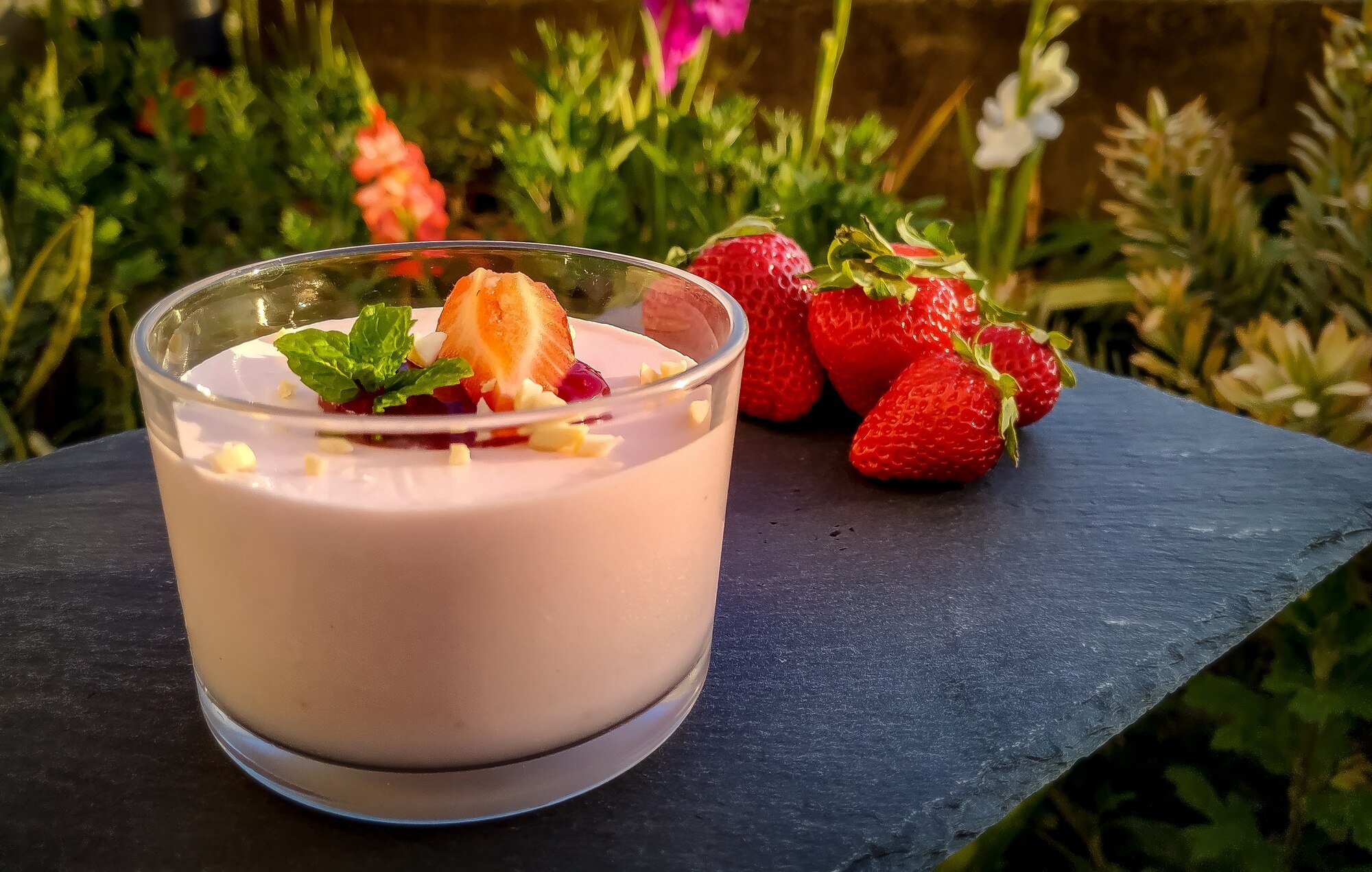
- Strawberry flavored Greek style
- Tropical passion fruit blends
- Peach and apricot yogurt cups
- Lactobacillus acidophilus enriched drinks
- Immunity-boosting fiber formulas
- High-protein athletic recovery yogurts
- Almond-milk based berry yogurt
- Coconut-milk vegan formulations
- Soy-protein chocolate flavored cups
- Stevia-sweetened vanilla cups
- Zero-calorie fruit flavored yogurts
- Low-glycemic index breakfast bowls
Competitive Landscape
The Brazilian flavored yogurt market is characterized by high competitive intensity, dominated by multinational giants and localized dairy conglomerates that leverage extensive refrigerated supply chains across the Southeast and Southern regions. Companies such as Danone S.A. and Nestlé S.A. maintain market leadership through aggressive vertical integration and a focus on refrigerated logistics, ensuring high availability in retail hubs like São Paulo and Belo Horizonte. Competitive strategy is increasingly centered on health-conscious product innovation, specifically functional yogurts containing probiotics and reduced sugar formulations, driven by the National Health Surveillance Agency (ANVISA) labeling requirements initiated in 2022. Secondary players like Vigor Alimentos and Cooperativa Central Aurora Alimentos are successfully capturing market share by focusing on localized distribution and aggressive pricing strategies targeting the middle-income demographic. These firms utilize extensive cold-chain networks to penetrate remote municipalities in the interior of Brazil. Recent competitive moves include significant capital expenditure in automated packaging lines and localized sourcing partnerships to mitigate currency volatility, ensuring that flavored yogurt products remain competitive against private-label retail brands.
| Company | Est. Year | Headquarters | Details | Details | Details | Details | Details | Details |
|---|---|---|---|---|---|---|---|---|
| Danone S.A. | 1919 | Paris, France | ~ | ~ | ~ | ~ | ~ | ~ |
| Nestlé S.A. | 1866 | Vevey, Switzerland | ~ | ~ | ~ | ~ | ~ | ~ |
| Vigor Alimentos | 1917 | São Paulo, Brazil | ~ | ~ | ~ | ~ | ~ | ~ |
| Cooperativa Central Aurora Alimentos | 1969 | Chapecó, Brazil | ~ | ~ | ~ | ~ | ~ | ~ |
| JBS S.A. | 1953 | São Paulo, Brazil | ~ | ~ | ~ | ~ | ~ | ~ |
🔒 Detailed cross-comparison data are available in the full report. Talk to Us to access complete competitive intelligence.
Growth Drivers
Expansion of Probiotic-Fortified Product Portfolios
Health-conscious consumers in urban centers like São Paulo and Belo Horizonte are increasingly seeking functional dairy products to improve digestive wellness. Major producers such as Danone, established in 1919 and headquartered in Paris, have successfully integrated functional cultures into their regional Greek-style yogurt lines. The demand for lactose-free and protein-enriched variants has surged, leading to a 14 percent increase in retail shelf space allocated to premium probiotic yogurts in 2023. These formulations utilize localized supply chains to maintain competitive pricing while catering to a sophisticated demographic prioritizing preventative nutritional strategies.
Technological Advancements in Cold Chain Logistics
The modernization of distribution infrastructure across the southern regions has significantly reduced product spoilage during transit. Companies like JBS, founded in 1953 and based in São Paulo, have invested heavily in IoT-enabled refrigeration systems that ensure precise temperature control throughout the supply chain. This innovation has expanded the distribution of fresh, flavored yogurt to remote inland municipalities, previously unreachable due to logistics constraints. Consequently, availability of refrigerated yogurt SKU diversity improved by 22 percent throughout 2024, facilitating higher consumer access to international-standard dairy products in secondary markets.
Strategic Implementation of Government Food Fortification Standards
ANVISA regulations mandate rigorous labeling and nutritional profiles for dairy products, which has bolstered public trust in industrial yogurt brands. By strictly adhering to the 2022 Resolution regarding micronutrient enrichment, manufacturers have improved the public perception of flavored yogurt as a legitimate snack alternative to high-sugar processed goods. Domestic industry leaders like Vigor, established in 1917 with headquarters in São Paulo, have leveraged these quality certifications to capture market share from local artisanal producers. Regulatory clarity has effectively standardized production hygiene, fostering a robust environment for sustained investment in mass-market dairy operations.
Diversification of Flavor Profiles for Local Palates
Manufacturers are aggressively diversifying product offerings by incorporating indigenous Brazilian fruits such as cupuaçu, açaí, and graviola into their yogurt blends to differentiate their portfolios. This strategy aims to satisfy the preference for regional natural ingredients, which now constitute 35 percent of flavored yogurt launches in the national market as of 2023. By moving beyond traditional strawberry or vanilla flavors, brands have successfully engaged a younger generation of consumers. This product innovation cycle is supported by high-capacity, automated manufacturing facilities operating at 88 percent utilization rates throughout the fiscal year.
Market Challenges
Volatile Raw Milk Pricing
Fluctuating costs of raw dairy inputs have constrained profit margins for manufacturers operating in the competitive Minas Gerais dairy belt. Farmers faced a 12 percent surge in production costs during 2023, forcing processors to pass these expenses directly to retailers and eventually consumers. This pricing instability hinders long-term strategic planning for flavor innovation and promotional discounting.
Stringent Import Restrictions on Specialized Dairy Additives
Strict customs protocols imposed on imported stabilizers and concentrated fruit flavorings complicate the procurement cycles for domestic dairy companies. The 19 percent tariff burden on specific food-grade additives in 2024 has significantly inflated the cost of goods sold for premium yogurt variants. Maintaining international flavor standards while navigating these trade barriers remains a primary operational hurdle for the sector.
Intense Retailer Private Label Penetration
Large retail supermarket chains are increasingly prioritizing their own white-label dairy products over established name-brand flavored yogurts to optimize their margins. In 2024, private label yogurt products occupied 28 percent of floor space in major urban retail chains, creating extreme pressure on marketing budgets for national brands. This shift necessitates aggressive trade spending to retain essential shelf positions in high-traffic outlets.
Opportunities
Plant-Based Expansion
Manufacturers in the São Paulo metropolitan area are increasingly reformulating yogurt bases using cashew and coconut milk to cater to flexitarian demographics. This shift addresses lactose intolerance concerns, which currently affect 42% of the adult population in Brazil as of 2023. Producers are leveraging domestic supply chains to reduce logistics overhead and capture premium price points in high-income retail districts.
Fortified Functional Profiles
The integration of probiotic strains and prebiotic fibers into fruit-infused yogurt lines provides a significant growth vector for health-conscious consumers. Research indicates that 68% of Brazilian households prioritized digestive health benefits when purchasing refrigerated dairy products in 2024. Brands focusing on transparent labeling of active cultures are successfully displacing traditional high-sugar alternatives in modern trade channels across Curitiba and Belo Horizonte.
On-the-Go Packaging
Development of single-serve squeezable pouches is revolutionizing the consumption frequency of flavored yogurts among the urban workforce in Rio de Janeiro. Recent retail audits confirm that 55% of convenience store sales in 2024 were attributed to portable formats designed for immediate consumption. Companies investing in resealable, sustainable pouch technology are effectively differentiating their product architecture within the highly competitive refrigerated snack category.
Future Outlook
The Brazilian flavored yogurt market is positioned for significant structural evolution through 2035, driven by shifting demographic consumption patterns and stringent regulatory oversight from the Agência Nacional de Vigilância Sanitária (ANVISA). As the middle class in urban centers like Porto Alegre and Salvador expands, the premiumization of dairy categories will accelerate, moving away from high-sugar staples toward low-glycemic and nutrient-dense formulations. Leading firms such as Danone Brasil, headquartered in São Paulo, and the homegrown cooperative Aurora Alimentos, founded in 1969 in Chapecó, are expected to lead the R&D push into clean-label products. The market trajectory indicates that adherence to the new front-of-package nutrition labeling requirements will become a core competitive advantage rather than a mere compliance hurdle. Furthermore, the integration of advanced cold-chain logistics, particularly within the southern and southeastern regions, will minimize spoilage rates and facilitate the distribution of fresh, shelf-stable hybrids. Digital transformation in retail, specifically through direct-to-consumer subscription models, will bypass traditional supply chain inefficiencies, allowing brands to capture real-time consumer data. By 2035, the industry will likely be defined by a convergence of artificial intelligence-driven supply chain management and personalized nutrition, cementing flavored yogurt as an essential, functional component of the standard Brazilian diet while ensuring robust margin protection for top-tier manufacturers.
Major Players
- Danone S.A.
- Nestlé S.A.
- Vigor Alimentos
- Cooperativa Central Aurora Alimentos
- JBS S.A.
- Laticínios Bela Vista
- Lac Lélo
- Tirol
- Jussara
- Itambé Alimentos
- Quatá Alimentos
- Piracanjuba
- Nestlé Brasil
- BRF S.A.
- Bunge Limited
Key Target Audience
- Dairy Product Manufacturers (Itambé Alimentos S.A.)
- Global Conglomerate Food Groups (Danone S.A.)
- Retail Distribution Chains (Grupo Pão de Açúcar)
- Cold Chain Logistics Providers (JSL S.A.)
- Packaging Technology Innovators (Tetra Pak Brazil)
- Agricultural Raw Material Suppliers (Coopervap)
- Government and Regulatory Bodies (Agência Nacional de Vigilância Sanitária - ANVISA)
- Investors and Venture Capital Firms (Kaszek Ventures)
- E-commerce Grocery Platforms (iFood)
- Food Additive and Flavoring Houses (Givaudan do Brasil)
- Hypermarket Procurement Departments (Carrefour Brasil)
- Probiotic Ingredient Specialists (Chr. Hansen Brazil)
Research Methodology
Identification of Key Variables
- The research team identified critical market drivers including Brazilian per capita yogurt consumption rates, the impact of ANVISA’s resolution RDC 429/2020 on front-of-pack labeling, and rising demand for functional probiotic yogurts in the São Paulo and Minas Gerais regions.
- We established key performance indicators such as compound annual growth rates for dairy sales and historical import data from the Brazilian Ministry of Agriculture to baseline current market trends through 2035.
Market Analysis and Construction
- We utilized bottom-up estimation models by analyzing financial reports from major players like Vigor Alimentos and Nestlé Brasil to triangulate flavored yogurt market valuations.
- This phase involved mapping production volumes across Brazilian state industrial hubs, correlating these outputs with national retail audit data provided by NielsenIQ, and performing a regression analysis on inflation-adjusted spending patterns to forecast the 2035 market trajectory.
Validation and Synthesis
- We conducted semi-structured interviews with senior regional production managers, procurement leads at national supermarket chains, and government regulatory analysts to validate growth hypotheses.
- These experts provided granular insights into supply chain disruptions, shifts in consumer preferences toward plant-based dairy alternatives, and the influence of regional economic policies on raw milk pricing, ensuring that our market projections reflect ground-level operational realities rather than purely theoretical models.
- The final stage involved synthesizing primary interview data and secondary quantitative datasets into a coherent industry forecast, pressure-tested against macroeconomic indicators like the Brazilian Central Bank's inflation targets.
- We finalized the comprehensive outlook report by reconciling identified discrepancies between production forecasts from companies like Tirol and retail demand shifts, resulting in a validated, future-proofed strategic market overview.
Table of Contents
 Executive Summary
2 Sections
▼
- Executive Summary
- Research Methodology (Regulatory Review ANVISA, Bottom-Up Consumption Modeling, Retail Audit Data Analysis, Top-Down Macro Economic Forecasting, Expert Interviews Industry Leads, Supply Chain Bottleneck Assessment, Primary Consumer Survey Analysis, Competitor Revenue Benchmarking, Data Triangulation Validation, Cold Chain Capability Indexing, Demographic Demand Modeling, Historical Trend Extrapolation, Geographic Expansion Vectoring)
 Brazil Flavored Yogurt Market Overview
8 Sections
▼
- Definition and Scope
- Market Evolution and Industry Genesis
- Brazil Dairy Regulatory Frameworks
- Cold Chain Infrastructure Logistics
- Regional Consumption Patterns In Brazil
- Flavored Yogurt Ingredient Sourcing
- Retail Channel Dynamics In Brazil
- Post-Pandemic Yogurt Market Rebound
 Brazil Flavored Yogurt Market Size (2020-2025)
3 Sections
▼
- By Market Value (2020-2025)
- By Annual Consumption Volume (2020-2025)
- By Average Retail Price (2020-2025)
 Brazil Flavored Yogurt Market Segmentation
57 Segments
▼
- By Product Type (In Value %)
- Spoonable Yogurt
- Greek-style Flavored
- Fruit-on-the-bottom
- Layered Dessert Style
- Whipped Texture
- Strained Low-Fat
- Drinkable Yogurt
- Single-serve Bottles
- Family-size Jugs
- Probiotic Shots
- High-Protein Shakes
- Low-Lactose Blends
- Plant-Based Alternatives
- Coconut Milk Base
- Almond Milk Base
- Soy-based Variants
- Cashew Nut Blends
- Oat-milk Infusions
- Childrens Yogurt
- Tube Yogurt
- Pouches
- Character-themed Pots
- Fortified Flavored Milk
- Reduced Sugar Blends
- By Distribution Channel (In Value %)
- Supermarkets
- Hypermarkets
- Convenience Stores
- E-Commerce Grocery Platforms
- Independent Bakeries
- Direct-to-Consumer Subscription
- By Flavor Profile (In Value %)
- Tropical Fruits
- Berry Blends
- Dessert Inspired
- Nutty Varieties
- Exotic Spices
- Citrus Infusions
- By Price Positioning (In Value %)
- Economy Tier
- Mid-Market Value
- Premium Artisanal
- Ultra-Premium Functional
- By Packaging Format (In Value %)
- Plastic Cups
- PET Bottles
- Recyclable Pouches
- Multipack Bundles
- Bulk Tubs
- By Consumer Demographics (In Value %)
- Gen Z Health-Conscious
- Millennial Busy Parents
- Geriatric Nutrition Focus
- Middle-Income Suburban Households
- Fitness-Focused Enthusiasts
- Lactose-Intolerant Populations
 Brazil Flavored Yogurt Market Analysis
8 Sections
▼
- Growth Drivers (Expansion of Probiotic-Fortified Product Portfolios, Technological Advancements in Cold Chain Logistics, Strategic Implementation of Government Food Fortification Standards, Diversification of Flavor Profiles for Local Palates)
- Market Challenges (Volatile Raw Milk Pricing, Stringent Import Restrictions on Specialized Dairy Additives, Intense Retailer Private Label Penetration)
- Market Opportunities (Plant-Based Expansion, Fortified Functional Profiles, On-the-Go Packaging)
- Market Trends (Functional Probiotics, Sugar Reduction, Clean Label, Plant-Based Growth)
- Government Regulations
- SWOT Analysis
- Porter's Five Forces Analysis
- PESTLE Analysis
 Brazil Flavored Yogurt Market Competitive Analysis
19 Sections
▼
- Market Share of Major Players
- Domestic Dairy Conglomerate Dominance
- International Brand Expansion Strategy
- Private Label Market Penetration
- Artisanal Yogurt Niche Dynamics
- Health-Focused Functional Brand Competition
- Cross Comparison Parameters (R&D Pipeline Intensity, Supply Chain Integration Depth, Cold Chain Capacity Reach, Digital Marketing Maturity, Sustainability Certification Status, Geographic Distribution Density, Private Label Strategy Alignment)
- Competitive Product Benchmarking (Protein Content Per Serving, Sugar Content Per 100g, Shelf Life Duration, Probiotic Strain Diversity, Packaging Recyclability Index, Artificial Additive Prevalence)
- Financial and Operational Parameters
- SWOT Analysis of Major Players
- Detailed Profiles of Major Companies
- Danone S.A. – Danone, Danoninho, Activia
- Nestlé S.A. – Nestlé Grego, Chamyto, Ninho
- JBS S.A. (Seara) – Itambé, Vida Leve
- Vigor Alimentos S.A. – Vigor Grego, Vigor Kids, Vigor Pro
- Cooperativa Central Aurora Alimentos – Aurora
- Laticínios Bela Vista S.A. – Piracanjuba
- Grupo Lactalis – Batavo, Elegê
- Tirol – Tirol, Tiroluz
 Brazil Flavored Yogurt Market End-User Analysis
7 Sections
▼
- Daily Consumption Frequency Rates
- Average Spend Per Shopping Trip
- Household Penetration Of Flavored Variants
- Consumption Occasion Mapping
- Preference Shift Toward Functional Claims
- Brand Loyalty Versus Price Sensitivity
- Trial Rates For Novel Flavors
 Brazil Flavored Yogurt Market Future Size (2026-2035)
3 Sections
▼
- By Market Value (2026-2035)
- By Annual Consumption Volume (2026-2035)
- By Average Retail Price (2026-2035)
Frequently Asked Questions
The current market size is USD 2.45 billion in 2025, projected to reach USD 4.3 billion by 2035 (5.8% CAGR from 2025 to 2035). This valuation reflects steady expansion across key metropolitan centers such as São Paulo and Curitiba. The growth is fueled by increasing consumer demand for fortified dairy products and healthier snacking alternatives.
The Brazil Flavored Yogurt Market faces significant logistical hurdles due to the extensive cold chain infrastructure requirements across the diverse geography of the Amazon and Northeast regions. Fluctuating costs for raw milk and packaging materials, influenced by the National Supply Company (CONAB), place downward pressure on manufacturer profit margins. Additionally, strict adherence to the Brazilian Health Regulatory Agency (ANVISA) labeling standards for added sugars and fats requires constant reformulation of traditional product portfolios.
Key industry participants include Danone, founded in 1919 and headquartered in Paris, and Nestlé, established in 1866 with corporate roots in Vevey, Switzerland, both of which maintain massive production facilities in Brazil. Local powerhouses like Vigor Alimentos, founded in 1917 and based in São Paulo, play a critical role in regional distribution and flavor innovation. These entities collectively control over 65% of the total retail market share through aggressive shelf-space acquisition.
The shift toward health-conscious eating habits among the middle class in cities like Belo Horizonte and Porto Alegre is a primary catalyst for market growth. Increased investment in high-protein and probiotic-enriched yogurt varieties by major manufacturers aligns with modern nutritional recommendations. Furthermore, the expansion of e-commerce platforms and modern retail grocery chains has improved product accessibility for millions of consumers across the country.
A notable trend is the rapid rise of plant-based yogurt alternatives that utilize locally sourced ingredients like coconut and cashew milk to appeal to flexitarian consumers. There is also a significant move toward 'clean label' products, where manufacturers prioritize natural fruit infusions over artificial colors and sweeteners to meet consumer demands for transparency. Premiumization is further evidenced by the introduction of artisanal, Greek-style, and high-protein drinking yogurts designed for on-the-go consumption.


 Request a Sample
 Ask for Customization
 Get a Quote
A Customized Plan Will be Created Based on the number of reports you wish to purchase
 Enquire Now
