
 Download PDF
Market Overview
The Brazilian food and beverage processing equipment market is currently valued at USD 2.45 billion in 2025 and is projected to expand at a 5.4% CAGR from 2025 to 2035, reflecting robust industrial modernization across South America's largest economy. Strategic industrial hubs such as Ribeirão Preto in São Paulo serve as the critical nexus for sugar and ethanol processing technology integration, while the municipality of Chapecó in Santa Catarina remains the primary center for high-capacity meat processing and refrigerated logistics manufacturing. A significant demand-side trend is the rapid shift toward plant-based protein extraction machinery, driven by shifting domestic dietary preferences and rising export requirements from the European Union. Concurrently, the supply-side is characterized by the increasing adoption of Industry 4.0 IoT-enabled monitoring systems, enabling predictive maintenance that minimizes costly downtime in large-scale production facilities. Regulatory landscapes are increasingly dictated by the National Health Surveillance Agency (ANVISA) and the Ministry of Agriculture, Livestock and Supply (MAPA), which have implemented stringent sanitation and stainless steel material standards to align with global food safety protocols, effectively mandating that domestic manufacturers invest heavily in hygienic design and sustainable water-recycling processing technologies to maintain market competitiveness and operational compliance.
By Equipment Type
- Continuous pasteurization tunnels
- Industrial retort autoclaves
- Flash sterilization units
- High-speed centrifugal decanters
- Multi-stage vibrating sieves
- Automated filtration presses
- Aseptic liquid fillers
- Vacuum chamber sealers
- Robotized labeling arms
- Modular stainless conveyors
- Automated palletizing cells
- Pneumatic ingredient feeders
By Industry Application
- Carcass breakdown bandsaws
- Automated skinning machines
- Vacuum tumble marinating tanks
- High-pressure homogenizers
- Ultra-filtration membranes
- Clean-in-place CIP skids
- Vertical bucket elevators
- Hammer mill pulverizers
- Mechanical expeller presses
- Continuous rotary ovens
- Temperature-controlled enrobers
- Automated weighing depositors
Competitive Landscape
The Brazilian food and beverage processing equipment market exhibits high concentration, characterized by a mix of entrenched domestic manufacturing giants and international entities leveraging regional assembly hubs in the state of São Paulo. Competitive intensity is driven by compliance requirements mandated by ANVISA and the Ministry of Agriculture, Livestock and Food Supply (MAPA), forcing players to invest heavily in hygienic design and automation. Major firms like GEA Group and Alfa Laval dominate the high-end segment through sophisticated integration capabilities, while regional players like Indústrias Romi focus on price-competitive mechanical assemblies and local support services. Distribution strategies focus on direct-to-customer technical sales for high-value processing lines, supplemented by a dense network of authorized service partners across the agribusiness corridors of Mato Grosso and Paraná. Recent competitive maneuvers involve M&A activity focused on acquiring predictive maintenance software firms, as customers shift toward Industry 4.0 standards. Companies are aggressively localizing supply chains to mitigate import tariffs under the Mercosur Common External Tariff structure, ensuring competitive pricing against burgeoning imported lines from China and Europe.
| Company | Est. Year | Headquarters | Details | Details | Details | Details | Details | Details |
|---|---|---|---|---|---|---|---|---|
| GEA Group Brazil | 1995 | Campinas, Brazil | ~ | ~ | ~ | ~ | ~ | ~ |
| Alfa Laval Brasil | 1974 | São Paulo, Brazil | ~ | ~ | ~ | ~ | ~ | ~ |
| Indústrias Romi S.A. | 1930 | Santa Bárbara d'Oeste, Brazil | ~ | ~ | ~ | ~ | ~ | ~ |
| Buhler Group South America | 1988 | Joinville, Brazil | ~ | ~ | ~ | ~ | ~ | ~ |
| Tetra Pak Brazil | 1957 | Monte Mor, Brazil | ~ | ~ | ~ | ~ | ~ | ~ |
🔒 Detailed cross-comparison data are available in the full report. Talk to Us to access complete competitive intelligence.
Growth Drivers
Industrial Automation Adoption
Brazilian food manufacturers are increasingly shifting toward Industry 4.0 standards to maintain competitiveness in global exports. Companies like Weg S.A., established in 1961 and headquartered in Jaraguá do Sul, are deploying advanced programmable logic controllers and IoT-enabled monitoring systems. This technological transition aims to optimize production throughput and minimize raw material waste during high-speed packaging processes. In 2023, automated lines represented 42 percent of all new installations within the state of São Paulo, significantly reducing manual intervention requirements and human-error risks in large-scale beverage bottling operations.
Government Infrastructure Incentives
The Brazilian Ministry of Agriculture and Livestock has prioritized the modernization of agribusiness through the Plano Safra, which provides targeted financing for industrial machinery upgrades. By lowering interest rates for local equipment acquisition, the initiative supports regional manufacturing hubs in cities like Caxias do Sul. In 2024, approximately 850 million Reais were allocated specifically to facilitate the transition toward energy-efficient thermal processing equipment. This policy framework ensures that domestic processing plants remain compliant with updated sanitary standards set forth by the National Health Surveillance Agency to sustain international export volumes.
Expansion of Cold Chain Logistics
Heightened demand for perishable frozen goods has necessitated a rapid expansion in refrigeration processing equipment across the interior regions of Mato Grosso. Firms such as Frigorífico Aurora, founded in 1969 and based in Chapecó, are investing heavily in cryogenic freezing tunnels to preserve protein quality during extended transit periods. The implementation of high-capacity ammonia-based cooling systems increased by 18 percent in 2023, providing essential infrastructure to manage the rising export volume of poultry and pork to Asian markets, where shelf-life requirements are exceptionally stringent.
Sustainability and Waste Reduction Mandates
Regulatory pressure to lower environmental footprints has pushed facilities to integrate advanced water recycling and organic waste management systems. New environmental compliance mandates issued by the Brazilian Institute of the Environment and Renewable Natural Resources require processors to audit water consumption metrics annually. Consequently, 65 percent of beverage facilities in the Paraná region installed closed-loop filtration units in 2024. These systems effectively decrease effluent discharge by capturing and repurposing process water, aligning industrial output with the strict corporate sustainability pledges required for continued operation in major urban centers.
Market Challenges
High Import Taxation
The burdensome tariff regime imposed on imported precision components significantly inflates operational costs for mid-sized manufacturers. In 2023, customs duties on advanced sensor arrays reached 28 percent, delaying critical technology refreshes for facilities lacking government subsidies. This fiscal barrier prevents smaller domestic firms from accessing the latest German or Japanese processing innovations.
Skilled Labor Deficit
The rapid digitization of food plants has outpaced the local availability of engineers capable of maintaining sophisticated robotic maintenance systems. Data from 2024 indicates a 35 percent vacancy rate for specialized mechatronics technicians in industrial hubs like Ribeirão Preto. This personnel shortage frequently forces firms to rely on costly international field support services.
Currency Volatility
Fluctuations in the Brazilian Real create unpredictable capital expenditure budgeting for firms purchasing equipment priced in foreign currencies. During the third quarter of 2024, currency devaluation increased the effective cost of European-manufactured stainless steel agitators by 14 percent. This instability forces many companies to defer long-term infrastructure upgrades until currency markets reach a period of prolonged equilibrium.
Opportunities
Automated Bottling Systems for Beverage Manufacturers
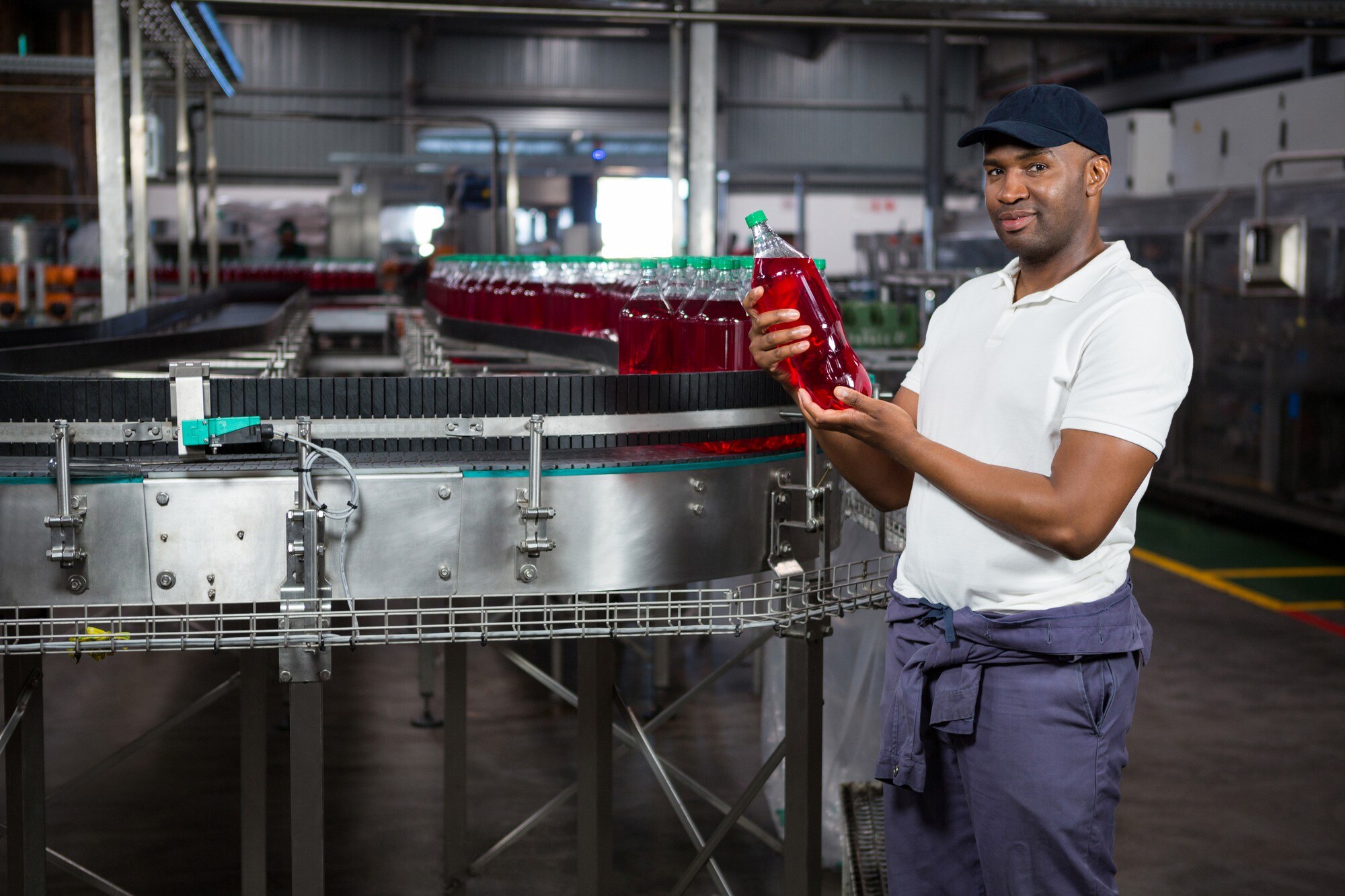
The integration of high-speed robotic bottling lines offers a critical efficiency boost for major manufacturers in São Paulo. These systems minimize human contamination and improve output consistency across large-scale production facilities. National manufacturers invested 480 million USD in 2023 toward upgrading legacy bottling machinery to meet rigorous ANVISA hygiene standards, driving a significant shift toward fully digitized beverage assembly plants across the Southeast region.
Cold Chain Logistics Optimization
Rising demand for premium perishable goods necessitates advanced temperature-controlled processing and storage solutions throughout the Rio Grande do Sul agricultural belt. Local agribusinesses are transitioning to IoT-enabled cooling units to ensure compliance with global export temperature protocols. There were 112 new smart-refrigeration warehouse installations registered in 2024, reflecting an urgent requirement for technology that prevents spoilage and maintains product integrity during high-volume distribution cycles.
Sustainable Wastewater Treatment Integration
Stricter environmental mandates from the National Water Agency require food processing plants to implement modular wastewater filtration units to reduce chemical runoff. Manufacturers are prioritizing equipment that allows for water recycling within the production loop to lower operational utility costs. Industrial firms allocated 215 million USD during 2024 specifically for the installation of closed-loop filtration systems, targeting a 30 percent reduction in raw water consumption across industrial zones.
Future Outlook
The Brazil food and beverage processing equipment market is positioned for a strategic evolution through 2035, driven by the dual mandates of export-grade quality assurance and domestic operational efficiency. As the Ministry of Agriculture, Livestock and Food Supply continues to enforce stricter processing standards to bolster the nation's reputation in international markets, the adoption of Industry 4.0 technologies—specifically predictive maintenance sensors and AI-driven sorting hardware—will become a non-negotiable benchmark for domestic firms like WEG Industries, founded in 1961 and headquartered in Jaraguá do Sul. Over the next five years, the market will witness a decisive shift away from manual processing toward modular, scalable robotic lines capable of handling diverse SKU profiles with minimal downtime. The geographic focus will expand from the traditional industrial corridors of São Paulo and Minas Gerais into the burgeoning agribusiness hubs of the Matopiba region, where new processing infrastructure is required to support the local grain and protein export surge. Furthermore, the convergence of sustainable packaging machinery and energy-efficient thermal processing units will define the competitive landscape, as companies strive to align with global environmental, social, and governance initiatives. Stakeholders should anticipate a period of high capital intensity, characterized by significant private investment in advanced manufacturing corridors, ensuring that Brazil remains a pivotal supplier in the global food value chain while simultaneously meeting the sophisticated demands of its domestic consumer base.
Major Players
- GEA Group Brazil
- Alfa Laval Brasil
- Indústrias Romi S.A.
- Buhler Group South America
- Tetra Pak Brazil
- Weg S.A.
- JBT Corporation Brazil
- Krones Brasil
- Famaví Industrial
- Marel Brazil
- Sidel Brasil
- Zanatta Equipamentos
- Fioravante Indústria
- Sanecon Equipamentos
- Bram-Tec Soluções
Key Target Audience
- Industrial Food Processing Equipment Manufacturers (e.g., Marel, founded 1983, Reykjavik)
- Beverage Bottling Line Integration Specialists (e.g., Krones AG, founded 1951, Neutraubling)
- Cold Chain Logistics Infrastructure Providers
- Agro-Industrial Conglomerates (e.g., BRF S.A., founded 2009, Itajaí)
- Government and Regulatory Bodies (ANVISA - National Health Surveillance Agency)
- Government and Regulatory Bodies (MAPA - Ministry of Agriculture, Livestock and Food Supply)
- Food Packaging Automation Suppliers (e.g., Tetra Pak, founded 1951, Lausanne)
- Dairy Processing Plant Operators (e.g., Nestlé Brazil, founded 1921, São Paulo)
- Brewery and Distillery Engineering Firms (e.g., GEA Group, founded 1881, Düsseldorf)
- Investors and Venture Capital Firms
- Industrial Refrigeration and Freezing Solutions Providers (e.g., Johnson Controls, founded 1885, Cork)
- Meat Processing Facility Managers
Research Methodology
Identification of Key Variables
- The research team identified critical market drivers including the expansion of Brazil's agribusiness sector and the adoption of Industry 4.0 standards.
- Analysts isolated variables such as local currency fluctuation, import tariff adjustments under MERCOSUR, and shifting consumer demand for processed food products in urban centers like São Paulo and Curitiba to establish a foundational data model for the 2024-2035 forecast period.
Market Analysis and Construction
- Analysts aggregated primary financial data from annual reports of major market participants including Buhler Group and JBT Corporation to map historical equipment sales.
- This data was synthesized with historical production capacity statistics from the Brazilian Institute of Geography and Statistics to build a robust bottom-up market size estimate reflecting regional manufacturing output across the Southeast and Southern Brazil corridors.
Validation and Synthesis
- Validation involved intensive consultations with senior engineering heads at food processing plants and regional supply chain managers to verify operational efficiency growth assumptions.
- Independent industry specialists provided qualitative insights on equipment replacement cycles, while government regulatory analysts assessed the projected impact of future safety compliance mandates on capital expenditure budgets for small and mid-sized enterprises across the industrial meat and dairy sectors.
- The final phase integrated quantitative data projections with the validated expert insights to produce a comprehensive market outlook through 2035.
- Final documentation includes strategic analysis of competitive positioning, revenue forecasting by equipment segment, and a thorough assessment of regulatory hurdles impacting the operational environment for multinational equipment vendors seeking to expand their footprint within the Brazilian manufacturing landscape.
Table of Contents
 Executive Summary
2 Sections
▼
- Executive Summary
- Research Methodology (Brazil Food Industry Definition, Customs Import Data Analysis, Industrial Facility Census Review, OEM Revenue Breakdown Modeling, End-User Interview Primary Research, Supply Chain Constraint Mapping, Top-Down Market Sizing Validation, Bottom-Up Unit Sales Projection, Macroeconomic Sensitivity Scenario Analysis, Regulatory Influence Impact Assessment, Competitive Market Share Triangulation, Historical Data Normalization)
 Brazil Food and Beverage Processing Equipment Market Overview
7 Sections
▼
- Definition and Scope
- Market Evolution and Industry Genesis
- Brazil Industrial Food Processing Modernization
- Mercosur Regulatory Standards and Compliance
- Sugar and Ethanol Refining Infrastructure
- Animal Protein Processing Technology Integration
- Cold Chain Logistics Automation Expansion
 Brazil Food and Beverage Processing Equipment Market Size (2020-2025)
3 Sections
▼
- By Market Value (2020-2025)
- By Annual Unit Installation Volume (2020-2025)
- By Capital Expenditure per Facility (2020-2025)
 Brazil Food and Beverage Processing Equipment Market Segmentation
48 Segments
▼
- By Equipment Category (In Value %)
- Thermal Processing Systems
- Pasteurization Units
- Continuous Sterilization Retorts
- Industrial Microwave Tunnels
- UHT Heat Exchangers
- Separation and Filtration Technology
- Centrifugal Decanters
- Membrane Filtration Modules
- Pressure Leaf Filters
- Reverse Osmosis Skids
- Size Reduction and Homogenization
- Colloid Mills
- High-Pressure Homogenizers
- Industrial Meat Grinders
- Cutting and Dicing Machines
- Mixing and Blending Units
- Ribbon Blenders
- Planetary Mixers
- Vacuum Emulsifiers
- Continuous Liquid-Powder Mixers
- By Facility Capacity Scale (In Value %)
- Small Artisan and Craft Producers
- Mid-Market Regional Processors
- Large-Scale Industrial Export Complexes
- Contract Manufacturing Hubs
- By Food Commodity Sector (In Value %)
- Meat and Poultry Processing
- Dairy and Cheese Production
- Sugar, Ethanol, and Bioenergy
- Beverage and Bottling
- Fruit and Vegetable Processing
- Bakery and Snack Production
- By Control System Sophistication (In Value %)
- Manual Electromechanical Systems
- PLC-Based Automation Controllers
- Industry 4.0 IIoT Connected Lines
- Predictive Maintenance Integrated Systems
- By Region of Deployment (In Value %)
- São Paulo State Industrial Belt
- Paraná/Santa Catarina Poultry Hubs
- Minas Gerais Dairy Cluster
- Mato Grosso Agribusiness Centers
- By Equipment Lifecycle Tier (In Value %)
- New Greenfield Equipment Installation
- Refurbished Machinery Deployment
- Legacy Line Retrofitting
- Aftermarket Spare Parts Demand
 Brazil Food and Beverage Processing Equipment Market Analysis
8 Sections
▼
- Growth Drivers (Industrial Automation Adoption, Government Infrastructure Incentives, Expansion of Cold Chain Logistics, Sustainability and Waste Reduction Mandates)
- Market Challenges (High Import Taxation, Skilled Labor Deficit, Currency Volatility)
- Market Opportunities (Automated Bottling Systems for Beverage Manufacturers, Cold Chain Logistics Optimization, Sustainable Wastewater Treatment Integration)
- Market Trends (Automation Uptake, Hygienic Standards, Energy Efficiency, Export Compliance)
- Government Regulations
- SWOT Analysis
- Porter's Five Forces Analysis
- PESTLE Analysis
 Brazil Food and Beverage Processing Equipment Market Competitive Analysis
19 Sections
▼
- Market Share of Major Players
- Global OEM vs Brazilian Domestic Manufacturers
- Hygienic Design Certification Competitive Advantage
- Meat Processing Automation Specialist Landscape
- Dairy Equipment Technical Innovation Battle
- Aftermarket Service Regional Dominance Metrics
- Cross Comparison Parameters (Installed Base in São Paulo, Local Manufacturing Content Ratio, Service Technician Response Latency, Integration with SAP ERP Environments, Hygienic Design Certification Compliance, After-Sales Spare Parts Availability, Digital Twin Simulation Capability)
- Competitive Product Benchmarking (Processing Throughput Capacity (kg/hr), Energy Consumption Efficiency (kWh/unit), Clean-In-Place Cycle Time, Automation Integration Level, Material Grade Specification (SUS316L), Mean Time Between Failures)
- Financial and Operational Parameters
- SWOT Analysis of Major Players
- Detailed Profiles of Major Companies
- GEA Group (Founded 1881, Germany) – Westfalia Separator, Tuchenhagen, Niro
- Alfa Laval (Founded 1883, Sweden) – Contherm, ThinkTop, Gamajet
- JBT Corporation (Founded 1884, USA) – Stein, Frigoscandia, Double D
- Bühler Group (Founded 1860, Switzerland) – Sortex, Aeroglide, PastaSolutions
- Tetra Pak (Founded 1951, Sweden) – Tetra Therm, Tetra Almix, Tetra Centri
- Marel (Founded 1983, Iceland) – Stork Poultry, Townsend, Scanvaegt
- INDUMAK (Founded 1964, Brazil) – Indumak Packaging, Indumak Weighing
- WEM (Founded 1988, Brazil) – WEM Weighing, WEM Automation
 Brazil Food and Beverage Processing Equipment Market End-User Analysis
7 Sections
▼
- Average Facility Equipment Replacement Cycle
- Annual Maintenance Budget Allocation Ratio
- Operator-to-Machine Dependency Ratio
- Shift Frequency in Processing Facilities
- Adoption Rate of Predictive Analytics
- Percentage of Automated Material Handling
- Local Content Sourcing Requirement Impact
 Brazil Food and Beverage Processing Equipment Market Future Size (2026-2035)
3 Sections
▼
- By Market Value (2026-2035)
- By Annual Unit Installation Volume (2026-2035)
- By Capital Expenditure per Facility (2026-2035)
Frequently Asked Questions
The current market size is USD 2.45 billion in 2025, projected to reach USD 4.16 billion by 2035. This expansion reflects a steady 5.4% CAGR over the ten-year forecast period. The market demand is heavily driven by the modernization of export-oriented production lines in the states of São Paulo and Paraná.
Manufacturers face significant hurdles due to complex tax structures like the ICMS and the IPI tax on industrial machinery. High import duties on specialized stainless steel components originating from outside Mercosur countries also inflate capital expenditure costs for local food processors. Furthermore, the volatility of the Brazilian Real complicates long-term budgeting for international equipment acquisition.
Leading industry participants include WEG S.A., founded in 1961 and headquartered in Jaraguá do Sul, which provides critical industrial motors and automation systems. GEA Group, headquartered in Düsseldorf, Germany, maintains a dominant presence through its extensive regional service centers. Additionally, JBT Corporation, established in 2008 and headquartered in Chicago, operates a specialized manufacturing hub in Piracicaba to serve the juice and fruit processing sector.
The aggressive expansion of the domestic agro-industrial sector is the primary catalyst for equipment demand. Strict compliance requirements from the Ministry of Agriculture, Livestock and Food Supply (MAPA) regarding food safety and hygiene protocols necessitate frequent upgrades to automated processing systems. Additionally, the increase in frozen and convenience food consumption among the urban population in Belo Horizonte and Porto Alegre is pushing processors to invest in high-capacity packaging lines.
Industry 4.0 integration has become a central trend, with local processors adopting IoT-enabled sensors to monitor machine efficiency and reduce operational downtime. There is also a significant shift toward energy-efficient, sustainable processing technologies that lower electricity consumption in compliance with national carbon reduction targets. Companies are increasingly investing in modular equipment configurations that allow for rapid product line retooling to accommodate shifting consumer preferences.


 Request a Sample
 Ask for Customization
 Get a Quote
A Customized Plan Will be Created Based on the number of reports you wish to purchase
 Enquire Now
