

 Download PDF
Market Overview
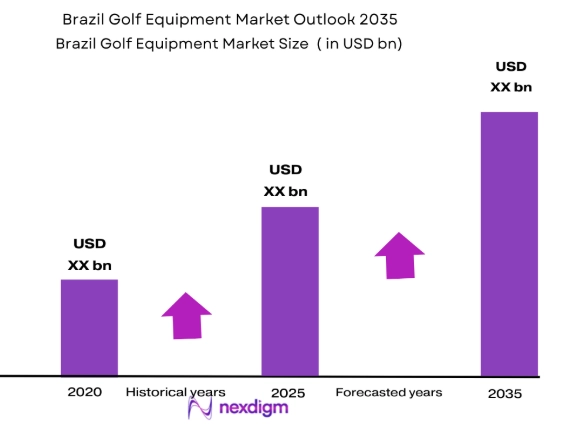
The golf equipment market is influenced by a growing interest in recreational and professional golfing. The market size is driven by an increasing number of people engaging in golf for leisure, professional development, and fitness. As the number of golf courses increases globally, demand for golf-related products, such as clubs, balls, and apparel, has surged. Consumers are also becoming more aware of high-quality, premium golf products, which has further contributed to the market’s growth trajectory. Technological innovation in golf equipment, such as smart clubs and performance tracking tools, is anticipated to drive market growth in the coming years. With the integration of advanced technology, golf brands are able to offer products that cater to a wide range of consumer preferences, from recreational players to professionals. Based on a recent historical assessment, the market size for golf equipment is valued at approximately USD ~ billion.
Regions such as North America, particularly the U.S., along with Japan and the United Kingdom, are major players in the global golf equipment market. These countries have a well-established golf culture, extensive golf courses, and a large base of consumers that regularly participate in the sport. Additionally, the popularity of golf as a recreational activity is contributing to growth in other emerging markets such as China and South Korea. The U.S. is considered the epicenter of golf equipment innovation, with major companies and a significant consumer base supporting the growth of the industry. Japan leads in terms of technological innovation, particularly in producing advanced golf clubs, while Europe benefits from an expanding golf tourism sector. The market growth in these regions is supported by increasing disposable incomes, an expanding middle class, and continued interest in the sport.
Market Segmentation
By Product Type
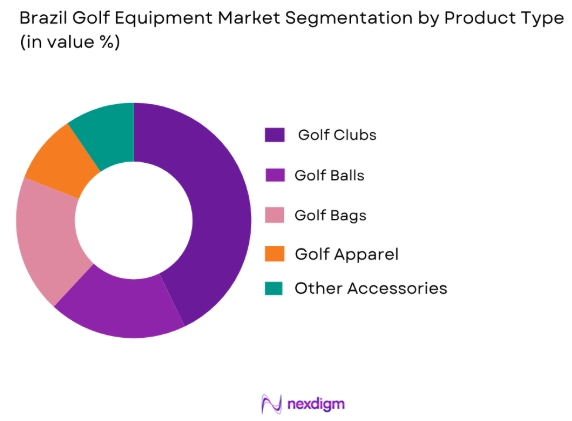
The golf equipment market is segmented by product type into categories such as golf clubs, golf balls, golf bags, golf apparel, and other accessories. Recently, the golf clubs sub-segment has shown the highest market share. This dominance is due to several factors, such as advancements in technology and performance improvements that cater to both professional and amateur golfers. Brands are continuously innovating golf clubs to provide better precision, adjustability, and customization. The rise of smart technology in golf clubs, such as sensors that track performance, is contributing to their growing popularity. Additionally, golf clubs remain essential for both recreational players and professionals, making them the most demanded item in the golf equipment category.
By Distribution Channel
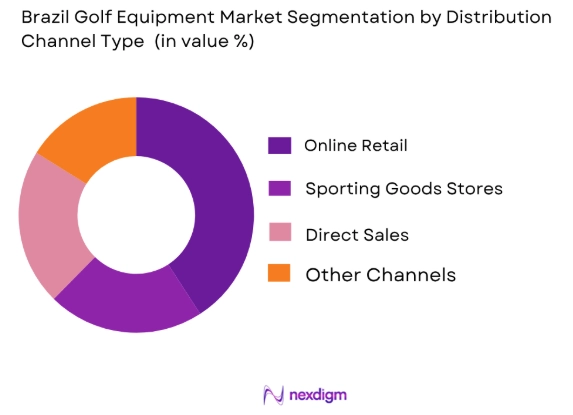
The golf equipment market is also segmented by distribution channel, with key channels including direct sales, online retail, sporting goods stores, and others. Among these, online retail is dominating the distribution channel market. This is primarily due to the rise of e-commerce platforms, which offer convenience, a broader selection of products, and often more competitive prices than traditional brick-and-mortar stores. Online retail has become the preferred choice for consumers who are looking for specialized equipment and a seamless shopping experience. The convenience of online shopping combined with doorstep delivery is fueling the popularity of this distribution method. This trend is expected to continue growing as e-commerce platforms continue to enhance user experience and widen their product range.
Competitive Landscape
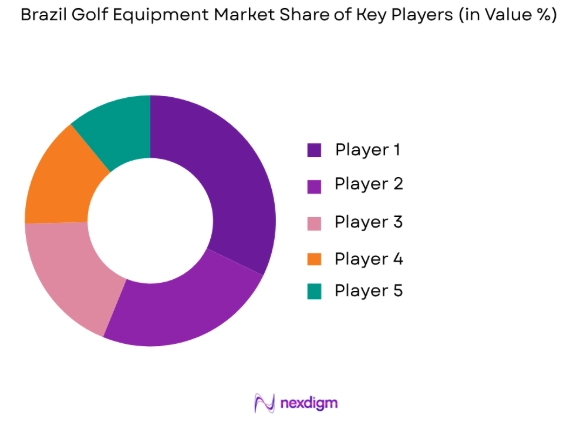
The golf equipment market has seen significant consolidation over the years, with several large players dominating the industry. The influence of major brands like Titleist, Callaway, and TaylorMade has shaped the competitive landscape. These players focus on innovation, brand recognition, and quality to maintain market leadership. Smaller brands often compete by offering niche products, such as customizable golf clubs or eco-friendly golf balls. Partnerships with golf professionals and sponsorships of major tournaments help reinforce brand presence and attract new consumers. As consumer preferences evolve, major players are investing in research and development to introduce advanced technologies, further consolidating their positions in the market.
| Company Name | Establishment Year | Headquarters | Technology Focus | Market Reach | Key Products | Revenue | Sustainability Initiatives |
| Titleist (Acushnet Company) | 1932 | Fairhaven, USA | ~ | ~ | ~ | ~ | ~ |
| Callaway Golf Company | 1982 | Carlsbad, USA | ~ | ~ | ~ | ~ | ~ |
| TaylorMade Golf Company | 1979 | Carlsbad, USA | ~ | ~ | ~ | ~ | ~ |
| Ping Inc. | 1959 | Phoenix, USA | ~ | ~ | ~ | ~ | ~ |
| Mizuno Corporation | 1906 | Osaka, Japan | ~ | ~ | ~ | ~ | ~ |
Brazil Golf Equipment Market Analysis
Growth Drivers
Increasing Popularity of Golf in Brazil
Golf is gaining significant traction in Brazil, driven by an increasing interest in outdoor sports and recreational activities. The rise in the number of young players and amateur golfers is helping to broaden the sport’s appeal. The sport is becoming a symbol of a healthy lifestyle, and as Brazil hosts more international golf events, its popularity continues to grow. Golf is also seen as a social and professional sport, which is further attracting new participants. With enhanced media coverage and celebrity endorsements, Brazil is witnessing a shift towards golf as a mainstream sport, thus driving the demand for golf equipment across various regions.
Rising Middle-Class Income and Affluence
As Brazil’s middle class continues to expand, more consumers have access to disposable income, enabling them to invest in golf as a recreational activity. With increased purchasing power, there is a growing demand for quality golf equipment and accessories. This rising affluence is fueling the adoption of both entry-level and premium golf products, which offer enhanced performance features. The trend is particularly visible in urban areas like São Paulo and Rio de Janeiro, where golfers can afford high-end golf clubs and apparel. Additionally, affluent Brazilians are increasingly engaging in international golf tournaments and events, driving the demand for advanced golfing gear.
Market Challenges
High Import Tariffs and Regulations on Golf Equipment
Brazil’s import tariffs and regulatory barriers present a challenge for the golf equipment market. High tariffs on imported goods increase the cost of golf products, making them less affordable for Brazilian consumers. This has led to higher prices for premium golf brands, limiting access to high-quality products for the average golfer. The regulatory process for importing golf equipment is complex, and manufacturers often face delays, adding to operational costs. As Brazil relies heavily on imports for golf equipment, these challenges impact both pricing and availability, hindering market growth in comparison to other countries with lower tariff barriers.
Strong Competition from International Brands
The Brazilian golf equipment market is characterized by intense competition from international brands such as Titleist, Callaway, and TaylorMade. These global giants have strong brand recognition and offer high-quality, technologically advanced products, making it difficult for local brands to compete on the same level. While international brands have the advantage of economies of scale, local manufacturers face challenges in offering comparable quality at competitive prices. Additionally, international players often dominate the premium segment, while local manufacturers struggle to cater to both premium and budget-conscious segments. This competition exerts pressure on pricing, margins, and market share for local companies.
Opportunities
Expansion of Golf Course Infrastructure
Brazil’s golf infrastructure is undergoing significant development, with new golf courses and clubs opening across the country. This expansion not only enhances the accessibility of the sport but also creates a growing demand for golf equipment. The construction of golf courses in both major cities and rural areas will attract new players and boost tourism, especially in regions like the South, where golf tourism is gaining popularity. The increased number of golf courses will also create opportunities for golf equipment sales and services, further driving market growth. As golf infrastructure expands, so does the need for high-quality golfing gear for both beginners and seasoned professionals.
Emergence of Golf Tourism and International Events
Golf tourism is rapidly emerging as a key opportunity for the Brazilian market. With the growing number of international tournaments hosted in Brazil and the allure of its unique golf courses, the country is becoming a popular destination for golf enthusiasts. These international events bring attention to Brazil’s golfing capabilities and increase the demand for golf equipment. Golf tourism also encourages the purchase of specialized gear and accessories, as tourists tend to invest in local products when visiting for tournaments. As Brazil establishes itself as a global golf hub, the influx of international visitors will drive demand for high-quality golf equipment, benefiting both local and international brands.
Future Outlook
The Brazil golf equipment market is expected to grow steadily over the next five years, driven by technological advancements and expanding global interest in the sport. Innovations in product design, such as customizable golf clubs and smart equipment, will cater to both seasoned and new golfers. Regulatory support for sports development and growing investment in golf tourism will further bolster the market. As golf equipment brands focus on sustainability and eco-friendly solutions, they are likely to capture a larger share of the conscious consumer segment. The rise of e-commerce will continue to shape distribution channels, providing greater accessibility to consumers worldwide. The market’s future will see increased competition, with brands striving to meet evolving consumer expectations and global demands.
Major Players
- Titleist (Acushnet Company)
- Callaway Golf Company
- TaylorMade Golf Company
- Ping Inc.
- Mizuno Corporation
- Cobra Golf (Puma)
- Bridgestone Golf
- Wilson Sporting Goods
- Srixon Golf (Sumitomo Rubber Industries)
- Cleveland Golf
- XXIO
- PXG (Parsons Xtreme Golf)
- Adams Golf
- Honma Golf
- Nike Golf
Key Target Audience
- Investments and venture capitalist firms
- Government and regulatory bodies
- Golf course operators and management
- Sporting goods retailers
- Golf equipment distributors and wholesalers
- Online retail platforms and e-commerce businesses
- Fitness and leisure companies
- Golf training academies and schools
Research Methodology
Step 1: Identification of Key Variables
Understanding the key drivers, restraints, and trends that influence the market landscape.
Step 2: Market Analysis and Construction
Analyzing data, trends, and historical growth to construct market forecasts.
Step 3: Hypothesis Validation and Expert Consultation
Engaging with industry experts to validate initial hypotheses and assumptions.
Step 4: Research Synthesis and Final Output
Synthesizing the research data and generating the final market report.

- Executive Summary
- Research Methodology (Market Definitions and Assumptions, Abbreviations, Market Sizing Approach, Consolidated Research Approach, Understanding Market Potential Through In-Depth Industry Interviews, Primary Research Approach, Limitations and Future Conclusions)

- Definition and Scope
- Market Dynamics Overview
- Market Genesis
- Major Players and Market Timeline
- Business Cycle and Trends
- Supply Chain and Value Chain Analysis

- Growth Drivers
Increasing Popularity of Golf in Brazil
Rising Middle-Class Income and Affluence
Growth in the Number of Golf Courses and Clubs
Increased Participation in International Golf Tournaments
Rising Adoption of Technologically Advanced Golf Equipment
- Market Challenges
High Import Tariffs and Regulations on Golf Equipment
Economic Volatility and Currency Fluctuations
Strong Competition from International Brands
Limited Local Manufacturing Capabilities
Rising Operational Costs for Distributors and Retailers
- Opportunities
Expansion of Golf Course Infrastructure
Emergence of Golf Tourism and International Events
Growing Adoption of Eco-Friendly and Sustainable Golf Equipment
Increasing Online Sales Channels
Premiumization of Golf Equipment with Advanced Features
- Trends
Technological Advancements in Golf Clubs (e.g., Smart Clubs, Adjustable Weights)
Preference for Customization of Golf Equipment
Growing Focus on Fitness and Golf Training Equipment
Rise in Golf Apparel and Lifestyle Products
Sustainable and Environmentally Friendly Equipment Innovations - Government Regulations
Import Regulations and Tariffs
Taxation and Duty Policies on Golf Equipment
Environmental Regulations and Sustainability Standards
Safety and Compliance Requirements for Golf Products - SWOT Analysis
- Porter’s Five Forces

- By Value, 2020-2025
- By Volume, 2020-2025
- By Average Price, 2020-2025

- By Product Type (In Value %)
Golf Clubs
Golf Balls
Golf Bags
Golf Shoes
Golf Apparel
Other Accessories - By Equipment Type (In Value %)
Drivers
Irons
Putters
Wedges
Hybrids
Fairway Woods - By Material Type (In Value %)
Steel
Graphite
Composite Materials - By End User (In Value %)
Professional Golfers
Amateur Golfers
Golf Courses and Clubs - By Distribution Channel (In Value %)
Direct Sales
Distributors and Wholesalers
Online Retailers
Sporting Goods Stores - By Price Tier (In Value %)
Budget/Entry-Level
Mid-Tier
Premium/High-End

- Market Share of Major Players by Value/Volume
- Market Share of Major Players by Product Type
- Market Share of Major Players by Material Type
- Cross Comparison Parameters (Company Overview, Business Strategies, Recent Developments, Strength, Weakness, Organizational Structure, Revenues, Revenues by Product Type, Number of Touchpoints, Distribution Channels, Number of Dealers and Distributors, Margins, Production Plant, Capacity, Unique Value Offering, and Others)
SWOT Analysis of Major Players
Pricing Analysis Based on Product Categories for Major Players - Detailed Profiles of Major Companies
Titleist (Acushnet Company)
Callaway Golf Company
TaylorMade Golf Company
Ping Inc.
Mizuno Corporation
Cobra Golf (Puma)
Bridgestone Golf
Wilson Sporting Goods
Srixon Golf (Sumitomo Rubber Industries)
Cleveland Golf
XXIO
PXG (Parsons Xtreme Golf)
Adams Golf

- Market Demand and Utilization
- Purchasing Power and Budget Allocations
- Regulatory and Compliance Requirements
- Needs, Desires, and Pain Point Analysis
- Decision-Making Process

- By Value, 2026-2035
- By Volume, 2026-2035
- By Average Price, 2026-2035


 Request a Sample
 Ask for Customization
 Get a Quote
 Enquire Now