
 Download PDF
 Download PDF
Market Overview
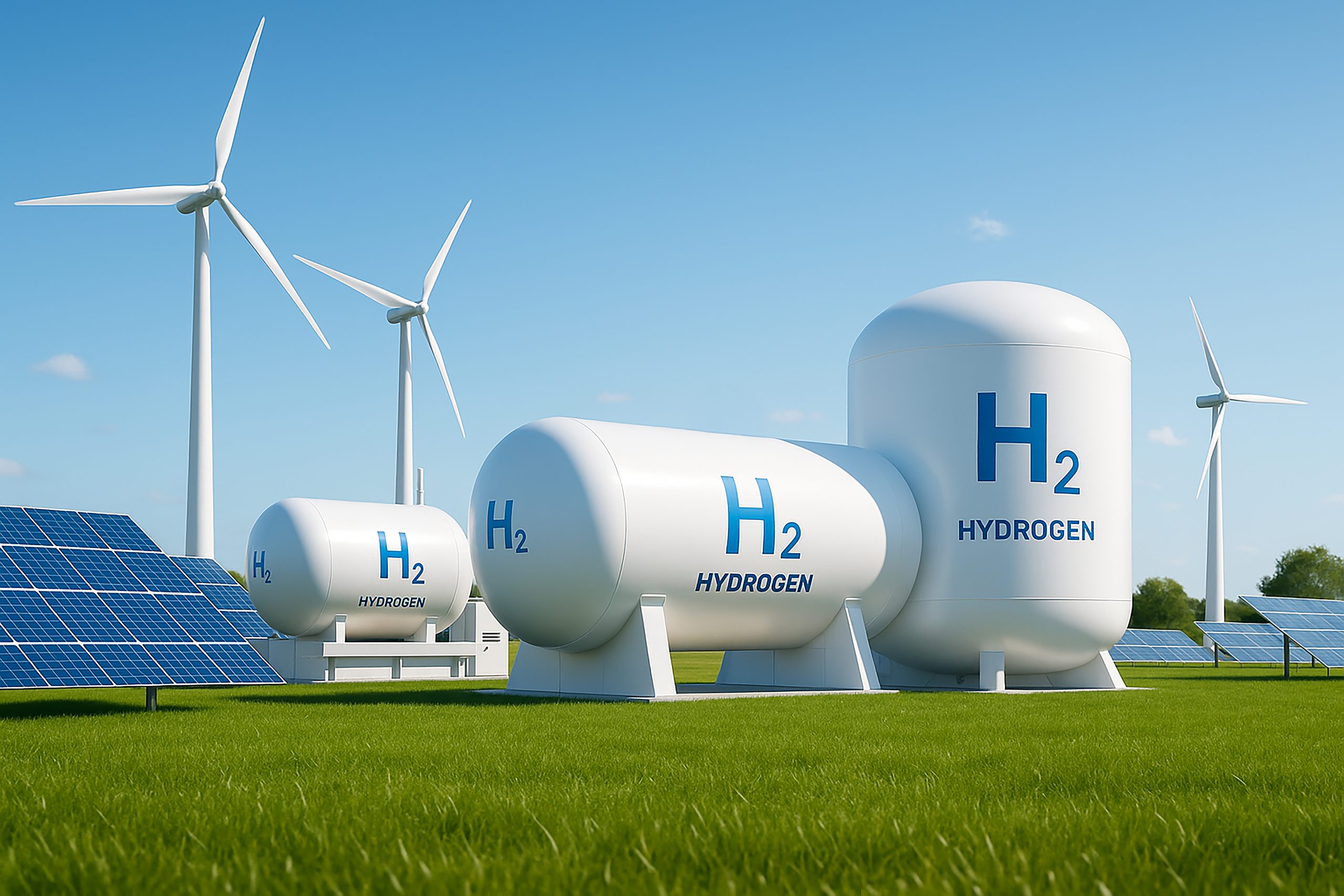
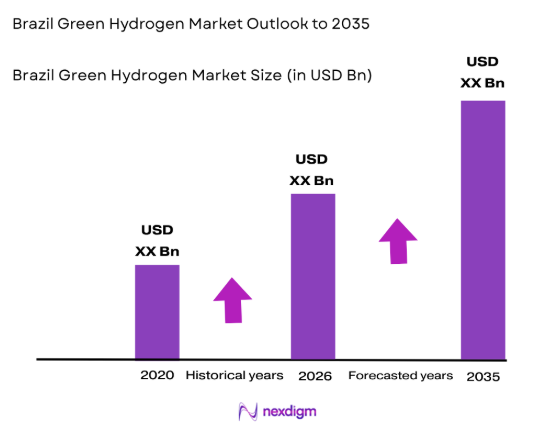
The Brazil Green Hydrogen market is estimated to reach USD ~ billion, driven by the country’s commitment to decarbonize its energy sector and its substantial renewable energy resources. Brazil’s renewable energy portfolio, particularly in wind and solar, provides an ideal foundation for green hydrogen production. Green hydrogen is gaining traction as a clean fuel alternative for industries and transportation sectors, backed by government incentives and sustainability goals to reduce carbon emissions. The country’s proactive approach to green hydrogen production positions it as a leader in the Latin American energy transition.
Brazil, particularly in states like Ceará, Rio Grande do Norte, and Bahia, leads the development of green hydrogen projects due to its excellent wind and solar resources. These areas provide optimal conditions for renewable energy generation, which is crucial for producing green hydrogen through electrolysis. With strategic investments in infrastructure and collaborations with international partners, Brazil aims to establish itself as a key player in the global green hydrogen market, tapping into both local demand and international export opportunities.
Market Segmentation
By Technology Type
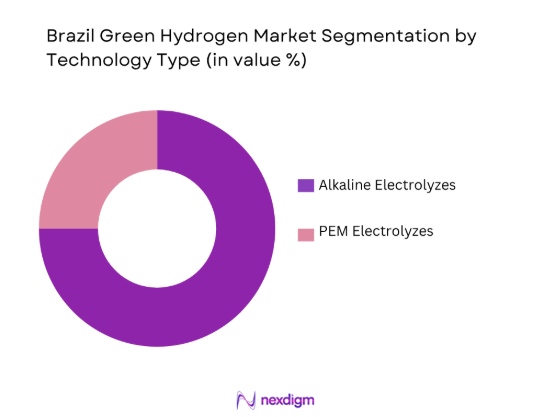
The Brazil Green Hydrogen market is segmented by technology type into alkaline electrolyzes and proton exchange membrane (PEM) electrolyzes. Recently, alkaline electrolyzes have dominated the market share due to their lower cost, scalability, and maturity. As Brazil develops its green hydrogen infrastructure, the use of alkaline electrolyzes continues to increase, driven by their efficiency and the country’s push to optimize renewable energy sources for hydrogen production. The dominance of alkaline electrolyzes is expected to remain, although PEM technology is anticipated to gain ground in the coming years.
By End-User Sector
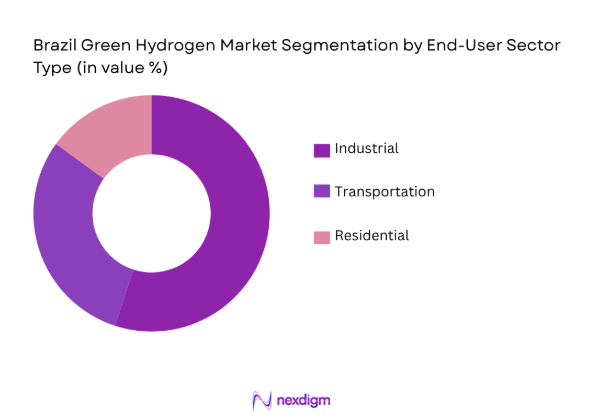
The Brazil Green Hydrogen market is segmented by end-user sector into industrial, transportation, and residential. The industrial sector has recently held a dominant market share due to the growing need for clean energy in heavy industries like steel and chemicals. With Brazil’s commitment to reducing industrial emissions, green hydrogen is increasingly seen as a viable energy solution for these sectors. The government’s incentives and growing investment in green hydrogen infrastructure are further supporting this trend, enabling industrial players to shift towards sustainable fuel options.
Competitive Landscape
The Brazil Green Hydrogen market is competitive, with both local and international players striving for market share. The sector is witnessing consolidation, with major energy companies and industrial players entering strategic partnerships and alliances to develop green hydrogen projects. This collaborative approach is aimed at improving the technology and reducing costs. The influence of international players, combined with Brazil’s renewable energy potential, has positioned the country as a future leader in green hydrogen production. However, the market still faces challenges related to infrastructure and technology development, which major players are addressing through investments and innovation.
| Company Name | Establishment Year | Headquarters | Technology Focus | Market Reach | Key Products | Revenue (USD Billion) | Market-Specific Parameter |
| Engie Brasil Energia | 2000 | Rio de Janeiro, BR | ~ | ~ | ~ | ~ | ~ |
| Ørsted | 2006 | Fredericia, Denmark | ~ | ~ | ~ | ~ | ~ |
| Siemens Energy | 2020 | Munich, Germany | ~ | ~ | ~ | ~ | ~ |
| H2V Industries | 2019 | Paris, France | ~ | ~ | ~ | ~ | ~ |
| Uniper | 2005 | Düsseldorf, Germany | ~ | ~ | ~ | ~ | ~ |
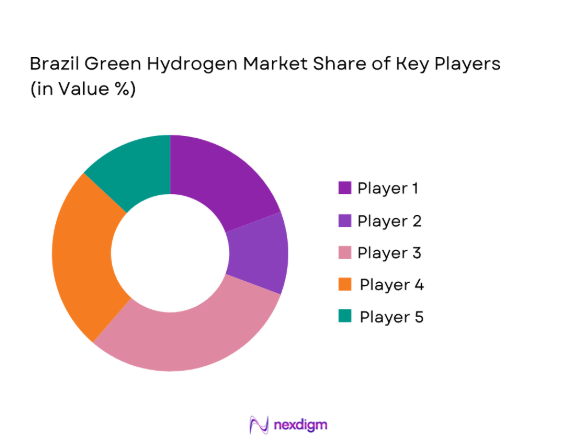
Brazil Green Hydrogen Market Analysis
Growth Drivers
Government Policies
The Brazilian government has prioritized clean energy and decarbonization as part of its broader renewable energy strategy. This includes providing funding and incentives for green hydrogen projects, such as tax exemptions and infrastructure support. The country’s commitment to the Paris Agreement and the push for sustainability in the energy sector are major drivers of green hydrogen adoption. With new regulations aimed at accelerating hydrogen production from renewable sources, Brazil is becoming an attractive investment destination for companies focusing on hydrogen technology and renewable energy solutions.
Renewable Energy Potential
Brazil’s immense wind and solar potential makes it one of the most suitable countries for large-scale green hydrogen production. The country’s renewable energy mix provides a cost-effective and sustainable energy source for producing hydrogen through electrolysis. With the northeastern states of Brazil offering optimal conditions for wind and solar power, Brazil has the infrastructure and resources to produce large volumes of green hydrogen. As renewable energy generation continues to grow in the country, green hydrogen is expected to become a key part of Brazil’s energy strategy.
Market Challenges
Infrastructure Development
Brazil faces infrastructure challenges in scaling up green hydrogen production. Although Brazil has vast renewable energy resources, the infrastructure needed to support large-scale green hydrogen production is still underdeveloped. The lack of hydrogen refueling stations, pipelines for distribution, and storage facilities can hinder the market’s growth. Furthermore, Brazil’s electricity grid needs to be modernized to handle the increased demand for renewable energy sources and green hydrogen. Expanding infrastructure to support the efficient production, transportation, and use of green hydrogen is essential for the market to scale successfully.
Technological Barriers
While hydrogen production technologies have advanced, challenges remain in achieving cost-efficiency. The high cost of electrolyzers and the relatively low efficiency of hydrogen production through electrolysis are significant barriers to widespread adoption. Although Brazil’s renewable energy capacity allows for competitive electricity prices, the cost of electrolyzers and other equipment required for hydrogen production still limits market growth. Continued research and development into more cost-effective and efficient electrolyzers, as well as innovations in hydrogen production technologies, are crucial to making green hydrogen economically viable in Brazil.
Opportunities
International Partnerships
Brazil’s potential to become a global exporter of green hydrogen presents significant growth opportunities. Brazil’s renewable energy infrastructure, combined with its vast green hydrogen production capacity, positions it as a major exporter to countries in Europe and Asia. International collaborations, such as those with European countries focused on decarbonization, will allow Brazil to tap into global hydrogen demand. By establishing itself as a leading exporter of green hydrogen, Brazil can attract foreign investment, increase job creation, and generate economic benefits while contributing to the global transition to clean energy.
Industrial Demand for Hydrogen
The industrial sector in Brazil represents a major opportunity for green hydrogen adoption. Industries, particularly in steel production, chemicals, and refining, are increasingly looking for sustainable alternatives to fossil fuels. Green hydrogen offers a viable solution to decarbonize these sectors, which are traditionally hard to electrify. As industries seek to reduce their carbon footprint, the demand for green hydrogen is expected to grow. Brazil’s green hydrogen market can capitalize on this trend by developing hydrogen-based solutions tailored to industrial needs, contributing to both economic growth and sustainability.
Future Outlook
The Brazil Green Hydrogen market is poised for significant growth as the country leverages its renewable energy resources to meet global clean energy demands. Government policies, technological advancements, and increased industrial demand for sustainable energy will play key roles in driving the market forward. The next five years will see the expansion of Brazil’s green hydrogen infrastructure, with large-scale projects and international partnerships enhancing the country’s position as a leading player in the global hydrogen economy. Brazil’s commitment to achieving net-zero emissions will continue to drive investments in green hydrogen production and distribution.
Major Players
- EngieBrasilEnergia
- Ørsted
- Siemens Energy
- H2V Industries
- Uniper
- Brookfield Renewable Partners
- Iberdrola
- TransAlta
- AES Tietê Energia
- EDP Renewáveis
- Nexans
- Plug Power
- Air Products and Chemicals
- Linde
- Shell
Key Target Audience
- Investments and venture capitalist firms
- Government and regulatory bodies
- Renewable energy project developers
- Hydrogen technology providers
- Industrial sector players
- Energy consumers (commercial and industrial)
- Environmental and sustainability consultants
Research Methodology
Step 1: Identification of Key Variables
Identify the key drivers, barriers, and regulations affecting the Brazil Green Hydrogen market, including government policies and technological advancements.
Step 2: Market Analysis and Construction
Construct an analysis of the Brazil Green Hydrogen market, focusing on segments such as technology type, end-user sector, and geographical focus.
Step 3: Hypothesis Validation and Expert Consultation
Consult with industry experts, technology developers, and stakeholders to validate the market assumptions and ensure the accuracy of growth projections.
Step 4: Research Synthesis and Final Output
Synthesize findings into a comprehensive market report, providing actionable insights for stakeholders looking to enter or expand in Brazil’s green hydrogen market.

- Executive Summary
- Research Methodology (Definitions, Scope, Industry Assumptions, Market Sizing Approach, Primary & Secondary Research Framework, Data Collection & Verification Protocol, Analytic Models & Forecast Methodology, Limitations & Research Validity Checks)

- Market Definition and Scope
- Value Chain & Stakeholder Ecosystem
- Regulatory / Certification Landscape
- Sector Dynamics Affecting Demand

- Growth Drivers
Government Incentives for Green Hydrogen Production
Technological Advancements in Electrolysis
Growing Demand for Clean Fuel Alternatives - Market Challenges
High Capital Costs for Green Hydrogen Production
Regulatory and Policy Uncertainty
Hydrogen Storage and Distribution Challenges - Market Opportunities
Integration of Green Hydrogen with Renewable Energy Sources
Development of Hydrogen Fuel Cell Vehicles
Scaling up Hydrogen Infrastructure for Large-Scale Deployment - Trends
Increasing Investment in Hydrogen Research
Rising Adoption of Hydrogen in Industrial Applications - Government Regulations
- SWOT Analysis
- Porter’s Five Forces

- By Market Value, 2020-2025
- By Installed Units, 2020-2025
- By Average System Price, 2020-2025
- By System Complexity Tier, 2020-2025

- By System Type (In Value%)
Electrolyzers
Green Hydrogen Production Plants
Hydrogen Storage Systems
Hydrogen Transportation Systems
Hydrogen Distribution Networks - By Platform Type (In Value%)
Onshore Platforms
Offshore Platforms
Integrated Platforms
Modular Platforms - By Fitment Type (In Value%)
Fixed Solutions
Mobile Solutions
Hybrid Solutions
Modular Solutions - By End User Segment (In Value%)
Industrial Sector
Energy Utilities
Transportation Sector

- Market structure and competitive positioning
- Market share snapshot of major players
- Cross Comparison Parameters (System Type, Platform Type, Procurement Channel, End User Segment, Fitment Type, Hydrogen Storage Capacity, Technological Integration, current status, growth dynamics, competitive landscape, costs, and challenges)
- SWOT Analysis of Key Competitors
- Pricing & Procurement Analysis
- Key Players
Plug Power
Nel ASA
ITM Power
Ballard Power Systems
Cummins Inc.
Air Products and Chemicals
Bloom Energy
Siemens Energy
McPhy Energy
Envision Group
Hydrogenics
Linde Group
Engie
RWE
Ørsted

- Growth in Industrial Hydrogen Use
- Energy Utilities Increasing Investment in Hydrogen Infrastructure
- Transportation Sector’s Adoption of Hydrogen Fuel Cells
- Government Support for Hydrogen Technologies

- Forecast Market Value, 2026-2035
- Forecast Installed Units, 2026-2035
- Price Forecast by System Tier, 2026-2035
- Future Demand by Platform, 2026-2035


 Request a Sample
 Ask for Customization
 Get a Quote
 Enquire Now