

 Download PDF
Market Overview
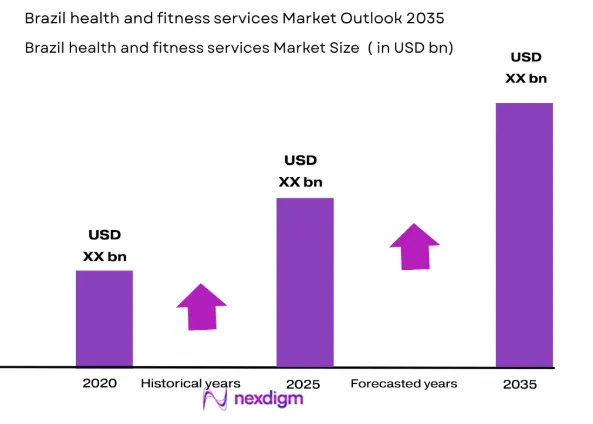
The Brazil health and fitness services market is valued at USD ~ billion, with a notable contribution from the gym and fitness center industry. This growth is fueled by increasing consumer awareness surrounding fitness and healthy lifestyles, as well as rising disposable incomes. Over the past few years, there has been a strong shift towards preventive healthcare, with individuals prioritizing fitness as part of their daily routines. Furthermore, a growth in wellness services, such as yoga and Pilates, has further diversified the market landscape. Key drivers also include government-backed initiatives promoting physical activity and the increasing adoption of fitness technology.
Brazil’s health and fitness services market is primarily dominated by major urban centers such as São Paulo, Rio de Janeiro, and Brasília. These cities exhibit the highest concentration of health-conscious consumers, aided by a growing middle class and strong urbanization trends. São Paulo leads the market, due to its status as the financial and business hub of the country, where fitness is increasingly seen as a status symbol. Rio de Janeiro follows closely, driven by a cultural focus on beach sports and outdoor activities. Brasília also contributes significantly, with a growing demand for both traditional gym services and holistic wellness options.
Market Segmentation
By Service Type
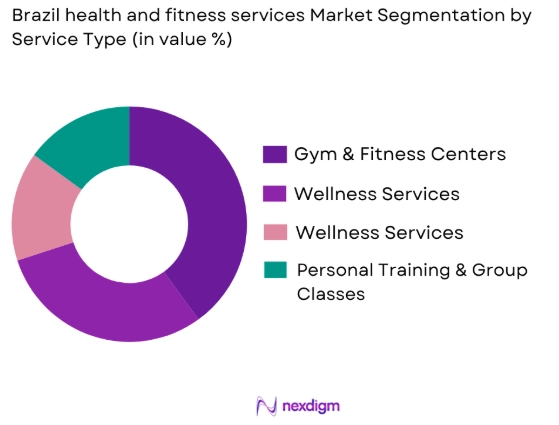
Brazil’s health and fitness services market is segmented by service type into gym & fitness centers, personal training and group classes, wellness services (yoga, Pilates), and nutritional consulting services. Gym & fitness centers dominate the market in terms of revenue, driven by their established presence and the increasing demand for fitness memberships. The proliferation of affordable gym options across major cities has significantly contributed to this dominance. Moreover, Brazilian consumers have exhibited a strong preference for gym memberships, driven by the perceived health benefits and social aspects of working out in a group setting.
By Demographic Segment
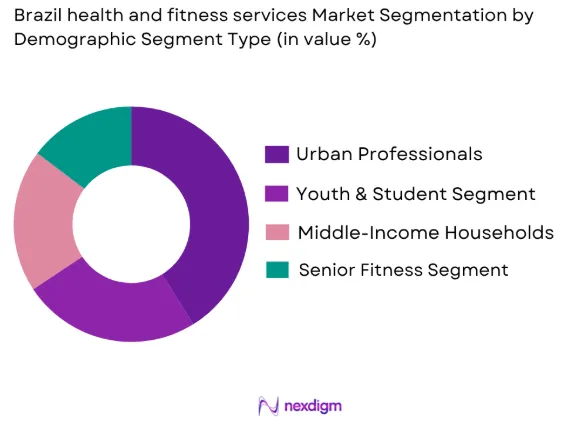
The health and fitness services market in Brazil is also segmented based on consumer demographics, primarily urban professionals, youth and students, middle-income households, and the senior fitness segment. The urban professional segment is currently the largest due to Brazil’s rapidly urbanizing middle class, particularly in São Paulo and Rio de Janeiro. These individuals tend to invest in health and wellness services, viewing fitness as integral to their work-life balance and overall well-being. Additionally, the youth and student demographic has shown an increasing preference for group fitness classes, with many turning to budget-friendly gym memberships or fitness apps to stay active.
Competitive Landscape
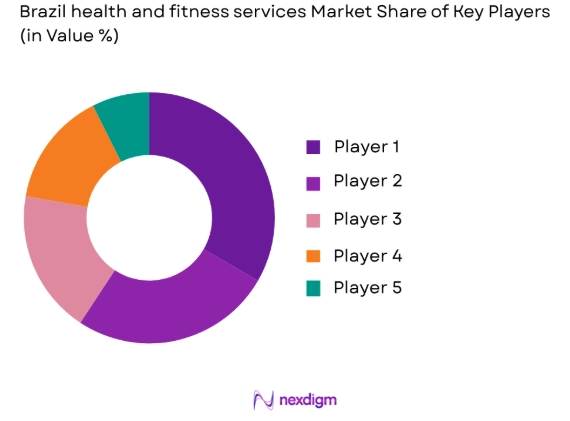
The Brazil health and fitness services market is dominated by several large players, including both local chains and global franchises. These companies benefit from their established brands, vast infrastructure, and innovative service offerings. Leading companies in the market include Smart Fit, Bodytech, and BlueFit, each offering a variety of membership plans and wellness-focused services. The market also includes international brands such as Anytime Fitness and Gold’s Gym, which are expanding their presence through franchising. These companies have positioned themselves as key players by diversifying their offerings to include personal training, online fitness classes, and wellness programs.
| Company Name | Establishment Year | Headquarters | Service Portfolio | Membership Reach | Pricing Strategy | Technological Integration | Brand Loyalty | Customer Engagement | Revenue Growth | Geographic Reach |
| Smart Fit | 2009 | São Paulo, Brazil | Gym & Fitness Centers | ~ | ~ | ~ | ~ | ~ | ~ | ~ |
| Bodytech | 1999 | São Paulo, Brazil | Gym & Fitness Centers | ~ | ~ | ~ | ~ | ~ | ~ | ~ |
| BlueFit | 2008 | São Paulo, Brazil | Gym & Fitness Centers | ~ | ~ | ~ | ~ | ~ | ~ | ~ |
| Anytime Fitness | 2002 | Minnesota, USA | Gym & Fitness Centers | ~ | ~ | ~ | ~ | ~ | ~ | ~ |
| Gold’s Gym | 1965 | California, USA | Gym & Fitness Centers | ~ | ~ | ~ | ~ | ~ | ~ | ~ |
Brazil Health and Fitness Services Market Analysis
Growth Drivers
Increasing Health Consciousness and Lifestyle Shifts
Rising health awareness among Brazil’s population is a key driver of the health and fitness services market. Urban consumers, in particular, are becoming more proactive about maintaining physical and mental well-being, influenced by social media, global fitness trends, and growing access to health information. This shift is encouraging higher participation in gym memberships, group fitness classes, and personalized training programs. Additionally, changing lifestyles, including sedentary work environments, are pushing individuals to adopt structured fitness routines. The emphasis on preventive healthcare rather than reactive treatment is also gaining traction. As a result, service providers are expanding their offerings to include holistic wellness solutions such as nutrition counseling, stress management programs, and functional training.
Chronic Diseases, Corporate Wellness, and Technology Adoption
The increasing prevalence of chronic diseases such as obesity, diabetes, and cardiovascular conditions is significantly boosting demand for fitness services in Brazil. This has led both individuals and organizations to prioritize health management. Corporate wellness programs are becoming more common, with companies offering subsidized gym memberships, wellness workshops, and digital health tools to improve employee productivity and reduce healthcare costs. At the same time, government initiatives promoting physical activity are supporting broader participation in fitness programs. Technological advancements, including mobile fitness applications, virtual coaching, and AI-based workout plans, are further transforming the industry. These tools enhance accessibility and engagement, particularly in remote areas, while enabling providers to deliver more personalized and scalable fitness solutions.
Challenges
Price Sensitivity and Regulatory Barrier
One of the primary challenges in Brazil’s health and fitness services market is the high level of price sensitivity among consumers. A significant portion of the population has limited disposable income, making it difficult for premium fitness services to achieve widespread adoption. Economic fluctuations and income inequality further intensify this issue, leading to inconsistent demand. Additionally, regulatory hurdles and licensing requirements create operational challenges for service providers. Businesses must comply with strict health, safety, and facility standards, which can increase costs and delay market entry. Smaller fitness centers, in particular, may struggle to meet these requirements, limiting their growth potential and reducing overall market competitiveness in certain regions.
Market Fragmentation and Awareness Gaps
The Brazilian fitness market is highly fragmented, with numerous small and independent gyms operating alongside a few large chains. This fragmentation leads to inconsistent service quality, varied pricing structures, and limited brand standardization. Regional disparities further complicate the landscape, as urban centers have significantly better access to modern fitness facilities compared to rural areas. Another critical challenge is the lack of consumer education and awareness regarding structured fitness programs. Many individuals are unfamiliar with proper exercise techniques or the long-term benefits of regular physical activity. Cultural habits and low prioritization of fitness also hinder adoption, requiring sustained efforts in awareness campaigns and community engagement initiatives.
Opportunities
Digital Fitness and Virtual Training Expansion
The rapid growth of digital fitness platforms presents a significant opportunity for the Brazilian market. Online workout programs, live-streamed classes, and app-based training solutions are becoming increasingly popular, offering convenience and affordability to a wide range of consumers. These platforms allow users to access fitness services anytime and anywhere, effectively overcoming geographical and infrastructural barriers. Fitness providers can leverage subscription-based models to scale their businesses while maintaining lower operational costs. Hybrid models that combine physical gym experiences with digital offerings are also gaining traction. This approach not only enhances customer engagement but also helps businesses retain clients by offering flexible and personalized fitness solutions tailored to individual preferences.
Wearables and Health Monitoring Integration
The integration of wearable devices and health monitoring technologies is creating new growth avenues in the fitness services market. Devices such as smartwatches and fitness trackers enable users to monitor key health metrics, including heart rate, calorie expenditure, sleep quality, and activity levels. This data-driven approach allows for highly personalized fitness programs, improving user outcomes and engagement. Fitness service providers can collaborate with technology companies to develop integrated ecosystems that combine hardware, software, and coaching services. Additionally, the use of real-time data helps trainers and users track progress more effectively. These innovations open up new revenue streams through premium services and enhance the overall value proposition of fitness offerings in Brazil.
Future Outlook
The Brazil health and fitness services market is poised to experience continued growth over the next five years. This expansion will be driven by the increasing importance of fitness in the everyday lives of Brazilians, particularly in urban areas. Advances in fitness technology, including wearable devices and digital fitness classes, will further fuel the sector’s growth. Additionally, rising disposable incomes, coupled with increased consumer awareness of health-related issues such as obesity and cardiovascular diseases, will continue to support demand for health and fitness services. Companies are likely to increase their focus on wellness services, such as nutrition and mental health, in response to the growing consumer desire for a more holistic approach to fitness.
Major Players
- Smart Fit
- Bodytech
- BlueFit
- Anytime Fitness
- Gold’s Gym
- Reebok Fitness
- Selfit
- Curves
- Just Fit
- Selffit
- Platinum Fitness
- Gympass
- TotalPass
- King of the Gym
- Life Fitness
Key Target Audience
- Investors and Venture Capitalist Firms
- Government and Regulatory Bodies (Brazil Ministry of Health)
- Fitness Equipment Manufacturers
- Gym Franchise Owners
- Health and Wellness Consultants
- Health Insurance Providers
- Corporate Wellness Program Managers
- Local Fitness Entrepreneurs
Research Methodology
Step 1: Identification of Key Variables
This phase involves identifying the essential factors that influence the Brazilian health and fitness services market. Primary research, including interviews with key stakeholders, will be conducted to gain insights into the current state of the market. Secondary research will also be leveraged for a comprehensive analysis of the economic and social factors affecting the market.
Step 2: Market Analysis and Construction
In this phase, historical market data and trends will be analyzed, focusing on consumer behavior, service adoption, and market penetration. A detailed evaluation of revenue drivers, including memberships, wellness services, and fitness trends, will be conducted to understand market growth.
Step 3: Hypothesis Validation and Expert Consultation
We will validate market hypotheses through expert interviews with industry professionals, such as gym owners, personal trainers, and wellness consultants. These consultations will refine market data and provide further clarity on emerging trends.
Step 4: Research Synthesis and Final Output
In this final stage, primary and secondary data will be synthesized, ensuring accuracy and reliability. We will engage with fitness service providers to gather insights into operational models, consumer preferences, and technology integration, which will be critical in shaping our final market analysis.

- Executive Summary
- Research Methodology (Market Definitions and Assumptions, Abbreviations and Terminology, Data Sources and Validation Approach, Brazil Health and Fitness Services Market Sizing Methodolog Primary and Secondary Research Benchmarks, Market Reliability and Confidence Intervals)

- Industry Definition and Scope
- Market Genesis and Evolution in Brazil
- Consumer Adoption Patterns
- Market Value Chain and Distribution Architecture
- Import and Export Dynamics

- Growth Drivers
Increasing Health Consciousness
Rise in Chronic Diseases and Obesity Rates
Growth in Corporate Wellness Programs
Government Health Initiatives and Support
Technological Advancements and Digital Fitness Platforms - Challenges
High Price Sensitivity Among Core Segments
Regulatory Hurdles and Licensing Requirements
Market Fragmentation and Regional Disparities
Consumer Education and Fitness Awareness Gaps - Opportunities
Expansion of Digital Fitness and Virtual Training
Integration of Wearables and Health Monitoring Technologies
Increase in Health-Related Subscription Services
Corporate and Institutional Wellness Partnerships
Expansion of Fitness Services to Underpenetrated Regions - Trends
Shift Toward Boutique Fitness Studios
Growth of Subscription-Based Fitness Models
Integration of Wellness, Fitness, and Nutrition Services
Rise of Outdoor and Recreational Fitness Activities
Focus on Mental and Emotional Well-being - Government Regulations
- SWOT Analysis
- Porter’s Five Forces

- By Market Value, 2020-2025
- By Membership Growth, 2020-2025
- By Average Pricing, 2020-2025
- By Service Category Revenue Contribution, 2020-2025

- By Service Type (In Value %)
Gym & Fitness Centers
Personal Training and Group Classes
Yoga & Pilates Studios
Sports and Recreation Clubs
Wellness and Spa Services - By Consumer Demographics (In Value %)
Urban Professionals
Middle-Income Households
Senior Fitness Segment
Youth and Student Segment
Corporate Wellness and Fitness Programs - By Region (In Value %)
São Paulo
Rio de Janeiro
Minas Gerais
Bahia
Other States

- Market Share by Service Category
- Revenue by Major Fitness Brands and Chains
- Cross Comparison Parameters (Company Overview, Service Offerings, Pricing Strategy, Technology Integration, Brand Recognition, Market Position, Customer Engagement, Growth Trajectory)
- Company Profiles
Smart Fit
BlueFit
Reebok Fitness
Bodytech
Anytime Fitness
Curves
Just Fit
Selfit
World Class Fitness
Acquamundo
Platinum Fitness
Other Local Chains

- Buying Decision Drivers
- Brand Loyalty and Service Retention
- Pricing Models and Payment Preferences
- Fitness Engagement Patterns and Trends
- Challenges in Service Access and Ownership

- By Market Value, 2026-2035
- By Membership Growth, 2026-2035
- By Average Pricing, 2026-2035
- By Service Category Revenue Contribution, 2026-2035


 Request a Sample
 Ask for Customization
 Get a Quote
 Enquire Now