

 Download PDF
Market Overview
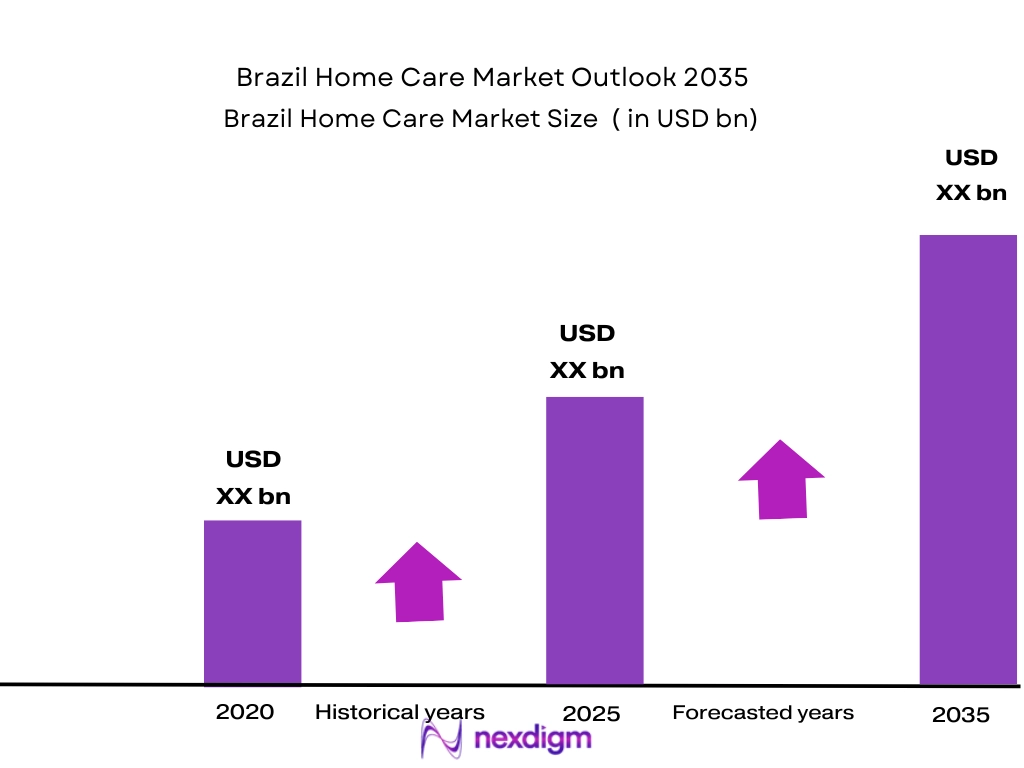
The Brazil household cleaning products market is valued at USD ~ billion, with forecast growth of 4.64% CAGR for 2024-2030. Demand is supported by Brazil’s USD 2.19 trillion GDP, USD 10,310.5 GDP per capita, and retail trade growth of 4.7, the strongest retail expansion since 2012. Home care consumption is also supported by regulated sanitizing-product activity, with Anvisa receiving 1,113 registration petitions and completing 1,294 sanitizing-product petitions.
São Paulo, Rio de Janeiro, Brasília, Belo Horizonte and Fortaleza dominate Brazil home care demand due to household concentration, modern retail density, logistics access and higher formal consumption. São Paulo municipality has 11.9 million residents, Rio de Janeiro 6.7 million, Brasília 3 million, while São Paulo metropolitan area leads with 21.5 million residents, followed by Rio de Janeiro with 12.9 million and Belo Horizonte with 6.0 million
Market Segmentation
By Product Type
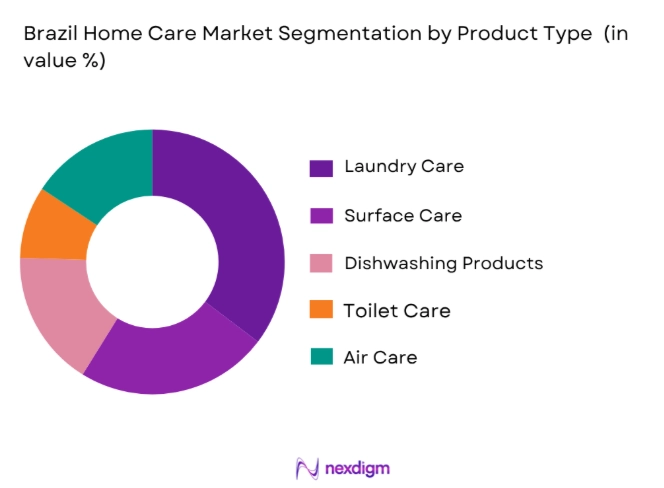
Brazil Home Care Market is segmented by product type into laundry care, surface care, dishwashing products, toilet care, air care, bleach and disinfectants, and pest control products. Laundry care holds the dominant market share due to high washing frequency, Brazil’s large urban household base and the continued importance of powder and liquid detergents in mass grocery retail. The category benefits from Brazil’s 212.6 million estimated population and 88.02 urban population indicator, which concentrates demand in apartments and metropolitan households. It also benefits from retail trade expansion of 4.7, which strengthened supermarket and hypermarket sales channels.
By Distribution Channel
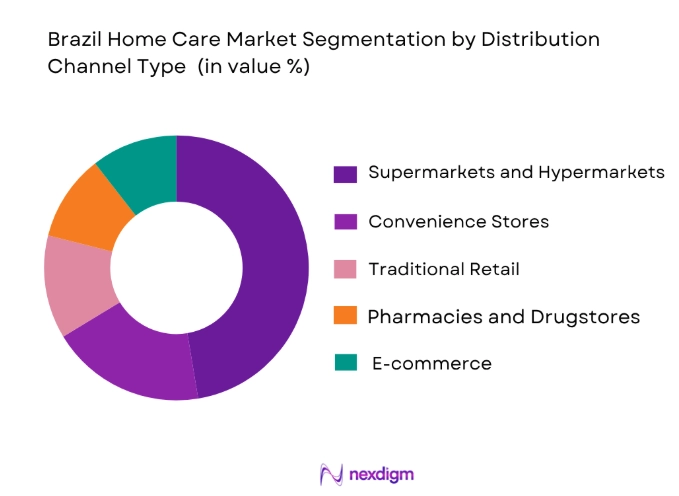
Brazil Home Care Market is segmented by distribution channel into supermarkets and hypermarkets, traditional retail, convenience stores, pharmacies and drugstores, e-commerce, and direct sales. Supermarkets and hypermarkets dominate because home care products are frequently purchased with grocery baskets, enabling scale promotions, multi-pack formats and nationwide brand visibility. The channel benefits from Brazil’s expanding formal retail base, with retail trade sales closing at 4.7 growth and household consumption supported by per capita household earnings of R$2,069. Large metropolitan areas such as São Paulo and Rio de Janeiro reinforce this dominance through dense store networks and faster replenishment cycles.
Competitive Landscape
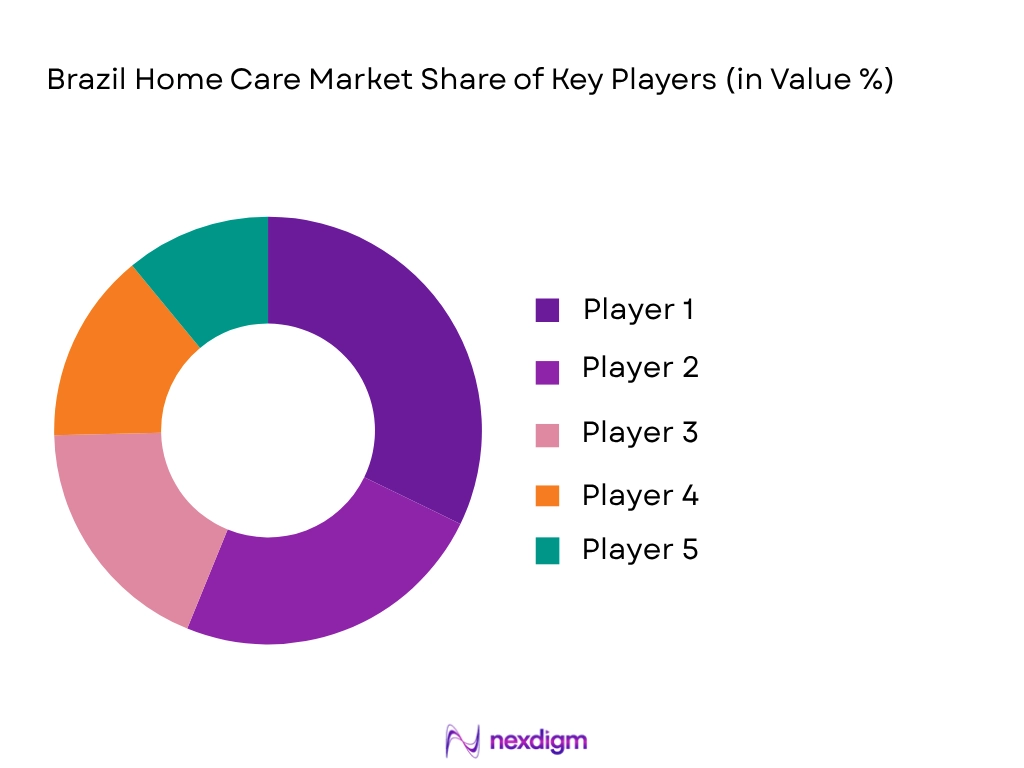
The Brazil Home Care Market is moderately consolidated, led by global FMCG groups such as Unilever, Procter & Gamble, Reckitt, SC Johnson and Colgate-Palmolive, alongside strong domestic players such as Ypê, Bombril, Química Amparo and Flora. Competition is shaped by supermarket shelf visibility, detergent and surface cleaner innovation, local manufacturing capacity, price-pack architecture and regulatory compliance with Anvisa’s sanitizing-product framework.
| Company | Establishment Year | Headquarters | Key Categories | Brazil Presence | Distribution Strength | Digital Capability | Sustainability Focus | Regulatory Positioning |
| Unilever Brazil | 1929 | São Paulo | ~ | ~ | ~ | ~ | ~ | ~ |
| Procter & Gamble Brazil | 1988 | São Paulo | ~ | ~ | ~ | ~ | ~ | ~ |
| SC Johnson Brazil | 1935 | Rio de Janeiro | ~ | ~ | ~ | ~ | ~ | ~ |
| Reckitt Brazil | 1988 | São Paulo | ~ | ~ | ~ | ~ | ~ | ~ |
| Química Amparo / Ypê | 1950 | Amparo, São Paulo | ~ | ~ | ~ | ~ | ~ | ~ |
Brazil Home Care Market Analysis
Growth Drivers
Urban Household Growth Rate
Brazil’s expanding urban population is a fundamental driver of home care consumption, as cleaning products are primarily consumed in dense residential settings. According to the World Bank, Brazil’s population stands at 205.3 million, with strong concentration in urban areas where infrastructure and retail access are well developed. Urbanization supports higher frequency of cleaning due to apartment living, shared spaces, and sanitation standards. Additionally, large metropolitan clusters such as São Paulo and Rio de Janeiro host millions of households, increasing demand for detergents, disinfectants, and surface cleaners. The scale of urban households drives continuous replenishment cycles and supports supermarket-led distribution dominance.
Disposable Income and FMCG Spend Growth
Rising household income levels are strengthening spending on essential FMCG categories such as home care. Brazil’s GDP per capita reached USD 10,616, reflecting improved purchasing capacity and consumption stability. Economic resilience is also evident in GDP growth of 2.9 and projected expansion above 3.0, supported by investment and household consumption. Retail indicators show domestic product sales growth of 3.5 in personal and household goods categories, demonstrating increased spending on cleaning and hygiene products. Higher disposable income enables consumers to purchase branded detergents, surface cleaners and multi-functional products, reinforcing market expansion.
Market Challenges
Inflationary Pressure on Raw Materials
Inflation continues to impact production costs in Brazil’s home care industry, particularly for chemicals, packaging and logistics inputs. Consumer price data indicates inflation levels around 4.14, with increases in food and essential goods reflecting broader cost pressures across supply chains. Housing-related costs rose by 3.31 in a single month due to energy price increases, indicating volatility in utility and manufacturing expenses. These cost pressures affect surfactants, plastics and transportation, leading to margin compression for manufacturers and limiting pricing flexibility in a price-sensitive market.
Price Sensitivity of Consumers
Brazilian consumers remain highly price-sensitive due to income inequality and macroeconomic volatility. The country’s Gini index stands at 50.3, indicating significant income disparity and uneven purchasing power distribution. This leads to strong demand for low-cost cleaning solutions, private-label products and bulk purchasing formats. Additionally, fluctuations in inflation and interest rates—such as benchmark rates around 10.75—affect consumer spending behavior, pushing households to prioritize affordability over premium products. This sensitivity restricts premium category growth and forces brands to maintain competitive pricing strategies across mass-market segments.
Opportunities
Eco-friendly and Biodegradable Products
Environmental awareness and Brazil’s biodiversity profile are creating strong demand for sustainable home care products. Brazil is recognized as one of the world’s most biodiverse countries, with vast ecosystems such as the Amazon influencing environmental policies and consumer behavior. Increasing concern over deforestation and pollution is driving interest in biodegradable cleaning solutions and reduced chemical usage. Government and regulatory focus on environmental preservation is also encouraging manufacturers to innovate with plant-based formulations, recyclable packaging and low-impact chemicals, creating a strong growth pathway for eco-friendly home care categories.
E-commerce Penetration
Digital retail expansion is opening new distribution channels for home care products across Brazil. Growth in online retail is supported by increased household internet access and urban concentration, enabling faster delivery and wider product availability. Retail data shows recovery and growth in domestic product sales, with 0.5 monthly and 2.1 annual increases in retail activity, indicating improving consumption trends. E-commerce platforms allow brands to reach underserved regions and offer subscription models for recurring purchases. This shift enhances product accessibility, supports direct-to-consumer strategies and strengthens market penetration beyond traditional retail channels.
Future Outlook
Over the next five years, Brazil Home Care Market is expected to grow steadily due to urban household density, hygiene-led purchasing, supermarket channel scale and product innovation in laundry, surface care and dishwashing. Growth will be supported by rising formal retail penetration, continued regulatory scrutiny of sanitizing products and expansion of e-commerce grocery models. Domestic brands are expected to remain important because of price competitiveness, while multinationals will lead premiumization, fragrance innovation and sustainability-led launches.
Major Players
- Unilever Brazil
- Procter & Gamble Brazil
- SC Johnson Brazil
- Reckitt Brazil
- Colgate-Palmolive Brazil
- Henkel Brazil
- Ypê
- Bombril
- Química Amparo
- Flora Produtos de Higiene e Limpeza
- Ceras Johnson
- 3M Brazil
- Condor
- Start Química
- DSV Air & Sea India
Key Target Audience
- Home care product manufacturers
- FMCG distributors and wholesalers
- Supermarket and hypermarket chains
- E-commerce and online grocery platforms
- Packaging manufacturers
- Chemical raw material suppliers
- Investments and venture capitalist firms
- Government and regulatory bodies
Research Methodology
Step 1: Identification of Key Variables
The initial phase involves mapping manufacturers, distributors, retailers, regulators and product categories within the Brazil Home Care Market. Key variables include household penetration, retail channel movement, product registration, consumer income and category-level demand.
Step 2: Market Analysis and Construction
Historical market performance is assessed through retail sales indicators, household consumption data, trade statistics, company disclosures and sanitizing-product regulatory activity. Category-level revenue is triangulated across product type, channel and urban demand clusters.
Step 3: Hypothesis Validation and Expert Consultation
Market assumptions are validated through interviews with manufacturers, distributors, retailers, importers and regulatory specialists. These discussions support validation of category dominance, channel performance, brand positioning and product innovation trends.
Step 4: Research Synthesis and Final Output
The final stage consolidates secondary data, expert inputs and bottom-up category modelling. Outputs are reviewed for consistency across market size, segmentation, competitive benchmarking and future outlook.

- Executive Summary
- Research Methodology (Market Definitions and Scope of Home Care Products, Product Category Classification Framework, Retail Audit and E-commerce Data Utilization Approach, Primary Interviews with Manufacturers, Distributors and Retailers, Bottom-Up Household Consumption Modelling, Top-Down FMCG Sales Validation, Assumptions on Pricing, Inflation and Pack Sizes, Limitations and Data Triangulation Techniques, TAM/SAM/SOM Modelling Framework Based on Household Penetration and Spend)

- Definition and Scope
- Evolution of Home Care Ecosystem in Brazil
- Timeline of Regulatory and Consumer Market Developments
- Household Cleaning Lifecycle Integration
- Value Chain Analysis
- Stakeholder Ecosystem

- Growth Drivers
Urban Household Growth Rate
Rising Hygiene Awareness
Disposable Income and FMCG Spend Growth
E-commerce Penetration
Premiumization of Cleaning Products - Market Challenges
Inflationary Pressure on Raw Materials
Price Sensitivity of Consumers
High Competition from Private Labels
Supply Chain and Distribution Complexity
Regulatory Compliance Costs - Opportunities
Eco-friendly and Biodegradable Products
Concentrated Cleaning Solutions
Smart and Automated Home Cleaning
Untapped Rural Household TAM
Subscription-based Home Care Models - Market Trends
Natural and Plant-based Ingredients
Refill Packaging Adoption
Disinfectant Demand Growth
Online Grocery Expansion
Premium Fragrance-led Products - Government Regulations
- SWOT Analysis
- Porter’s Five Forces
- Sustainability and Packaging Impact
- Retail Channel Integration Analysis

- By Value, 2020-2025
- By Volume, 2020-2025
- By Average Spend per Household, 2020-2025

- By Product Type (in Value %)
Laundry Care
Surface Care
Dishwashing Products
Toilet Care
Air Care
- By Distribution Channel (in Value %)
Supermarkets and Hypermarkets
Convenience Stores
Traditional Retail
Pharmacies and Drugstores
E-commerce - By Format (in Value %)
Liquids
Powders
Tablets/Capsules
Sprays
Wipes
Bars - By Price Segment (in Value %)
Mass
Mid-Premium
Premium - By End User (in Value %)
Urban Households
Rural Households
Commercial and Institutional Users
Hospitality and Foodservice
Healthcare Facilities

- Market Share of Major Players
- By Value
- By Volume
- By Product Category
- TAM Coverage Ratio
- Cross Comparison Parameters (Product Portfolio Breadth, Average Price per Unit, Distribution Network, E-commerce Presence, Sustainability Claims, Local Manufacturing Presence, Brand Recall, Retail Shelf Share, Innovation Pipeline, Customer Retention)
- SWOT Analysis of Major Players
- Pricing Benchmarking
- Detailed Profiles of Major Companies
Unilever Brazil
Procter & Gamble Brazil
SC Johnson Brazil
Reckitt Brazil
Colgate-Palmolive Brazil
Henkel Brazil
Ypê
Bombril
Química Amparo
Flora Produtos de Higiene e Limpeza
Ceras Johnson
Astonish Brazil
3M Brazil
Condor
Start Química

- Household Consumption Patterns and Seasonality
- Brand Loyalty and Switching Behavior
- Price Sensitivity and Pack Size Preference
- Pain Point Analysis
- Purchase Decision-Making Criteria
- Consumer TAM Analysis

- By Value, 2026-2035
- By Volume, 2026-2035
- By Average Spend per Household, 2026-2035


 Request a Sample
 Ask for Customization
 Get a Quote
 Enquire Now