
 Download PDF
Market Overview
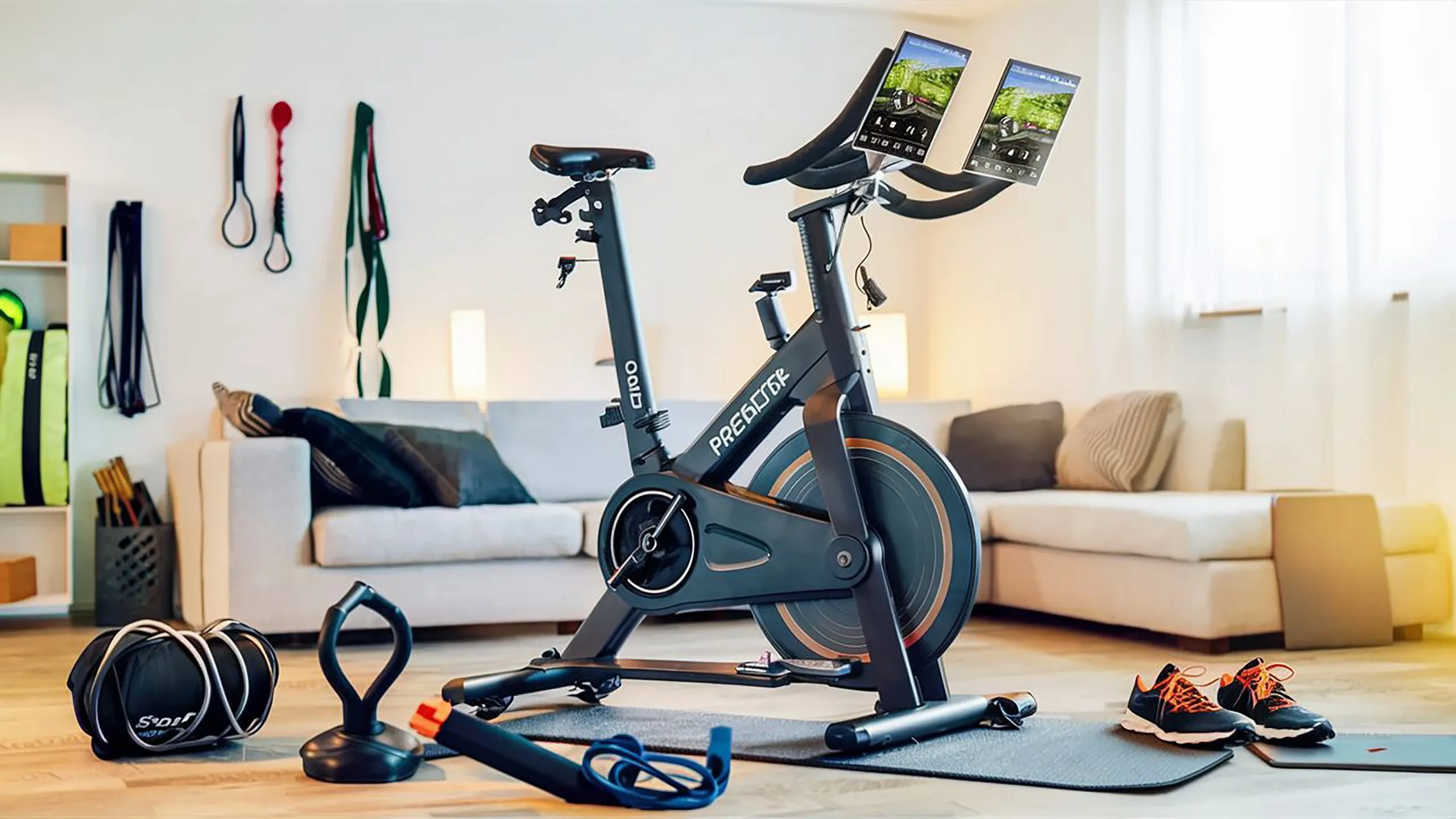
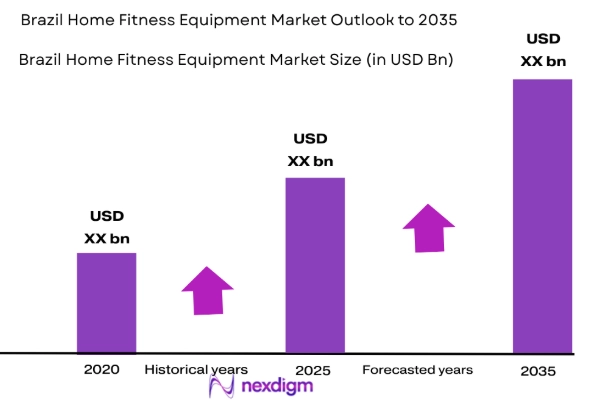
The Brazil Home Fitness Equipment market is valued at approximately USD ~ billion in 2025, driven by the rising health consciousness among consumers and a growing preference for home-based fitness solutions. This expansion is supported by the increasing penetration of e-commerce platforms, which offer convenient access to a wide variety of fitness products. Brazil’s market growth is also spurred by a shift in consumer behavior towards health and fitness, further accelerated by the COVID-19 pandemic, which led to a surge in home fitness investments.
Brazil’s home fitness equipment market is primarily dominated by key cities such as São Paulo, Rio de Janeiro, and Brasília. São Paulo holds the largest share due to its urbanization, high-income levels, and fitness culture, making it a hotspot for fitness equipment sales. Rio de Janeiro follows closely, with a robust fitness-oriented population, and Brasília is a growing market, driven by government initiatives aimed at promoting health and fitness in the capital. The presence of large fitness chains and wellness centers in these regions also contributes to their dominance in the market.
Market Segmentation
By Product Type
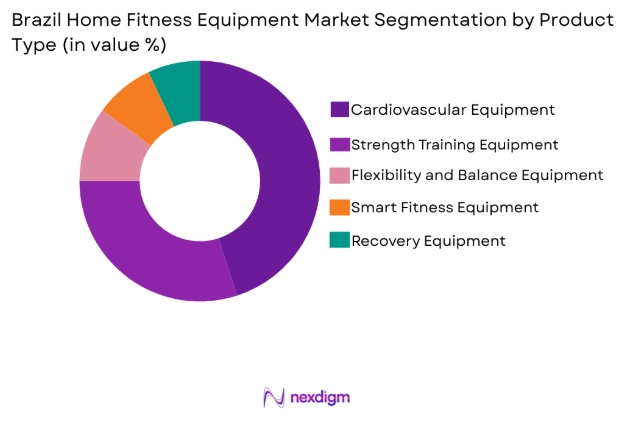
The Brazil Home Fitness Equipment market is segmented by product type, which includes cardiovascular equipment, strength training equipment, flexibility and balance equipment, smart fitness equipment, and recovery equipment. Cardiovascular equipment holds a dominant share in Brazil due to its widespread use and long-standing popularity among Brazilian consumers. Treadmills, exercise bikes, and rowing machines continue to be the go-to equipment for home fitness enthusiasts. The preference for cardiovascular equipment stems from its ability to deliver effective workouts that cater to various fitness levels and its integration with fitness apps and devices.
By Distribution Channel
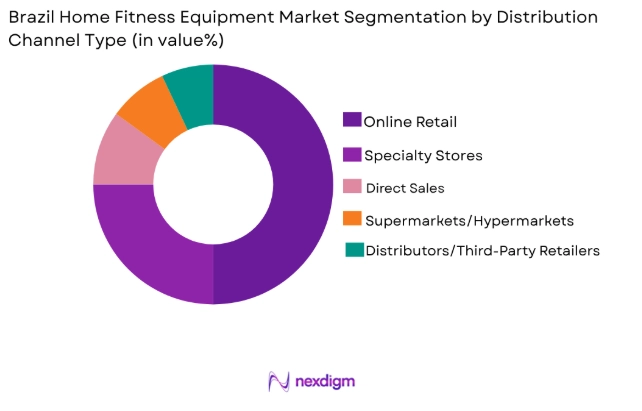
The market is also segmented by distribution channel, which includes online retail, specialty stores, direct sales, supermarkets/hypermarkets, and distributors/third-party retailers. Online retail continues to dominate the market, accounting for the largest share due to its convenience, wide reach, and ability to offer a variety of products with competitive pricing. The expansion of online platforms such as Amazon Brazil and Mercado Livre has further amplified this trend. Consumers prefer the ease of shopping from home and the added benefit of direct-to-door delivery.
Competitive Landscape
The Brazil Home Fitness Equipment market is highly competitive, dominated by both international and domestic brands. Major players in the market include companies like Technogym, Life Fitness, Nautilus, ICON Health & Fitness, and Johnson Health Tech. These companies hold a significant market share due to their strong brand presence, extensive distribution networks, and the trust they’ve built over years in the fitness equipment industry. The market also features several local brands, but global companies lead in terms of advanced technology integration and product innovation.
| Company | Year Established | Headquarters | Revenue (2024) | Product Range | Market Reach | Technological Innovations | Brand Loyalty |
| Technogym | 1983 | Cesena, Italy | ~ | ~ | ~ | ~ | ~ |
| Life Fitness | 1968 | Rosemont, USA | ~ | ~ | ~ | ~ | ~ |
| Nautilus | 1986 | Vancouver, USA | ~ | ~ | ~ | ~ | ~ |
| ICON Health & Fitness | 1977 | Logan, USA | ~ | ~ | ~ | ~ | ~ |
| Johnson Health Tech | 1975 | Taiwan | ~ | ~ | ~ | ~ | ~ |
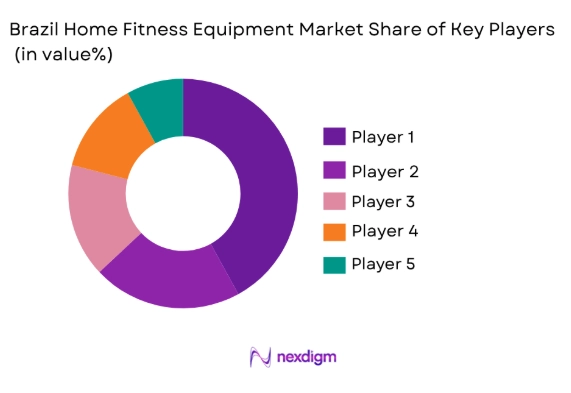
Brazil Home Fitness Equipment Market Analysis
Growth Drivers
Rising Health Consciousness
In Brazil, rising health consciousness among consumers has become a major driver of the home fitness equipment market. The country’s obesity rate has been steadily increasing, with the prevalence of obesity among Brazilian adults reaching 27.9% in 2022, according to the World Health Organization (WHO). This has led to an increased focus on health and wellness, with consumers increasingly adopting fitness regimes to counter health issues related to obesity, such as diabetes and cardiovascular diseases. The government’s public health initiatives, such as the National Health Promotion Policy, also encourage physical activity among Brazilians, further driving the demand for fitness products. According to the Brazilian Ministry of Health, approximately 50 million Brazilians are involved in some form of physical activity. This growing trend towards health consciousness is fueling the demand for home fitness solutions.
Increasing Fitness Awareness and Lifestyle Changes
Fitness awareness in Brazil has significantly increased in recent years, leading to a shift in lifestyle preferences. The 2023 National Health Survey (PNS) revealed that 32% of Brazilian adults engage in regular physical activity, up from 28% in 2022. This growing awareness of the importance of physical health is also reflected in the increasing number of gym memberships across the country. Additionally, the Brazilian government has rolled out multiple initiatives focused on increasing public participation in sports and physical activities. For instance, the “Agita São Paulo” program, aimed at promoting physical activity, has been successful in improving community participation in fitness. Furthermore, Brazil’s urbanization rate, which stands at approximately 87.5% in 2024, is influencing lifestyle changes, with more people adopting fitness routines that can be practiced at home. This trend is driving the demand for home fitness equipment, as more individuals opt for convenient, accessible, and flexible fitness solutions.
Market Challenges
High Initial Costs of Smart Equipment
While the demand for smart fitness equipment is growing, the high initial costs remain a significant barrier for many consumers in Brazil. In 2023, the average cost of a smart treadmill in Brazil was over BRL 8,000 (approximately USD 1,500), while traditional models were priced around BRL 3,000 (USD 550). The disparity in prices between traditional and smart equipment poses a challenge for price-sensitive consumers. Additionally, the Brazilian inflation rate, which stood at 6.3% in 2023, has led to increased costs for raw materials, making fitness equipment more expensive. This, combined with the higher import duties on electronic goods, results in higher prices for advanced fitness technologies. Despite the increasing availability of financing options, the cost remains a barrier for widespread adoption of smart home fitness solutions among the broader Brazilian population.
Fragmented Consumer Preferences
Consumer preferences for fitness equipment in Brazil are highly fragmented, making it challenging for manufacturers and distributors to cater to the diverse needs of the population. While urban consumers in São Paulo and Rio de Janeiro prefer high-end, technologically advanced fitness equipment, those in smaller cities lean towards more affordable and traditional options, such as resistance bands and dumbbells. The variation in preferences is influenced by socio-economic factors, including income disparity and education levels. According to the 2023 National Health Survey, 40% of the population in lower-income regions do not engage in regular physical activity, often due to a lack of affordable and accessible fitness options. This fragmentation complicates marketing strategies and product offerings, requiring tailored solutions for different consumer segments across the country.
Opportunities
Increasing Adoption of Home Workouts
The adoption of home workouts has surged in Brazil, especially following the COVID-19 pandemic. With lockdowns and restrictions limiting access to gyms, many Brazilians turned to home-based fitness solutions, and this trend has continued into the post-pandemic era. According to a 2024 survey by the Brazilian Association of Fitness and Wellness, 60% of respondents reported that they continue to prefer home workouts, even after gyms reopened. This shift in preference is further fueled by the increasing number of Brazilians working from home, with remote work rising by 35% since 2020. The growing demand for fitness solutions that allow for flexibility, cost savings, and convenience presents a significant opportunity for the home fitness equipment market. Additionally, the expansion of e-commerce platforms has made it easier for consumers to access a wide range of home fitness equipment. This shift in consumer behavior suggests that the demand for home fitness products will continue to grow, especially as more individuals seek personalized and at-home fitness solutions.
Source: Brazilian Association of Fitness and Wellness
Growing Influence of Social Media Fitness Trends
Social media has become a powerful tool for promoting fitness trends in Brazil, with platforms like Instagram and YouTube playing a significant role in shaping consumer behavior. As of 2024, 80% of Brazilian internet users engage with fitness-related content on social media, with many following fitness influencers who share workout routines, tips, and reviews of fitness equipment. This growing influence of social media has spurred increased consumer interest in home fitness equipment, particularly in the fitness-tracking and smart equipment sectors. Brands are increasingly leveraging social media for targeted marketing campaigns, using influencer partnerships to drive consumer engagement and sales. This trend is expected to continue to grow as younger generations in Brazil, particularly Millennials and Gen Z, increasingly turn to social media for fitness inspiration.
Future Outlook
Over the next 5 years, the Brazil Home Fitness Equipment market is expected to experience steady growth driven by several key factors such as increasing health consciousness, the rise in urbanization, and technological advancements in fitness equipment. The demand for home-based fitness solutions continues to grow as more consumers opt for convenient, personalized fitness experiences. Additionally, the growing trend of online shopping for fitness products and services will likely support the market’s expansion. With innovation driving the development of smart and connected fitness devices, the market is poised to see significant improvements in terms of product offerings and consumer satisfaction.
Major Players
- Technogym
- Life Fitness
- Nautilus, Inc.
- ICON Health & Fitness
- Johnson Health Tech
- Bowflex (Nautilus, Inc.)
- NordicTrack
- Peloton
- Hammer Strength
- ProForm
- Matrix Fitness
- Sole Fitness
- Vision Fitness
- Reebok Fitness
- Cybex International
Key Target Audience
- Investments and Venture Capitalist Firms
- Government and Regulatory Bodies
- Retailers and Distributors
- Health and Fitness Companies
- Fitness Equipment Manufacturers
- E-commerce Platforms
- Corporate Wellness Providers
- Fitness Equipment Resellers
Research Methodology
Step 1: Identification of Key Variables
The first step involves identifying key variables that drive the market dynamics within the Brazil Home Fitness Equipment market. This step will use secondary research sources, including industry reports, company databases, and governmental publications. The objective is to establish an understanding of the major drivers, challenges, and market trends.
Step 2: Market Analysis and Construction
This step focuses on collecting historical data to build a comprehensive market model for Brazil’s home fitness equipment market. We will analyze product penetration, revenue generation, and other market determinants to form a detailed picture of the market’s past and current state.
Step 3: Hypothesis Validation and Expert Consultation
Through consultations with industry experts, stakeholders, and companies involved in the fitness equipment sector, we will validate and refine market hypotheses. Insights obtained from key players will help in refining projections and market insights.
Step 4: Research Synthesis and Final Output
The final research phase involves consolidating data obtained from various sources, conducting expert reviews, and finalizing the report. This ensures that the final analysis is thorough, accurate, and reflects the true state of the Brazil Home Fitness Equipment market.

- Executive Summary
- Research Methodology (Market Definitions and Assumptions, Abbreviations, Market Sizing Approach, Consolidated Research Approach, Understanding Market Potential Through In-Depth Industry Interviews, Primary Research Approach, Limitations and Future Conclusions)

- Definition and Scope
- Market Genesis and Evolution
- Business Cycle
- Supply Chain and Value Chain Analysis
- Economic Impact and Contribution of Home Fitness Equipment
- Consumer Behavior Trends and Preferences in Fitness

- Growth Drivers
Rising Health Consciousness
Increasing Fitness Awareness and Lifestyle Changes
- Market Challenges
High Initial Costs of Smart Equipment
Fragmented Consumer Preferences - Opportunities
Increasing Adoption of Home Workouts
Growing Influence of Social Media Fitness Trends - Trends
Integration of Artificial Intelligence (AI) in Home Fitness
Shift Towards Personalized Fitness Solutions - Government Regulation
Certification Standards for Fitness Equipment
Taxation and Import Tariffs - SWOT Analysis
- Porter’s Five Forces Analysis
- Competitive Landscape and Market Concentration

- By Value, 2020-2025
- By Volume, 2020-2025
- By Average Price, 2020-2025
- By Product Type, 2020-2025
- By Distribution Channel, 2020-2025

- By Product Type, (In Value %)
Cardiovascular Equipment
Strength Training Equipment
Flexibility and Balance Equipment
Smart Fitness Equipment
Recovery Equipment - By Application, (In Value %)
Residential Usage
Commercial Gyms and Fitness Centers
Health Clubs and Spas
Corporate Wellness Programs - By Distribution Channel, (In Value %)
Online Retail
Specialty Stores
Direct Sales
Supermarkets/Hypermarkets
Distributors and Third-Party Retailers - By Region, (In Value %)
Southeast Region
South Region
North Region
Northeast Region
Central-West Region - By Technology, (In Value %)
Non-Smart Equipment
Smart and Connected Equipment

- Market Share of Major Players by Value/Volume
- Cross Comparison Parameters (Company Overview, Business Strategies, Market Reach, Product Range, Key Collaborations, Recent Developments, Distribution Networks, Revenue Streams, Innovations, Sustainability Initiatives, Pricing Strategy, Brand Positioning)
- SWOT Analysis of Key Competitors
- Pricing Analysis by Product Categories for Major Players
- Detailed Profiles of Major Companies
Technogym
Life Fitness
Precor
Nautilus, Inc.
Bowflex
NordicTrack
Peloton
Hammer Strength
ICON Health & Fitness
ProForm
Johnson Health Tech
Matrix Fitness
Sole Fitness
Vision Fitness
Reebok Fitness

- Market Demand and Utilization
- Consumer Buying Behavior and Preferences
- Pricing Sensitivity Analysis
- Needs and Desires of Key Consumer Segments
- Regulatory and Compliance Requirements
- Decision-Making Process of Consumers

- By Value, 2026-2035
- By Volume, 2026-2035
- By Average Price, 2026-2035
- By Market Segment, 2026-2035


 Request a Sample
 Ask for Customization
 Get a Quote
 Enquire Now