
 Download PDF
Market Overview
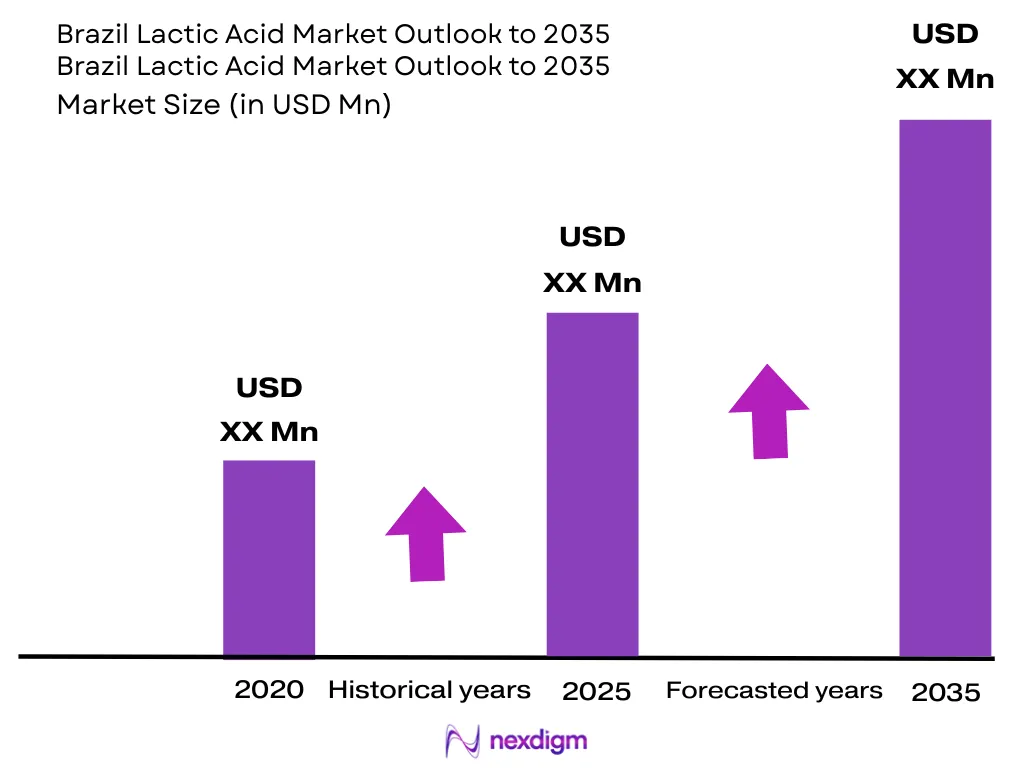
The Brazil Lactic Acid Market was valued at USD ~ Million in 2024 and is anticipated to expand at a CAGR of ~% during 2026–2035. The market is primarily driven by the country’s abundant sugarcane feedstock base, growing demand for natural acidulants and preservatives in food and beverage manufacturing, and expanding applications in personal care, pharmaceuticals, and biodegradable plastics. According to Grand View Research, the Brazil lactic acid market generated revenue of USD 57.9 million in 2023 and is projected to reach USD 97.9 million by 2030, growing at a CAGR of 7.8% from 2024 to 2030, with Brazil accounting for approximately 1.7% of the global lactic acid market in 2023. Brazil leads the South America lactic acid market with a 48.09% revenue share in 2024, according to Mordor Intelligence, reflecting the country’s position as the region’s largest sugarcane producer and its well-established fermentation-based industrial base.
Market Segmentation
By Raw Material
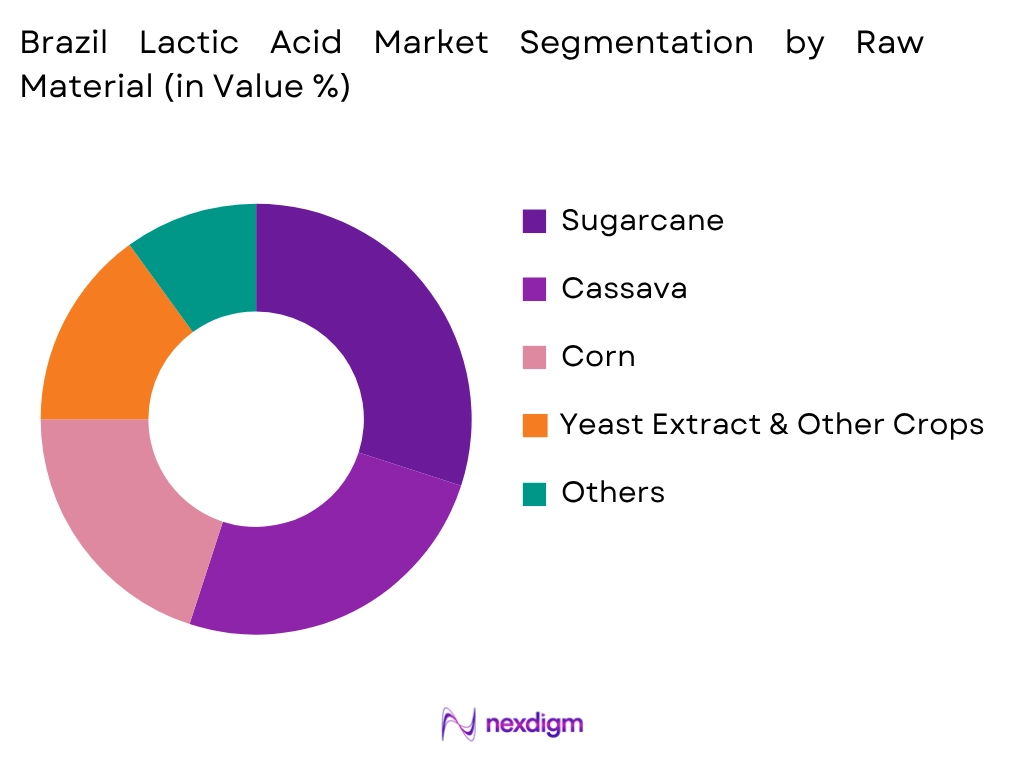
Among these, Sugarcane is the dominant raw material segment in the Brazil Lactic Acid Market, accounting for 38.51% of revenue in 2023, according to Grand View Research, owing to Brazil’s position as the world’s largest sugar-producing country, having produced 42 million metric tons of sugar and over 700 million tons of sugarcane in recent harvests. Companies such as Raízen S.A., one of the world’s largest sugarcane processors, exemplify the country’s capacity to integrate lactic acid fermentation with existing large-scale sugarcane, ethanol, and sugar operations. Cassava is the fastest-growing raw material segment, benefiting from its wide cultivation across Brazil and its suitability as a fermentation substrate. However, feedstock costs have faced upward pressure, as the 2025/26 sugarcane harvest is projected to decline by 2% compared to the previous season due to a 2.3% drop in productivity caused by drought conditions in key producing regions, while the rapid expansion of corn ethanol production, with 25 operational plants competing for corn feedstock, is further intensifying competition for fermentable sugars.
By Application
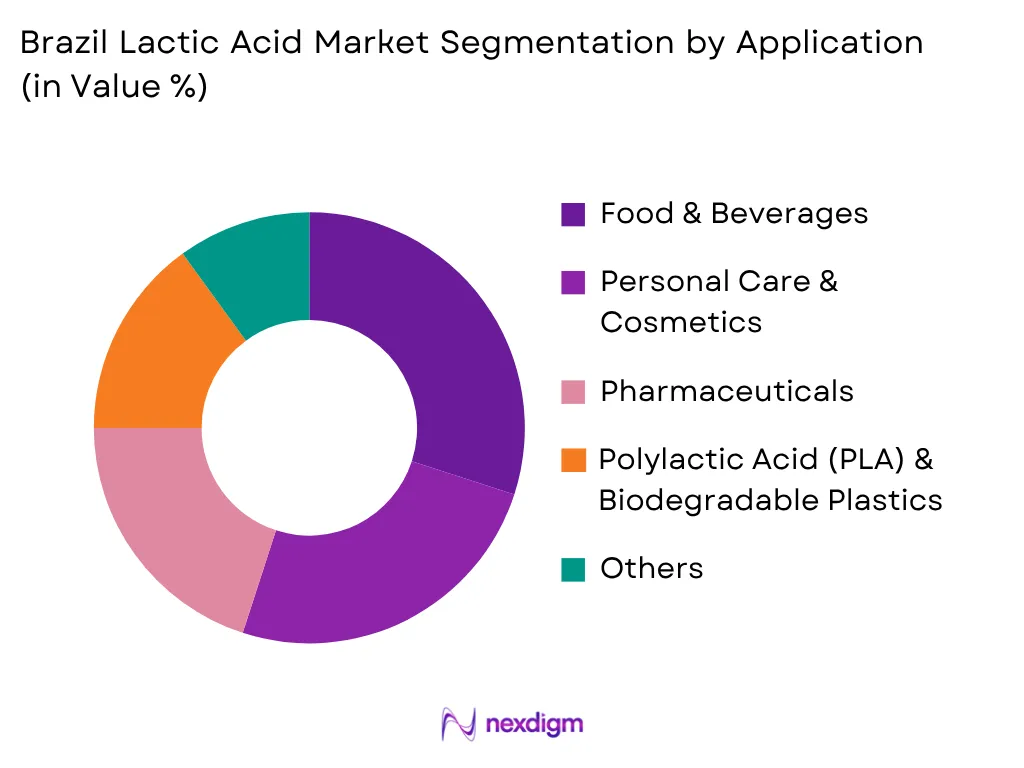
The Food & Beverages segment commands the largest share of the Brazil Lactic Acid Market, accounting for 70.44% of the South America lactic acid market in 2024, according to Mordor Intelligence, driven by lactic acid’s effectiveness as a natural preservative, pH regulator, and shelf-life extender across bakery, dairy, beverage, and plant-based food applications. Brazilian bakery manufacturers are increasingly adopting lactic acid-based solutions, including derivatives such as Corbion’s PURACAL PP, to combat foodborne pathogens while reducing acrylamide formation during baking, aligning with both food safety and clean-label objectives. The Personal Care & Cosmetics segment is the fastest-growing application, expanding at a 9.48% CAGR through 2030, supported by Brazil’s large cosmetics and personal care industry, which represents approximately 1.8% of the country’s GDP and continues to see rising demand for skincare products among working women, further reinforced by increasing use of lactic acid as an exfoliating and moisturising ingredient.
Competitive Landscape
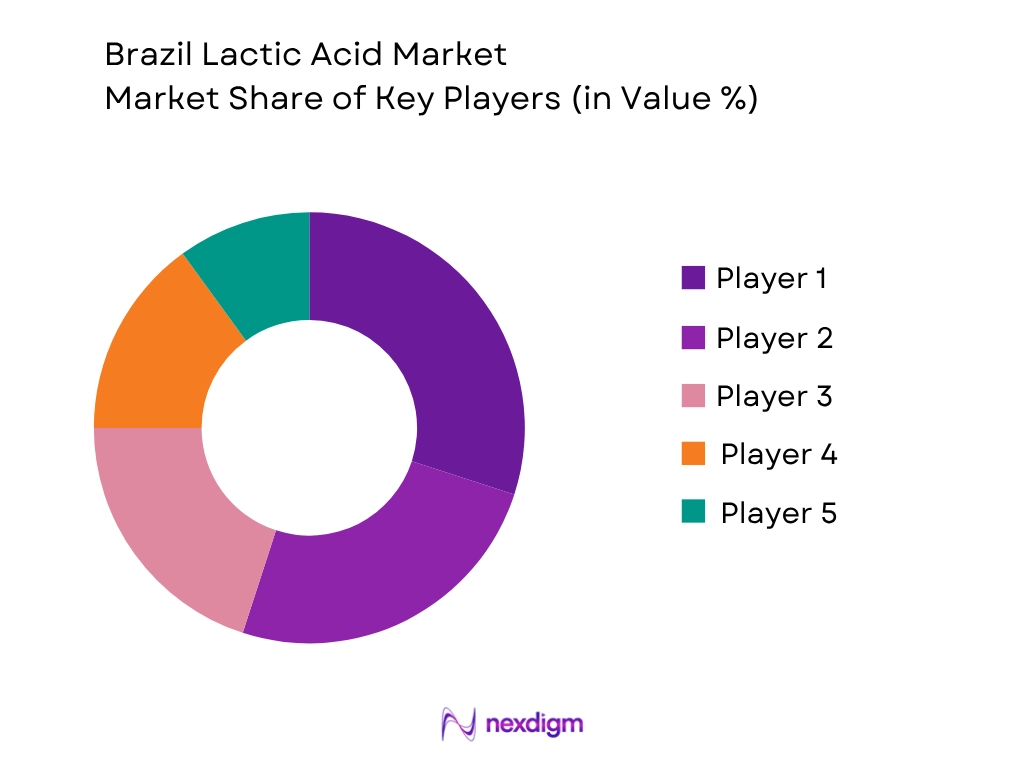
The Brazil Lactic Acid Market is moderately consolidated, combining multinational fermentation technology leaders with genuine domestic producers and distributors integrated into the country’s sugarcane and agro-industrial value chain. Corbion N.V., operating in Brazil through its registered subsidiary Corbion Produtos Renováveis Ltda., maintains a strong presence across food, pharmaceutical, and industrial lactic acid grades. Domestic players such as Raízen S.A. leverage existing sugarcane processing infrastructure to support lactic acid and fermentation-based production, while PharmaSpecial Especialidades Químicas e Farmacêuticas Ltda., a family-owned distributor founded in 1991 and acquired by Brenntag in 2024, supplies lactic acid, glycolic acid, and related specialty ingredients to pharmaceutical and personal care manufacturers. Global producers including Cargill, Incorporated and Galactic S.A., which operates a dedicated Brazil sales office focused on the Latin American market, compete on fermentation technology, product purity, and integrated feedstock sourcing.
| Company | Establishment Year | Headquarters | Primary Product Portfolio | Lactic Acid Portfolio
|
Manufacturing Presence | Major End-Use Industries | Key Strategic Focus | Certifications & Compliance |
| Corbion Produtos Renováveis Ltda. (Corbion N.V.) | 1919 | ~ | ~ | ~ | ~ | ~ | ~ | ~ |
| PharmaSpecial Especialidades Químicas e Farmacêuticas Ltda. | 1991 | ~ | ~ | ~ | ~ | ~ | ~ | ~ |
| Raízen S.A. | 2011 | ~ | ~ | ~ | ~ | ~ | ~ | ~ |
| Galactic S.A. | 1994 | ~ | ~ | ~ | ~ | ~ | ~ | ~ |
| Cargill, Incorporated | 1865 | ~ | ~ | ~ | ~ | ~ | ~ | ~ |
Brazil Lactic Acid Market Analysis
Growth Drivers
Abundant Sugarcane Feedstock and Established Fermentation Infrastructure
The Brazil lactic acid market is experiencing sustained growth due to the country’s position as the world’s largest sugar producer, having produced 42 million metric tons of sugar in recent years, providing a cost-effective and abundant feedstock base for fermentation-based lactic acid production. Sugarcane accounted for 38.51% of Brazil’s lactic acid market revenue by raw material in 2023, according to Grand View Research, reflecting the structural advantage created by the country’s large-scale sugarcane agriculture and processing infrastructure. Companies such as Raízen S.A., which operates 35 ethanol, sugar, and bioenergy plants with a combined crushing capacity exceeding 100 million tonnes of sugarcane per year, illustrate the scale of infrastructure available to support fermentation-based lactic acid production as a complementary or co-product stream. This existing agro-industrial base substantially lowers the capital intensity required for lactic acid producers to establish or expand operations in Brazil relative to markets lacking comparable feedstock infrastructure.
Regulatory Support for Natural Acidulants in Plant-Based and Clean-Label Foods
Brazil’s evolving regulatory framework for plant-based foods is a significant driver for lactic acid adoption as a natural acidulant and preservative. Regulatory bodies including ANVISA (the National Health Surveillance Agency) and MAPA (the Ministry of Agriculture, Livestock and Supply) are actively refining frameworks for plant-based products, establishing clear minimum identity and quality standards while mandating labelling that distinguishes plant-based from animal-based products. This regulatory shift is fostering standardised demand for natural preservatives, with lactic acid emerging as a key solution for pH control and shelf-life extension across plant-based meat alternatives, dairy substitutes, and fermented products, according to Mordor Intelligence. Brazilian bakery manufacturers are increasingly adopting lactic acid-based solutions that combat foodborne pathogens such as E. coli and Salmonella through dual pH-reduction and antimicrobial mechanisms, while simultaneously meeting consumer demand for clean-label formulations that avoid synthetic preservatives.
Market Challenges
Feedstock Price Volatility and Competition from Corn Ethanol Production
Brazilian lactic acid producers are facing significant margin pressures due to feedstock price instability, driven by heightened volatility in agricultural commodity markets influenced by climate and policy factors, according to Mordor Intelligence. Sugarcane production has come under strain from adverse weather conditions, with the 2025/26 harvest projected to decline by 2% compared to the previous season despite a stable cultivation area, attributed to a 2.3% drop in productivity caused by drought conditions in key producing regions. Simultaneously, the rapid expansion of corn ethanol production is intensifying competition for corn feedstocks, with Brazil’s corn consumption expected to reach 3,464 million bushels in 2024/25 as 25 operational ethanol plants compete with traditional feed, food, and fermentation applications for available corn supply, creating upward pressure on feedstock costs for lactic acid manufacturers reliant on both sugarcane- and corn-derived substrates.
Limited Domestic High-Purity Production Capacity
Despite Brazil’s strong feedstock advantages, the country’s domestic production capacity for high-purity, pharmaceutical- and cosmetic-grade lactic acid remains limited relative to global leaders such as the United States, China, and parts of Europe, resulting in continued reliance on imports for specialty and high-purity grades. Global trade data indicates that Brazil ranks third among lactic acid exporting countries by shipment volume for certain premium branded products, behind Thailand and Spain, reflecting the country’s position as a growing but not yet dominant participant in higher-value segments of the global lactic acid trade. This capacity gap exposes Brazilian food, pharmaceutical, and personal care manufacturers to currency fluctuation risk and import logistics costs when sourcing specialty lactic acid grades not yet produced at scale domestically, even as the country’s base sugarcane-derived lactic acid production continues to expand.
Market Opportunities
Domestic PLA Bioplastics and Sugarcane Bagasse Valorisation
Rising global and domestic demand for biodegradable plastics presents a substantial opportunity for Brazilian lactic acid producers to expand into polylactic acid (PLA) manufacturing, building on the country’s existing sugarcane processing infrastructure. Polylactic acid accounted for approximately 34.6% of the total global lactic acid market share in 2025, according to IMARC Group, driven by increasing use in sustainable packaging, disposable products, and biodegradable materials. Brazil’s growing second-generation (2G) ethanol capabilities, exemplified by Raízen’s cellulosic ethanol facilities that convert sugarcane bagasse and straw into additional fermentable feedstock, present a parallel opportunity for lactic acid producers to valorise similar agro-industrial residues, reducing feedstock costs while strengthening the sustainability profile of domestically produced lactic acid and PLA.
Growth of Personal Care, Cosmetics, and Pharmaceutical Applications
Brazil’s large personal care and cosmetics industry, which represents approximately 1.8% of the country’s GDP, presents a significant opportunity for lactic acid producers, with the segment forecast to grow at a 9.48% CAGR through 2030, the fastest of any application category in the South America lactic acid market, according to Mordor Intelligence. Rising demand for personal care products among working women, combined with growing pharmaceutical sector activity driven by economic growth and rapid industrialisation, is expected to sustain demand for pharmaceutical- and cosmetic-grade lactic acid. Distributors such as PharmaSpecial, now part of Brenntag’s Life Science network following its 2024 acquisition, are well positioned to serve this growth through established relationships with national compounding pharmacies and personal care manufacturers, supplying lactic acid alongside complementary specialty ingredients such as glycolic acid and isopropyl alcohol.
Future Outlook
The Brazil Lactic Acid Market is expected to witness steady expansion over the forecast period, supported by the country’s abundant and diversifying feedstock base, continued regulatory refinement around plant-based and clean-label foods by ANVISA and MAPA, and rising demand across food and beverage, personal care, and bioplastics applications. Growing investment in second-generation fermentation technologies and sugarcane bagasse valorisation will further strengthen the sustainability and cost profile of domestic lactic acid production. The market is also likely to benefit from Brazil’s position as the largest lactic acid market in South America, even as producers continue to navigate feedstock price volatility, competition from corn ethanol production for fermentable sugars, and continued reliance on imports for certain high-purity specialty grades.
Major Players
- Corbion N.V.
- Cargill, Incorporated
- NatureWorks LLC
- Galactic S.A.
- BASF SE
- DuPont de Nemours, Inc.
- Jungbunzlauer Suisse AG
- Henan Jindan Lactic Acid Technology Co., Ltd.
- TotalEnergies Corbion
- Musashino Chemical Laboratory Ltd.
- Godavari Biorefineries Ltd.
- Raízen S.A.
- PharmaSpecial Especialidades Químicas e Farmacêuticas Ltda.
- Purac Sanofi
- Vigon International Inc. (Azelis Americas LLC)
Key Target Audience
- Lactic Acid Manufacturers
- Food & Beverage Processing Companies
- Personal Care and Cosmetics Manufacturers
- Pharmaceutical Manufacturers
- Bioplastics and Packaging Manufacturers
- Investment and Venture Capitalist Firms
- Government and Regulatory Bodies (Agência Nacional de Vigilância Sanitária (ANVISA), Ministério da Agricultura, Pecuária e Abastecimento (MAPA))
- Specialty Chemical Distributors and Industrial Raw Material Suppliers
Research Methodology
Step 1: Identification of Key Variables
The research process begins with identifying the complete ecosystem of the Brazil Lactic Acid Market, including raw material and feedstock suppliers, lactic acid manufacturers, specialty chemical distributors, end-use manufacturers, and regulatory authorities. Extensive secondary research is conducted using company annual reports, government publications, trade associations, customs statistics, industry journals, and proprietary databases to determine the variables influencing market demand, pricing, production, consumption, and technological developments.
Step 2: Market Analysis and Construction
Historical market information is collected and analysed to estimate market size, production volumes, import-export activity, application-wise demand, and pricing trends. A combination of top-down and bottom-up approaches is used to estimate market revenues and validate segment-level performance. Consumption patterns across food and beverages, personal care, pharmaceuticals, and bioplastics are evaluated to establish an accurate representation of the industry.
Step 3: Hypothesis Validation and Expert Consultation
The preliminary findings are validated through Computer-Assisted Telephone Interviews (CATIs) and structured discussions with lactic acid manufacturers, procurement managers, distributors, food technologists, regulatory experts, and senior executives operating within the Brazilian food, pharmaceutical, and industrial chemicals industries. These interviews help verify market assumptions, competitive developments, technology adoption trends, pricing dynamics, and future investment opportunities while refining the overall market estimates.
Step 4: Research Synthesis and Final Output
The final stage integrates insights obtained from primary interviews with quantitative information collected through secondary sources. Data triangulation techniques are applied to reconcile differences between supply-side and demand-side estimates, ensuring robust market forecasting. The report is then reviewed through multiple quality assurance checkpoints to deliver a comprehensive analysis covering market size, segmentation, competitive landscape, future outlook, and strategic recommendations for industry stakeholders.

- Executive Summary
- Research Methodology (Market Definitions and Assumptions, Abbreviations, Market Sizing Approach, Top-Down Analysis, Bottom-Up Analysis, Demand-Side Assessment, Supply-Side Assessment, Primary Industry Interviews, Secondary Research Validation, Data Triangulation, Forecasting Framework, Limitations and Future Conclusions)

- Definition and Scope
- Market Evolution and Industry Genesis
- Timeline of Major Industry Developments
- Lactic Acid Industry Value Chain Analysis
- Supply Chain Analysis

- Growth Drivers (Growing Clean Label Food Demand, Abundant Sugarcane Feedstock Availability, Expansion of Plant-Based Food Manufacturing, Rising Demand for Biodegradable Plastics, Growth of Personal Care and Cosmetics Sector, Regulatory Support for Natural Acidulants)
- Market Challenges (Feedstock Price Volatility, Competition from Corn Ethanol Production, Drought-Related Sugarcane Yield Declines, Limited Domestic High-Purity Production Capacity, Import Dependency for Specialty Grades, Currency Fluctuation Risk)
- Market Opportunities (Cassava-Based Lactic Acid Production, Domestic PLA Bioplastics Manufacturing, Sugarcane Bagasse Valorisation, Acrylamide Reduction Solutions for Bakery, Export-Oriented Lactic Acid Manufacturing, Clean Label Reformulation Projects)
- Market Trends (Replacement of Synthetic Preservatives, Growth of Plant-Based Meat Alternatives, Second-Generation Ethanol Co-Production Synergies, Rising Demand for Compostable Packaging, Natural Antimicrobial Adoption, Multi-Functional Acidulant Blends)
- Government Regulations (ANVISA Food Additive Regulations, MAPA Agricultural and Plant-Based Product Standards, Food Labelling Requirements, Maximum Permitted Usage Levels, Import Compliance, Cosmetic and Pharmaceutical Grade Standards)
- Import and Export Analysis (Trade Volume, Major Import Sources, Export Destinations, HS Code Analysis, Trade Balance)
- Raw Material Availability Analysis (Sugarcane Cultivation and Harvest Trends, Corn Feedstock Competition, Cassava Cultivation, Molasses and Bagasse Availability, Microbial Strains)
- Technology Landscape (Submerged Fermentation, Second-Generation (2G) Fermentation, Purification and Separation Technologies, Polymerisation Technologies for PLA, Continuous Fermentation Processes)
- Sustainability Assessment (Renewable Sugarcane Feedstocks, Bagasse and Waste Valorisation, Carbon Footprint Reduction, Biodegradable Packaging Alignment, Energy-Efficient Fermentation)
- PESTLE Analysis
- SWOT Analysis
- Porter’s Five Forces Analysis
- Stakeholder Ecosystem
- Competition Ecosystem

- By Market Value (2020-2025)
- By Volume Consumption (2020-2025)
- By Average Selling Price (2020-2025)

- By Raw Material (In Value %)
Sugarcane
Corn
Cassava
Other Crops (Molasses and Agro-Industrial Waste) - By Application (In Value %)
Food & Beverages
Personal Care & Cosmetics
Pharmaceuticals
Polylactic Acid (PLA) & Bioplastics
Industrial Applications (Solvents, Cleaning Agents and Coatings)
Animal Feed - By Distribution Channel (In Value %)
Direct Sales to Manufacturers
Ingredient and Specialty Chemical Distributors
Industrial Raw Material Suppliers
Online B2B Ingredient Platforms - By End User (In Value %)
Food & Beverage Manufacturers
Personal Care and Cosmetics Manufacturers
Pharmaceutical Manufacturers
Bioplastics and Packaging Manufacturers
Industrial and Chemical Manufacturers - By Region (In Value %)
Southeast Brazil
South Brazil
Northeast Brazil
Central-West Brazil
North Brazil

- Market Share of Major Players (By Value, Volume, Raw Material Source, Application Industry, Product Category)
- Cross Comparison Parameters (Product Portfolio Breadth, Feedstock Integration Capability, Purity and Grade Range, Application Technical Support Capability, Manufacturing Capacity, Regulatory Compliance & Certifications, Customer Base Across Industries, Innovation & New Product Launch Frequency)
- SWOT Analysis of Major Players
- Pricing Analysis by Product Category and Grade
- Production Capacity Analysis
- Manufacturing Footprint Analysis
- Distribution Network Analysis
- Innovation Benchmarking
- Detailed Profiles of Major Companies
Corbion N.V.
Cargill, Incorporated
NatureWorks LLC
Galactic S.A.
BASF SE
DuPont de Nemours, Inc.
Jungbunzlauer Suisse AG
Henan Jindan Lactic Acid Technology Co., Ltd.
TotalEnergies Corbion
Musashino Chemical Laboratory Ltd.
Godavari Biorefineries Ltd.
Raízen S.A.
PharmaSpecial Especialidades Químicas e Farmacêuticas Ltda.
Purac Sanofi
Vigon International Inc. (Azelis Americas LLC)

- Consumption Pattern Analysis (Industrial Usage, Batch Size, Product Category Penetration, Seasonal Demand, Reformulation Activity)
- Purchasing Criteria (Purity and Optical Activity, Regulatory Compliance, Cost Efficiency, Thermal Stability, Supply Consistency, Shelf Life)
- Procurement and Supplier Selection Analysis
- Clean Label Adoption Assessment
- Premium vs Conventional Product Demand
- Product Attribute Preference Analysis (Purity Level, L(+)/D(-) Isomer Ratio, Thermal Tolerance, Sensory Neutrality, Natural Origin, Label Friendliness)
- Consumer Health & Wellness Influence on Product Development
- Pain Point Analysis
- Decision-Making Process

- By Market Value (2026-2035)
- By Volume Consumption (2026-2035)
- By Average Selling Price (2026-2035)


 Request a Sample
 Ask for Customization
 Get a Quote
 Enquire Now