
 Download PDF
 Download PDF
Market Overview
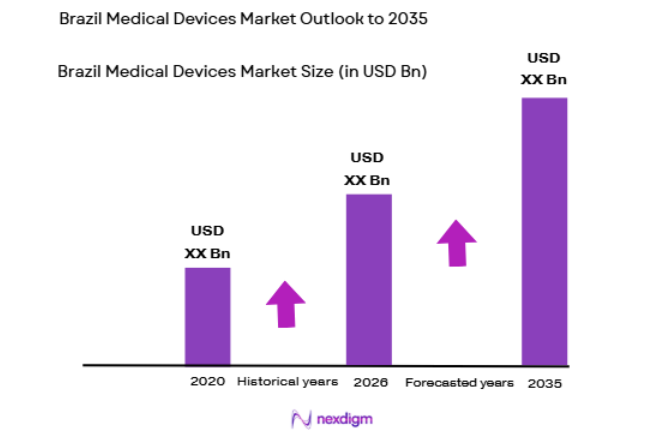
The Brazil medical devices market is valued at approximately USD ~ billion based on a recent historical assessment. The market is primarily driven by the increasing healthcare demands, supported by an expanding elderly population, rising prevalence of chronic diseases, and advancements in medical technologies. Government investments in healthcare infrastructure, along with the growth of private healthcare providers, are also contributing to the expansion of this market. Furthermore, the adoption of modern healthcare technologies in diagnostics and treatment is further fueling the growth of Brazil’s medical device industry.
Dominant cities such as São Paulo, Rio de Janeiro, and Brasília are at the forefront of Brazil’s medical device sector due to their high population density, economic significance, and strong healthcare infrastructure. These cities benefit from a concentration of hospitals, medical research institutions, and a skilled workforce. São Paulo, in particular, is known for being the country’s economic hub, which has encouraged significant investments in healthcare technology and innovation, solidifying its position as the epicenter for the medical device market in Brazil.
Market Segmentation
By Product Type
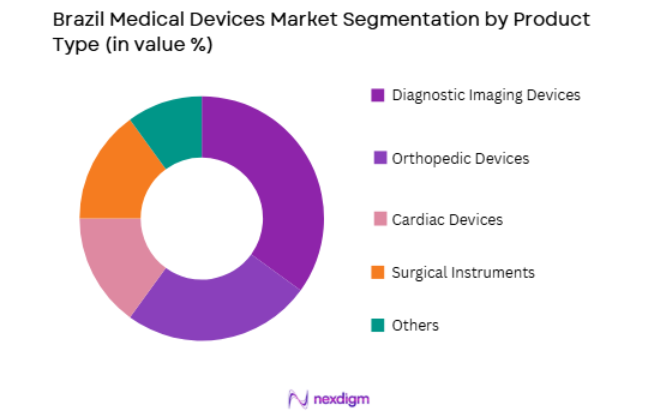
Brazil’s medical devices market is segmented by product type into diagnostic imaging devices, orthopedic devices, cardiac devices, surgical instruments, and others. Recently, diagnostic imaging devices have dominated the market share due to the increasing demand for early diagnosis and non-invasive procedures. The growth of Brazil’s healthcare infrastructure, particularly in urban centers, has driven the adoption of advanced imaging technologies, such as MRI, CT scanners, and X-ray machines, which are essential in hospitals and diagnostic centers. The increasing prevalence of conditions like cancer, cardiovascular diseases, and neurological disorders has further fueled the demand for diagnostic imaging devices, leading to their dominance in the market.
By End-User
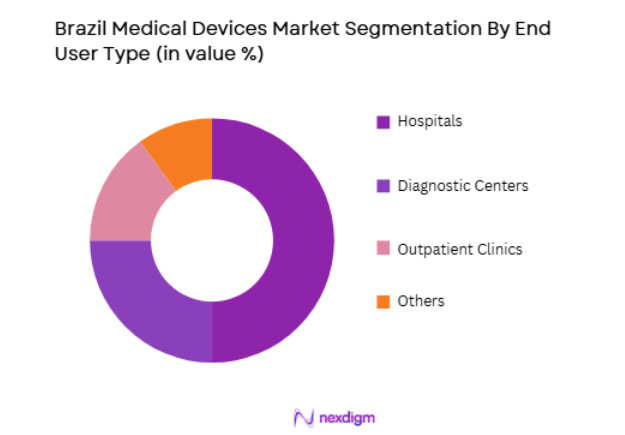
Brazil’s medical devices market is segmented by end-user into hospitals, diagnostic centers, outpatient clinics, and others. Recently, hospitals have dominated the market share due to the increasing demand for specialized medical treatments, surgeries, and advanced diagnostic services. Brazil’s large public and private hospital networks, particularly in major cities, are expanding rapidly, with advanced medical equipment required to cater to a growing patient population. Hospitals offer a wide range of services, including critical care, surgeries, and diagnostics, all of which rely heavily on medical devices. The ongoing modernization of healthcare facilities, particularly in urban areas, has driven the dominance of hospitals as key end-users in the medical device market.
Competitive Landscape
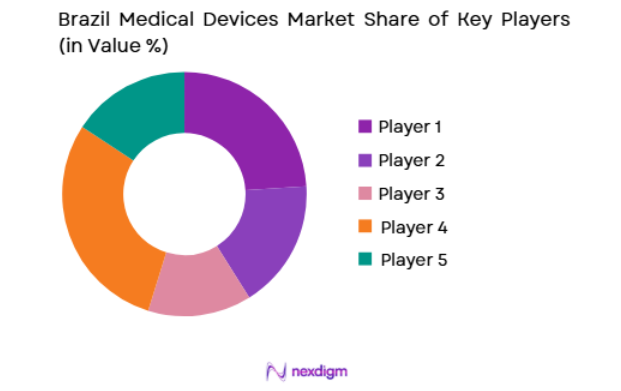
The competitive landscape of Brazil’s medical devices market is marked by the presence of both local and international players. The market has seen substantial consolidation, with large multinational companies acquiring smaller, regional players to expand their reach. These players are increasingly focusing on the integration of advanced technologies such as AI-driven diagnostics, robotics, and minimally invasive surgical devices. Key factors influencing the market include brand presence, technology innovation, regulatory compliance, and the ability to meet the growing demand for high-quality medical products in the region.
| Company Name | Establishment Year | Headquarters | Technology Focus | Market Reach | Key Products | Revenue | Additional Parameter |
| Philips Healthcare | 1891 | Amsterdam, Netherlands | ~ | ~ | ~ | ~ | ~ |
| Siemens Healthineers | 1847 | Erlangen, Germany | ~ | ~ | ~ | ~ | ~ |
| GE Healthcare | 1892 | Chicago, USA | ~ | ~ | ~ | ~ | ~ |
| DUSA Medical Devices | 1994 | São Paulo, Brazil | ~ | ~ | ~ | ~ | ~ |
| Johnson & Johnson Medical | 1886 | New Brunswick, USA | ~ | ~ | ~ | ~ | ~ |
Brazil Medical Devices Market Analysis
Growth Drivers
Increase in Chronic Diseases
The increasing prevalence of chronic diseases in Brazil serves as a significant growth driver for the medical devices market. With a rising number of patients diagnosed with chronic conditions such as diabetes, cardiovascular diseases, and cancer, the demand for medical devices, including diagnostic imaging, cardiac devices, and orthopedic solutions, is rapidly growing. As Brazil’s population ages, the need for medical devices in both diagnosis and treatment will continue to expand. The Brazilian healthcare system is under pressure to provide timely and effective care for chronic conditions, leading to an increased adoption of advanced medical technologies. Additionally, government initiatives to improve healthcare infrastructure and access to treatments will contribute to the growth of medical device adoption across the country. These factors collectively position chronic diseases as one of the key drivers in Brazil’s medical devices market, pushing for more innovation in both public and private healthcare sectors.
Government Healthcare Initiatives
The Brazilian government’s focus on improving healthcare infrastructure is another major growth driver for the medical devices market. Through increased investments in healthcare facilities, particularly in underserved regions, Brazil is modernizing its healthcare system. Public-private partnerships and government-funded projects are enabling healthcare providers to access advanced medical devices and technologies that improve treatment outcomes. The introduction of initiatives to improve maternal and child health, combat infectious diseases, and expand access to healthcare services in remote areas is expected to drive further demand for medical devices. Moreover, the government’s efforts to standardize healthcare delivery and regulate medical devices ensure a steady market for both domestic and international manufacturers, fostering industry growth and increasing market opportunities.
Market Challenges
Regulatory and Compliance Issues
One of the major challenges facing Brazil’s medical devices market is navigating the complex regulatory environment. The National Health Surveillance Agency (ANVISA) governs the approval, registration, and monitoring of medical devices in Brazil. Medical device manufacturers must comply with stringent regulations regarding product safety, quality, and efficacy, which can be time-consuming and costly. Furthermore, the regulatory environment is subject to change, requiring companies to continuously adapt to new policies. These regulatory hurdles can delay product launches, increase compliance costs, and create barriers to entry for smaller players. Additionally, regulatory inconsistencies across different regions of Brazil further complicate the process, making it difficult for companies to streamline operations and expand their presence in the market.
High Cost of Medical Devices
The high cost of medical devices remains a significant challenge for both healthcare providers and patients in Brazil. While the country’s private sector has seen significant growth, many healthcare institutions struggle with budget constraints, particularly in the public healthcare system. The high prices of advanced medical devices limit their accessibility, especially in rural and underserved areas, where lower-cost options are in demand. Despite efforts to reduce costs through local manufacturing and regulatory reforms, the price of high-tech medical equipment continues to be a barrier to widespread adoption. This challenge is exacerbated by currency fluctuations, which impact the cost of imported devices, further complicating the affordability issue in Brazil’s healthcare system.
Opportunities
Medical Tourism
Brazil’s medical tourism sector presents a significant opportunity for growth in the medical devices market. With its well-established healthcare infrastructure and reputation for high-quality medical care at competitive prices, Brazil continues to attract medical tourists from Latin America, the U.S., and Europe. The increasing number of international patients seeking elective surgeries, such as cosmetic procedures and dental care, is driving demand for advanced medical devices. Additionally, Brazil’s ability to provide cost-effective, high-quality care is strengthening its position as a global medical tourism destination. As the market for medical tourism continues to expand, Brazil’s medical device market stands to benefit from the increased demand for both diagnostics and treatment technologies. This presents an opportunity for both local and international medical device manufacturers to invest in Brazil’s growing healthcare sector.
Technological Advancements in Medical Devices
Technological advancements in medical devices provide another key opportunity for Brazil’s medical devices market. Innovations such as minimally invasive surgical instruments, AI-powered diagnostics, robotic surgery systems, and wearable health devices are becoming increasingly popular in Brazil. The healthcare sector is embracing these technologies to improve patient outcomes, reduce recovery times, and lower healthcare costs. The demand for devices that offer greater accuracy, efficiency, and patient comfort is expected to continue growing. Brazil’s healthcare providers, particularly in urban centers, are investing in state-of-the-art medical technologies, creating a strong market for advanced medical devices. As the adoption of cutting-edge medical technologies increases, Brazil will continue to see growth in the demand for these devices across various medical sectors, including surgery, diagnostics, and patient monitoring.
Future Outlook
The future outlook for Brazil’s medical devices market is optimistic, with continued growth expected in the coming years. Advancements in medical technologies, an expanding middle class, and rising healthcare demands, especially from an aging population, will drive the market forward. Additionally, Brazil’s focus on improving healthcare infrastructure, along with its growing role in medical tourism, will further fuel market growth. The increasing adoption of AI, robotics, and telemedicine will also shape the market in the coming years. The Brazilian government’s efforts to streamline regulatory processes and improve affordability will play a significant role in enhancing access to medical devices across the country, driving further expansion in the market.
Major Players
- Philips Healthcare
- Siemens Healthineers
- GE Healthcare
- DUSA Medical Devices
- Johnson & Johnson Medical
- Medtronic
- Abbott Laboratories
- Stryker Corporation
- Baxter International
- Boston Scientific
- Zimmer Biomet
- Smith & Nephew
- B. Braun Melsungen
- Thermo Fisher Scientific
- Medline Industries
Key Target Audience
- Investments and venture capitalist firms
- Government and regulatory bodies
- Healthcare providers
- Hospitals and clinics
- Pharmaceutical companies
- Medical device manufacturers
- Insurance providers
- Medical research organizations
Research Methodology
Step 1: Identification of Key Variables
Key variables such as market size, growth drivers, product categories, and market trends are identified through both primary and secondary research.
Step 2: Market Analysis and Construction
Comprehensive market data is gathered and analyzed using statistical models to build a detailed market forecast.
Step 3: Hypothesis Validation and Expert Consultation
Insights and assumptions are validated through consultations with industry experts, ensuring data reliability.
Step 4: Research Synthesis and Final Output
The final report synthesizes all collected data, providing a comprehensive analysis and clear insights into Brazil’s medical devices market.

- Executive Summary
- Research Methodology (Definitions, Scope, Industry Assumptions, Market Sizing Approach, Primary & Secondary Research Framework, Data Collection & Verification Protocol, Analytic Models & Forecast Methodology, Limitations & Research Validity Checks)

- Market Definition and Scope
- Value Chain & Stakeholder Ecosystem
- Regulatory / Certification Landscape
- Sector Dynamics Affecting Demand

- Growth Drivers
Rising Healthcare Expenditures
Technological Advancements in Medical Devices
Growing Demand for Chronic Disease Management Devices - Market Challenges
High Regulatory Barriers and Compliance Costs
Limited Access to Remote Areas
High Operational and Maintenance Costs - Market Opportunities
Emerging Demand for Home Healthcare Devices
Adoption of Telemedicine and Remote Monitoring Devices
Government Incentives for Healthcare Innovations - Trends
Increased Focus on Minimally Invasive Devices
Advancement of AI and Robotics in Medical Devices - Government Regulations
- SWOT Analysis
- Porter’s Five Forces

- By Market Value, 2020-2025
- By Installed Units, 2020-2025
- By Average System Price, 2020-2025
- By System Complexity Tier, 2020-2025

- By System Type (In Value%)
Diagnostic Devices
Therapeutic Devices
Surgical Instruments
Monitoring Devices
Imaging Equipment - By Platform Type (In Value%)
Hospital-Based Platforms
Point-of-Care Platforms
Mobile Platforms
Diagnostic Lab Platforms
Home Healthcare Platforms - By Fitment Type (In Value%)
Fixed Devices
Portable Devices
Wearable Devices
Disposable Devices - By End User Segment (In Value%)
Hospitals
Clinics
Research Institutions
Home Care Providers

- Market Share Analysis
- Cross Comparison Parameters (System Type, Platform Type, Procurement Channel, End User Segment, Fitment Type, Technological Integration, Product Innovation, Market Penetration, Compliance with Standards, Patient Safety)
- SWOT Analysis of Key Competitors
- Pricing & Procurement Analysis
- Key Players
Siemens Healthineers
GE Healthcare
Philips Healthcare
Medtronic
Stryker Corporation
Johnson & Johnson
Abbott Laboratories
Becton Dickinson
Thermo Fisher Scientific
Zimmer Biomet
Boston Scientific
Smith & Nephew
Roche Diagnostics
Cochlear Limited
Hitachi Medical Systems

- Hospitals Expanding Medical Device Adoption
- Clinics Integrating Advanced Medical Technologies
- Home Care Providers Investing in Remote Monitoring Devices
- Research Institutions Fostering Medical Device Innovation

- Forecast Market Value, 2026-2035
- Forecast Installed Units, 2026-2035
- Price Forecast by System Tier, 2026-2035
- Future Demand by Platform, 2026-2035


 Request a Sample
 Ask for Customization
 Get a Quote
 Enquire Now